The Gamification of Gambling: How Video Game Elements are Being Incorporated into Casino Games
If you have ever thought about what it would be like to play your fav video game with actual money on the line, then you’ll want to pick up what we are puttin’ down.
Gamification is popular for a reason, and it’s because people love a lil’ competition—it makes things more interesting! And now, video game elements are being incorporated into casino games, which are already competitive, so it’s double the fun. By introducing video game elements into traditional gambling games, developers are making them more interactive and fun. The trend is bringing in gamers and gamblers, mixing in some extra entertainment with gambling.
Why is this a growing trend? We were curious, too, so we’ll explain and unpack gamification in gambling—looking at how and why these game-like features are being added to casino games. We’ll go over what exactly this means for gamers looking for a new challenge and gamblers who want a fresh take on their old favorites!
Understanding Gamification
Basically, the essence of gamification is a technique that applies game-design elements to various industries, making boring tasks more fun. You can turn everyday activities into challenges where you earn rewards, level up, and compete with others. From education and fitness to corporate training and now gambling, gamification is changing how we interact with the world around us.
Definition of Gamification
Gamification involves incorporating game-design elements into non-game contexts to boost user participation and motivation. These elements include points, badges, levels, and leaderboards, which make activities more interactive and enjoyable.
Gamification isn’t just for digital platforms; it can be seen in simple systems like loyalty programs, where customers earn points and rewards for frequent purchases. This approach leverages the natural human love for games to increase engagement and make even the most routine tasks a bit less mundane.
Historical Context
- Early Beginnings: The origins of gamification can be traced back to early 20th-century initiatives such as the Boy Scouts, which awarded badges for achievements. This system used game-like elements to motivate and recognize accomplishments. Businesses also started incorporating gamification techniques in marketing strategies, like frequent flyer miles and customer loyalty programs, which used point systems and rewards to encourage repeat business.
- Digital Revolution: The late 1990s and early 2000s saw significant advancements in gamification with the rise of digital technology. Educational games like Math Blaster introduced game mechanics into classrooms, making learning more engaging. The concept of gamification was formally coined by Nick Pelling in 2002, who envisioned adding game-like elements to commercial devices to make them more appealing.
- Modern Gamification Platforms: The mid-2000s marked the emergence of the first dedicated gamification platforms, like Bunchball, in 2005. These platforms provided tools for businesses to incorporate game mechanics into their websites and customer interactions. Social apps like Foursquare, which used badges and leaderboards to reward user activity, showcased the success of gamification in driving user engagement.
- Mainstream Adoption: By the 2010s, gamification had become a widely recognized concept. Platforms like Fitbit and educational tools like Kahoot! demonstrated the broad applicability of gamification. These platforms used game mechanics to promote healthier lifestyles and boost learning experiences. This period also saw increased academic and corporate interest, leading to extensive research, conferences, and widespread adoption across different sectors.
Key Elements of Gamification
- Rewards: Rewards are fundamental to gamification, providing incentives for completing tasks or achieving goals. These rewards can range from virtual points and badges to tangible benefits like discounts and special privileges. For example, fitness apps often use points and badges to motivate users to meet their exercise targets, making pursuing health goals more fun and rewarding.

- Levels: Levels indicate progression within a gamified system. As users accumulate points or complete tasks, they advance to higher levels, unlocking new challenges and rewards. This structure motivates users by giving them continuous goals and a sense of achievement. Language-learning apps like Duolingo use levels to encourage users to maintain their learning streaks and compete against other users, making the process of acquiring new languages more interesting.
- Challenges: Challenges introduce specific tasks that users must complete, often within a set timeframe. These can be daily activities, missions, or longer-term goals. Challenges add an element of urgency and fun, driving users to participate regularly so they can complete said challenges. Peloton’s fitness platform uses daily and weekly challenges to keep users active and motivated, turning exercise into more than a stationary bike ride.
- Leaderboards: Leaderboards rank users based on their performance, introducing a competitive element to the gamified experience. They allow users to compare their achievements with others, fostering a sense of competition and community. However, the impact of leaderboards can vary; they can motivate those near the top but potentially discourage those at the bottom. The effectiveness of leaderboards often depends on the context and the user base.
Application in Gambling
In the gambling sector, gamification is changing traditional casino games by making them better in terms of interaction and appeal. Incorporating elements like rewards, levels, challenges, and leaderboards, casinos create environments that bring in both gamers and gamblers. Modern slot machines offer points and bonuses for specific combos, mirroring the rewarding mechanisms found in video games. This approach increases player participation and introduces innovative ways to reward loyalty and personalize the gambling experience.
Gamification in gambling extends beyond player participation; it also introduces new methods for casinos to build lasting relationships with their customers. By crafting personalized experiences that reward continued play, casinos can cultivate greater loyalty and improve player retention.
The Evolution of Casino Games
Think about how your favorite casino games have changed over the years—from simple card games to interactive experiences; the world of casino gaming has undergone a dramatic transformation. The integration of gamification elements has fueled this change!
Traditional Casino Games
Let’s take a quick look at some of the classic casino games that have stood the test of time:

Blackjack: This card game is all about getting your hand’s value as close to 21 as possible without going over. Players compete against the dealer, strategically deciding to hit, stand, split, or double down.

Poker: A game of skill and strategy where players bet based on the strength of their hands. The objective is to win chips by either having the best hand or convincing others to fold.

Roulette: Players bet on where a ball will land on a spinning wheel. Bets can be placed on individual numbers, groups of numbers, colors (red or black), or whether the number will be odd or even.

Slot Machines: These are purely luck-based games where players spin reels in hopes of matching symbols on paylines. Slots come in various themes and formats, from classic three-reel games to elaborate video slots with multiple paylines and bonus features.

Craps: A dice game where players bet on the outcome of the roll, or a series of rolls, of two dice. It’s known for its fast pace and various betting options.

Baccarat: A card game where players bet on whether the player’s or banker’s hand will be closer to nine or if the game will end in a tie.

Keno: A lottery-like game where players choose numbers from a set range, and wins are determined by how many of those numbers are randomly drawn.

Pai Gow Poker: A poker variation that combines Chinese domino game Pai Gow elements with traditional poker. Players create two hands from seven cards and compete against the dealer.
These games are all based on chance, although some, like poker and blackjack, involve a level of skill and strategy.
Introduction of Gamification
The concept of gamification started to infiltrate the casino industry in the mid-2000s. Inspired by the success of social apps and video games, online casinos started incorporating things like points, rewards, levels, and challenges to make the games more interactive and fun.
Impact on Game Design:
- Reward Systems and Loyalty Programs: Modern casinos use sophisticated reward systems to keep players coming back. By offering points for various activities, like daily logins or completing specific challenges, players are encouraged to participate on a regular basis. Points can be redeemed for bonuses, free spins, or other perks, adding extra benefits.
- Challenges and Missions: Games now often include dynamic challenges and missions—tasks that involve exploring different games, hitting certain milestones, or accumulating points over time. This approach adds variety and keeps things from getting stale.
- Personalized Gaming Experiences: Personalization is really important in modern casino games! By using data analytics, casinos can tailor challenges, rewards, and promotions to individual player preferences. This makes games feel like they are catered specifically to each player, which can boost loyalty to a gambling site.
- Social Interaction and Community Building: Leaderboards and in-game chat features add a social dimension to online gambling. Players can see how they rank against others and interact with other players, creating a sense of community and competition. Live dealer games, where players can interact with the dealer in real time, further improve the social aspect of online casinos.
- Contemporary Game Formats: The fusion of gaming and gambling has led to new, original game formats. Skill-based games, tournaments, and interactive storylines are gaining popularity, offering players a new and fun way to play their favorite games.
Key Video Game Elements in Casino Games
What are the popular video game elements that are being added to casino games? Look below to find out!
Achievements and Rewards
Achievements and rewards are a great way to keep players coming back to platforms—it’s in our nature to complete goals and grab incentives!
How Casinos Use Achievements and Rewards to Keep Players Interested
- Progressive Rewards: Online casinos use a tiered reward system where players earn points for each game they play. As players accumulate points, they can unlock higher tiers with better rewards such as bonus credits, free spins, or exclusive game access. This system encourages regular play and gives players something to reach for.
- Daily and Weekly Challenges: Casinos present players with daily or weekly challenges to complete for extra rewards. These could include playing a certain number of games, hitting specific milestones, or taking part in special events.

- Leaderboard Competitions: Leaderboards add a competitive element by ranking players based on their performance. Players are motivated to climb the ranks to earn top positions, which often come with substantial rewards like cash prizes, luxury items, or even exclusive event invitations.
- Achievement Badges: Similar to video games, casinos award badges for completing specific tasks or reaching certain milestones. These badges can be displayed on a player’s profile, showcasing their accomplishments to others and adding a social element to the gaming experience.
Specific Casino Games that Feature Achievement Systems
- Slot Machines with Storylines: Some modern slot games, like the “Book of Ra” series by Novomatic, incorporate storylines and achievement systems. Players can unlock achievements by completing different in-game objectives, such as collecting specific symbols or reaching bonus rounds.
- Loyalty Programs: Most gambling sites, like Bet365 and Caesars Palace just to name two, have comprehensive loyalty programs where players earn points for every game they play. These points can be redeemed for cash bonuses, free play, and other perks. The programs also feature tier systems, where higher levels offer more substantial rewards, so players keep playing and advancing up the reward ladder.
- Social Casino Games: Games like Zynga Poker and Slotomania integrate social features with achievement systems. Players can earn badges for their accomplishments, take part in daily challenges, and climb leaderboards, all while interacting with friends and other players online.
Levels and Progression
Levels and progression systems are important components in modern casino games—they give players a sense of advancement and achievement, motivating them to keep playing. Below are the most common ways that levels and progression are integrated into casino games:
- Tiered Loyalty Programs: Most online casinos use loyalty programs where players accumulate points through gameplay. As players earn points, they move up through different tiers, such as Bronze, Silver, Gold, and Platinum. Each tier offers better rewards, like increased bonuses, exclusive promotions, and faster withdrawal times. This system encourages players to play regularly to achieve higher statuses so they can unlock better rewards.
- Experience Points and Leveling Up: Similar to role-playing games, some casino games award experience points (XP) for various actions, like placing bets, completing challenges, or participating in special events. As players accumulate XP, they level up, unlocking new game features, bonuses, or access to exclusive games.
- Unlockable Features and Content: Certain casino games incorporate unlockable features that become available as players pass levels. These features can include new game modes, special bonuses, or additional game themes—a player can unlock a new mini-game or bonus round after reaching a specific level.
Games that Have Successfully Added These Features

Slotomania: Playtika integrates a sophisticated progression system into this popular social casino game. Players earn XP through gameplay and level-up, unlocking new slot machines, mini-games, and special features. The game also includes a tiered loyalty program where players can earn better rewards as they progress through levels
Caesars Slots: Another example from Playtika, Caesars Slots features a comprehensive leveling system where players earn XP and level up to unlock new games and bonuses. The game also integrates social elements, such as leaderboards and in-game chat, which enhance the sense of community and competition among players. This combination of progression and social interaction keeps players engaged and encourages long-term play

Bet365 Casino: Bet365 Casino integrates a comprehensive progression system that rewards players with points for their activities. These points contribute to a loyalty ladder, where each step up offers better rewards, including special promotions and access to exclusive games. The system also includes daily challenges and missions that provide additional XP, making the gaming experience dynamic and rewarding.
PokerStars Casino: PokerStars Casino features a detailed leveling system where players earn XP by participating in games and completing various tasks. As they level up, they unlock new features, receive special bonuses, and gain access to exclusive tournaments. The platform also includes a social leaderboard, which adds a competitive element and encourages players to improve their standing among peers.
Challenges and Missions
Daily challenges and missions are now common in online casino apps—they add variety and a competitive edge. Below are some examples of how these elements are incorporated into popular casino platforms:
BetMGM Casino: BetMGM integrates daily challenges and missions into its wide range of games. Players can complete tasks such as playing a specific number of hands in card games or hitting certain jackpots on slot machines. These challenges give immediate rewards like bonus credits and free spins but also contribute to the player’s progression in the loyalty program.

BetRivers Casino: BetRivers incorporates daily login bonuses and various missions that players can complete to earn additional rewards. These challenges may involve playing specific slot games, reaching certain betting milestones, or participating in daily tournaments.
DraftKings Casino: DraftKings offers a variety of daily and weekly challenges across its casino games. Players might be tasked with achieving certain outcomes in slots or table games, participating in specific tournaments, or reaching betting milestones. Completing these challenges rewards players with points, bonus funds, and other perks.
FanDuel Casino: FanDuel Casino also uses daily and weekly missions to enhance player engagement. Players can take on challenges like achieving specific outcomes in slot machines or playing a set number of rounds in table games. These missions come with lucrative rewards such as bonus funds, free spins, or entries into special events. The system motivates players to log in daily and complete the missions, maintaining a high level of activity on the platform.
Popular Casino Games with These Elements
BetRivers Casino: BetRivers has a variety of daily challenges and missions integrated into its platform. For example, players might be tasked with playing a specific number of spins on selected slot games or reaching a certain win threshold. These challenges not only provide immediate rewards but also contribute to the player’s progression in the casino’s loyalty program. The missions keep the gameplay fun and guarantee that players have new goals to reach for regularly.
FanDuel Casino: FanDuel Casino uses daily and weekly missions to improve player engagement. Players can participate in challenges like hitting specific combinations on slot machines or playing a set number of blackjack hands. These missions usually come with solid rewards like bonus funds, free spins, or entries into special events. This system encourages players to log in daily and complete the missions, thereby maintaining a high level of activity on the platform.
Caesars Slots: Caesars Slots is another platform that effectively incorporates daily challenges and missions. Players can earn rewards by completing tasks such as spinning a set number of slots or hitting specific in-game milestones. The game also features social elements like leaderboards, where players can compare their progress with friends, fostering a sense of community and competition.
PokerStars Casino: The daily missions on PokerStars are a great example of integrating challenges into a traditional casino game. Players can opt into various missions, such as completing a set number of hands in cash games or achieving specific outcomes in tournaments.
Social Interactions
The social features added to online casino games are designed for players to interact and create a sense of community. While not all real money casino apps have them (yet), below are how these features are integrated into gaming platforms:
- Friend Lists and Chat Functions: Social casino games allow players to add friends, send messages, and even chat in real time. This feature boosts the social experience by enabling players to communicate, share tips, and engage in some friendly competition.
- Multiplayer Modes: Games include multiplayer modes where players can compete against each other in real-time. Poker and blackjack are common examples, where players sit at virtual tables and compete, adding a social and competitive element to the gameplay.
- Community Events: Regularly scheduled community events and tournaments encourage players to participate together. These events can include special challenges, leaderboards, and unique rewards, creating a feeling of camaraderie and competition among players.
Casino Games That Excel in Creating a Social Gambling Experience

Zynga Poker: Zynga Poker is among the most popular social casino games, offering an excellent social experience. Players can add friends, join tables with them, and chat during gameplay. The game also features a leaderboard system and regular tournaments that bring the community together for competitive play.
Slotomania: Known for its amazing graphics and interactive gameplay, Slotomania integrates several social features. Players can send and receive gifts, share achievements, and compete in a host of challenges. The game also has a strong community aspect, with frequent events and tournaments encouraging social interaction.

PokerStars Play: This platform excels in creating a social environment for its users. Players can compete in real-time poker matches, join clubs, and play in special events. The game also features leaderboards and community challenges, which help to build a strong sense of community among players.
Graphics and Storytelling
The graphics and storytelling in casino games have come a long way with the incorporation of high-quality graphics and immersive storytelling. These elements don’t just make the games visually appealing—it also brings in players who want true gaming visuals when they wager!
Better Graphics and Immersive Storytelling in Modern Casino Games
- High-Quality Graphics: Advances in graphics technology have elevated casino games from simple, pixelated designs to stunning, photorealistic visuals. These improvements mean a much more realistic gaming environment, making players feel like they are actually part of the game world. Games now utilize 2D and 3D graphics, detailed animations, and realistic sound effects to improve the overall experience. Popular slot games like Gonzo’s Quest and Starburst by NetEnt use high-def graphics to whisk away players into their thematic worlds.
- Immersive Storytelling: Modern casino games incorporate complex narratives that engage players—stories that have intricate plots, character development, and interactive elements that let players influence the outcome. This approach borrows heavily from video game design, where player choices and actions can alter the storyline. Adventure-themed slots feature characters on quests, complete with cutscenes and bonus rounds that advance the narrative.
- Thematic and Visual Storytelling: Some casino games are built around strong themes that permeate every aspect of the game, from the symbols on the reels to the bonus features. An Egyptian-themed slot will have symbols of pharaohs, pyramids, and hieroglyphics, with bonus rounds that take players on treasure hunts in ancient tombs.
Casino Games that Use Advanced Graphics and Narratives

Gonzo’s Quest: This slot game by NetEnt is beloved for its immersive 3D graphics and engaging storyline. Players follow the adventures of Gonzo, a Spanish conquistador, as he searches for the lost city of gold, El Dorado. The game features cascading reels, where symbols fall into place rather than spin, and animations that bring the quest to life, making the experience more interactive and visually appealing (available at 888 Casino and Bet365).

Game of Thrones: Developed by Microgaming, this slot game is based on the hit HBO TV series. It features high-quality graphics that faithfully recreate the world of Westeros. Players can choose to align with one of the four houses (team Stark all the way), each offering bonuses and features. The game has detailed animations and sound effects that boost the storytelling, making players feel like they are part of the epic saga (available at BetMGM and DraftKings).

Jurassic Park: Another Microgaming title, this slot game uses cutting-edge graphics to recreate the iconic scenes and characters from the Jurassic Park movies. The game features animations of dinosaurs roaming the reels, immersive sound effects, and bonus rounds that take players on an adventure through the park (available at FanDuel Casino and BetRivers).

Thunderstruck II: This game by Microgaming is a sequel to the popular Thunderstruck slot. It features improved graphics and a narrative based on Norse mythology. Players encounter gods like Thor, Odin, and Loki, with each god offering unique bonuses and features. The game’s graphics and storytelling elements work together to create an epic, immersive experience (available at PokerStars and 888 Casino).
Benefits of Gamification in Gambling
When it comes to the benefits of gamification in gambling, there are several! Not only does it keep players interested longer and make games more fun, but it helps the casinos as well by building up loyalty and boosting monetization for casinos.
More Engagement
As we discussed, gamification keeps players returning with leaderboards, achievements, and missions. These features add competition and accomplishment, motivating players to keep coming back and playing more often than they might otherwise. Leaderboards rank players based on their performance, encouraging them to better their standings and compete with others.
Daily and weekly challenges are another way gamification increases engagement—timed tasks require players to hit specific goals within a set period of time, like playing a certain number of games or reaching particular milestones. The urgency and rewards associated with completing these challenges drive players to log in regularly, pretty much guaranteeing consistent interaction with the platform!
Improved Player Experience
The integration of gamification elements really does improve the overall player experience. By adding game-like features such as storylines, avatars, and customizable profiles, players can enjoy a more immersive and personalized gaming environment. Slot games like Gonzo’s Quest and Game of Thrones prove that using high-quality graphics and engaging narratives can create a more engrossing experience.
And the use of missions and achievements gives players clear goals and rewards—completing tasks gives players a sense of accomplishment, which is further reinforced by rewards like bonus credits, free spins, or exclusive access to new games.
Loyalty and Retention
Gamification plays a huge part in building player loyalty and retention. When casinos offer exclusive rewards, VIP programs, and personalized experiences, they incentivize players to stay loyal to their platform.
Loyalty programs that incorporate gamification elements, like points accumulation and tiered rewards, encourage players to stay active and play. As players earn points for their activities, they unlock higher tiers with better rewards, creating a feeling of loyalty and long-term commitment to the casino.
Monetization
Of course, gamification has a direct impact on casino revenue and player spending. By keeping players engaged and persuaded to play more often, casinos increase their revenue. Elements like leaderboards, challenges, and rewards don’t just improve gameplay; they also influence players to spend more time and money on the platform.
Players are more likely to make higher initial deposits and continue spending as they try to move up the ranks or complete missions. The competitive and rewarding nature of gamified elements also drives players to play in more games and tournaments, which obviously means more monetization opportunities for the casino.
Potential Drawbacks and Concerns
Yes, gamification is beneficial to the gambling industry, but it comes with some concerns and possible problems, too! There’s the risk of increased gambling addiction, the need for stringent regulations to guarantee fair play, and a few ethical implications of combining gambling with video game mechanics.
Addiction Risks
One of the biggest and most pressing concerns with gamification in gambling is the heightened risk of addiction. Integrating game-like elements like leaderboards, achievements, and daily challenges can make gambling more tempting and harder to resist. It’s possible that these kinds of features can create a cycle of continuous play, where players want to keep playing to get to the next reward or climb the leaderboard. This persistent engagement can turn into problematic gambling behaviors, especially among vulnerable people.
Research indicates a connection between gamified elements and increased gambling addiction. The use of “loot boxes” in video games, which closely resemble gambling mechanics, has been linked to problematic gambling behavior. The inviting nature of these elements can turn into excessive spending and a psychological dependency on gambling as a form of escape or self-medication.
Regulation and Fair Play
The fusion of gambling and gaming through gamification complicates the regulatory landscape. Traditional gambling regulations may not adequately address the nuanced challenges posed by gamified gambling platforms. And verifying fair play and protecting vulnerable players becomes even more challenging as these platforms incorporate complicated game mechanics designed to maximize player engagement and spending.
Regulators have to adapt to these changes by developing new frameworks that specifically address the hybrid nature of gamified gambling. This includes guaranteeing transparency in how game elements like leaderboards and rewards are managed, protecting players from exploitative practices, and implementing strong measures to identify and support problem gamblers. The lack of clear regulations could lead to a situation where players are exposed to potentially unfair or manipulative practices.
Ethical Considerations
The ethical implications of gamification in gambling are nothing to sneeze at—mixing video game mechanics with gambling can blur or even erase the line between entertainment and gambling, potentially exploiting younger audiences who are more familiar with and drawn to video games. This raises questions about the morality of targeting such demographics with gambling products disguised as games.
Moreover, gamification can be seen as a form of manipulation, where the design of the game exploits psychological triggers to influence and encourage constant play and spending. This exploitation might cause financial and psychological harm, particularly among those with lower impulse control or who are already susceptible to addictive behaviors. Ethical concerns also extend to the transparency of these systems, where players might not fully grasp the odds or the potential costs involved in participating in gamified gambling!
The Future of Gamified Gambling
The future of gamified gambling will be influenced by emerging trends, technological advancements, and expert predictions. These developments promise to create more immersive, personalized, and dynamic gaming experiences.
Trends to Watch
The gambling sector is witnessing some notable trends to watch that are set to redefine the landscape, like the following:
- Mobile-First Gambling: With the increasing preference for mobile gaming, casinos are focusing on optimizing their apps and websites for mobile devices. This trend includes developing user-friendly interfaces and integrating mobile payment options for a seamless experience.
- Crypto Casinos and Blockchain Technology: The adoption of blockchain and cryptocurrencies is enhancing security and transparency in online gambling. Blockchain technology ensures secure transactions, while cryptocurrencies offer fast and anonymous payment methods. This trend is likely to grow, providing a safer and more efficient gambling environment.
- Esports Betting and Virtual Sports: Esports and virtual sports betting are attracting a younger audience. Betting on competitive video game tournaments and simulated sports events offers different and fun options, making this a trend to bet on the industry.
- Skill-Based Gaming: There is a clamor for skill-based games that take strategic thinking and player interaction. Games like poker and blackjack, which involve skill, are becoming increasingly popular, catering to a demographic that prefers more interactive gameplay.
Technological Advancements
As for the tech innovations that are on track to change casino games as we know them, here is what’s on deck:
- Virtual Reality (VR) and Augmented Reality (AR): VR and AR technologies are creating immersive gaming environments that mimic the experience of physical casinos. These technologies allow players to interact with their surroundings and other players in a virtual space, offering a more engaging experience. The integration of VR and AR in live dealer games is expected to become more prevalent.
- Artificial Intelligence (AI) and Machine Learning: AI and machine learning are enhancing personalization and operational efficiency in online casinos. AI can analyze player behavior to provide tailored game recommendations and marketing strategies. Machine learning algorithms help improve game design and detect problem gambling behaviors early, promoting responsible gaming.
- Better Graphics and Game Design: Advances in graphics technology are pushing the boundaries of visual and interactive game elements. High-definition graphics, realistic animations, and innovative game mechanics create visually stunning and realistic environments that attract players who are looking for high-quality experiences.
Predictions
Experts in the gambling industry have made several predictions about its future:
- Continued Integration of Gamification: Gamification elements like leaderboards, achievements, and loyalty programs will become more integrated into online gambling platforms. These features increase player engagement and build a sense of community and competition.
- Regulatory Changes and Responsible Gaming: As the industry evolves, regulatory frameworks will have to adapt to new technologies and market conditions. Stricter regulations on cryptocurrency use, advertising, and responsible gaming practices are expected, challenging operators to prioritize player safety and compliance.
- Social and Community-Centric Gaming: The future of online casinos will emphasize social and community aspects. Virtual spaces for socialization, team competitions, and interactive features will increase the social dynamics of gambling, creating better connections among players.
Jonathan Power, MD of Voxbet, highlights the importance of AI in creating personalized user interfaces and improving customer experiences. He predicts that AI-driven personalization will play a big role in the future of online gambling, offering tailored experiences that cater to different player preferences, saying, “Voice does one thing for the customer: it simplifies their journey. However, it does something more profound for the operator: it frees space for personalisation. How that space is filled will be determined through the use of AI. They’ve had the data for over a decade. They’ve had the tools for almost as long. They’ve only lacked the space. A Google-style sportsbook interface creates this space and AI will populate it with tailored UI which truly recognises and understands your customer from the log-in, with an ensuing frictionless personalized journey is now an attainable reality.”
Conclusion
Mission accomplished! We have thoroughly investigated everything we can about the gamification of gambling and what it means for casinos and players.
Gamification can make gambling way more fun, but you need to know what it entails and how it affects your gameplay. Understanding both the risks and rewards means you can gamble responsibly as you try to reach the top of the leaderboard!
What do you think about the gamification of gambling? Do you love it? Hate it? Neutral? Tell us your thoughts about it—we’d love to hear your take!
Gambling as a Retirement Plan: The Ethics of Marketing Lottery to the Elderly
Millie, a 68-year-old widow, lives off her meager Social Security check each month—but on her trips to her neighborhood bodega, she always plays the lottery, hoping that just one win could be her metaphorical golden ticket out of financial struggle. And she is far from alone! For Millie and many others like her, the lottery represents a beacon of hope in an otherwise bleak monetary situation.
Now, the lottery industry is a monster, with its far-reaching fingers in pretty much every part of society. From flashy ads to huge, life-changing jackpots, it lures millions of people into its tangled web of chance. In 2023 alone, the U.S. lottery industry raked in over $80 billion, with a big portion of this revenue coming from the over-60 demographic. This makes us wonder: Is it ethical to market lottery products to senior citizens, especially when these games are framed as a form of retirement planning?
We want to examine the ethical considerations of targeting older generations with lottery marketing, looking at the potential consequences and societal impacts of these strategies. We’ll explore how these practices can exploit the vulnerabilities of an aging population and discuss whether the promise of a lottery windfall is a fair or deceptive means of addressing their financial insecurities. Is gambling a viable retirement plan, or should you keep your lottery money in your wallet?
The Appeal of Lottery to the Elderly
The lottery’s attraction for the elderly is multifaceted and rooted in financial, psychological, and social dimensions. For a lot of seniors, buying a lottery ticket isn’t just a senseless gamble; it’s a glimmer of hope amidst financial insecurity, the hope of a better future, and sometimes even a social activity that creates community bonds.
Financial Insecurity Among Seniors
Financial insecurity is a stark reality for many older adults. In 2023, approximately 9.6% of Americans aged 65 and older lived below the poverty line, translating to about 6.1 million seniors facing economic hardship. This demographic grapples with limited income sources, escalating healthcare costs, and inadequate savings, painting a bleak picture of financial stability in what is supposed to be their golden years.
Inadequacies of Pension Systems and Social Security
The inadequacies of pension systems and Social Security greatly contribute to this financial strain. Social Security, while a critical lifeline, usually falls short of covering the essential living expenses. The average monthly Social Security benefit for retired workers was about $1,827 in 2023, which is barely enough to cover basic needs. Pensions, once a source of retirement security, have also diminished in availability and value, leaving many seniors to rely heavily on limited and unpredictable income sources.

Psychological Factors
Psychologically, the lottery taps into the eternal human spirit of hope and aspiration. For seniors, who feel that their opportunities for improving their financial situation are limited, the lottery is an enticing promise of a better future. This kind of hope is a powerful motivator, providing emotional uplift and a sense of possibility, even if the odds are overwhelmingly against winning.
Cognitive Decline and Decision-Making Abilities
We cannot overlook that the decision-making abilities of older adults can be compromised due to cognitive decline. As people age, they experience diminished cognitive function, affecting their ability to make sound financial decisions. This can make them even more susceptible to the promises of lottery ads, which always highlight the possible windfalls while downplaying or outright ignoring the risks and very low chances of winning.
Social Aspects
Beyond the financial and psychological factors, the lottery is a form of entertainment and social interaction for many seniors. Buying a lottery ticket is a small yet affordable thrill—a momentary escape from daily worries. It also acts as a topic of conversation and a shared activity, which creates a sense of community and connection among peers.
Community Aspect of Group Lottery Pools
Group lottery pools further increase the social dimension—participating in a lottery pool with friends or community members can strengthen social bonds and create a collective sense of excitement and anticipation.
This communal aspect can be really appealing to elderly individuals who tend to experience isolation and loneliness, offering them a way to engage with others and feel like a part of something.
Marketing Tactics Targeting the Elderly
Marketing lottery products to the elderly is a strategic endeavor that leverages specific tactics to engage this demographic. This includes tailored advertisements, strategic placement, and designing products that appeal to their interests and psychological states. Understanding these tactics provides info into how the lottery industry targets seniors and raises a lot of questions about the ethics of these practices.
Analysis of Lottery Advertisements Aimed at Seniors
- Language and Imagery Used: Lottery advertisements aimed at seniors often use language and imagery that evoke nostalgia, security, and the promise of financial relief. Phrases like “second chance at life” and “secure your future” are common. Imagery often includes happy, older couples enjoying their golden years without financial stress, directly appealing to the emotional and financial insecurities many seniors face.
- Placement in Media Consumed by Older Adults: These advertisements are strategically placed in media that seniors frequently consume. This includes daytime television, local newspapers, and magazines targeted at older demographics. For instance, commercials for lotteries often appear during daytime TV shows that have a high viewership among the elderly. Additionally, online ads are placed on websites that cater to senior interests, guaranteeing maximum exposure to the target audience.
Point-of-Sale Strategies in Locations Frequented by the Elderly
- Retail Environments: Lottery marketers place a serious emphasis on point-of-sale strategies in locations frequently visited by seniors, like grocery stores, pharmacies, and convenience stores. These locations are chosen because they are part of the regular routines of many older adults. In-store promotions prominently displayed lottery kiosks, and sales clerks who actively promote lottery tickets are common tactics.
- Community Events and Social Gatherings: Lotteries also sponsor community events and social gatherings that attract older adults. These events provide an opportunity to engage with seniors in a relaxed and familiar environment. By sponsoring bingo nights, senior luncheons, and other community activities, lottery marketers create positive associations with their products and increase the likelihood of ticket purchases.
Lottery Products Designed to Appeal to Older Players
- Themed Scratch Cards: To attract older players, lottery companies often design themed scratch cards that resonate with this demographic. Themes might include popular TV shows from the past, historical events, or nostalgic cultural references. These themes not only draw attention but also evoke pleasant memories, making the lottery experience more enjoyable and enticing.
- Games Based on Nostalgia or Familiar Concepts: In addition to scratch cards, lotteries design games that leverage nostalgia and familiar concepts. For example, games might be based on traditional board games or card games that seniors played in their youth. This familiarity makes the games easy to understand and play, increasing their appeal to aging adults.
The Reality of Lottery as a ‘Retirement Plan’
Marketing the lottery as a viable retirement plan has garnered both attention and criticism. While the allure of a life-changing jackpot can be tempting, it is super important to understand the real odds and financial implications. Let’s take a closer look at the statistical likelihood of winning, compare lottery spending to traditional retirement savings, examine real-life outcomes for lottery winners, and get some expert opinions from financial advisors.
Statistical Analysis of Winning Odds
The odds of winning a major lottery like Powerball or Mega Millions are staggeringly slim—the odds of winning the Mega Millions jackpot are approximately 1 in 302.6 million, while the odds for Powerball are about 1 in 292.2 million. These figures show the highly improbable nature of hitting the jackpot, despite the tempting advertisements suggesting otherwise.
Comparison of Lottery Spending to Traditional Retirement Savings
The contrast between lottery spending and traditional retirement savings is stark. The average American spends about $1,000 per year on lottery tickets. If this amount were instead invested annually in a retirement account with an average return rate of 6%, it could accumulate to a substantial sum over time.
For example, investing $1,000 annually over 30 years at a 6% return rate could grow to nearly $84,000. This contrasts sharply with the near-zero probability of securing a lottery win large enough to fund retirement.
Case Studies of Lottery Winners and Long-Term Financial Outcomes
Real-life outcomes for lottery winners can vary widely, but many stories highlight the pitfalls of sudden wealth. While some winners manage to invest wisely and maintain their fortune, others face significant challenges. Studies and reports have documented cases where winners struggled with financial management, leading to bankruptcy, strained relationships, and personal turmoil.
For example, Jack Whittaker, who won a $315 million Powerball jackpot in 2002, experienced a series of personal tragedies and financial losses, ultimately declaring bankruptcy. In contrast, some winners, like Richard Lustig, who won several smaller jackpots, have shared strategies for managing lottery winnings effectively. However, such success stories are exceptions rather than the rule, stressing the need for careful financial planning and professional advice.
One study of 3,000 Swedish lottery winners found that winners reported higher life satisfaction even a decade after their win. But the impact on their mental health and overall happiness was less pronounced. Most winners did not squander their money; instead, they spent it gradually and made sensible decisions like continuing to work, albeit less intensively.
Expert Opinions from Financial Advisors and Retirement Specialists
Financial experts consistently advise against relying on the lottery as a retirement strategy. Certified Financial Planner (CFP) professionals and retirement specialists argue that the lottery is a regressive form of gambling, often impacting lower-income individuals the hardest. They advocate for systematic savings and investments in retirement accounts as more reliable and sustainable approaches to securing financial stability in later life.
- Financial advisor Suze Orman has frequently emphasized the importance of consistent saving and investing over gambling on the lottery. She notes that while the dream of instant wealth is great, disciplined financial planning and saving yield far more reliable outcomes for retirement security.
- Robert Pagliarini, a financial advisor specializing in sudden wealth, advises winners to pay off debts, invest wisely, and plan for taxes and estate management. He highlights the importance of creating a sustainable financial plan to preserve and grow their winnings over the long term.
The notion of using the lottery as a retirement plan is fraught with improbabilities and risks. The astronomical odds of winning, contrasted with the potential for substantial growth through traditional saving and investment strategies, highlight the impracticality of relying on lottery winnings for retirement. Furthermore, real-life cases and expert opinions underscore the importance of sound financial planning and the dangers of viewing the lottery as a viable financial strategy.
Ultimately, while the lottery can provide moments of excitement and the fantasy of wealth, it should not be considered a substitute for prudent financial planning and investment in one’s future.
Ethical Considerations
Marketing lottery products to the elderly raise some serious ethical concerns, especially when considering their financial vulnerability and cognitive decline. Below, we’ll examine the exploitation of vulnerable populations, the misrepresentation of lottery as a viable financial strategy, the role of state governments in promoting lotteries, and comparisons to other predatory financial products that are marketed to seniors.
Exploitation of Vulnerable Populations
- Cognitive Decline and Susceptibility to Marketing: Due to cognitive decline, elderly individuals are much more susceptible to manipulative marketing tactics. This decline can impair decision-making abilities, making seniors more likely to buy lottery tickets despite the low chances of winning. Targeting such vulnerabilities exploits their reduced capacity to make informed choices. For instance, many state lotteries have fixed odds regardless of ticket sales, such as Virginia’s Pick 3 game, where the odds of winning the top prize are consistently 1 in 1,000.
- Financial Desperation and Risk-Taking Behavior: Financial insecurity is prevalent among seniors due to inadequate pensions and rising living costs. This financial desperation can drive risk-taking behaviors, like purchasing lottery tickets and hoping for a financial breakthrough. Lottery marketing often exploits this desperation, leading seniors into further financial hardship.
Misrepresentation of Lottery as a Viable Financial Strategy
Lottery advertisements often portray winning as a realistic financial solution, which is misleading given the actual odds of winning are extremely low. For example, the odds of winning a top prize in many state lotteries are designed to be high, ensuring that while many may play, very few will win significant amounts. This misrepresentation can lead seniors to allocate their limited resources towards lottery tickets instead of more secure financial planning options.
- Conflict Between Revenue Generation and Citizen Welfare: State governments often promote lotteries as a means to generate revenue for public services. This creates an ethical dilemma as the welfare of citizens, especially the vulnerable elderly population, may be compromised. Governments are incentivized to downplay the risks associated with lottery gambling to maintain or increase revenue streams. This conflict of interest highlights the need for ethical considerations in the promotion and marketing of lottery products.
Comparison to Other Forms of “Predatory” Financial Products Marketed to Seniors
The marketing of lottery products to seniors is similar to other predatory financial practices, such as high-interest payday loans and reverse mortgages. These products often promise quick financial relief but come with significant long-term costs and risks. Seniors targeted by these practices may not fully understand the implications, leading to substantial financial losses.
Reverse Mortgages
Reverse mortgages are another financial product often marketed to seniors, promising a way to tap into home equity for immediate cash needs. While reverse mortgages can be beneficial for some, they also come with significant risks and high costs. These loans can lead to a significant decrease in home equity, potentially leaving seniors with little to no assets for future needs.

Reverse mortgages are prone to predatory practices, such as high-pressure sales tactics and misleading advertising. Some lenders exploit the complexity of these loans and seniors’ lack of understanding to push products that may not be in their best interest. The high fees, hidden costs, and the obligation to maintain property taxes and insurance mean more financial distress and potential foreclosure.
Other Predatory Financial Products
- Payday Loans: These short-term loans carry extremely high interest rates, often leading borrowers into a cycle of debt. The average APR for payday loans can be as high as 400%, making them a trap for financially desperate seniors.
- Auto-Title Loans: These loans require borrowers to use their vehicle title as collateral. Failure to repay can result in the loss of the vehicle, which can be devastating for seniors who rely on their cars for mobility.
- Subprime Mortgages: These loans are targeted at borrowers with poor credit and carry higher interest rates. While not inherently predatory, subprime mortgages often come with terms that are more favorable to the lender than the borrower, leading to even more financial strain.
Regulation and Ethical Marketing Practices
To mitigate these issues, ethical marketing should prioritize transparency and protect vulnerable populations from harm. This involves clear communication of the risks and realistic outcomes associated with lottery products. Enhanced regulations and ethical guidelines are essential to prevent the exploitation of the elderly by making sure that they are not misled or manipulated by marketing tactics.
Legal and Regulatory Landscape
The regulation of lottery marketing to seniors is crucial for maintaining ethical standards and protecting vulnerable populations. Next up, we’ll look at the current regulations, the effectiveness of age restrictions, international comparisons, and proposed legislation or regulatory changes.
Current regulations on lottery marketing vary by state and aim to prevent deceptive practices and protect consumers. For instance, the Centers for Medicare and Medicaid Services (CMS) have established strict rules to protect vulnerable populations from misleading marketing practices. These include prohibitions on deceptive advertisements, requirements for clear disclosures, and restrictions on aggressive sales tactics. States have similar guidelines to ensure that lottery advertisements are not misleading and that promotional materials are accurate and transparent.
Age Restrictions and Their Effectiveness
Age restrictions are important in lottery regulations, requiring players to be at least 18 years old. But these restrictions alone are not sufficient in protecting elderly populations from targeted marketing practices. The effectiveness of age restrictions can be improved through better enforcement measures and making sure that all promotional materials include warnings about the risks associated with gambling.
International Comparisons
International approaches offer some good insights into effective regulatory frameworks.
- Across the pond, the United Kingdom has implemented comprehensive measures to protect vulnerable populations from gambling-related harm. The UK Gambling Commission enforces strict rules on advertising, requiring clear messages about the odds of winning and the risks of gambling addiction.
- Australia also has rigorous regulations focusing on responsible gambling messages and prohibiting certain types of promotional activities targeting vulnerable groups, including the elderly.
Proposed Legislation or Regulatory Changes
Ongoing discussions and proposals aim to tighten regulations around lottery marketing, particularly concerning vulnerable populations like the elderly. Proposed changes usually focus on:
- Increased transparency
- Improving the clarity of promotional messages
- Upping the accountability of lottery operators
Some legislators advocate for mandatory financial counseling before lottery expenditures and greater oversight of marketing practices to prevent the exploitation of cognitive or financial vulnerabilities.
One legislative effort includes introducing measures to limit aggressive marketing tactics used by lottery companies. These measures propose banning advertisements that suggest the lottery as a solution to financial problems. Additionally, there are calls for increased funding for public education campaigns to raise awareness about the risks associated with gambling.
While current regulations provide some practices for protecting elderly populations from predatory lottery marketing practices, there is definitely a need for stronger measures. International comparisons show that stricter regulations and comprehensive support systems can significantly lessen the risks associated with these practices. Future legislative efforts have to focus on improving transparency, ethical marketing practices, and providing better support and education for vulnerable populations to protect them from the harms associated with lottery gambling.
The Lottery Industry’s Perspective
We have to get the lottery industry’s perspective in order to present the full picture, and this sector has defended itself with arguments for lotteries as a form of entertainment, highlighted their corporate social responsibility initiatives, and the big economic impact of lottery revenues on public services.
Arguments in Favor of Lottery as Entertainment, Not Investment
The lottery is often defended as a form of entertainment rather than a serious financial investment. Advocates argue that playing the lottery offers a low-cost way for people to dream of financial success, providing a sense of excitement and a break from everyday life. The odds of winning large jackpots are extremely low, but the possibility can be worth the price of a ticket for many players. This perspective likens the lottery to spending on other forms of entertainment, like movies or amusement parks, where the primary goal is enjoyment rather than financial gain.
Proponents also highlight that most lottery players understand the improbability of winning and view their participation as a fun activity rather than a reliable financial strategy.
They argue that the small financial outlay is justifiable for the entertainment value and the fleeting hope it provides. Additionally, large jackpots generate substantial public interest and excitement, often resulting in social interactions and community discussions, further reinforcing the entertainment aspect.
Corporate Social Responsibility Initiatives in the Lottery Industry
Many lottery operators emphasize their commitment to corporate social responsibility (CSR). They direct a portion of their revenues to fund public services and charitable causes. Take Allwyn Entertainment, a leading multinational lottery operator that supports numerous good causes across Europe, including education, health, and community development projects. These initiatives are designed to create goodwill and show the positive social impact of lottery operations.
Furthermore, lottery companies engage in responsible gambling campaigns to lessen the risks of gambling addiction. These campaigns include promoting awareness about the potential harms of excessive gambling, offering self-exclusion programs, and providing resources for those who need help with any gambling-related issues. By implementing these measures, the lottery industry aims to balance its profit motives with a responsibility to protect vulnerable players.
Economic Impact of Lottery Revenue on Public Services
Lottery revenues contribute a lot of money to state and local budgets, funding a variety of public services. In many regions, a substantial portion of lottery proceeds is earmarked for education, healthcare, and infrastructure projects. In the United States, state lotteries allocate funds to support public schools, scholarships, and educational programs, thereby reducing the need for higher taxes to fund these essential services.

Additionally, lottery revenues can provide economic benefits by supporting job creation and stimulating local economies. Retailers that sell lottery tickets benefit from increased foot traffic and sales, which can boost their overall business. The funds generated by lotteries also enable governments to invest in public services that improve the quality of life for residents, like parks, public safety, and social services.
The lottery industry presents itself as a provider of entertainment, a supporter of social causes through CSR initiatives, and a contributor to public funding for essential services. While there are valid criticisms of the industry’s practices, understanding these arguments helps provide a more balanced view of the lottery’s role in society.
Alternatives and Solutions
Addressing the issues surrounding lottery marketing to seniors requires a multifaceted approach, including responsible gambling initiatives, financial literacy programs, ethical marketing guidelines, and policy recommendations to protect vulnerable elderly consumers.
Responsible Gambling Initiatives Specifically for Seniors
Responsible gambling initiatives tailored for seniors aim to create awareness and provide support for those who might be vulnerable to gambling addiction. Programs such as the National Council on Problem Gambling’s (NCPG) Responsible Gambling Verification (RGV) Program help lotteries maintain responsible gambling practices throughout their operations.
These programs are essential in promoting safer gambling behaviors and mitigating the risks associated with excessive gambling among older adults.
In addition, initiatives like the International Center for Responsible Gaming’s (ICRG) research efforts focus on understanding gambling disorders and developing effective interventions. These efforts are crucial in providing the necessary resources and support for seniors who may be struggling with gambling problems.
Financial Literacy Programs for Older Adults
Financial literacy programs are vital in helping older adults make informed decisions about their finances. These programs educate seniors on budgeting, saving, and the risks of gambling, empowering them to manage their money more effectively and avoid financial pitfalls. Organizations like the Consumer Financial Protection Bureau (CFPB) offer resources and tools specifically designed for seniors, covering topics from basic money management to recognizing and avoiding financial scams.
Financial literacy programs can be implemented through community centers, online platforms, and partnerships with organizations that serve the elderly. These initiatives provide seniors with the knowledge and skills necessary to navigate their financial lives confidently and securely.
Ethical Marketing Guidelines for the Lottery Industry
To protect vulnerable populations, the lottery industry must adopt ethical marketing guidelines. These guidelines should include clear and transparent communication about the odds of winning and the risks associated with gambling. Marketing messages should not exploit the vulnerabilities of older adults or present gambling as a solution to financial problems.
The National Council on Problem Gambling recommends that lotteries and gaming operators adhere to principles of responsible marketing, including avoiding misleading advertisements and ensuring that promotional materials are age-appropriate and sensitive to the potential for problem gambling. By implementing these guidelines, the lottery industry can promote a more ethical approach to marketing and protect vulnerable consumers from exploitation.
Policy Recommendations for Protecting Vulnerable Elderly Consumers
Policymakers play a crucial role in safeguarding elderly consumers from the risks associated with lottery gambling. Policy recommendations to protect this demographic include:
- Stricter Advertising Regulations: Implement regulations that restrict misleading advertisements and ensure that marketing materials include clear information about the odds of winning and the risks of gambling.
- Mandatory Financial Counseling: Requiring lottery winners to receive financial counseling to help them manage their winnings responsibly and avoid potential financial pitfalls.
- Better Support Services: Increasing funding for support services that provide assistance to seniors struggling with gambling addiction, including hotlines, counseling, and treatment programs.
- Age-Specific Safeguards: Developing safeguards that specifically address the unique vulnerabilities of older adults, such as limiting the accessibility of high-risk gambling products and providing educational resources tailored to seniors.
- Cross-Sector Collaboration: Encouraging collaboration between government agencies, nonprofit organizations, and the private sector to develop comprehensive strategies that address the financial and social needs of elderly consumers.
By adopting these policy recommendations, governments can create a safer environment for older adults and reduce the risks associated with lottery gambling. These measures, combined with responsible gambling initiatives, financial literacy programs, and ethical marketing guidelines, form a holistic approach to protecting vulnerable elderly consumers.
Overall, addressing the ethical concerns surrounding lottery marketing to seniors requires a concerted effort from all stakeholders involved. Through responsible gambling practices, enhanced financial education, ethical marketing, and supportive policies, we can better safeguard the well-being of older adults and promote a more equitable and responsible lottery industry.
The Broader Implications
The broader implications of lottery marketing to seniors touch upon societal attitudes towards gambling and financial planning, the role of government in ensuring retirement security, and ethical considerations in marketing other financial products to the elderly.
Societal Attitudes Towards Gambling and Financial Planning
Societal attitudes towards gambling are complex and often contradictory. On one hand, gambling is widely accepted and seen as a normal activity, providing entertainment and a chance to win money. However, problem gambling is heavily stigmatized, and those with gambling issues often face social judgment and isolation. Studies indicate that while gambling is generally perceived as a harmful activity, the stigma associated with it is not as severe as that linked to drug abuse or mental health issues.
Regarding financial planning, there is a growing recognition of the importance of responsible financial behavior, especially among seniors. The need for better financial education and planning tools is evident, as many seniors struggle with managing their finances effectively.
This gap in financial literacy can make seniors more susceptible to the allure of gambling as a quick-fix solution to financial problems.
The Role of Government in Retirement Security
Governments play a crucial role in providing and securing retirement benefits for their citizens. This includes ensuring that social security systems are robust and can support an aging population adequately. The challenge is balancing the budgetary constraints with the growing needs of retirees, which often leads to governments exploring alternative revenue sources, such as lotteries.
The reliance on lottery revenues to fund public services, including those benefiting seniors, creates a conflict of interest. On one hand, lotteries generate significant revenue that can be used for beneficial programs. On the other hand, they can disproportionately impact vulnerable populations, including seniors, who may spend more on lottery tickets in hopes of financial relief.
Ethical Considerations in Marketing Other Financial Products to the Elderly
Ethical marketing practices are crucial when promoting financial products to the elderly. Predatory financial products, such as payday loans, reverse mortgages, and high-fee investment schemes, often target seniors, exploiting their lack of financial knowledge and desperation for financial stability. These practices can lead to severe financial hardship and asset loss.
To combat this, there needs to be stricter regulation and enforcement of ethical marketing standards. Financial products marketed to seniors should be transparent, with clear information on risks and costs. Additionally, financial advisors and companies should adhere to fiduciary standards, ensuring that they act in the best interest of their clients.
Moreover, public awareness campaigns and educational programs can empower seniors to make informed financial decisions. These initiatives should focus on improving financial literacy, recognizing predatory practices, and understanding the long-term implications of various financial products.
Addressing the broader implications of lottery marketing to seniors requires a multifaceted approach. This includes fostering a balanced societal attitude towards gambling and financial planning, ensuring robust governmental support for retirement security, and promoting ethical marketing practices for financial products aimed at the elderly. By taking these steps, we can better protect seniors from financial exploitation and enhance their overall well-being.
Conclusion
The ethical concerns surrounding lottery marketing to the elderly are nuances and multifaceted. To address these issues effectively, a comprehensive approach is a must and has to balance their personal freedom with the need to protect vulnerable populations.
Let’s do a quick recap of the most pressing ethical concerns:
Exploitation of Vulnerable Elderly Populations
- Cognitive Decline: Seniors with cognitive decline are more susceptible to manipulative marketing tactics, leading to poor financial decisions.
- Financial Desperation: Many seniors face financial insecurity, making them more likely to engage in risky behaviors like purchasing lottery tickets in hopes of a financial windfall.
Misrepresentation of Lottery as a Viable Financial Strategy
- Misleading Ads: Lottery ads often portray winning as a realistic solution to financial problems, despite the extremely low odds of winning large jackpots.
- False Hope: This misrepresentation can lead seniors to spend money they cannot afford to lose under the false belief that the lottery is a viable path to financial security.
Conflict of Interest in State Governments
- Revenue Generation vs. Welfare: State governments rely on lottery revenues to fund public services, creating a conflict of interest. This reliance can lead to downplaying the risks associated with gambling and further exploitation of vulnerable populations.
Ethical Issues in Marketing Other Financial Products
- Predatory Financial Products: Seniors are often targeted with predatory financial products like payday loans, reverse mortgages, and high-fee investment schemes. These products exploit their lack of financial knowledge and desperation for financial stability, leading to severe financial hardship and asset loss.
The Need for a Balanced Approach
Balancing personal freedom with protection is essential. Seniors should have the autonomy to participate in lotteries and use financial products, but safeguards are necessary to prevent exploitation and ensure informed decision-making. This requires a combination of strict regulations, ethical marketing practices, and comprehensive financial education programs.
Increasing public awareness and promoting responsible practices are essential to protect seniors from the risks associated with lottery gambling and predatory financial products. Educational campaigns tailored to seniors can highlight these risks and provide the knowledge needed for informed decisions. These campaigns should utilize community centers, online resources, and partnerships with senior organizations to reach a broad audience.
Additionally, responsible gambling initiatives offering support and resources can mitigate negative impacts. Ethical marketing guidelines within the lottery and financial services industries are crucial to ensure transparency and protect consumers. Policy changes, such as stricter advertising regulations, mandatory financial counseling for lottery winners, and improved support services, are also necessary. By creating a culture of awareness, responsibility, and ethical conduct, we can better protect seniors and make sure they get the respect and care they deserve!
The Debate Over Gambling Advertising in Sports: When Is It Too Much?
You and your buddies have congregated around the 85-inch big screen, hi-def TV, and are watching an NFL game. It’s Sunday, and Sunday is for the boys! But you start to notice that every other commercial break has an ad (or maybe two) from a betting company. It doesn’t bother you because y’all like to wager, but it seems like overkill. You aren’t wrong—a recent study discovered that during a single game, viewers are exposed to over 50 gambling-related messages. This inundation of ads shows that betting and advertising during sports have both risen in popularity and prevalence. But is it too much?
Sports betting is now legal in some states, so there has been a huge surge in advertising from betting companies. These platforms are capitalizing on the growing market and investing heavily in commercials, sponsorships, and digital ads. The sports industry has become the main battleground for these ads, with everything from stadium billboards to jersey sponsorships featuring gambling promotions. This explosion in advertising has changed the arena of sports broadcasting and marketing.
As gambling ads become increasingly frequent in sports, a conversation has popped up over what the appropriate level of advertising should be. While these ads undoubtedly bring economic benefits to sports organizations, they also raise a few concerns about the impact on viewers—particularly younger audiences. It’s an ongoing debate over gambling advertising in sports: when is it too much? We’re getting in on the discourse to see if there is a balance to be found between financial gain and social responsibility in the world of sports betting ads!
The Current Landscape of Gambling Advertising in Sports
Sports betting advertising has absolutely exploded and has changed the sports industry—but is it for the better? Below, we’ll look at the current state of gambling advertising in sports, examining spending statistics, different types of ads, and how their frequency differs across sports and countries.

Statistics on Gambling Ad Spending in Sports
When The Supreme Court lifted the federal ban on sports betting in 2018, the market grew exponentially. In 2023, the total sports betting handle in the U.S. reached $119.84 billion, a 28% increase from 2021. But not so fast—advertising spending has seen a big dip. In 2023, ad spending dropped by 21% compared to the previous year, totaling a $210 million reduction. This decrease is part of a bigger trend as the industry matures and companies shift their focus from drawing in new customers to retaining their existing base.

Types of Gambling Advertisements in Sports
- TV Commercials During Games: Television is the main medium for sports betting advertisements. Companies like FanDuel and DraftKings heavily invest in TV ads to grab the attention of sports fans during live broadcasts. Despite a recent reduction in spending, TV ads are still a major part of their advertising strategy. The volume of TV ads for sports betting has decreased by 33% since 2021 but continues to be a large part of their budgets.
- Stadium Signage and Sponsorships: Stadiums and arenas are prime spots for gambling advertisements. From billboards and LED signage to sponsorship deals that place betting company logos on team jerseys and throughout the stadiums, these ads target both fans who are at the live games and those watching on TV.
- Team and League Partnerships: Betting companies form partnerships with teams and leagues, including exclusive betting rights and joint marketing campaigns. Major leagues like the NFL, NBA, and MLB have all struck deals with betting companies, leveraging the popularity of teams and athletes to reach the biggest possible audience.
- Online and Mobile Advertising: Digital ads play a big part in sports betting companies’ marketing strategies. They appear on social media platforms, sports news websites, and mobile apps, targeting users based on their browsing habits and interests. The convenience and ease of placing bets via mobile betting apps make digital advertising a critical component for engaging with potential bettors.

Comparison of Gambling Ad Prevalence Across Different Sports and Countries
The presence of gambling advertisements varies greatly across different sports and countries. In the U.S., sports like football, basketball, and baseball get the highest concentration of gambling ads due to their massive viewership. Conversely, sports like hockey and soccer see relatively fewer ads from betting companies.
Internationally, the situation is much different. In the U.K., the saturation of gambling ads during soccer matches has led to much public concern and calls for stricter regulations. Australia also experiences a high volume of gambling ads, prompting similar debates over advertising limits.
In countries with stricter regulations on sports betting, the volume of advertisements is obviously much lower. For instance, several European countries have super strict advertising rules that keep the presence of gambling ads in check, in stark contrast with markets like the U.S. and the U.K.
The Arguments for Gambling Advertising in Sports
Gambling ads in sports are a hotly debated topic, but the proponents argue the numerous benefits of this tactic. From economic boosts to fan engagement, the presence of these ads is way more than a financial maneuver. Below, we look at the arguments in favor of gambling advertising in sports!

Economic Benefits
One of the strongest arguments for gambling advertising in sports is the substantial revenue it brings in for sports leagues and teams. Legal sports betting is projected to add billions to the economy; the four major U.S. sports leagues—NFL, NBA, MLB, and NHL—are expected to collectively earn $4.2 billion annually from legal sports betting. This revenue comes from direct spending by betting operators on advertising, data partnerships, and sponsorships, as well as increased consumption of the league’s media and products.
This influx of money goes a long way toward improving the financial health of sports organizations, enabling them to invest in better facilities, higher player salaries, and better fan experiences. The MLB stands to gain $1.1 billion, while the NFL could see $2.3 billion in revenue from legal sports betting.

Job Creation in the Gambling and Advertising Industries
The legalization and regulation of sports betting also contribute to job creation! This burgeoning industry requires a workforce to support operations, from sportsbook operators and marketers to hospitality staff and technology experts. In states like New Jersey, the introduction of legalized sports betting has generated thousands of jobs, a trend consistent across other states that have adopted regulation.
The economic ripple effects extend beyond direct employment. Ancillary businesses like sports bars, merchandise stores, and local event planners also benefit from the sports betting industry, giving local economies a boost as well.

Fan Engagement and Entertainment Value
Gambling advertising also increases fan engagement and entertainment value. Betting makes watching sports way more exciting, as fans have a financial stake in the outcomes. This increased engagement means higher viewership ratings for games, benefiting broadcasters and advertisers alike.
Moreover, partnerships between betting companies and sports leagues can create innovative fan experiences. For instance, some sports bars now offer integrated betting experiences, allowing fans to place bets while watching the game in a social setting.

Normalization of a Legal Activity
Another argument in the pro column for gambling advertising is that it helps to normalize a legal activity. With the proliferation of illegal betting sites that lack age restrictions and consumer protections, promoting legal betting options verifies that consumers are aware of safe, regulated alternatives. This helps steer them away from the black market and to legal platforms that are all subject to the strictest regulatory standards.
By integrating gambling ads into mainstream sports, it also helps to destigmatize the activity. When conducted responsibly, sports betting is a legit form of entertainment, and advertising helps to communicate this to the public!

Potential for Responsible Gambling Education
Gambling advertisements can play an important and necessary role in promoting responsible gambling. All legitimate betting companies have to include responsible gambling messages in their ads, educating consumers on the importance of betting within their means and providing resources for those who may need help with a gambling problem.
These ads include info about self-exclusion programs, betting limits, and hotlines for gambling addiction. By embedding these messages into their advertising campaigns, companies raise awareness and encourage responsible behavior among bettors, which is a must.
While the debate over gambling advertising in sports continues, there are some compelling arguments in its favor. The economic benefits, increased fan engagement, normalization of legal betting, and potential for responsible gambling education all contribute to the case for maintaining and even expanding gambling ads in the sports industry.
The Arguments Against Excessive Gambling Advertising
And now for the arguments against excessive gambling ads, and there are some doozies when it comes to concerns about its possible negative impacts. They span from encouraging problem gambling to ethical issues surrounding the targeting of vulnerable populations. Here are the arguments against it:

Potential for Increased Problem Gambling
Excessive gambling advertising can have a detrimental effect on vulnerable groups, including youth and those who are recovering from addiction. Research indicates that exposure to gambling ads increases the likelihood of risky betting behaviors, particularly among young people. In a study by the Australian Institute of Family Studies, research found that one in five young women and one in seven young men started betting for the first time after seeing or hearing an ad on TV. Among those at risk of gambling harm, 41% tried a new form of betting, and 40% bet impulsively due to advertising.
The normalization of gambling through advertising can also increase problem gambling behaviors, which is really concerning for younger viewers who are more impressionable and might not fully understand or grasp the risks that are involved. The constant exposure to gambling ads can make betting look like a routine, harmless activity, which it is not for those who are prone to addictive or impulsive behaviors.

Normalization of Gambling Behavior
The proliferation of gambling advertisements normalizes betting as a regular part of sports culture, which can desensitize audiences to the dangers of gambling and contribute to an increase in gambling-related problems. The American Psychological Association found that gambling ads can influence the brain, particularly in how they affect impulse control and decision-making, making it easier for people to fall into problematic gambling patterns.

Integrity Concerns in Sports
- Perception of Conflicts of Interest: The heavy presence of gambling advertisements can lead to perceptions of conflicts of interest within sports. When leagues and teams are financially tied to betting companies, it raises some questions about the integrity of the games. Fans might start to doubt the fairness of the sports they love, suspecting that decisions on the field could be influenced by betting interests.
Match-Fixing and Spot-Fixing Risks: The link between gambling and sports integrity is further complicated by the risk of match-fixing and spot-fixing. High-profile scandals, like those involving college and professional athletes betting on their own sports, underscore the potential for corruption. The ease with which bets can be placed online exacerbates these risks, making it easier for those involved in the sport to engage in illicit betting activities.

Oversaturation and Fan Annoyance
This might seem like a small problem, but it’s not—if the fans get annoyed and irritated or see too many sports ads, they could become turned off and turn off the game. Viewers might get fatigued or even angry about the constant barrage of betting ads, which will detract from their enjoyment of watching a game. This annoyance is not solely about the frequency of ads but also about their intrusive nature—fans tune in to watch sports, not to be continuously sold on gambling opportunities. If you lose the fans, you’re in trouble.

Ethical Concerns About Targeting Sports Fans
There are also some important ethical concerns regarding gambling companies’ targeting of sports fans. Sports fans usually have a strong emotional connection to their teams and games, which can be exploited by gambling advertisements. An emotional engagement can turn into impulsive betting decisions, particularly when fans are caught up in a game.
Furthermore, the targeting of sports fans can have a broader societal impact. The normalization of gambling through sports can contribute to a culture where betting is seen as a necessary component of enjoying sports rather than a fun and completely optional activity. This cultural shift can have long-term consequences, including increased rates of gambling addiction and financial problems among sports fans.
Yes, gambling ads in sports bring in a ton of revenue and engage fans, but the potential negative impacts cannot be ignored. The risks of increased problem gambling, compromised sports integrity, fan irritation, and ethical concerns about targeting vulnerable populations show the need for a more cautious approach to gambling advertising in the sports industry.
The Impact on Different Stakeholders
Now let’s take a look-see at how exactly different groups are impacted by this surge in gambling promotions!
Sports Fans
It’s all about the fans, right? Maybe! But if it isn’t, it should be—they are the sports world’s bread and butter.

Casual vs. Serious Fans
Gambling ads affect sports fans differently based on their level of engagement. Casual fans might find these ads just a momentary distraction, but serious fans, who are super invested in sports, could be more susceptible to frequent betting. The constant exposure can turn watching sports from a leisurely pastime into a high-stakes experience, where the fun of the game is now laced with the anxiety of gambling outcomes.

Demographics Most Affected
Young adults, particularly males aged 18-34, are the most impacted by gambling ads. This demo is often targeted due to their high engagement with sports and their propensity to take risks. Studies show that young people are more likely to start betting due to advertising, with a portion doing so impulsively. This can lead to the normalization of gambling behaviors and increase the danger of developing gambling problems later in life.

Athletes and Sports Personalities
Athletes and sports personalities can face pressure to endorse gambling products, and while this can be a lucrative opportunity, it also comes with hazards. Endorsing betting companies might conflict with an athlete’s personal values or the values they want to project—involvement in gambling promotions can impact their personal brand and legacy, particularly if gambling becomes associated with scandals or if the athlete is viewed as promoting harmful behavior.

Sports Leagues and Teams
- Balancing Revenue with Ethical Considerations: Sports leagues and teams obviously benefit financially from gambling partnerships, but they have to balance any gains with ethical considerations. The influx of money from gambling ads helps support various aspects of the sport, from player salaries to infrastructure. Yet, these partnerships can also turn into public relations nightmares if fans feel that their integrity is compromised.
Long-Term Impact on Sport Integrity and Fan Trust: The relationship between sports leagues and gambling companies can affect the integrity of the sport. Concerns about match-fixing and the potential for conflicts of interest can chip away at fan trust. When the public perceives that the outcomes of games might be influenced by betting interests, it undermines the essence of fair competition that is so central to sports.

Broadcasters and Media Companies
Broadcasters and media companies also gain substantial revenue from gambling advertisements. However, they face the challenge of upholding their editorial integrity. The over-saturation of betting ads can annoy viewers and diminish the quality of the broadcast experience. There is a delicate balance between capitalizing on advertising revenue and preserving the trust and engagement of the audience!

Children and Young Sports Fans
- Exposure to Gambling Messaging: Children and young sports fans are particularly vulnerable to the influence of gambling ads. These advertisements make gambling seem like a common and integral part of sports culture. Research has shown that children exposed to these types of ads are more likely to develop favorable attitudes toward gambling and could start betting at a younger age.
Long-Term Effects on Attitudes Towards Gambling: Early exposure to gambling advertising can have long-term effects on young people’s attitudes toward gambling. It can normalize risky behaviors and increase the likelihood of developing gambling-related problems later in life. This is a big concern for parents and educators, who worry about the messages these ads send to impressionable young minds.
Regulatory Landscape and Challenges
While regulations do try to keep up with the changing landscape, it’s complicated and changes across regions, so it’s no easy task! Below, we’ll examine the current regulations, the industry’s self-regulation efforts, the challenges of regulating online and global advertising, and a few regulatory changes.

Current Regulations on Gambling Advertising in Sports
The regulatory environment for gambling advertising in sports varies wildly across different countries and jurisdictions. In the United States, regulations are primarily state-driven, creating a patchwork of rules that gambling companies have to navigate. In states like New Jersey and Pennsylvania, there are strict licensing and advertising requirements, while other states are more lenient.
In contrast, the United Kingdom has implemented comprehensive regulations through the Gambling Commission, which oversees all gambling advertising. Recent updates include stricter controls on the targeting of vulnerable populations and limits on the times and channels through which gambling ads can be broadcast. Similarly, Italy has taken a hard stance with an outright ban on all forms of gambling advertising, including sports sponsorships, to protect the public’s health and well-being.

Self-Regulation Efforts by the Gambling Industry
The gambling industry has also taken steps toward self-regulation to lessen potential harms and promote responsible advertising. In the UK, the Betting and Gaming Council (BGC) has introduced a Code of Conduct for Socially Responsible Advertising. This code mandates that a portion of advertising should promote safer gambling messages and that digital marketing should be restricted to audiences aged 25 and over unless age verification can be verified.
In the US, the American Gaming Association (AGA) has established the Responsible Marketing Code for Sports Wagering, which sets guidelines for advertising placement to guarantee that a major portion of the audience is of legal betting age and includes mandates for promoting responsible gambling practices.

Challenges in Regulating Online and Global Sports Betting Advertising
Regulating online and global sports betting advertising presents a set of novel challenges. The internet’s borderless nature means that ads can easily reach audiences in jurisdictions where this kind of advertising is restricted or banned. This has led to calls for stronger international cooperation and coordination of regulations to control online gambling ads effectively.
Another big challenge is the rapid technological advancements and the use of targeted advertising techniques. Digital platforms use sophisticated algorithms to target potential bettors, making it difficult for regulators to monitor and control the content successfully. Additionally, the anonymity afforded by the internet means there is an increase in unlicensed operators or shady gambling sites, further complicating regulatory efforts.
Case Studies of Regulatory Changes
Italy is the most prominent example of the strongest regulatory measures—the country outright banned gambling advertising in 2019. The “Dignity Decree” prohibits all forms of gambling promotion, including sports sponsorships. This move was aimed at reducing gambling-related harm and protecting vulnerable groups from excessive exposure to gambling ads. While the ban has definitely reduced the visibility of gambling in public media, it has also kicked off debates about its impact on sports funding and media revenue.

Other Notable Regulatory Changes
- United Kingdom: The UK’s updated Gambling Act includes measures to protect young people and vulnerable adults from gambling-related harm. The introduction of new advertising standards, such as the prohibition of celebrities and sports personalities in gambling ads that appeal to minors, represents a significant shift in policy. Additionally, the government is considering further restrictions on gambling sponsorships in sports to curb the influence of these ads on younger audiences.
- Australia: The Australian government has implemented restrictions on gambling ads during live sports broadcasts, particularly during hours when children are likely to be watching. These measures include banning ads during sporting events from 5 a.m. to 8:30 p.m. and stricter enforcement of advertising content standards to ensure responsible messaging.
- United States: The proposed SAFE Bet Act in the US aims to introduce federal oversight for sports betting advertising, addressing concerns about the impact of these ads on public health. The bill proposes restrictions on the timing of ads, limits on the number of deposits a person can make in a day, and mandatory inclusion of responsible gambling messages in all promotions.
Responsible Advertising Practices
As gambling advertising continues to grow, making sure it is done responsibly is the biggest concern. This involves setting guidelines that protect vulnerable groups while promoting fair play. Here’s a look at some of the best practices in responsible gambling advertising!

Watershed Hours for Gambling Ads
Watershed hours are designated times during which gambling advertisements are restricted to minimize exposure to vulnerable audiences, particularly children. In the UK, the “whistle to whistle” ban prohibits gambling ads from being shown during live sports broadcasts before 9 pm. This policy has greatly reduced the number of gambling ads seen by children during these hours, dropping by 97% within its first year of implementation. This approach has been pretty effective in making sure that younger viewers are not unduly influenced by gambling promotions during times they are most likely to be watching the tube.

Content Restrictions
Content restrictions are really important in responsible advertising—one example is the American Gaming Association’s Responsible Marketing Code for Sports Wagering, which prohibits the use of celebrities, cartoon characters, or any imagery that will appeal primarily to those under the legal gambling age. Additionally, these ads cannot suggest that gambling is a way to achieve financial or social success, nor should they insinuate that gambling is a risk-free pastime. These measures make sure that ads are targeted appropriately and do not exploit vulnerable demographics.

Mandatory Inclusion of Responsible Gambling Messages
Incorporating responsible gambling messages in advertisements is another main practice. The Betting and Gaming Council in the UK mandates that at least 20% of TV and radio ads for gambling have to promote responsible gambling. These messages include reminders to bet responsibly and provide info about helplines for those struggling with gambling problems. By embedding these messages within their marketing efforts, companies help educate the public about the possible dangers that are associated with gambling and provide resources for those who need help.

Targeting and Exclusion Technologies
Advanced targeting and exclusion technologies play a critical role in protecting vulnerable groups from gambling ads. Social media platforms and search engines can utilize age verification systems to guarantee that gambling ads are only shown to users who are legally allowed to gamble. The Betting and Gaming Council’s code requires that all social media ads be targeted at consumers aged 25 and over unless the platform can accurately verify that the audience is over 18. Additionally, digital marketing tools can exclude certain demographics from viewing gambling ads based on their behavior and online activity, further reducing the risk of exposure among vulnerable populations.
The Role of Technology
The gambling industry has been super quick to welcome and take advantage of technology, using it to create highly personalized marketing campaigns, leverage data analytics, and tap into new platforms like streaming services and social media. While these innovations are amazing benefits in terms of engagement and revenue, they also present ethical dilemmas and regulatory challenges. Let’s take a look at the various ways technology molds gambling advertising and the implications of these practices.

Personalized Advertising and Its Ethical Implications
Personalized advertising uses detailed data about individuals’ habits and preferences to deliver tailored marketing messages. In the gambling sector, this means that ads are specifically designed to appeal to a user’s betting patterns and interests.
- Ethical Concerns: There are big ethical concerns associated with personalized advertising—one of them being the potential exploitation of vulnerable people. Those at risk of gambling addiction can be targeted with tempting promotions, increasing their chances of relapse or more involvement in gambling. Furthermore, the use of personal data raises privacy concerns. Users aren’t always fully aware of how their info is being collected and used, which can make them feel violated and distrustful.

Use of Data Analytics in Targeting Sports Fans
Data analytics is a really powerful tool for gambling companies, enabling them to analyze massive amounts of info to better understand their audience. This means they can create the most precise and effective marketing strategies.
- Behavior Tracking: By monitoring user behavior, companies can tailor their offerings to match the preferences and habits of each gambler. This means that a fan who frequently bets on basketball games will receive targeted promotions for upcoming games or special betting opportunities related to their fav teams.
- Risk Management: Beyond improving the user experience, data analytics can also play an important role in identifying and mitigating gambling-related risks. By analyzing betting patterns, companies can detect signs of problem gambling early and take steps to provide support or intervention. This aligns with bigger efforts to promote responsible gambling and protect vulnerable users.

Emerging Platforms and Their Impact
Newer platforms, like streaming services and social media, have refashioned gambling advertising—they offer new ways to engage with potential customers while also presenting distinct difficulties.
- Streaming Services: The integration of gambling advertisements into live streaming services has created a seamless experience for viewers, who can place bets while watching their favorite events. However, this constant exposure can be problematic, particularly for younger audiences who are more likely to use these platforms.
- Social Media: Social media platforms enable highly targeted advertising, which can be both a benefit and a drawback. While these ads can be successfully directed at users of legal gambling age, they also run the risk of reaching underage individuals. To address this, responsible advertising practices must include strict age verification systems and crystal clear guidelines on content restrictions to protect younger users.
Public Opinion and Changing Attitudes
Gambling ads have become ubiquitous in sports, sparking varied public opinions and changing attitudes. Understanding these perspectives, especially through survey data, generational differences, and the impact of high-profile gambling cases, provides a clearer picture of societal views on this issue.

Survey Data on Public Perception of Gambling Ads in Sports
Public opinion on gambling advertisements in sports is divided, showing a range of concerns and attitudes. According to an Ipsos poll, while a segment of the public sees sports betting as an engaging aspect of the sports experience, a substantial portion remains wary. About one-third of Americans feel that sports betting can improve engagement with sports, but many are concerned about the risks associated with gambling addiction.
A St. Bonaventure University survey shows that 39% of Americans have an online sports betting account, indicating significant participation in sports betting. However, 65% of respondents agree that online sports betting could lead to compulsive gambling, causing harm to individuals and their families. This data suggests a tension between the perceived entertainment value of sports betting and its potential negative impacts.
In Canada, a Covers.com survey found that nearly 60% of respondents want an immediate ban on sports betting commercials, reflecting strong opposition to their pervasive nature. This highlights a regional difference, where public opinion leans more towards restricting gambling advertisements.

Generational Differences in Attitudes
Generational differences play a pretty big part in shaping attitudes towards gambling ads. Younger generations, particularly those aged 18-34, are more inclined to engage with sports betting and view it positively. The Ipsos poll shows that young, affluent males are the primary demographic for sports betting, perceiving it as an integral part of their sports experience.
Older generations, however, tend to have a more critical view. They are more likely to be concerned about the potential for gambling addiction and the financial consequences that are associated with gambling. This generational divide underscores the differing levels of acceptance and concern regarding gambling ads in sports, with younger people generally more open to the practice while older generations remain skeptical and cautious.
Impact of High-Profile Cases of Problem Gambling in Sports
High-profile cases of problem gambling among athletes have a profound effect on public perception, bringing the risks of gambling into sharp focus and influencing attitudes toward gambling advertisements in sports. Two notable examples are MLB stars Pete Rose and Shohei Ohtani.

Pete Rose
Pete Rose, one of baseball’s greatest hitters, is perhaps the most infamous example of a sports figure whose career was marred by gambling. While gambling sites weren’t around then, it’s the most well-known case involving a pro athlete, and Rose was banned from the MLB in 1989 for betting on baseball games, including games involving his own team, the Cincinnati Reds, while he was a player and manager. This scandal not only tarnished his legacy but also led to his exclusion from the Hall of Fame.
Rose’s case serves as a cautionary tale about the dangers of gambling for athletes. His story is cited in most discussions about the integrity of sports and the potential for gambling to corrupt the fairness of the game. The scandal highlighted the need for stronger regulations and the importance of maintaining the integrity of sports, reinforcing negative perceptions of gambling advertisements and their potential to encourage risky behavior among athletes and fans alike.

Shohei Ohtani
And more recently, Shohei Ohtani, a superstar in MLB known for his exceptional pitching and hitting skills, has also been linked to gambling controversies. Although Ohtani himself has not been accused of gambling, his name surfaced in connection with a scandal involving illegal gambling rings in Japan, where he is a national icon. The incident brought unwanted attention to Ohtani and raised concerns about the influence of gambling on athletes and sports integrity.
The inclusion of a current star like Ohtani in gambling-related controversies stresses the ongoing relevance of the issue and demonstrates how even indirect associations with gambling can impact an athlete’s reputation and draw public scrutiny. These high-profile cases remind the public of the potential dangers of gambling, leading to increased calls for responsible advertising and stricter regulations to protect athletes and uphold the integrity of sports.
These cases don’t just influence public opinion—they also have practical implications for how gambling ads are perceived and regulated. They show the need for a careful balance between the commercial interests of gambling companies and the ethical considerations of promoting gambling in a way that does not encourage or exacerbate problem gambling among athletes and fans.
Future Trends and Predictions
The landscape of gambling advertising and sports sponsorship is continuously changing. Several trends and predictions have caught our attention, from upcoming regulatory changes to innovative advertising strategies and the growing importance of partnerships between sports and gambling industries.

Regulatory Changes on the Horizon
The regulatory environment for gambling advertising is expected to undergo notable shifts—some countries are feeling increased pressure to tighten rules to protect vulnerable groups. The UK Gambling Commission is actively proposing stricter guidelines, like limiting the use of celebrities in gambling ads and preventing these advertisements from targeting minors.
In the United States, there is growing support for federal oversight of sports betting advertising. The proposed SAFE Bet Act aims to set national standards for advertising, including restrictions on ad timing and mandatory inclusion of responsible gambling messages. This could create a more consistent regulatory framework across states, addressing the current inconsistent jumble of state regulations.

Innovative Advertising Strategies in the Gambling Industry
The gambling industry is continually adapting its advertising strategies to navigate regulatory constraints and engage with new audiences. Digital integration is important in this regard, with companies using artificial intelligence (AI) and data analytics to curate personalized and engaging marketing campaigns. AI facilitates the analysis of extensive data to target specific demographics more successfully and to predict user behavior, which boosts both engagement and responsible gambling efforts.

The Future of Sports Sponsorship and Gambling Partnerships
The relationship between sports organizations and gambling companies is expected to grow even stronger as sports betting sponsorships provide huge revenue streams for teams and leagues, enabling investments in player recruitment, facilities, and fan engagement initiatives. Major leagues like the English Premier League and the NFL have benefited financially from these partnerships, despite any ethical concerns they raise.
In Canada, the legalization of single-event sports betting has led to a rise in sponsorship agreements between sports teams and betting companies. The Canadian Football League (CFL) and NHL teams like the Toronto Maple Leafs have entered into lucrative deals, showing a growing trend toward integrating sports betting into mainstream sports.
And most importantly, there is likely to be a shift towards more socially responsible sponsorships. As public awareness of the possible harms of gambling spreads, sports organizations, and gambling companies are being called on to adopt ethical practices. This means promoting responsible gambling and guaranteeing that sponsorships do not exploit at-risk populations.
Balancing Act: Finding the Right Approach
The debate over gambling advertising in sports is many-sided, with stakeholders searching for a balanced approach that supports commercial interests while addressing any and all public health concerns. This necessitates exploring middle-ground solutions, improving education and awareness programs, and prioritizing ongoing research and monitoring.

Exploring Middle-Ground Solutions
To find a solid middle ground, one approach is implementing stricter advertising regulations during certain hours to limit exposure to susceptible groups, like children. By restricting gambling ads during prime family viewing times, we can protect younger audiences while still allowing companies to advertise later in the evening.
Content restrictions are another viable solution. Ads should not feature celebrities who appeal to children and refrain from using misleading terms like “risk-free” bets. Emphasizing responsible gambling messages in all advertisements can help decrease some of the harms associated with gambling advertising. These measures make ads less attractive to underage viewers while maintaining their effectiveness for the grown-ups.

The Role of Education and Awareness Programs
Education and awareness initiatives are also crucial for promoting responsible gambling. These programs inform the public about the risks of gambling and provide the best resources for those who need help. Embedding responsible gambling messages in all advertisements makes sure that viewers are constantly being reminded to bet responsibly.
Collaborating with educational institutions and community organizations can amplify the reach of these programs. Workshops, seminars, and digital campaigns can educate both young people and adults about the potential dangers of gambling and how to recognize and address the signs of problem gambling. By building a culture of awareness and responsibility, these programs can help lessen the negative impacts of gambling advertising.

Importance of Ongoing Research and Monitoring
Ongoing research and monitoring are a must to understanding the impact that gambling advertising has and for adapting the strategies accordingly. Continuous data collection and analysis can identify trends in gambling behavior, the effectiveness of different advertising regulations, and the long-term effects of exposure to gambling ads.
Regular audits and compliance checks verify that advertising practices comply with current regulations and ethical standards. This proactive approach allows for timely interventions and adjustments, protecting easily targeted at-risk groups from the harms of gambling. Additionally, research findings can inform policymakers and industry leaders, guiding the development of more effective and responsible advertising practices.
By addressing all of these areas, stakeholders can work towards a more responsible and sustainable approach to gambling advertising in sports.
Conclusion
The debate around gambling ads in sports is by no means an easy one—yes, they bring in money and can boost engagement for gambling sites, but there’s that very worrisome argument about gambling addiction and the ethics of it all. It won’t be solved today, but a balance can be struck where we meet in the middle!
Here’s a brief recap of the pros and the cons surrounding gambling ads in sports:

Pros:
- Revenue for sports leagues and teams.
- Job creation in the gambling and advertising industries.
- More fan engagement and entertainment value.
- Normalization of a legal activity.
- Potential for responsible gambling education.

Cons:
- Increased risk of problem gambling, especially among vulnerable populations like youth and recovering addicts.
- Integrity concerns in sports, including match-fixing and spot-fixing risks.
- Oversaturation leads to fan annoyance.
- Ethical concerns about targeting sports fans, particularly younger audiences.

The Need for a Nuanced and Adaptable Approach
To balance out these factors, adaptable strategies have to be implemented that change with all new data and societal changes. This includes the following:
- Stricter advertising regulations during times when kids are likely to be watching TV.
- Content restrictions to avoid glamorizing gambling or making it seem like it’s risk-free.
- Stressing responsible gambling messages in all advertisements.
- Using advanced technologies to target ads away from at-risk groups.

The Importance of Continued Dialogue Among All Stakeholders
Ongoing dialogue between sports organizations, gambling companies, regulators, and the public is needed! A collaborative approach means that all perspectives are considered and that the policies stay balanced and successful.
Your voice definitely matters in the debate on gambling advertising in sports! You can reach out to sports organizations and legislators and tell them your opinions and concerns. By getting involved, you can play a part in shaping fair and effective policies that balance commercial interests with public health.
Here are a few resources to get you on your way:
- Contact your local representatives to express your views.
- Engage with sports organizations through their official websites and social media channels.
- Support responsible gambling initiatives and research.

Resources for Responsible Gambling
If you or someone you love is struggling with gambling addiction, help is available!
More research is also needed into the long-term effects of gambling advertising in sports–this will help the public understand its impact on society and develop strategies to minimize harm.
How Big Data Is Changing the World of Sports Betting
How often do you make betting decisions based on your gut feeling? Imagine if you had the power to predict game outcomes with data-backed precision. This is where big data comes in—it’s had a transformative impact on various industries worldwide, including sports betting! Big data uses player statistics, historical data, external factors, and head-to-head matchups to inform your sports bets logically, taking history and hidden patterns into account.
This article explores how big data revolutionizes sports betting, enhancing accuracy, strategy, and profitability. Big data is a significant game changer, especially regarding your personal betting strategy. This information can put you on the winning side of the curve more often. Keep reading to learn about applying big data to your personal betting routine!
Understanding Big Data
What is big data, anyway? We’ll define big data and the importance of its use in sports betting and other industries such as finance, healthcare, and marketing. To understand how big data works for sports betting, we’ll have to highlight and discuss the five big Vs that represent how the data is used to great effect in multiple industries, including online sportsbooks!
Definition of Big Data
Big data in sports betting is when bookmakers collect and analyze vast amounts of advanced statistics and analytics on teams and individual players to improve the accuracy of the odds they offer. Leveraging the power of big data helps bookmakers enhance their predictions’ accuracy and better manage possible risks down the road.
Five key characteristics represent big data:
- Volume: This is the amount of data available which serves as the basis of big data. Volume represents the initial size and amount of data collected for the bookmakers to inform their odds and predictions on final outcomes. The volume of big data will fluctuate based on the market or type of bet being offered.
- Velocity: This is the speed at which data is developed and how quickly it can move. In sports betting, bookmakers need quick access to new data and analytics to inform their odds and, eventually, line movement. The data and information must flow quickly so the bookmakers can put out timely odds for their customers, especially in live betting situations!
- Variety: This refers to the different types of big data available to bookmakers that could be sourced from multiple places both inside and outside the sportsbook. The value of the collected data can vary depending on whether it is unstructured, semi-structured, or structured. The more structured data a sportsbook can attain, the better because the information can be received and flow through the sportsbook much more easily.
- Veracity: This is the quality and accuracy of the data presented. When a sportsbook receives new data on a player or team, the data could be thorough and complete, but there’s also a chance of holes or missing spots, which can lead to confusion. Bookmakers strive to get their hands on as much high-veracity data as possible.
- Value: This is how valuable the data can be for the bookmakers. Higher-value data helps develop accurate odds and helps bookmakers land on the correct side of their predictions more often. Bookmakers’ insights get better when they use chock full of value data.
Importance in Modern Industries
Aside from online sports betting, big data is used in the finance, healthcare, and marketing sectors. In finance, these insights can improve decision-making with valuable insights into market trends and customer behaviors. In healthcare, big data is harnessed to keep track of patients’ records and improve diagnoses for telemedicine or disease prevention. Big data in marketing involves analyzing business trends and behavior patterns so business owners and leaders can make smarter marketing decisions.
Sports betting apps and bookies would be insane not to use big data in their business. Not only can it help improve the quality of their odds and insult themselves against risk by getting good recommendations on where to shift the line, but sports bettors themselves can also use big data to enhance the accuracy of their betting selections and pinpoint value or upset opportunities.
The Role of Big Data in Sports
In modern-day sports betting online, big data plays a significant part in helping bookmakers develop accurate odds, influence line movement, and effectively manage risks associated with unbalanced bets. Data collection processes play a large role in bookmakers’ average day, as do the technologies and tools used to harvest this data, make sense of it, and use it effectively to influence the information presented to bettors.
Data Collection in Sports
Bookmakers collect several types of data to inform their sports betting odds and influence where the line moves. The data collection we’ll discuss below both informs the initial odds the bookmakers post and the changes in the numbers that inevitably occur throughout the day or the week when exterior factors begin to kick in and influence the final outcome.
Player Statistics
One key data piece bookmakers look at is statistics on individual players’ past performances, how they match up against other key competitors, and how they perform in particular situations. However, player statistics go a step further and provide head-to-head matchups between these players and competitors on other teams to gauge the likelihood of who would win. These statistics serve as a personal history that helps to inform future bets.
For instance, if you were consulting player statistics on an NFL player, you would look at information such as fumbles, tackles, interceptions, field goals, passing, or rushing. You might also find data on how well each player performs under pressure or how well they play in certain weather conditions. You can even consult past performances playing away from home and get a sense of which player does better at away games.
Game Outcomes
Big data helps bookmakers collect information on game outcomes, showing which teams perform best. Going back as far as you can in recent history with this data, you can get a good idea of how strong or weak the current iteration of the team is and how they might perform in their next few games. Looking over the last few games, you learn quickly if the team performs strong or loses steam.
Looking over game outcomes can help you learn whether the teams playing in an upcoming game are stronger defensively or offensively. If both teams have a strong defense, you might see a low-scoring game the next time they face off.
Weather Conditions
Weather is an external factor that can influence line movement and quickly change a bet’s final outcome. Big data helps bookmakers determine how teams or players will perform in certain conditions and thus make the correct decision on where to move the line.
Some teams or players perform better in bad conditions like snow, rain, or extreme heat. Just think about teams in the country’s northern half—they are better suited for playing in the cold or precipitation. Teams from the sun belt areas perform better when it’s hot. Bookmakers will consult big data when the weather suddenly changes to see what the new likelihoods are of teams covering the spreads, going on to win or lose, or scoring a certain number of points.
Roster Changes
Players and coaches can quit or get traded in the sports world, though it depends on the rules of the sports markets. There are instances where players might be out on an injury or suspended from the next game for violating laws. Big data considers these roster changes, and this information can help bookies make appropriate changes with the odds and find the ideal line positioning.
Technology and Tools
Bettors and bookies can use particular big data technologies and tools to collect and analyze sports data including the following:
- Wearable Sensors – You’ll find coaches with wearable sensors embedded in their clothing or sports equipment to analyze large volumes of data and monitor their players’ performance and other metrics in real-time.
- Analytics Software – Statistical analysis software is available online for bookmakers and bettors to make big decisions, whether developing competitive odds or placing intelligent bets.
Big Data Applications in Sports Betting
How do bookmakers apply big data in the online sports betting business? Let’s explore predictive analytics, real-time betting, and market analysis to answer that question. These techniques have served the areas of business, finance, marketing, and health care well–the story is no different for online sports betting. Odds and predictions are improving when big data is applied to the mix.
Predictive Analytics
Predictive modeling creates, validates, and processes a model using known results, which can be used to predict future sports betting outcomes. It helps sportsbooks perform more efficiently and maximize their profits by managing risk more effectively.
Online sportsbooks develop predictions and odds to sell to online bettors, so predictive analytics play a crucial role in improving the accuracy of their offerings. The books can pull information on teams’ and players’ past performance and consult historical data points to present the most accurate likelihood of how either side of a bet will play out!

Real-Time Betting
Sports betting apps consult high-veracity big data to inform the live betting experience. In-play betting can be incredibly fast-paced. The lines and odds can change quickly as the action on the field, court, or rink evolves. Bookmakers need to get new odds for betting opportunities out as soon as possible so bettors can capitalize on new single bets or prop bets. The bookmakers at the biggest sports betting sites use real-time data on in-play betting strategies and decision-making to ensure the information and data can be gathered and used as quickly as possible.
Market Analysis
Most people who bet on sports know how it works, but we’ll fill you in quickly on how odds are established and how the line moves so you can better understand how big data is used to analyze betting market trends and identify value bets.
Bookmakers use big data to create original lines, including bets on a favorite and an underdog. The betting public typically flock to the favorite with their wagers. The books will then try to balance the betting action evenly on either side of the bet by offering a discount on the underdog odds to get more people to put their money on the other side.
Let’s talk about the bettors now instead of the bookmakers. Bettors can consult big data such as odds comparison software, online calculators, head-to-head matchups, or historical data to pinpoint value bets. Big data tools will generate statistical analysis and data on all teams and players involved in the bet and search for areas in the bookmakers’ numbers where odds have been misvalued. Bettors will also be informed of the best time to place their bets. They might be told to wait longer to place their bet because the book might be on the verge of offering a significant discount to balance the action.
Case Studies
Let’s look at how big data has been used in real life to lead bettors to successful results. You can confidently apply big data to your betting routine once you see how this vital information can be worked into the mix!
Sportsbooks and Big Data
Online sportsbooks leverage big data to set odds and manage risk. Big data gives the books a great competitive advantage because they can analyze a wide range of information, such as player statistics, team performances, betting odds, weather conditions, and injury records, to create appealing odds for bettors and ensure that there’s even action on either side of a bet.
Big data that focuses on recent history provides key insights into individual player performance and a team’s current state (gaining momentum or losing steam). Historical and real-time data that goes back even further helps the books identify possible hidden patterns to enhance future predictions.
Success Stories
There are hundreds of thousands of instances where big data has been successfully leveraged to help people win significant winnings on their sports bets and even help teams perform better against their competitors. However, we’d like to draw your attention to two key occurrences that highlight how game-changing big data is in predicting sports outcomes.
Success Story #1
During their 2017-2018 season, the Houston Rockets used a model of predictive analytics to shape their defense strategy. Based on the statistics and data they received, the team focused on and wholly embraced a switch-heavy defense with the intent to stop high-value shots from their competitors right in their tracks. The predictive analytics were correct, and the Rockets went on to compete in the NBA Western Conference Final thanks to their calculated strategy of using data-driven tactics against their opponents.
Success Story #2
Let’s look at the Golden State Warriors’ 2014-2015 season. The Warriors and their coach, Steve Kerr, consulted a statistical analysis model and embraced a three-point shooting strategy. Because they employed this high-expected-value strategy of making mostly three-pointers, the Warriors were propelled to the NBA championship, where they won and finished their season with a record of 67-15!
These are success stories where sports teams leverage statistical analysis and big data to their advantage. The same principles and techniques are used by bookmakers to improve their odds and the accuracy of their predictions. Online sports bettors can also use these tools to find the best value on odds and choose bets where there could be a possible upset.
The Benefits of Big Data in Sports Betting
Big data has been a significant game changer in the way that bookmakers develop odds for the books and move the line, how sports teams have developed new strategies for overcoming their opponents, and how online sports bettors can make the most well-informed bets possible that lead to more correct predictions and increased winnings. We’ll highlight the main benefits of using big data in your sports betting sessions: increasing your accuracy rate, developing your overall betting strategy, and increasing your profitability!
Increased Accuracy
Think about a close friend you know so well that you feel you know them inside and out. You’re familiar with their strengths and weaknesses, what will make them happy or sad. You know what makes them laugh and things that get under their skin. You can predict to a T how they will react in certain situations. Now think about someone who doesn’t know as much about your friend as you do. This person is far less likely to know about your friend’s motivations and what makes them tick.
You’re at a significant advantage when predicting your friend’s movements compared to the naivete of a casual observer. This is why data-driven insights are so important in sports betting—the more you know about the sports market, team, or player you’re betting on, the more successful you’ll be in your predictions.
Consult data and statistical analysis to improve the accuracy of bets. Learn the players’ and teams’ primary strengths and weaknesses. See what weather conditions they perform best in or who the key players are who could make or break a team if an injury or suspension were to occur.
The accuracy of your predictions will increase when you become as familiar as possible with the team you are betting on. From a performance perspective, knowing how players tick and the patterns teams follow can help you make the best predictions possible.
Enhanced Strategy Development
Big data can help you develop a solid strategy and approach for your sports betting selections. Having the information and statistics on hand can help you identify who the actual winner of the bet is likely to be because the bookmakers have a track record of being wrong from time to time. Once you know if the favorite or the underdog is expected to win, you will see when the best time is to spring. Bet on the favorite early for a reasonable price, or bet on the dog late to lock in some savings.

Big data helps find upset possibilities, despite the bookmakers using the same technology to inform the odds to begin with. The key to upsets is finding hidden edges in the numbers using big data to analyze both sides involved in a bet. There’s a good chance some misvaluing has occurred due to external factors or the book’s moving lines to balance out the action on either side.
The more you involve big data and statistical analytics in your betting strategy, the more you’ll begin developing your own unique style and approach. You’ll want to keep consistent—it should lead to better-informed bets, finding value with the odds you lock in, and eventually, more money sitting in your account.
Profitability
Bringing big data into your betting strategy has the potential for you to increase profitability through informed betting decisions. Working off a logical basis for your betting decisions typically increases the overall accuracy of your predictions, and your selections will be increasingly marked as wins after each game, match, or event you’re betting on.
Big data isn’t a fool-proof way to ensure you win every bet you place, but it’s a way of getting yourself to the winning side of the curve more often than not.
This is the most important reason to study your favorite players and teams. Using big data not only leads to better accuracy in your predictions and getting into the rhythm of a solid betting strategy, but it can also help bring extra money into your account through an increase in winnings.
Challenges and Ethical Considerations
With the application of big data into your sports betting routine and rhythm come some exciting challenges and a few ethical considerations—these might not be on your radar considering the significant upsides of using statistical analysis in picking bets. As with any good thing, it’s essential to keep some of the risks and roadblocks in mind that you might run into when you begin implementing big data into your sports betting experience.
Data Privacy
As long as we’re talking about data, one of the bigger perceived risks with online sports betting is having your personal data and private information left vulnerable to online threats. This isn’t a major challenge in many cases because most of the licensed and registered US sports betting websites and mobile apps are committed to keeping this information safeguarded with the use of an SSL-encrypted connection.
The risk mainly comes from using overseas sports betting apps. Many US residents must resort to using these platforms because many states haven’t signed registered online sports betting into law. In these cases, these websites or apps can take US customers, but they aren’t responsible for keeping their US customers’ private data safe because they aren’t held to US laws and regulations.
Data privacy won’t be an issue if you’re using a US-based sports betting app. However, suppose you’re in a state that doesn’t have regulated sports betting. In that case, you might have to use an overseas product, leaving your personal information and private data vulnerable to online threats.
Ethical Betting
If you haven’t used big data in sports betting and you start using it, you’ll see significant improvements in your results quickly. Using big data might even make you feel as if you were invincible, but that couldn’t be further from the truth. Remember, using big data in sports betting doesn’t guarantee your bets will win. It’s important to keep using responsible betting practices even if you’re seeing better results:
- Set up your betting unit and keep this amount the same between all bets, about 1-2% of your total bankroll. Refrain from getting tempted to up your betting unit when you encounter a bet that’s too good to be true.
- Don’t chase losses. If anything, quit your session and return when you’re less tempted to up your bets.
- Stick with your gambling budget. Don’t go over.
- Set time limits for each betting session. Take frequent breaks to clear your head and maintain a logical mindset.
Keeping your responsible bankroll management approach super consistent helps a lot when you combine this with a consistent use of big data to inform your betting selections.
Challenges with Implementation
With major and minor sports betting markets alike, implementing big data to make timely bet decisions or maintain bet accuracy presents issues.
Big data can be extensive depending on which markets or teams you’re betting on. You might find yourself in a scenario where you don’t have the time to sift through everything before placing a bet that needs to be submitted by a specific time. This is where having a lot of knowledge already in place about the market, season, or teams is helpful—you save time learning about these factors and can spend more time focused on outside factors like a roster switch-up, weather, etc.
If you’re betting on a niche market that doesn’t get a lot of attention, like badminton, cricket, or Formula 1 racing, you might not access the rich pool of data you would find with major markets like football, hockey, or basketball. You might have to take a more aggressive stab at nailing your bets right in niche markets where there is less information and data available.
Future Trends
Let’s highlight some future developments that will eventually advance bettors’ ability to make snap bet decisions when making their selections.
AI and Machine Learning
Many industries nowadays are embracing AI to improve their businesses. Sports betting isn’t any different—there’s a growing role of AI and machine learning in the sports betting world that’s used to improve sports data analysis. Advanced AI algorithms have the power to analyze a massive amount of data to make accurate recommendations and advanced picks. AI can consider contextual factors, historical data, and players’ personal performances to cover all the bases of analyzing odds and bet selections.
We discussed the risks of too much data to look over for significant sports markets and too little data on minor sports markets. In the future, we could see sports betting AI becoming a valuable tool for quick analysis that can improve betting accuracy.
Personalized Betting
The more you learn about the players and teams you’re betting on using big data, the more your bets will post as wins. However, you gain something else. You generally become more involved in the journey of betting on certain competitors or teams, and you begin sensing a narrative for the season, which makes the betting experience more personalized! As online sports betting improves, we see bettors getting wrapped up in the “story” of a team or a competitor.
Regulatory Changes
We could see potential regulatory changes in response to the increased use of big data in sports betting. We’ll see what the future brings—for now, there aren’t any significant issues with either sports bettors or bookmakers using the technology of big tech to inform the online betting experience.
Embracing the Data-Driven Future of Sports Betting
Big data is increasingly being integrated into the sports betting landscape. We see a future where bettors have more access to a vast array of data and statistics, eventually leading to better accuracy in betting selections. The technology is improving, and bettors won’t have to commit as much time to pour through all the data—some of the emerging algorithms and other advanced technologies help bettors and bookies by providing excellent summaries from a large pool of information.
Continue to stay informed and consider integrating data analysis into your betting strategies. We’ll certainly keep you posted on new developments! In the meantime, learn as much as possible about incorporating big data into your betting routine for better accuracy and value in your odds and to capitalize on upset opportunities.
My First Time at a Casino: What I Learned
This may sound unbelievable, but my first time at a casino lasted a total of 45 minutes (give or take a few mins), and I won over $8 grand on the first slot machine I played in Atlantic City.
Since it was my first time, when the lights and noises assaulted me and people began to crowd around the area, I panicked—my boyfriend was still parking the car. Call it beginner’s luck or a fluke, but I literally walked in, picked a machine, put in $10, and hit the jackpot. When my bf finally got there, I was being offered comped rooms, every amenity you could ask for, etc., and he clocked what was happening and promptly took over, saying “no thank you,” steering me toward the cash cage, and telling me he was going to get the car and we were leaving.
It was not his first time at a casino—he knew what had happened was pretty much unheard of and wanted me to get out of there with my windfall (we went on a shopping spree the next day, and I invested the other half). Although a nice story, it’s kind of anticlimactic, so I’m going to tell you about my second-first visit to a casino, which was a girl’s trip to Vegas and much more interesting!
On my official first visit to a casino, we went to Mandalay Bay in Las Vegas—not only was it a gambling education in spades, but it was also pretty hilarious at points. And lucky you, I’m going to share my experiences in the hopes of helping all first-timers get acclimated and hopefully not make the same un, not-so-smart decisions that I made.
The Excitement of Walking In
We walked into Mandalay Bay in Las Vegas, and it honestly felt like I’d just stepped into another world. Mostly because it was 100-plus degrees outside and inside. It felt like an industrial freezer due to the air conditioning, but we weren’t complaining.
The lobby is gorgeous, with exotic plants (huge Bonsai trees), ornamental wrought iron stair railings, and limestone marble flooring. It’s tasteful yet still loud, as the check-in desks are lit up with neon colors to remind you that although you’re in a luxury accommodation, it’s still Las Vegas!
I was more excited than nervous—after all, I’d already hit it big once in Atlantic City. More on that misplaced confidence later.
First Impressions of the Mandalay Bay in Las Vegas
After checking in and getting settled, we wanted to check out the action, and that meant hitting the casino floor. We were not disappointed—the huge, open layout is like a light show on steroids, paired with sounds that can be overstimulating. It was like being dropped into a sensory overload party.
The slot machines were the loudest—the card tables were calm, and the dealers looked spiffy and like they meant business.
The Feeling
I, of course, was like a kid in a candy store that had also knocked back three double espressos when I saw the slots—still high on my one-time windfall in AC. If I won that much there, can you imagine how much I could win in Vegas?? No nerves yet, because, well, I had no idea what I was doing my first time, and look how that turned out! I was so naive.
But there was camaraderie in the air—everyone seemed to be there for the exact same reason: to have a great time and maybe, just maybe, win it big.
Funny Observations
Let me tell you, Mandalay Bay takes decorations to a whole new level—and in a tasteful way. As if the usual glitz and glamour weren’t enough, our visit coincided with a cowboy convention, which I didn’t even know was a thing. Yes, you read that right—a cowboy convention, which is very much a thing.

Among the neon lights and casino floor games, there were HUGE lit-up cowboy hats and boots with spurs that swung back and forth. There were giant horse statues, cacti made completely out of twinkling lights, and a mechanical bull set up that was just begging for some brave soul to take a ride (more on that later; it’s impossible for white girls on copious amounts of tequila to say “no” to a mechanical bull). Yeehaw?
Colorful Characters
The people-watching was obviously amazing—everywhere I looked, there were cowboys strutting around with swagger who thought of themselves as John Wayne. We saw a few dudes who looked like they came straight from the set of a spaghetti western, complete with a handlebar mustache and spurs that jingle-jangled with every step. And then there were the kids. So, so many kids. I kept doing double-takes, thinking, “Isn’t this supposed to be an adult playground?” There were toddlers in cowboy boots, little ones darting between slot machines, and families treating the casino like it was Disneyland with blackjack tables. It was really bizarre and super entertaining.
Navigating the Casino Floor
Navigating the casino floor at Mandalay Bay, especially after a few cocktails, felt like being trapped in a kaleidoscope that was put into a maze and then shaken up like a snow globe. Everything looks the same, which is by design. They want you to be disoriented so that when you pass a new slot machine, your ADHD will get you to play, or you’ll simply want to sit down and rest because you are so lost.
Games stretched endlessly in every direction, each one with its own theme and jackpot promises. My BFF and I found ourselves wandering through aisle upon aisle of leprechauns, Egyptian pharaohs, and superhero adventures, all while trying to get our bearings.
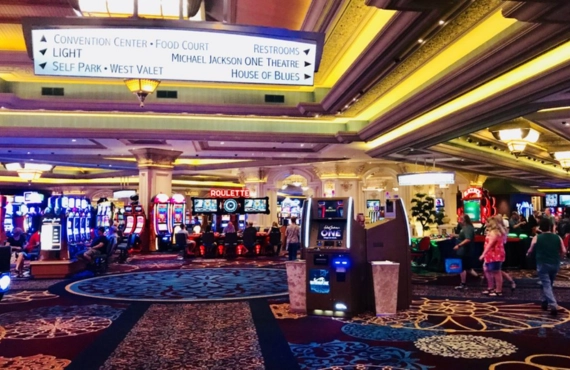
It wasn’t long before we realized we were utterly lost. We’re talking, “Where am I and how did I get here?” lost. At one point, we wondered if we were still at the Mandalay Bay. Every time we thought there was a familiar landmark, it turned out to be a different giant golden statue or another waterfall feature—they all looked the same. At one point, we ended up circling a bank of slot machines four times, convinced we had found a secret passage to Narnia. Spoiler alert: There was no wardrobe; we were just lost and possibly hallucinating.
Asking for Directions
After an hour, you have to admit that the casino floor has beaten you and accept defeat, unlike a dad who refuses to stop and ask for directions. We approached a friendly-looking staff member, hoping for a straightforward answer. LOL, our convo went something like this:
Me: “Excuse me, how do I get to the poker tables?”
Staff: “Sure thing! Take a left at the giant golden statue, then a right at the waterfall, keep straight until you see the cactus statue, and it’s just past the hang of Elvis impersonators.”This left us more confused than before, but determined, we tried our luck with another guest, which didn’t fare much better:
Me: “Do you know where the poker tables are?”
Patron: “Hmm, I think they’re near the giant neon cowboy boots…or was it the slot machine with the cartoon dog? I dunno, but good luck to y’all!”
Clearly, the Mandalay Bay casino floor was designed to keep you entertained and very disoriented. It was all part of the charm, and we eventually made it to the poker tables.
Understanding the Games
Ok, so I’ve only ever played slots, so the gaming floor was intimidating. Sticking to what I knew, my first expenditure was obviously on the spinning reels. They have every theme imaginable, from those classic fruit symbols to blockbuster movies. Each one blinked and beeped with “come and play me” lights and sounds.
Then there is the host of table games: blackjack, roulette, craps, poker, and baccarat, each one surrounded by groups of players and a few spectators.
As a first-timer, the sheer variety was super overwhelming. I wanted to try everything but didn’t know where to start with the table games, and the thought of trying to blend in with the regulars made me a little nauseous.
Trying to Look Like You Know What You’re Doing
The trick to fitting in is to fake it until you make it. Step one? Observe and imitate. Even though slots are pretty self-explanatory, I watched a woman play several rounds—she was pressing those buttons with speed and confidence, so I finally did the same. Just like in AC, I put in $10, crossed my fingers and toes, and made the rookie move of betting max credits on a single spin. I lost my first round faster than you can say “why would you do that?” I played a few more rounds at different machines before it hit me that I was not going to win it big at slots here in Vegas, I tucked my tail between my legs and went to join my friends at the blackjack table (I’d memorized the way).
Sipping on my tequila and soda, I watched as my friends and other players casually tossed their chips, nodded at the dealer, and made decisions with a flick of their wrists.
Then, I decided to get in on the action. When my turn came, I tried to mimic their moves. The dealer asked if I wanted to hit or stand, and I did my best to look like I had a clue and said, “Both?” before my BFF rescued me. There was a mix of awkward nods and hesitant chip placement that made me look like a dumb deer in headlights—and I decided blackjack was not for me.
But hey, everyone has to start somewhere, right? As we walked away from the table, my BFF was laughing so hard that tears were streaming down her face. “BOTH?” She was howling. Then we had to find the bathroom, which was another ordeal entirely.
My First Game: Slot Machines
Picking a slot machine may be a thing that’s researched for some gamblers, but not me! I don’t like homework, and with the sheer number of machines, you’d be researching for a whole month. But every slot machine was trying to get my attention like a hyperactive puppy. How did I choose? I went with a tried and true method of selection: familiarity. I saw the “Wheel of Fortune” machine and figured, why not play something I’ve watched on TV? Plus, the giant spinning wheel and the promise of a progressive jackpot and prizes didn’t hurt.
The Quirky Themes
The variety of themes was a real eye-opener—there were machines dedicated to every possible niche. Here are a few of the funniest and oddest ones that caught my eye:
- “Michael Jackson King of Pop”: Complete with moonwalking animations and hits like “Billie Jean” playing in the background.
- “Gremlins”: Yes, you could gamble with Gizmo, and occasionally, a mischievous gremlin would pop up to either help or hinder your chances.
- “Buffalo Diamond”: Featuring majestic buffaloes adorned with sparkling gems, it was like an animal kingdom meets Las Vegas extravaganza.
- “Sharknado”: Because nothing says jackpot like spinning tornadoes filled with sharks.
- “Game of Thrones”: Dragons, thrones, and the Iron Bank all made for an epic slot experience.
- “Friends”: Yes, the TV show. Spin the reels with Rachel, Ross, and the gang, hoping for a jackpot big enough to pay for all those Central Perk coffees.
Each machine had its own flair, making it not just a game of chance but a mini-themed adventure. Picking a slot machine wasn’t just about finding a game to play; it was about choosing which world you wanted to get lost in, even if just for a few spins.
Playing the Game
So, there I was, perched on the edge of the cracked leather seat in front of the “Wheel of Fortune” slot machine, ready to make my mark. But wait—how do I actually play this thing? There were so many buttons with cryptic symbols, levers that looked like they belonged on an old-timey train, and flashing lights that seemed to shout, “Press me! No, press me!” It felt like trying to crack a secret code with no decoder ring. After a few hesitant taps and a brief moment of panic where I thought I’d broken the machine, I managed to get it spinning. Turns out, it’s mostly about pressing the big, shiny button and hoping for the best. Who knew? Not me!
The Excitement of Winning
Just when I was starting to think I had absolutely no shot at winning a cent, it happened—the glorious, unexpected sound of a win. Lights flashed, the machine played a happy lil tune, and I saw the magic numbers appear: I’d won $25! Okay, so it wasn’t exactly a life-changing sum or anything, but at that moment, it felt like I’d hit the jackpot. I hopped up and did a little victory dance and felt like the queen of the casino.

The Inevitable Loss
Of course, I danced too soon, as my small victory was short-lived. Feeling emboldened by my $25 windfall, I kept playing, convinced that my luck had finally turned. The machine that had been my ally only moments ago turned into a voracious coin-eating monster. Within 25 minutes, my initial win, along with $300 of my own money, had vanished *poof* into the digital ether. It was like watching my dreams of riches get swallowed whole, one spin at a time. But that’s the casino life—sometimes you win, sometimes you lose, and sometimes you lose a lot really fast.
Trying the Tables: A Lesson in Strategy
The slots had turned on me, so I was done with those for now—it was time to try my luck on the table games (but not Blackjack; I’d already humiliated myself with the “Both?” incident.
There was roulette with its iconic spinning wheel, poker with its competitive edge and math (no thank you), craps with its high-energy atmosphere, and baccarat, the game of choice for Bond, James Bond 007 himself. Poker and blackjack were out, so that left baccarat, craps, and roulette.
1- Picking a Game
After some careful consideration, I decided to try my luck at roulette—the spinning wheel and the straightforward betting options felt way less intimidating than the others. Roulette seemed like a safer entry point into the world of table games, with its simple rules and the fun of watching the ball dance around the wheel.
2- Learning the Rules
Tentatively taking a seat at the roulette table, I was nervous and confused. The dealer, a patient, and friendly woman, noticed my hesitation and offered a quick rundown of the game. “Place your chips on the number or color you think the ball will land on,” she explained, smiling reassuringly. She also went over the different types of bets—straight-up, split, street, and the ever-popular red or black—making the game seem easier.
At one point, I asked if I could bet on multiple numbers at once. The dealer laughed (not in a mean way) and said, “You can, but spread your bets wisely. Don’t put all your chips in one basket.” Her patience with me made the learning process enjoyable rather than intimidating—being mocked by a dealer would certainly take away from the experience.
3- Fellow Players
The other players at the table were a mix of experienced gamblers and curious newcomers like me—one older man, who seemed like he’d been playing roulette forever, offered some sage advice: “Stick to red or black if you’re just starting. The odds are better.” Another player, a young woman with a mountain of chips, added, “Just have fun with it. Don’t stress too much about the strategy.” Their friendly tips helped calm my nerves and made me feel part of a friendly table.
4- Winning and Losing
Amazingly, my first few spins went well. I placed modest bets on red, and each time the ball landed in a red pocket, I felt a high of excitement. My chips started to stack up, and I began to think I had a knack for this game. The dealer nodded approvingly, and the other players smiled at my beginner’s luck. It was an amazing feeling, making me feel like I was on top of the world and a real gambler.
5- The Reality Check
But as quickly as my luck had come, it was yanked away. Remembering the lesson I’d learned from the slot machines, I was a little more cautious this time. I didn’t go overboard with my bets, but the ball seemed determined to land everywhere except where I’d placed my chips. Within a short span (don’t ask me how long; I’d stopped trying to keep track of time by this point), my winnings evaporated, and I ended up losing $150. It wasn’t the $300 from my slot machine fiasco, but it still hurt my feelings and my wallet.
The same older gentleman who had given me advice earlier kindly patted me on the arm and said, “That’s how it goes, kid. The house always wins.” And he is right. Despite the losses, I walked away from the table with an appreciation for the game, and I honestly had a great time playing—it will be my go-to game from now on (goodbye, slots).
The Entertainment and Amenities
Yes, we were there for the casino, but there were also so many things to do and see beyond the gambling! During our trip to Mandalay Bay, we took in some live entertainment—we saw “Michael Jackson ONE” by Cirque du Soleil. This spectacular show celebrated the King of Pop with a mix of dance, acrobatics, and special effects. The performances of iconic songs like “Thriller” and “Smooth Criminal” left us in awe, and the incredible LED costumes and synchronized routines were absolutely mesmerizing.
We also got the chance to see Carlos Santana’s residency at the House of Blues. His legendary guitar skills and dynamic stage presence made for a truly unforgettable evening. Santana’s blend of rock and Latin music in an intimate setting at the venue added to the magic of the performance.
Mandalay Bay also has its Concerts on the Beach series, which we didn’t see, but you can see live music while lounging by the beach. Acts like Lee Brice, Cole Swindell, and Sublime with Rome were there during our trip. There’s literally something for everyone, including their musical tastes!
Dining Options
The dining options at Mandalay Bay are not too shabby! We did the buffet, which offered an incredible variety of dishes from around the world. From fresh seafood and sushi to a carving station with all kinds of meats, it was a food lover’s paradise. The dessert section, with its decadent cakes and pastries, was the cherry on top (pun intended).
For a themed dining experience, we hit the House of Blues Restaurant. The Southern-inspired menu has mouthwatering and spicy dishes like Voodoo Shrimp and Jambalaya. The lively atmosphere and live music performances complemented the delicious food perfectly, making it a great dining experience.
Unique Attractions
The Mandalay Bay casino isn’t just gambling and shows; it offers some truly unique attractions, and one of them is why we chose that resort. There is a man-made beach. We repeat, a man-made beach with real sand and a massive wave pool; it feels like a mini tropical getaway right in the middle of the Vegas desert. It’s an expansive 11-acre water park where you can ride the waves in the wave pool, drift along the Lazy River, or relax in the tranquil lagoon. For those looking for some shade, there are cabanas, and when hunger strikes, you can refuel at the Beach Bar and Grill or enjoy a refreshing cocktail at one of the three bars. A word of advice: Wear sunscreen with a high SPF and drink one glass of water for every cocktail.
Another reason we picked Mandalay (well, why I rallied for it) is The Shark Reef Aquarium. It’s an immersive experience into the world of marine life— spanning over 90,000 square feet, it is home to more than 2,000 animals and over 100 species, including sharks, rays, and reptiles.

One of the best things is the Shark Tunnel, where you can walk through a transparent tunnel surrounded by sharks and other sea creatures swimming above and around you. This gives visitors an unparalleled 360-degree view of these magnificent (and terrifying) animals in a setting that mimics their natural habitat.
We also did the Touch Pool, which lets guests get up close and personal with different marine creatures. You can gently touch rays, horseshoe crabs, and other species, making it an educational experience. There are also exhibits with terrestrial creatures like the Komodo Dragon (no thank you) and the Golden Crocodile, which is one of the coolest things I’ve ever seen!
Lessons Learned
One of the most important lessons we learned during our casino girls’ trip getaway was the necessity of setting a budget. Gambling can be a lot of fun, but it’s super easy to get carried away. We quickly found out that you cannot spend more than you can afford to lose! Before hitting the casino floor, we each decided on a fixed amount of money we were willing to spend and lose. This helped us manage our expectations and keep the experience fun rather than stressful or possibly miserable.
Sticking to It
Now, sticking to our budgets was another challenge entirely, especially with a group of strong-willed women who have been hitting the sauce. In the heat of the moment, with the excitement of potential winnings, it was tempting to dip into more funds. To combat this, we came up with a humorous (to some of us) yet effective strategy: we confiscated each other’s debit and ATM cards. This way, we couldn’t impulsively withdraw more cash. It turned into a bit of a game in itself—every time one of us tried to sneak a card back, the others would intervene. Occasionally, this led to some crying and harsh words, but it kept us mainly within our budget, and we had no hard feelings the next morning.
The Social Aspect
One of the best things about our trip was the social aspect—casinos and their surrounding bars and clubs are heaving with people, all looking to have a good time. And if you are a woman, you already know that the best place to make new friends is the bathroom. Seriously, there’s something about the ladies’ room in a bar or club that turns it into a social hub, and that goes double for Vegas. Casual conversations turned into new vacation friendships—we hung out throughout our trip and got some great makeup tips as well. It was a nice reminder of the communal spirit that Vegas can foster, where strangers become besties, at least for a few hours.
People-watching
People-watching in a casino is its own pastime—we probably spent hours observing the variety of casino-goers and their behaviors. There were the high rollers, placing huge bets at the tables, the excited tourists trying their luck at the slots, and the regulars who seemed to know all the tricks of the trade. And then there were the cowboys—that was as entertaining as any live show and rivaled the Cirque du Soleil performance.
The Importance of Taking Breaks
Amid the excitement of gambling and the lack of clocks or sense of time, it’s really easy to lose track of it and go overboard. We learned the hard way that taking breaks is a must—gambling for long periods without a break can lead to fatigue and poor decision-making. One particularly memorable lesson came when one of us (ahem, Sophie) decided to gamble after spending too much time in the sun. The result? A sunburned, cranky gambler who eventually came around to the fact that it’s best to avoid the tables when you’re not at your best. Taking regular breaks helped us stay refreshed and not cranky.
Exploring the Casino
Mandalay Bay has so much more than just gambling, and we made it a point to explore the non-gambling activities. We loved lounging by the man-made beach with its wave pool and Lazy River, which was a perfect way to relax and recharge. The Shark Reef Aquarium was another highlight, offering a fascinating glimpse into the underwater world. These breaks not only provided a welcome respite from the gaming tables but also leveled up our overall experience, proving that there’s plenty of fun to be had without spending a dollar on gambling.
Final Thoughts
We had an incredible trip to Mandalay Bay in Las Vegas—truly one of my better getaways! The excitement of the casino, the nightlife, and the different attractions all made for an unforgettable vacation. Of course, losing some money was a downside, but it was all part of the experience. We left feeling great, albeit a bit lighter in the wallet, and on our next visit? Well, we’ll have a few better strategies in mind to manage our bankroll better.
Looking back, there are a few things we’d do differently.
- For one, we would be more mindful of our alcohol consumption. While it’s fun to indulge a bit, it’s easy to go overboard, and that can cloud your judgment and lead to some not-so-great decisions at the tables.
- We’d also stress the importance of sticking to a budget more strictly and taking more frequent breaks to avoid burnout.
- We’d probably spend even more time exploring the non-gambling attractions that Mandalay Bay has, as they were some of the best moments of our trip.
For first-timers, these tips can make the difference between a good experience and a great one.
Despite some messy behavior on our part and the casino being overrun with cowboys, the fun of our trip was undeniable. The casino games, the friendships formed in the ladies’ rooms, and the extras and amenities of Mandalay Bay made it an adventure that was worth every penny. Whether it was my first roulette win or the jokes still made at my “Both?” Blackjack blunder: every moment added to our Vegas experience.
If you’ve never been to a casino or are considering a trip to Las Vegas, we wholeheartedly encourage you to give it a try. The experience is about so much more than just gambling; it’s about the atmosphere, the people, and the fun you’ll have along the way.
If you have your own first-time stories or tips, tell us about them—we are all ears! Every adventure is different, and yours could inspire someone else to take that leap and experience the excitement of Las Vegas.
Behind the Scenes: What It’s Like Working in a Casino
In the 1998 indie film Croupier, Clive Owen plays Jack Manfred, an aspiring writer who takes a job as a croupier in a London casino to make ends meet. The movie, directed by Mike Hodges, is a look into the life of a casino worker, exploring the seedy, high-stakes environment that is hidden from the casual gambler’s view. Jack’s experiences in the casino become the inspiration for his novel, blurring the lines between his professional and personal lives.
Understanding the behind-the-scenes dynamics of a casino, as depicted in Croupier, can give players a better appreciation of the complexities and high-pressure scenarios casino employees face daily. The movie highlights how the roles of croupiers, pit bosses, and other staff are crucial in maintaining the flow and fairness of the games so that every player is happy—at least until they lose money.
Although the story in Croupier is pretty far removed from reality, it does come into play for a look behind the scenes to show you what it takes to make a casino run like a well-oiled machine. From the dealers to the pit bosses, we’ll break down the roles and responsibilities that keep the casino floor going.
There is a meticulous orchestration of staff and strategies that make every game run efficiently so players can have a great time. So, let’s uncover what it’s really like to work in a casino and how it all comes together!
The Different Roles in a Casino
Casinos are busy environments with a lot of working parts to maintain smooth operations. From the tables to the surveillance room, each role contributes to creating an efficient and secure experience for guests. Let’s dig into all of the different positions within a casino and understand their responsibilities, skills required, and any necessary training processes.
Dealers and Croupiers
Dealers, also known as croupiers in European casinos, are central figures on the gaming floor. They are responsible for running table games such as blackjack, poker, and roulette. Their primary duties include handling bets, dealing cards or spinning that roulette wheel, and maintaining fair play.
Responsibilities
- Operating table games efficiently.
- Interacting with players, explaining game rules, and answering questions.
- Upholding the integrity of the games and adherence to casino rules.
Skills Required
- Math Proficiency: Dealers must quickly and accurately handle large sums of money and calculate payouts.
- Excellent Customer Service: A friendly and professional demeanor is a must for interacting with every type of clientele.
- Quick Decision-Making: Dealers need to make swift decisions to keep the game flowing smoothly and handle any issues that arise.
Training Process
Becoming a dealer typically involves completing a training program, which can last from several weeks to a few months, depending on the casino and the complexity of the games. These programs include both classroom instruction and hands-on practice. Trainees learn game rules, dealing techniques, and customer service skills. After completing the training, prospective dealers often need to pass a certification exam to demonstrate their proficiency and understanding of the casino’s operational standards.
Pit Bosses and Floor Supervisors
Pit bosses and floor supervisors play a big part in the effective operation of a casino—they are the managerial backbone of the gaming floor, making sure that everything runs efficiently and fairly.
Responsibilities
- Overseeing Table Games: Pit bosses and floor supervisors monitor all table games to ensure they are conducted according to casino rules and regulations. They keep an eye on dealers and players, making sure games are conducted fairly for all participants.
- Managing Dealers: They are responsible for supervising dealers, providing guidance, and ensuring they follow proper procedures. This includes scheduling shifts, offering feedback, and addressing any performance issues that arise.
- Resolving Disputes: When conflicts occur, whether between players or involving a dealer, pit bosses, and floor supervisors step in to resolve these disputes swiftly and fairly. Their decision-making skills are crucial in maintaining a harmonious gaming environment.
Importance of the Role
- Maintaining Integrity: Pit bosses and floor supervisors uphold the integrity of the gaming floor by verifying that all games are played honestly and by the rules. This includes preventing cheating and addressing any and all suspicious or shady activities.
- Operational Flow: They manage the flow of operations, making sure that games proceed without interruptions. This involves coordinating with various departments and staff members to handle any issues that might arise.
Security Personnel
The security personnel in a casino are critical for maintaining a safe and fair environment—their duties encompass a range of tasks designed to protect both players and staff and to uphold the integrity of the casino’s operations.
Responsibilities
- Monitoring for Cheating: Security staff are vigilant in detecting and preventing cheating. They observe players and dealers to identify any suspicious behavior and take appropriate action to uphold the fairness of the games.
- Player and Staff Safety: They are responsible for the safety of everyone in the casino. This includes responding to emergencies, managing disorderly conduct, and providing first aid when necessary.
- Handling Incidents: Security personnel are the first responders to incidents such as disputes, accidents, or any other issues that arise on the casino floor. They manage these situations and coordinate with law enforcement when needed.
Tools and Technology
- Surveillance Systems: Advanced surveillance systems, including CCTV cameras and facial recognition technology, are all necessary tools for security personnel. These systems help monitor the gaming floor and other areas, allowing security staff to detect suspicious activities quickly.
- Security Protocols: Security staff follow strict protocols, including regular patrols, monitoring entrances and exits, and verifying the credentials of staff and visitors. They use communication devices to stay in constant contact and respond promptly to any issues.
Hospitality Staff (Waitstaff, Bartenders, Chefs)
Hospitality is everything in a casino experience, especially if you’re staying at a luxury resort! So these staff members play one of the biggest roles in creating a welcoming and enjoyable atmosphere for guests. These positions include waitstaff, bartenders, and chefs, all of whom add to the overall experience.
Responsibilities
- Providing Food and Beverages: Hospitality staff are responsible for serving food and drinks to guests. Waitstaff takes orders, delivers meals, and makes sure that all guest needs are met during their dining experience. Bartenders mix and serve drinks, usually chatting it up with guests at the bar. Chefs prepare a variety of dishes with high culinary standards to please the guests.
- Ensuring a Pleasant Dining Experience: All hospitality staff aim to create a pleasant and memorable dining experience. This involves keeping a clean and inviting environment, providing prompt and courteous service, and addressing any guest concerns or special requests.
Interaction with Guests
- Enhancing the Overall Customer Experience: Hospitality staff are usually the first point of contact for guests, making their interaction important in shaping the guest’s overall experience. They’ll greet guests warmly, offer any dining or menu recommendations, and engage in friendly conversation to make guests feel welcome. Excellent customer service skills are a must for this role, as positive interactions with hospitality staff can make or break a guest’s visit to a casino.
Management and Administration
The management and administrative roles (aka the men in suits) in a casino are fundamental to its success and involve overseeing the strategic, financial, and operational aspects of the casino to make sure it runs smoothly—and makes a profit.
Responsibilities
- Strategic Planning: Casino managers are responsible for developing and implementing long-term strategies that match up with the casino’s goals. This includes market analysis, setting performance targets, and planning for expansion or new ventures.
- Financial Oversight: Effective financial management is obviously super important in a casino, and managers oversee budgets, financial reporting, and audits. They make sure that all financial operations comply with regulations and strive to maximize profitability while at the same time minimizing costs.
- Marketing: Marketing efforts are essential to attract new customers and retain existing ones. This includes advertising campaigns, promotions, and loyalty programs designed to improve the casino’s brand and appeal to a big audience.
Key Challenges
- Balancing Profitability with Customer Satisfaction: One of the primary challenges for casino management is finding the right balance between profitability and customer satisfaction. Managers have to see to it that the casino remains profitable while providing a high level of service and entertainment to guests. This often involves making difficult decisions about resource allocation and service offerings.
- Regulatory Compliance: Casinos operate under strict regulatory frameworks, and ensuring compliance with all legal and ethical standards is a constant challenge. This includes adhering to gaming laws and financial regulations and maintaining security protocols.
- Operational Efficiency: Managing the day-to-day operations of a casino involves coordinating various departments, from gaming to hospitality. Ensuring that all areas work together effortlessly to provide a positive guest experience while maintaining operational efficiency is a heavy responsibility.
A Day in the Life of Casino Staff
The daily routine for casino staff is dynamic and fast-paced, varying significantly depending on their role. Here’s a glimpse into what a typical workday looks like for different casino workers.
Shifts and Working Hours
| Staff Member | Details |
|---|---|
Dealers and Croupiers | They usually work rotating shifts that cover the casino’s operating hours, which can be 24/7. Shifts typically last 8 hours and can include nights, weekends, and holidays. Dealers need to be alert and engaging with players throughout their shift. |
Pit Bosses and Floor Supervisors | Generally work similar hours to dealers, often in overlapping shifts, to ensure management presence at all times. Their day includes overseeing the gaming floor, managing dealer rotations, and handling any disputes or issues that pop up. |
Security Personnel | Work in shifts that cover all hours of operation, guaranteeing constant surveillance and security. They might work longer shifts with more time off between, like 12-hour shifts. |
Hospitality Staff (Waitstaff, Bartenders, Chefs) | Typically work during peak dining and drinking hours, which can vary but often include evenings and weekends. Chefs will start to prepare food earlier, while waitstaff and bartenders clock in closer to meal and drink service times. |
Management and Administration | Often work more standard business hours but are on-call for issues that happen during off-hours. They might come in early or stay late to handle specific projects or busy periods. |
Preparation
| Task | Details |
|---|---|
Pre-Shift Briefings | Before starting their shift, casino staff usually attend briefings to get updates on any important information, such as VIP guests, new promotions, or any changes in procedures. This helps them get up to speed and ready for the day. |
Setting Up Tables and Machines | Dealers and croupiers set up their tables, making sure they have all the necessary supplies, like chips, cards, and other gaming equipment. They also check that everything is working properly. |
Security Checks | Security personnel conduct thorough checks of the surveillance equipment and security protocols to ensure they are operational and up to date. They also review any incidents from previous shifts. |
Hospitality Preparation | Chefs start by prepping ingredients and setting up their stations for the day. Waitstaff and bartenders make sure that the dining and bar areas are clean, stocked, and ready to serve guests. They also review any special menu items or promotions. |
Management Duties | Managers review reports, plan for the day’s operations, and coordinate with different departments to ensure all areas are ready for guests. They might also handle staffing issues, financial oversight, and strategic planning. |
On the Gaming Floor
The gaming floor of a casino is usually a super energetic and fun space, filled with the sounds of slot machines, the gasps and claps from winning tables, and the constant movement of guests and staff. The bright lights and ambiance are designed to create an exciting experience that keeps players entertained throughout their visit. The casino floor is where it all happens!
Interactions
- Dealing with Regulars: Regular customers often have their favorite games and dealers. Staff build relationships with these frequent visitors, greeting them by name and providing a personalized experience. This familiarity helps create a welcoming environment and encourages loyalty.
- Engaging First-Timers: First-time visitors might need guidance on how to play games or understand casino etiquette. Staff are trained to be approachable and helpful, giving instructions and answering questions to make newcomers feel more comfortable and confident. This positive interaction can really improve a first-timer’s experience and make them more likely to return.
Breaks and Downtime
Casinos are busy, so breaks and downtime are really important for sustaining the well-being and productivity of the staff. Here’s how casinos manage these aspects:
Scheduled Breaks
All casino employees are entitled to scheduled breaks, which include meal breaks and rest breaks. According to standard employee break policies, workers who are on the clock for more than six hours are given a 30-minute meal break, typically unpaid for non-exempt employees. Additionally, employees are allowed one paid 10-minute rest break for every four hours worked.

Employee Lounges
Casinos provide dedicated employee lounges designed to offer a comfy and relaxing environment for their staff during breaks. These lounges feature amenities like couches, coffee and snack stations, and entertainment options like TVs and games. The goal is to provide a space where employees can unwind and recharge away from the busy casino floor.
Activities
During these breaks, casino staff can partake in different activities to relax and recharge. Common activities include:
- Socializing: Employees often use break time to catch up with colleagues, fostering a sense of camaraderie and teamwork. You can find the smokers out back, catching some nicotine and chatting.
- Eating and Drinking: Having a meal or a snack is a common way for staff to refuel. Employee lounges have a fridge and microwave to store and heat food, as well as complimentary beverages like a Keurig or espresso machine.
- Relaxation: Lounges are equipped with comfortable seating areas where staff can rest. Some casinos also provide quiet areas for employees to relax without distractions.
- Entertainment: To help employees de-stress, some employee lounges have entertainment options like television, video games, or reading materials. And the more modern lounges have fitness equipment or meditation spaces to promote physical and mental well-being!
Challenges Faced
Working in a casino can mean coming up against some novel challenges, like high-stress situations and taxing physical demands. Here’s a closer look at these aspects:
High-Stress Situations
Casino staff frequently encounter high-stress situations involving difficult customers. These interactions can range from dealing with frustrated gamblers who are losing money to managing overly intoxicated guests. Have you ever had to talk down a drunk person who lost a lot of money? That sounds awful! But the staff has to remain calm, cool, collected, professional, and empathetic, using conflict resolution skills to de-escalate these kinds of tense situations. Effective communication and customer service skills are critical in these scenarios, as they help maintain a positive atmosphere on the gaming floor.
Maintaining Concentration
Maintaining concentration is a big deal for casino employees, especially for dealers, security personnel, and pit bosses. Dealers have to stay focused to ensure fair play and accurate payouts, while security personnel must be vigilant to suss out any signs of cheating or disturbances. The high stakes and fast pace of the casino environment can be mentally exhausting, meaning the staff has to be laser-focused and have a lot of endurance.
Physical Demands
Almost all casino jobs require that the staff spend long hours on their feet. Dealers, waitstaff, and security personnel can work extended shifts without many chances to sit down. This can lead to fatigue, muscle strain, and other physical discomforts. Employers will provide anti-fatigue mats and encourage staff to wear comfortable footwear to help mitigate these issues. Prolonged standing can also contribute to the development of varicose veins, a condition where veins become enlarged and painful due to poor blood flow.
Repetitive Motions
Jobs like dealing cards, operating gaming machines, or serving drinks involve repetitive motions, which can cause strain and repetitive stress injuries over time. One super common issue is carpal tunnel syndrome, a condition caused by pressure on the median nerve in the wrist, leading to pain, numbness, and tingling in the hand and arm. Staff have to pay attention to their posture and ergonomics, taking regular breaks to stretch and rest their muscles. Some establishments have wellness programs or ergonomic assessments to help employees manage these physical demands and reduce the risk of injury.
The Training and Skills Required
All casino staff members have to undergo extensive training to handle the demands of their roles effectively. The following is a breakdown of the initial training programs and the essential skills they get from them!
Initial Training Programs
The initial training programs for casino staff are comprehensive, covering a range of essential topics. The duration of these programs can vary but usually lasts anywhere from a few weeks to several months, depending on the complexity of the role and the specific requirements of the casino.
- Game Rules: Staff are thoroughly trained in the rules and procedures of the various games offered in the casino, such as blackjack, poker, roulette, and slot machines. This ensures they can run games efficiently and fairly, providing clear instructions and guidance to players.
- Customer Service: Since excellent customer service is crucial in a casino, training programs place a strong emphasis on interpersonal skills. This includes effective communication, conflict resolution, and creating a welcoming environment for guests.
- Security Protocols: Staff are also trained in security measures and protocols to help identify and prevent cheating or fraudulent activities. This includes the use of surveillance systems, understanding behavioral cues, and knowing how to respond to emergencies.
On-the-Job Training
Beyond the formal training programs, on-the-job training plays a huge role in preparing casino staff for the floor.
- Learning Through Experience: New employees often start by shadowing experienced staff members, gradually taking on more responsibilities as they become more comfortable with the casino environment. This hands-on experience is invaluable in building confidence and competence.
- Mentorship from Senior Staff: Mentorship programs are really common in casinos, where senior staff provide guidance, support, and feedback to newer employees. This helps to create a collaborative learning environment and make sure that new staff are well-integrated into the team.
Essential Skills for Success
To make it and thrive while working in a casino, staff need to have both technical and soft skills! This mix means they are able to handle different tasks efficiently and interact with customers effectively. Here’s a detailed look at the essential skills needed for a successful career in the casino biz!
Technical Skills
Understanding the detailed rules of various games such as blackjack, poker, roulette, and slot machines is fundamental. Staff must be able to explain these rules to players and guarantee fair play. This knowledge helps them run games well and handle any questions or disputes that arise.
Dealers must master the specific techniques for dealing cards, spinning roulette wheels, and managing chips. This includes shuffling, dealing cards smoothly, and operating game equipment with pinpoint precision. Proficiency in these techniques means that games will run smoothly and maintain the integrity of the whole shebang.
Cash Handling
Accurate and secure handling of cash and chips is obviously vital, so employees have to be skilled in counting money, making transactions, and managing large sums without any errors. This skill is a must-have for financial accuracy and trust within the casino environment.
Soft Skills
Good (and effective) communication is really important for interacting with a host of customers and colleagues. This means being able to explain game rules clearly, handling any inquiries, and providing excellent customer service. Strong communication skills go a long way in creating a positive atmosphere on the gaming floor.
Conflict Resolution
Casino staff will undoubtedly encounter high-pressure situations involving disagreements or difficult customers, and the ability to resolve conflicts calmly and fairly is of the essence. This skill helps preserve order so all guests can have a good time.
Patience
Working in a fast-paced and sometimes stressful environment requires a great deal of patience—staff have to do repetitive tasks, work long hours, and will have tense customer interactions, which they have to manage with a composed demeanor. Patience helps in providing consistent and high-quality service—even under immense pressure.
Continual Professional Development
Continual professional development is also important for casino employees to keep their skills tip-top and stay in the know when it comes to industry standards. This means taking part in regular workshops and courses as well as obtaining and being current with all relevant certifications.
Workshops and Courses
Casinos frequently have a variety of workshops and training courses, all designed to improve the skills of their staff. These sessions cover many topics, from advanced dealing techniques and customer service improvements to updates on security protocols!
Certifications
Getting the necessary certifications is a key component of professional development in the casino industry. Programs like the Casino Management Certificate Program (CMCP) and the Professional Hospitality and Casino Hosting Certificate Program (PHCHP) offer comprehensive training in areas like gaming law, casino operations, customer service, and marketing. These certifications not only improve career prospects but also verify that the staff are knowledgeable about the latest industry regulations and best practices.
Additionally, institutions like Harvard’s Professional and Executive Development programs have courses and certifications that can benefit casino staff—they include leadership development, business strategy, and advanced customer service techniques, helping employees develop both technical and soft skills that are necessary for their specific jobs.
The Unique Culture of Casino Work
The culture within a casino is definitely different than most jobs—it is multifaceted due to the high-energy environment where entertainment and precision meet. It has to be shaped by the close-knit dynamics of the team in place and have strong support systems to help employees deal with the pressures of the job.
Team Dynamics
Building strong bonds among colleagues is a foundation of the casino work culture—the constant interaction required on the gaming floor and behind the scenes creates a great feeling of camaraderie among staff. And camaraderie is not only about working together—it also entails celebrating each other’s successes and supporting one another through hard times. Activities like team-building exercises, social events, and recognition of individual and team achievements play a big part in strengthening the bonds between coworkers.
Support Systems
The high-pressure environment of a casino means there need to be strong support systems in place, and good team dynamics hinge on open communication, trust, and mutual respect. Regular check-ins, mentoring, and conflict resolution training have to happen to keep up a supportive atmosphere.
Team members should be encouraged to voice their concerns and share ideas openly, knowing that their colleagues and supervisors have got their backs!
Rewards and Perks
Working in a casino has to come with a bunch of rewards and perks, right? Right! Not only are these things bonuses for existing employees, but they attract new ones and cut way down on workforce turnover.
Employee Benefits:
Okay, health insurance may seem like it should come with every job, but it doesn’t, so it is considered a perk—most casinos offer comprehensive health insurance packages to their employees. These packages include medical, dental, and vision coverage so that staff have access to essential healthcare services. Health insurance is a critical benefit that provides peace of mind and financial security for employees and their families.
- Paid Time Off: Casinos also provide paid time off (PTO) to their employees, including vacation days, sick leave, and personal days. This means that staff can take needed breaks and manage personal or family-related matters without undue financial stress. PTO is essential for maintaining a healthy work-life balance and keeping burnout at bay.
- Bonuses: Performance-based bonuses are a common perk in the casino industry and can be awarded for meeting specific targets, excellent customer service, or overall job performance. Bonuses serve as a wonderful motivator, encouraging employees to do their best and contribute to the casino’s success.
Special Perks
Most big casinos give their staff discounted or even free meals, which is a really nice perk, especially during a long shift! Staff have access to nutritious (and tasty) food without having to leave the premises.
- Free Entertainment: Working in a casino comes with access to free or discounted entertainment options aplenty! Employees can get comped tickets to shows, concerts, and other events being hosted by the casino.
- Potential for Tips: For the frontline positions, like the dealers and waitstaff, the potential for earning tips is part of why they do what they do. Tips substantially increase an employee’s earnings, making these positions highly desirable. The tipping culture in casinos is well-established, providing a fairly substantial additional income stream for those in customer-facing roles!
Career Growth Opportunities
Working in a casino offers a number of paths for career advancement and the development of transferable skills that can be super beneficial in other industries!
Advancement
Casinos provide clear paths for promotion, allowing employees to advance from within the organization. Starting from entry-level positions like dealers or hospitality staff, employees can move up to supervisory roles like pit bosses or floor supervisors. With experience and further training, they can also move up the ladder to higher managerial positions like casino managers or gaming investigators—roles that come with more responsibilities and much higher salaries.
Transferable Skills
Experience in a casino setting develops a plethora of skills that are highly valued and sought after in so many other careers. These include the following:
- Customer Service and Communication: Working with a diverse clientele improves your ability to communicate effectively and provide excellent customer service, skills that are transferable to literally any customer-facing role.
- Problem-Solving and Decision-Making: The fast-paced and high-stakes environment of a casino requires quick thinking and effective problem-solving, which are must-have skills in management and strategic roles.
- Leadership and Team Management: Supervisory positions in casinos help develop strong leadership and team management skills, which are imperative for roles in different industries, from hospitality to corporate management.
Personal Stories and Anecdotes
Casinos attract some colorful characters, and they run the gamut from everyday people to high rollers to celebs. And you know what that means—casino stories and some gossip about these interesting encounters!
Memorable Moments
One of the most legendary stories involves Don Johnson (not the Miami Vice actor), a professional gambler who managed to win over $15 million from Atlantic City casinos in just six months by negotiating favorable conditions that significantly reduced the house edge. His success goes to show the potential for massive wins with the right strategy and a side of luck. Casino staff reactions ranged from astonishment to frustration. One executive reportedly said, “He beat us at our own game,” showing a begrudging admiration for his skill and the frustration of the house losing big amounts of money.
Archie Karas’s tale of turning $50 into $40 million during an incredible streak in the early 1990s is another example of dramatic fortune swings. Casino staff were both amazed and slightly dubious—they watched him like a hawk during his high-stakes games due to the potential disruptions and amount of money involved.
Celebrity Encounters
Casinos are also hotspots for celebrity sightings and interactions. Dana White, the president of the UFC, is known for his high-stakes blackjack games, including a notable $2 million win at the Palms Casino Resort in Las Vegas. Yes, high-profile wins add excitement, but they also add a ton of pressure for the dealers and pit bosses who are managing and overseeing these games.
Matt Damon and Ben Affleck are well-known for their love of gambling—particularly poker. Damon, inspired by his role in the film Rounders, plays in charity poker games and is a regular at big tables in Las Vegas. During one trip to Vegas, the longtime besties had a remarkable winning streak, winning $800,000 by playing three $20,000 hands of blackjack. In a generous move, an inebriated (he’s sober now) Affleck reportedly tipped the casino staff around $150,000.
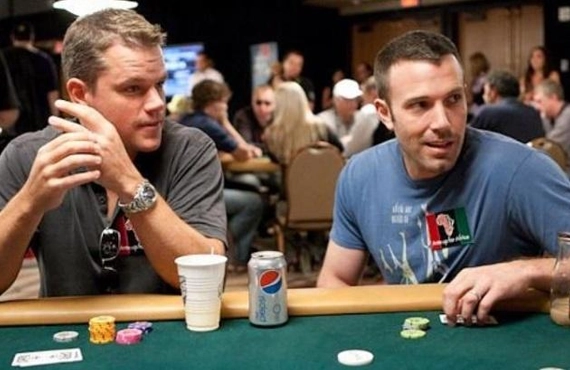
The presence of celebrities like Damon and Affleck in casinos, especially during high-profile events like charity poker games, boosts the morale of the staff. Dealers and other employees enjoy the opportunity to interact with high-profile guests—who wouldn’t?
Reactions from Staff
Casino employees often have mixed reactions to these high-stakes scenarios. While big wins can lead to bigger tips and more excitement, they also bring some challenges along. Staff have to remain on their toes to ensure fair play and manage the hyped-up atmosphere that celebrities and high-rollers bring with them into the casino.
Lessons Learned
Working in a casino provides employees with a lot of valuable experiences and personal growth opportunities that can shape their character and improve their skills in other areas of their lives, too!
Valuable Experiences
The super fast-paced environment of a casino teaches employees how to manage time efficiently, handle high-pressure situations, and adapt quickly to changing circumstances.
One casino manager said, “Every day presents new challenges and opportunities to learn. From managing unexpected situations to handling large crowds, you become adept at thinking on your feet and making quick decisions.”
This constant need for adaptability and problem-solving hones critical thinking skills and improves the ability to stay calm under pressure. Employees also learn to work effectively as part of a team, understanding the importance of communication and collaboration in a high-stakes setting.
Personal Growth
Casino jobs call for a high level of customer interaction, which obviously betters interpersonal and communication skills. One casino dealer shared, “Interacting with different customers every day has taught me patience and empathy. You learn to read people and understand their needs, which is invaluable both professionally and personally.”
The distinct challenges faced in a casino also build personal resilience and determination. Another employee reflected, “Working in a casino has made me more resilient. The long hours and the need to stay alert have strengthened my work ethic and perseverance.”
Additionally, the importance of self-reflection and continuous improvement is a big takeaway for many—regularly evaluating one’s performance and seeking feedback helps in personal and professional growth. One story shared by an employee highlights this: “By constantly reflecting on my experiences and seeking to improve, I’ve not only become better at my job but also more aware of my strengths and areas for improvement.”
Lastly, the teamwork required in a casino setting strengthens bonds among colleagues and creates a supportive work environment. A pit boss shared that the camaraderie among staff members was a key factor in their job satisfaction, stating, “We support each other through tough shifts and celebrate our successes together, which makes the job much more rewarding.”
Final Thoughts on Working in a Casino
And that’s a day in the life of a casino employee! From dealers to bartenders, all staff members are a cog in the wheel who contribute to making the establishment run well—and they make it look easy when it is anything but.
Working in a casino is unlike any other job—it’s fast-paced, exciting, and full of unexpected moments. The energy on the gaming floor is contagious, and you quickly learn to think on your feet and adapt to whatever comes your way—it’s sink or swim. But it’s more than the hustle and bustle; it’s also about the people! The relationships you build with your colleagues can make even the hardest days a little less taxing. Plus, you develop worthwhile skills like communication and resilience, which will stick with you long after you clock out.
The Legal Implications of Online Gambling Across Different States
Did you know that the U.S. online gambling market is projected to reach a whopping $100 billion by the end of 2024? As more and more Americans open up their smartphone apps to get their dose of entertainment and the prospect of winning big money, the legal landscape surrounding online gambling remains as varied as the states themselves.
Because in the U.S., the legality of online gambling is most definitely not one-size-fits-all—every state has its own set of rules, regulations, and restrictions that can make accessing and playing pretty confusing. Even if you’re an experienced gambler, you still need to know the rules and legal differences from where you want to play.
That’s why we are going to make it crystal clear what the state-specific gambling laws are so you can avoid getting into any legal snafus or gray areas—that way, you can protect your loot and make informed decisions about where and how to play!
Overview of Online Gambling Legislation in the U.S.
The United States uses a dual legal framework for online gambling, meaning that federal laws provide the overarching guidelines while individual states have the power to regulate or prohibit gambling within their borders. This system creates some issues—federal and state laws intersect and can sometimes be in conflict.
Federal Laws
Federal laws set the foundation for online gambling regulations, primarily through two key pieces of legislation: The Wire Act and the Unlawful Internet Gambling Enforcement Act (UIGEA).
- The Wire Act of 1961: Initially aimed at curbing organized crime, the Wire Act prohibits the transmission of bets or wagering information across state lines via wire communication. For many years, it was interpreted to apply broadly to all forms of gambling. However, in 2011, the Department of Justice (DOJ) clarified that the Wire Act only applies to sports betting, opening the door for states to regulate other forms of online gambling, such as poker and casino games.
- The Unlawful Internet Gambling Enforcement Act (UIGEA) of 2006: UIGEA focuses on the financial transactions related to online gambling, making it illegal for businesses to accept payments related to unlawful Internet gambling knowingly. While UIGEA does not define what constitutes illegal internet gambling, it defers to state and federal laws to make this determination. This act has significantly impacted how online gambling sites operate, particularly concerning payment processing.
State-Specific Regulations
While federal laws provide a broad framework, states have the autonomy to craft their own regulations regarding online gambling. This has led to a varied legal landscape across the country, with some states embracing online gambling and others strictly prohibiting it.
States like New Jersey, Pennsylvania, and Michigan have fully legalized and regulated online casinos and poker, creating robust markets that generate significant tax revenue. Conversely, states like Utah and Hawaii have taken a hardline stance, prohibiting all forms of gambling. This state-by-state approach means that online gamblers have to be acutely aware of their specific state’s regulations to guarantee they are operating within the law.
Historical Context
The journey of online gambling legislation in the U.S. has been marked by big milestones and shifts in public and legislative attitudes. Understanding this history gives us valuable context for the current legal environment!
| Event | Details |
|---|---|
Early Days and the Rise of Online Gambling | Online gambling began to emerge in the mid-1990s, facilitated by the advent of the Internet. The first online casinos and poker rooms appeared, operating in a largely unregulated environment. As the popularity of these platforms grew, so did concerns about their legality and the potential for abuse. |
The Wire Act and Early Regulatory Efforts | The Wire Act of 1961 initially served as the primary tool for federal authorities to combat illegal gambling operations. However, its applicability to online gambling remained a gray area for many years. In the absence of clear federal guidance, states began to explore their own approaches to regulating or banning online gambling. |
The UIGEA and the Black Friday Crackdown | The UIGEA of 2006 represented the federal effort to curb online gambling by targeting the financial transactions that enabled it—this act led to the withdrawal of many online gambling operators from the U.S. market, particularly those focused on poker. |
State Legalization and the Post-Black Friday Era | Following Black Friday, there was a push from both players and operators for a clearer and more friendly legal framework. In 2011, the DOJ’s clarification that the Wire Act only applied to sports betting was a pivotal moment—this reinterpretation allowed states to consider legalizing online gambling within their borders. |
States Where Online Gambling Is Legal
The U.S. has seen a surge in the legalization and regulation of online gambling across various states. This change reflects the growing acceptance and popularity of online gaming, which brings both economic benefits and enhanced entertainment options. Knowing where online gambling is legal and how it is regulated is a must for those who want to play safely and legally.
States with Comprehensive Legal Frameworks
Several states have established airtight legal frameworks for online gambling, including New Jersey, Pennsylvania, and Michigan. These states offer a variety of online gambling options, like casino games, poker, and sports betting.

- New Jersey: A pioneer in legal online gambling, New Jersey legalized online casinos and poker in 2013. The state now has a vibrant market with numerous operators offering a wide range of games. Players can enjoy online slots, table games, poker, and sports betting through platforms like BetMGM, DraftKings, and FanDuel.
- Pennsylvania: Following New Jersey’s lead, Pennsylvania legalized online gambling in 2017, with the first sites launching in 2019. The state provides online casino games, poker, and sports betting, with operators such as PokerStars, BetRivers, and Hollywood Casino.
- Michigan: Michigan entered the online gambling scene in 2021 and quickly became a major player. The state allows online casinos, poker, and sports betting, with popular platforms like BetMGM, DraftKings, and FanDuel offering their services.
In these states, online gambling regulation is stringent—licensing is overseen by state gaming commissions, requiring operators to meet high standards for fairness, security, and responsible gambling practices. This regulatory oversight helps protect players and maintain the integrity of the online gambling market.
Types of Legal Online Gambling
- Casino Games: Most states with legalized online gambling allow for a wide range of casino games, including slots, blackjack, roulette, and other table games.
- Sports Betting: Many states have embraced online sports betting, allowing residents to place bets on a variety of sports, including football, basketball, baseball, and more niche ones as well.
- Poker: Online poker is legal in several states, providing players with access to virtual poker rooms and tournaments.
Recent Legalizations
Several states have recently legalized online gambling, contributing to the industry’s rapid growth, including the following:
- Connecticut: In 2021, Connecticut legalized online casinos and sports betting. The state offers a limited number of licenses, with platforms like Mohegan Sun and DraftKings operating under strict regulatory frameworks.
- West Virginia: Legalized online casinos and poker in 2019, with sites launching in 2020. The state’s market includes operators such as BetMGM and DraftKings, offering a host of online gaming options.
- Rhode Island: Rhode Island has recently joined the ranks of states with legalized online gambling, launching its online casino operations in 2024. The state has introduced live-dealer games and other online casino offerings regulated by the Rhode Island Lottery.
The impact of these new laws has been substantial. States with newly legalized online gambling have seen market growth, increased tax revenues, and the development of a competitive industry landscape. For instance, Michigan’s online gambling market generated hundreds of millions in revenue within its first year, showcasing the economic potential of regulated online gaming.
The trend toward legalizing and regulating online gambling in the U.S. continues to grow, meaning players have more opportunities to engage in their favorite games safely and legally while providing states with valuable economic benefits.
States with Partial Legalization
While some states have fully legalized online gambling, others have opted for a more cautious approach, legalizing only certain forms. Let’s take a look at the states that have only legalized sports betting, and those that are dabbling in some online casino offerings.
Sports Betting Only
Several states have chosen to legalize only sports betting, leaving other forms of online gambling, like casino games and poker, outside the legal framework (fancy terminology for illegal). This strategy allows states to regulate and benefit from sports betting while minimizing potential risks associated with broader online gambling.

- Tennessee: Tennessee is unique in that it has legalized sports betting exclusively online, with no physical sportsbooks. This model has allowed the state to quickly grow its sports betting market. Tennessee’s regulatory framework is overseen by the Tennessee Education Lottery Corporation, which ensures compliance with state laws and regulations.
- Maryland: Maryland has legalized online sports betting but has not extended this to online casinos. The state’s cautious approach focuses on regulating sports betting to address potential issues such as gambling addiction and ensuring fair play. The Maryland Lottery and Gaming Control Agency oversees the regulation and licensing of sports betting operators.
- New York: New York launched online sports betting in early 2022, allowing residents to place bets through licensed operators. The state has not yet legalized online casino games, reflecting a measured approach to expanding online gambling. The New York State Gaming Commission regulates the sports betting industry to maintain integrity and protect consumers.
Limited Online Casino Games
And then we have the states that have chosen to permit online casino gaming but under super restricted conditions, allowing only specific games or platforms and maintaining tight regulatory control.

- Connecticut: Connecticut permits online gambling, including sports betting and a limited range of online casino games. The state has a regulated market with a few licensed platforms, such as Mohegan Sun and DraftKings. This approach allows the state to benefit economically while managing potential risks associated with gambling.
- Rhode Island: Rhode Island has recently introduced online casino gaming, including live-dealer games, under a tightly controlled regulatory framework. The Rhode Island Lottery regulates online gambling, ensuring the security and fairness of the gaming environment.
- Delaware: Delaware has a more comprehensive online gambling framework but limits the number of available platforms. The state operates a centralized system through the Delaware Lottery, which verifies that all online gambling activities are closely monitored and regulated.
The limitations on online casino offerings in these states help manage market size, address public concerns, and allow for incremental testing of online gambling. These measures help prevent issues such as gambling addiction and underage gambling while ensuring fair play and consumer protection.
Overall, the approach to partial legalization of online gambling swings back and forth across the U.S., reflecting each state’s distinct economic, cultural, and regulatory landscapes. As more states explore the potential of online gambling, it will be really interesting to see how these partial legalizations evolve and whether they lead to wider acceptance and expansion in the future!
States Where Online Gambling Is Illegal
Online gambling regulations in the United States are complex, with each state enacting its own laws. And while some states have welcomed at least some forms of online gambling, others have said “no way, Jose” and upheld super strict bans. Next up, we’ll see which states online gambling is completely prohibited, the reasons behind these bans, and the penalties for violating these laws.
Complete Bans
Three states enforce comprehensive bans on online gambling—Utah, Hawaii, and Washington. The motivations for these prohibitions are rooted in cultural, societal, and political factors.
- Utah: Utah is known for its strict stance against all forms of gambling. The prohibition is deeply ingrained in the state’s cultural and religious values, heavily influenced by the Mormon Church, which views gambling as morally unacceptable. Political and public support for maintaining these laws is strong, and no significant efforts exist to change them. This reflects a broader consensus in Utah against gambling based on concerns about its moral and social impacts.
- Hawaii: Similar to Utah, Hawaii maintains a total ban on gambling. The state’s opposition is driven by concerns over the potential social problems associated with gambling, such as addiction and crime. Cultural resistance to gambling is strong, and there has been little political momentum to legalize it despite discussions about the potential economic benefits. Efforts to introduce gambling have consistently failed, reflecting the state’s commitment to maintaining its anti-gambling stance.
- Washington: Washington has some of the strictest online gambling laws in the United States. Engaging in online gambling is classified as a felony, which carries severe penalties. The state’s stringent regulations aim to protect consumers and maintain public order. There is ongoing debate about whether these laws should be relaxed to allow regulated online gambling, but the laws remain in place for now.
Penalties for Illegal Gambling
The legal consequences for partaking in illegal online gambling are pretty severe and change from state to state. Penalties usually include monetary fines, imprisonment, and other legal repercussions affecting players and casino operators.
- Fines and Imprisonment: In states like Washington, individuals caught participating in illegal online gambling can face felony charges, resulting in heavy fines and potential imprisonment. Even in states with less severe penalties, such as Vermont and Virginia, individuals can still face misdemeanor charges, fines, and possible jail time. These penalties are put in place to deter illegal gambling activities and uphold the law.
- Impact on Players and Operators: The legal risks extend to both players and operators. For players, engaging in illegal online gambling can lead to criminal records, financial penalties, and the forfeiture of winnings. For operators, running illegal gambling sites can result in substantial fines, asset forfeiture, and imprisonment. These legal risks create a highly unfavorable environment for both participating in and facilitating online gambling in these states.
Societal, Political, and Economic Factors
As for the reasons behind the complete bans on online gambling in these states, they go back decades and are multifaceted:
- Cultural and Religious Values: In states like Utah and Hawaii, cultural and religious beliefs play a significant role in shaping attitudes toward gambling. The dominant religious groups in these states view gambling as morally wrong, influencing public opinion and political decision-making.
- Social Concerns: Concerns about the social impact of gambling, such as addiction, crime, and financial hardship, drive the strict regulations in these states. Lawmakers and citizens worry that legalizing online gambling could exacerbate these issues, leading to negative outcomes for individuals and communities.
- Economic Considerations: While some argue that legalizing gambling could bring economic benefits through taxation and job creation, opponents believe that the social costs outweigh these potential gains. The fear of increased crime, addiction, and other social problems often leads to a cautious approach, prioritizing social stability over economic benefits.
Case Studies
- Utah: Utah’s complete ban on gambling is rooted in its strong Mormon heritage. The state has never shown interest in legalizing any form of gambling, including lotteries, casinos, or online gambling. Efforts to introduce gambling laws have consistently failed, reflecting a strong societal consensus against it.
- Hawaii: Hawaii remains one of the few states with a total ban on gambling, and even though there have been talks about introducing lotteries or casinos that have taken place over the years, none have gained sufficient support to change the existing laws. The state’s isolation and unique cultural context contribute to its resistance to gambling legalization.
- Washington: Washington’s approach to online gambling is among the harshest in the nation, with felony charges for those who engage in it. The state’s focus is on consumer protection and maintaining public order, and there is ongoing debate about whether to relax these laws. For now, the strict penalties and enforcement actions reflect a commitment to preventing illegal gambling activities.
The strict prohibition of online gambling in certain states is driven by a complex interplay of cultural, societal, and political factors. The severe penalties for violating these laws underscore the high risks involved in engaging in illegal online gambling activities. As debates continue about the potential benefits of legalizing online gambling, it remains to be seen whether these strict prohibitions will eventually be relaxed. Understanding these laws and the associated risks is vital for anyone considering participating in online gambling in these states—don’t do it!
Legal Ambiguities and Gray Areas
As we’ve established, the legal status of online gambling in the United States can vary wildly from l state to state. While some states have clear regulations, others operate in murkier gray areas where the laws are ambiguous or still developing. The following are the states with unclear online gambling regulations and the challenges that this presents for both players and operators. Also, we’ll look at the role of Native American tribes in online gambling, highlighting the legal nuances arising from tribal sovereignty and state agreements.
States with Ambiguous Laws
Several states have unclear or changing laws regarding online gambling, which means uncertainty for both players and operators. These states usually lack any specific sort of legislation addressing online gambling, leaving it in a legal gray area.

- California: California has made some attempts to regulate online poker, but these efforts have repeatedly stalled in the legislature. While the state allows certain forms of gambling, such as horse racing and tribal casinos, online poker and casino games remain unregulated. This lack of clear legal guidance creates challenges for operators looking to enter the market and for players seeking legal online gambling options.
- Texas: Texas has strict prohibitions against most forms of gambling, including online casinos and poker. However, there are exceptions for social gambling and charitable gaming, which are not clearly defined in the state’s laws. This ambiguity leads to legal uncertainty and risks for both players and operators who may inadvertently violate the law.
- Massachusetts: Massachusetts has legalized online sports betting but remains ambiguous about online casino games and poker. The state has shown interest in expanding its gambling options, but legislative efforts have been slow, leaving the status of online casinos in the gray area.
Getting around some of these ambiguous legal landscapes is challenging indeed—operators have to carefully interpret state laws to avoid legal repercussions, while players face risks associated with participating in unregulated or potentially illegal gambling activities. The lack of clear regulations can mean inconsistent enforcement and legal disputes, making it necessary for both parties to stay educated about any ongoing legislative developments.
Tribal Lands and Online Gambling
Native American tribes play a huge part in the online gambling landscape in the United States—tribal casinos have long been a staple of the gambling industry, and their involvement in online gambling introduces even more convoluted legal issues.
- Role of Native American Tribes: Native American tribes operate numerous casinos nationwide under the Indian Gaming Regulatory Act (IGRA). This federal law allows tribes to operate casinos on their lands, provided they enter into contracts with state governments. These contracts outline the terms under which gambling can occur and often include provisions for revenue sharing and regulatory oversight.
- Legal Complexities: The introduction of online gambling by Native American tribes raises several legal issues. One major complexity is the concept of tribal sovereignty, which grants tribes a degree of self-governance and autonomy from state laws. This sovereignty allows tribes to operate casinos under federal law, but the situation becomes more complicated when it comes to online gambling. State laws typically regulate online gambling, but tribes may argue that their sovereignty allows them to provide online gambling without state approval.
For example, in states like California and Florida, tribes have sought to offer online gambling through their existing gaming contracts. These efforts often lead to negotiations and legal battles between tribes and state governments as both sides navigate the intricacies of federal, state, and tribal laws. Additionally, some states have granted tribes exclusive rights to operate online gambling, leading to agreements that change from state to state.
State Agreements: States that have reached agreements with tribes to allow online gambling often include provisions that address regulatory oversight, revenue sharing, and player protections. These agreements aim to balance tribal sovereignty with the need for a regulated and fair gambling environment. However, reaching such agreements can be challenging, as they require careful negotiation and often face opposition from various stakeholders.
Impact of State Laws on Players
State regulations in the U.S. absolutely affect online gambling players in terms of protections, rights, and tax obligations—knowing and understanding these aspects helps players play safely and comply with legal requirements!
1 – Player Protections and Rights
State laws play a large role in player safety and rights. States with regulated online gambling markets impose strict licensing requirements on operators to uphold a safe environment and protect players from fraud and unfair practices.
In states like New Jersey and Pennsylvania, online casinos have to undergo a rigorous licensing process, including operational plans, financial assessments, and background checks. These measures help maintain reputable and financially stable operators. Additionally, consumer protection measures like age verification and geolocation checks prevent underage gambling and verify only residents within state borders can participate.
Playing on licensed casino apps and platforms is essential for players. Regulated platforms have to adhere to fair play standards, provide secure payment methods, and offer decent customer support. They also implement measures to address problem gambling, like self-exclusion programs and deposit limits. These protections are not available on unregulated sites, where players face risks of fraud, non-payment of winnings, and a lack of recourse in any disputes they might have.
2 – Tax Implications
Another major impact of state laws on online gambling players involves paying the tax man. Different states have different tax rules for gambling winnings, and knowing these requirements is important to steer clear of any legal issues.
| State | Tax Rule |
|---|---|
New Jersey | All gambling winnings are subject to state income tax. Players must report their winnings on their state tax return, and the tax rate can vary based on the amount won. Additionally, players can deduct their gambling losses up to the amount of their winnings. |
Delaware | Gambling winnings are taxed at rates ranging from 2.2% to 6.6%, depending on the amount. Players can deduct their losses from their winnings but have to keep accurate records. |
Michigan | Players must report their gambling winnings and pay state income tax. The tax rate applies uniformly to all gambling winnings, and players can deduct their losses up to the amount of their winnings. |
These differences mean players need to keep thorough records of their gambling activities, including documentation of all winnings and losses. This is necessary for accurate reporting and claiming deductions when tax time rolls around.
3 – Reporting and Payment Requirements
State-specific tax obligations also include differences in reporting and payment requirements. In some states, operators must withhold taxes on large winnings and provide players with tax forms, such as the W-2G, which must be filed with both state and federal tax returns.
In states like Pennsylvania and New Jersey, operators must withhold federal taxes on winnings over a certain threshold and issue the appropriate tax forms to the players. Players are then responsible for including these winnings on their tax returns and paying any additional state taxes owed. States with less comprehensive regulations may place the reporting burden entirely on players.
Understanding these tax implications and requirements helps players remain compliant with state and federal laws—failure to report gambling winnings accurately can result in penalties, interest, and possible legal issues. Players should get guidance from tax professionals or consult state tax resources to make sure they meet all their obligations.
State laws have a substantial impact on online gambling players, influencing everything from player protections and rights to tax obligations and reporting requirements. Players can protect themselves by playing on licensed casino apps and being diligent about tax reporting, and enjoy a safer gambling experience.
The Future of Online Gambling Legislation
The future of online gambling legislation in the United States is marked by a mix of state initiatives, potential federal interventions, and the influence of advocacy and industry groups. Trends indicate a move towards increased legalization and regulation, driven by legislative efforts and the push for a safe, regulated gambling environment.
Various states are considering new legislation, and potential federal interventions could further shape the regulatory environment.
Trends and Predictions
Some states are on the cusp of legalizing and regulating online gambling—this push towards legalization is driven by the potential for serious tax revenue, consumer protection, and the desire to curb illegal gambling operations.
- New York: Efforts to legalize online casinos in New York are ongoing despite some recent setbacks. Senator Joseph Addabbo continues to advocate for the inclusion of online gambling in the state budget, emphasizing the potential economic benefits. However, the process is complex, requiring support from key figures like Governor Kathy Hochul.
- Illinois: Legislative efforts in Illinois to legalize online casinos have faced resistance, particularly from the video gaming terminal industry. Debates over the tax structure and regulatory framework continue, but proponents remain optimistic about future progress.
- Iowa: Although bills to regulate online casinos have been introduced annually since 2021, they have yet to gain significant traction. Support is growing, and future legislative sessions may see more serious consideration of these proposals.
Potential Federal Interventions or New Legislation
At the federal level, laws such as the Unlawful Internet Gambling Enforcement Act (UIGEA) and the Wire Act influence state decisions on online gambling. The repeal of the Professional and Amateur Sports Protection Act (PASPA) in 2018 was a major turning point, allowing states to legalize sports betting. Similar federal actions could impact online gambling, with ongoing discussions about the need for clear federal guidelines to streamline state regulations.
Advocacy and Industry Influence
Lobbying and advocacy groups play a pivotal role in shaping online gambling legislation—these organizations represent a range of stakeholders, from gambling operators to consumer protection advocates, and their efforts can greatly influence policy decisions.
- American Gaming Association (AGA): The AGA advocates for modernizing gaming laws and enhancing consumer protections. Their lobbying efforts focus on supporting the growth of legal and regulated online gambling while addressing concerns such as problem gambling and financial transparency.
- National Council on Problem Gambling (NCPG): The NCPG works to promote responsible gambling practices and provide support for individuals affected by gambling addiction. Their advocacy ensures that new legislation includes necessary protections for vulnerable populations.
Industry Perspectives: How Operators are Preparing for Changes
Online gambling operators are actively preparing for any and all possible changes in the legal landscape by investing in technology, forming strategic partnerships, and taking part in lobbying efforts.
- Technology and Compliance: Operators are investing in advanced technologies like geolocation services, age verification, and secure payment processing to meet regulatory standards. These technologies are essential for ensuring compliance and protecting players.
- Strategic Partnerships: Many operators are partnering with local entities, such as brick-and-mortar casinos, to navigate regulatory complexities and gain market entry. These partnerships help operators leverage existing infrastructure and local knowledge.
- Advocacy and Lobbying: Operators participate in industry groups and work with lawmakers to influence legislation. Their goal is to create a regulatory environment that supports growth while ensuring consumer protection and fair play.
Conclusion
Gambling laws are complicated! Depending on where you are, the legal framework will be different, so it’s up to you to find out and respect the rules! In that vein, here’s a recap of everything we covered about the legal intricacies when it comes to online gambling:
Federal Laws
- The Wire Act of 1961: Prohibits transmission of bets across state lines, originally applied broadly but now limited to sports betting.
- The Unlawful Internet Gambling Enforcement Act (UIGEA) of 2006: Targets financial transactions related to unlawful Internet gambling, relying on state and federal laws for definitions.
State-Specific Regulations
- States have autonomy to regulate or prohibit online gambling.
- New Jersey, Pennsylvania, Michigan: Fully legalized, regulated online gambling markets.
- Utah, Hawaii: Complete prohibition on all forms of gambling.
Historical Context
- 1990s: Emergence of online gambling, early regulatory efforts.
- 2006: UIGEA and its impact, including “Black Friday” crackdown in 2011.
- Post-2011: DOJ clarification of the Wire Act, leading to state-level legalization efforts.
States Where Online Gambling is Legal
- Comprehensive Legal Frameworks: New Jersey, Pennsylvania, Michigan.
- Types of Legal Online Gambling: Casino games, sports betting, poker.
- Recent Legalizations: Connecticut, West Virginia, Rhode Island.
States with Partial Legalization
- Sports Betting Only: Tennessee, Maryland, New York.
- Limited Online Casino Games: Connecticut, Rhode Island, Delaware.
States Where Online Gambling is Illegal
- Complete Bans: Utah, Hawaii, Washington.
- Penalties: Fines, imprisonment, legal risks for both players and operators.
Legal Ambiguities and Gray Areas
- Ambiguous Laws: California, Texas, Massachusetts.
- Tribal Lands and Online Gambling: Legal complexities due to tribal sovereignty and state agreements.
Impact of State Laws on Players
- Player Protections and Rights: Licensing requirements, consumer protection measures, fair play standards.
- Tax Implications: Vary by state; players need to report winnings and may deduct losses.
The Future of Online Gambling Legislation
- Trends and Predictions: States like New York, Illinois, Iowa considering legalization.
- Potential Federal Interventions: Discussions about federal guidelines to streamline state regulations.
- Advocacy and Industry Influence: Groups like AGA and NCPG shaping legislation.
- Industry Perspectives: Operators investing in technology, forming partnerships, and participating in lobbying efforts.
Final Thoughts
Being informed about legal developments in online gambling is a must for both players and operators. The legal landscape is always changing, and understanding the specific regulations in your state means you can have a safe and fun gambling experience. Awareness of these laws also protects against potential legal issues and increases the overall integrity of the online gambling market.
Stay updated on your state’s laws and regulations regarding online gambling sites! And don’t forget to make smart choices and always gamble responsibly in a regulated gaming environment. By keeping yourself in the loop and playing legally, you can protect yourself while adding to a fair and secure online gambling ecosystem.
The Growing Popularity of Mobile Gambling Apps
Have you ever stopped to wonder just how many mobile gambling apps exist? We have, and we estimate that there are over 500 mobile gambling apps available, and they cover everything from sports betting to casino games. It’s supply and demand, and more and more people are turning to their phones for a bit of betting fun.
Mobile gambling apps have taken the world by storm, but what exactly is behind this surge in popularity?
Well, for one thing, convenience is always king. Gone are the days of having to put on acceptable clothes and drive to a physical casino—you don’t even have to boot up your desktop. Now, you can play your favorite casino games anytime, anywhere. In the bathroom? Play some slots. Waiting for that one friend who is always late? Play a round of blackjack. Wherever you are, your next big win could be a tap away.
But it’s not just about convenience, oh no. These apps are also loaded with features that make the gaming experience more fun and accessible. From live dealer games to immersive graphics and user-friendly interfaces, mobile gambling apps offer an experience that rivals—and, let’s face it, sometimes even surpasses—the brick-and-mortar casinos.
For gamblers, this trend means way more flexibility and opportunities to play. For the casino industry, it’s a literal goldmine of new customers and lots of engagement. Mobile gambling apps are anything but a passing fad; they’ve forever changed how we play our fav casino games. And it doesn’t matter if you are a high roller or just curious about trying your luck for the first time—mobile gambling apps open up an entire world of gambling possibilities.
The Evolution of Gambling Technology
Online gambling began to take off in the mid-1990s, revolutionizing how people could place bets and enjoy casino games. Before the internet era, gambling was primarily associated with land-based casinos in destinations like Las Vegas and Atlantic City. These physical casinos offered a social experience filled with luxurious amenities and live entertainment, creating a vibrant atmosphere that was hard to replicate online.
The transition to online platforms started in 1994 when Antigua and Barbuda passed the Free Trade and Processing Act, which allowed online gambling operators to obtain licenses. Microgaming, a pioneer in the industry, launched the first fully functional gambling software, and InterCasino, which accepted the first real money wager online, was established in 1996.
Initial Challenges
The early days of online gambling were not without their challenges, and one of the biggest issues was trust. Players were skeptical about the fairness and security of these new digital platforms. Concerns about the integrity of the games and the safety of financial transactions were widespread.
Additionally, technological limitations posed significant hurdles. Internet speeds were slow, and the graphics were rudimentary compared to the immersive experiences offered by physical casinos. This made the online gambling experience less appealing to many users—at first.

Despite these obstacles, the online gambling industry rapidly evolved. The development of more sophisticated software and secure payment methods, such as Cryptologic’s encrypted transactions, helped build user confidence and attract a growing number of players to online platforms.
Rise of Mobile Technology
The emergence of smartphones and tablets revolutionized online gambling, making it more accessible and convenient than ever before.
Emergence of Smartphones and Tablets
With the launch of the first iPhone in 2007 and the subsequent rise of Android devices, the landscape of online gambling was altered dramatically. These mobile devices brought the casino experience directly into the palms of users’ hands, allowing them to play their favorite games whenever the mood hit. The portability of smartphones and tablets made it a snap for users to gamble on the go.
Key Developments
Several key developments in mobile technology and internet connectivity have played crucial roles in this transformation, like the following:
- HTML5 Technology: The adoption of HTML5 allowed developers to create responsive and high-quality games that could run smoothly on any device without the need for downloading dedicated apps. This technology enabled a seamless gaming experience across different screen sizes and operating systems.
- Faster Internet Speeds: The rollout of 3G and later 4G networks provided the necessary bandwidth for smooth, high-quality gaming sessions. Faster internet speeds reduced latency and improved the overall user experience, making mobile gambling more appealing.
- Advanced Mobile Processors: Improvements in mobile hardware, including more powerful processors and better graphics capabilities, allowing for more complex and visually appealing games. This hardware advancement made it possible to have a gaming experience comparable to that of desktop computers.
- Live Dealer Games: The introduction of live dealer games on mobile platforms brought an element of realism and interactivity to online gambling. Players could interact with real dealers and other players, replicating the social aspects of land-based casinos.
- Better Security: Mobile gambling apps and websites implemented advanced security measures like encryption and secure payment gateways to protect users’ personal and financial information. This increase in security helped build trust among users and encouraged more people to try mobile gambling.
These advancements not only made mobile gambling more accessible but also improved the overall gaming experience, attracting a bigger audience and driving the growth of the industry. Presently, mobile gambling apps are a cornerstone of the online gambling market, offering a huge number of games and betting options that rival any traditional online and brick-and-mortar casinos.
Advantages of Mobile Gambling Apps
The rise of mobile gambling apps has brought numerous benefits that have transformed how people engage with casino games and sports betting.
Convenience and Accessibility
One of the obvious (and best) advantages of mobile gambling apps is the convenience they offer. Players can now gamble anytime and anywhere, eliminating the need to go to a physical casino or sit in front of a desktop computer. Wherever you are, you can play.
The appeal of mobile gambling is rooted in its accessibility—with a smartphone or tablet, users have instant access to a ton of casino games, like slots, poker, blackjack, and live dealer games. This level of accessibility means that players can fit gambling into their schedules more easily, making it a popular choice for those with busy lifestyles—gambling comes to you instead of the other way around!

Ease of Use
Mobile gambling apps are designed with user experience in mind. They feature user-friendly interfaces and intuitive navigation, making it easy for players to find and play their favorite games. The streamlined design of these apps guarantees that even those who are not super tech-savvy can enjoy a seamless gambling experience.
The simplicity is further improved by features like quick and easy deposits and withdrawals, personalized game recommendations, and real-time notifications about promotions and bonuses. These features make mobile gambling not only convenient but also more fun and entertaining for players!
Variety of Games
Mobile gambling apps cater to various interests and preferences by offering an extensive selection of games. Players can enjoy a ton of slot games, all with different themes and formats, from classic fruit machines to more high-tech video slots with intricate storylines and bonus features. Table games like blackjack, roulette, and poker are also available, with multiple variants to suit different playing styles and skill levels. And more and more gambling apps feature sports betting, so users can place wagers on all kinds of sports and events, making the gambling experience comprehensive and versatile.

Frequent Updates
A notable aspect of mobile gambling apps is their commitment to keeping the gaming experience fresh and exciting—the platforms regularly update their game libraries with new titles and features. This constant influx of new games makes sure that players always have something different to explore, preventing the experience from becoming dull or repetitive. Regular updates include new themes, improved graphics, and innovative gameplay mechanics, keeping the apps current with the latest trends and technologies in the gaming industry.
Better User Experience
Mobile gambling apps invest heavily in high-quality graphics and sound to create an immersive experience for players. The use of advanced graphics technologies and high-definition visuals makes the gameplay visually appealing and much more engaging. Better sound effects and background music add to the immersive atmosphere, making the games more realistic and fun. These elements merge to create gameplay that closely mimics the excitement and vibe of a physical casino.

Customization
Another key feature of mobile gambling apps is the ability to customize the gaming experience. Players can adjust settings to suit their personal preferences, such as changing the layout, selecting preferred game types, and setting notification preferences. Personalized notifications keep players informed about new games, special promotions, and other relevant updates, ensuring they don’t miss out on opportunities that match their interests. This amazing level of customization levels up the overall user experience, making it more fun and tailored to individual player needs.
Bonuses and Promotions
Mobile gambling apps have become increasingly popular due to their convenience and the hige number of games they feature. However, another major draw for players is the bonuses and promotions available exclusively to mobile users.
Exclusive Offers
Mobile gambling app users know that they get access to great extras tailored just for them! These rewards and incentives are designed not just to attract new players but also to keep the existing ones coming back.
- Welcome Bonuses: New users will receive a welcome bonus when they download and register on a mobile gambling app. This bonus can come in the form of free spins, free bets, or a deposit match, which boosts the initial amount of money the player has to wager with. For example, some apps might double the player’s starting balance with a 100% match on the first deposit up to a certain amount.
- No Deposit Bonuses: Some mobile gambling apps provide no deposit bonuses, allowing users to start playing without making an initial deposit. This type of bonus is particularly appealing to new players who want to try out the app before committing their own money.
- Free Spins and Bets: Mobile apps frequently offer free spins on slot games or free bets on sports events. These bonuses can be part of a welcome package, special promotions, or rewards for completing specific tasks or challenges within the app.
- Cashback Promotions: Cashback promotions are another popular type of bonus. Players receive a percentage of their losses back over a specified period, which can help ease the sting and financial impact of losing streaks and encourage continued play.
- Seasonal and Event-Based Promotions: Most mobile gambling apps also run seasonal promotions and bonuses tied to major sporting events, holidays, or other significant dates. These offers might include enhanced odds, increased rewards, or special tournament entries.
Loyalty Programs
Loyalty programs are a big aspect of mobile gambling apps—they are designed to reward regular users for their continued patronage. These programs come with a tiered structure, where players can earn points or rewards based on their activity level. The more they play, the higher they climb within the loyalty program, unlocking extra benefits and rewards.
- Point-Based Systems: Some gambling apps use a point-based system where players accumulate points for every bet or game played. These points can then be redeemed for various rewards such as bonus credits, free spins, or entries into exclusive tournaments.
- Tiered Rewards: Loyalty programs typically have multiple tiers, each offering progressively better rewards. As players advance through these tiers, they can access perks like faster withdrawal times, dedicated customer support, and personalized bonus offers. Higher-tier members can also get invitations to special events or receive exclusive gifts and merchandise.
- VIP Programs: For the most dedicated players, many mobile gambling apps feature VIP programs. These programs provide high-value rewards and exclusive benefits that are not available to regular users. VIP members might enjoy advantages such as higher betting limits, tailored promotions, and priority customer service.
- Regular Promotions and Challenges: To keep players interested, mobile gambling apps frequently run regular promotions and challenges. These can include daily or weekly missions, leaderboard competitions, and special events where players can earn extra rewards and bonuses for completing specific tasks or achieving certain milestones.
Key Features of Popular Mobile Gambling Apps
Mobile gambling apps are now a staple in the gaming industry, and with good reason—let’s check out the important features that make these apps so popular!
Security and Fairness
First and foremost, users of mobile gambling apps want to know the security of their personal and financial info is locked up tight. All reputable apps address this concern by employing high-end encryption technologies such as SSL (Secure Socket Layer) encryption. This technology verifies that all data transmitted between the user’s device and the app’s servers is protected from unauthorized access. It’s the same technology used by banks and e-commerce sites, meaning a high level of security for users’ sensitive information.
Moreover, these apps all have strong data protection policies in place—they have to comply with strict regulations and standards set by gaming authorities to safeguard user data. Regular security audits and updates help keep the integrity of these systems, making sure that the latest security measures are always in place.

Fair Play
Ensuring fair play is another huge aspect of mobile gambling apps. To achieve this, the apps use Random Number Generators (RNGs) to determine the outcomes of games—algorithms that produce random results, guaranteeing that every single spin of a slot machine or card deal is totally random and unbiased. This technology is fundamental to maintaining fairness in online gambling, as it prevents any manipulation of game outcomes.
To further reinforce trust, all legit mobile gambling apps undergo third-party audits. Independent organizations like eCOGRA (eCommerce and Online Gaming Regulation and Assurance), conduct these audits to verify the integrity and fairness of the games offered. These auditors check the RNGs and overall operation of the games to certify they comply with fair play standards. Apps that pass these audits will display all certification badges, giving users confidence in the app’s reliability.
The combo of advanced encryption, strict data protection measures, and the use of RNGs and third-party audits ensure that mobile gambling apps provide a secure and fair gaming environment. These features are fundamental in building and maintaining user trust, making them an essential part of any reputable mobile gambling app.
Payment Options
Mobile gambling apps cater to a range of preferences by supporting various payment methods. These include traditional options like credit and debit cards, which are always popular for their familiarity and ease of use. Most gambling apps also support e-wallets like PayPal, Neteller, and Skrill. Digital wallets are becoming more common because they are known for being secure and are usually much quicker than traditional banking methods.
Additionally, cryptocurrencies like Bitcoin and Ethereum are becoming increasingly popular in the gambling industry. Cryptocurrencies have several benefits—increased security, privacy, and usually lower (or no) transaction fees. They also facilitate fast deposits and withdrawals, which is a particularly appealing factor for users looking for a seamless and efficient gambling experience.

Fast Transactions
Speed is a really important factor for users when it comes to deposits and withdrawals—if you win, you want your money! The best mobile gambling apps prioritize quick transaction processing so that players can access their funds without long wait times or delays. And almost all apps offer instant deposits and withdrawals that can be completed within a few hours, thanks to the integration of advanced financial technologies. This swift processing not only improves the user experience but also helps build trust between the app and its players.
Customer Support
Excellent customer support is an absolute necessity for any mobile gambling app. The top platforms provide 24/7 support through various channels, including live chat, email, and phone. This round-the-clock availability guarantees that users can get help whenever they need it, whether they encounter issues with deposits, withdrawals, or gameplay.

Responsiveness
Responsiveness is another critical aspect of customer support. The best apps have dedicated support teams that resolve issues efficiently and professionally. Users appreciate quick and helpful responses, which can greatly enhance their overall experience. Fast and effective customer support helps maintain user satisfaction and encourages continued use of the app!
Social Features
Some mobile gambling apps integrate social media platforms so users can share their wins, participate in competitions, and connect with friends. This integration gives a social dimension to the gambling experience, making it more engaging and interactive. Players can share their achievements on platforms like Facebook and X (formerly Twitter), which not only promotes engagement—it also helps promote the app via social proof.

Community Engagement
Community features such as forums, chat rooms, and leaderboards create a strong sense of camaraderie and competition among players. These features mean users can interact with one another, swap tips, and talk strategies. Leaderboards, in particular, can motivate players to improve their skills and climb the ranks, adding more excitement to the gaming experience. By creating a strong community, mobile gambling apps can increase both user retention and loyalty!
The Impact of COVID-19 on Mobile Gambling
The COVID-19 pandemic has had a profound effect on different industries, and the gambling sector is no exception. With physical casinos and gambling venues forced to shut down, there was a marked shift towards online and mobile gambling, and it brought about changes in both usage patterns and player behavior.
Increased Usage During Lockdowns
The pandemic accelerated the transition from land-based casinos to online platforms—because traditional gambling venues closed, tons of players turned to mobile gambling apps as an alternative. This shift was driven by the convenience and accessibility of online gambling, meaning users could place bets and play games from the safety of their homes. The lockdowns and restrictions provided the perfect opportunity for the online gambling market to expand, filling the void left by the closure of physical casinos.
Surge in Downloads
The surge in mobile gambling app downloads during the pandemic is proof—statistics showed a huge increase in the number of people turning to online gambling. One study found that the number of participants who gambled at least once a week increased from 79% to 83% during the lockdowns. The frequency of gambling four or more times per week rose from 23% to 32%, highlighting the growing reliance on digital platforms for gambling entertainment.
Changes in Player Behavior
With more time spent at home and fewer entertainment options available, people increased their playtime on mobile gambling apps. The boredom and isolation experienced during lockdowns led to more frequent and longer gambling sessions. Surveys and studies indicate that players not only gambled more often but also engaged in longer sessions, utilizing the flexibility and accessibility of mobile apps to fill their time.
New Demographics
The pandemic also brought different demographics into the online gambling space. Younger players, who might not have previously engaged in gambling, started to check out these platforms. This influx included a more diverse user base, with individuals from different age groups and backgrounds trying out mobile gambling for the first time. For example, young adults, particularly those aged 18-34, showed a big increase in gambling activities during the pandemic.
The COVID-19 pandemic undeniably changed the gambling industry, pushing more players towards online and mobile platforms. The increase in mobile gambling app usage, coupled with changes in player behavior, has reshaped the landscape, making digital gambling a central part of the industry’s future. As the world continues to adapt to the post-pandemic reality, the trends set during this period are likely to persist, further embedding mobile gambling into everyday life.
Regulatory Landscape
The global regulatory landscape for mobile gambling is really intricate—each region adopts its own set of rules based on cultural attitudes and legal frameworks.
Global Variations
Different countries and regions have different regulatory environments for mobile gambling, driven by varying cultural attitudes and laws. Here is a breakdown of the global gambling landscape:
- United States: In the US, the regulation of online gambling is decentralized, with each state setting its own rules. States like New Jersey, Pennsylvania, and Michigan have established comprehensive regulatory frameworks focusing on player protection, fair play, and preventing gambling addiction. For instance, New Jersey has been at the forefront, legalizing online gambling in 2013 and, since then, generating substantial revenue through stringent regulations that guarantee a safe gambling environment.
- Europe: Europe has a range of regulatory approaches. The UK is known for its stringent regulatory system through the UK Gambling Commission, which ensures fair play and player safety. The UKGC enforces rigorous standards, including measures to protect vulnerable individuals and ensure that games are fair and transparent. Malta and Gibraltar are popular bases for online gambling operators due to their favorable regulations and tax regimes. The Malta Gaming Authority (MGA) is particularly noted for its thorough licensing process and ongoing compliance checks to maintain high standards in the industry.
- Asia: The regulatory environment in Asia is diverse. Japan and Singapore have legalized some forms of online gambling but maintain strict controls. In Japan, the Integrated Resort (IR) Implementation Act regulates casinos with strict measures to prevent gambling addiction. Conversely, China maintains stringent laws against gambling, limiting both land-based and online activities. Despite these restrictions, illegal online gambling remains a big issue, with authorities continually cracking down on illicit operations.
Compliance and Licensing
Regulation is vital for ensuring that mobile gambling remains safe, fair, and transparent. Compliance with these regulations is necessary for upholding player trust and the industry’s reputation.
Importance of Regulation
Effective regulation ensures that gambling operators adhere to standards that protect players from fraudulent activities and ensure the integrity of games. This includes using Random Number Generators (RNGs) to ensure game outcomes are fair and regularly audited by independent bodies. For example, eCOGRA (eCommerce Online Gaming Regulation and Assurance) conducts such audits to certify fairness and security in online gambling. Regulations also mandate responsible gambling measures to help prevent addiction and financial harm, like self-exclusion programs and limits on deposits and wagers.
Leading Authorities
There are several regulatory bodies around the world that set and enforce the standards for online gambling, which include:
- UK Gambling Commission (UKGC): Oversees all gambling activities in the UK, ensuring operators comply with strict guidelines on player protection and fair play. The UKGC mandates extensive measures, including regular audits and compliance checks.
- Malta Gaming Authority (MGA): Regulates many of the world’s largest online gambling operators and is known for its comprehensive and transparent regulatory framework. The MGA is proactive in addressing issues like money laundering and fraud.
- Nevada Gaming Commission: In the US, this body regulates all gambling activities in Nevada, including online gambling within the state, setting high standards for operation and compliance.
- Kahnawake Gaming Commission: Based in Canada, this commission licenses and regulates a large number of online gambling sites, emphasizing player protection and fair gaming practices. It conducts regular audits to ensure compliance with its standards.
These regulatory bodies conduct regular audits and compliance checks to verify that operators adhere to the required standards. They also provide dispute resolution services for players, ensuring fairness and maintaining trust.
Challenges and Concerns
The entire mobile gambling industry has seen explosive growth, but this expansion comes with its own set of challenges and concerns. From the risk of addiction to security threats and market saturation, these issues require careful consideration and proactive management.
Addiction and Responsible Gambling
The increased accessibility of mobile gambling apps has made gambling more convenient, but it also heightens the risk of problem gambling. The ease of access means that players can gamble whenever they want to, which can lead to excessive gambling behaviors. Studies have shown that the convenience of mobile gambling can sometimes blur the line between casual play and addiction, particularly for younger users and those who may already be vulnerable or susceptible to addictive behaviors.
Support Systems
To mitigate these risks, all reputable mobile gambling apps incorporate tools and resources that are designed to promote responsible gambling. These tools include self-exclusion options, where players can voluntarily ban themselves from accessing the app for a specified period. Other features include setting deposit limits, time reminders to prevent long sessions, and providing easy access to helplines and support services. These measures are to help players keep control over their gambling activities and get help if they need it.
Security Risks
With the increase in online transactions, protecting personal and financial info is of the utmost importance. Since mobile gambling apps collect sensitive data, they are prime targets for cyberattacks. Data breaches can lead to the loss of personal information, financial theft, and identity fraud. To combat these risks, reputable gambling apps use advanced encryption technologies, like SSL encryption, to secure data transmissions. Regular security audits and compliance with data protection regulations are also critical in safeguarding user information.
Fraud Prevention
Fraud is another big concern in the mobile gambling sector. This includes things like account hacking, unauthorized transactions, and cheating during games. To prevent and combat fraud, mobile gambling apps implement multiple layers of security, including two-factor authentication (2FA), rigorous verification processes, and real-time monitoring of suspicious activities. Additionally, employing Random Number Generators (RNGs) ensures the fairness of games, making it impossible for players to manipulate outcomes.
Market Saturation
Of course, the proliferation of mobile gambling apps has led to intense competition in the market. With so many platforms available, attracting and keeping users can be hard, and this amount of fierce competition drives operators to continuously innovate and improve their offerings to stand out from other apps. However, it also means that smaller or newer operators can struggle to gain a foothold in the market.
Quality Control
Guaranteeing app reliability and user satisfaction is super important in a saturated market! Apps have to provide a seamless user experience with intuitive interfaces, reliable performance, and a lot of game options. Regular updates and maintenance are necessary to keep the apps running smoothly and to fix any bugs or issues that may pop up. User feedback is also invaluable, helping operators to make improvements and address any concerns promptly.
The Future of Mobile Gambling Apps
As mobile gambling apps continue to evolve, several trends and innovations are shaping the industry’s future. These changes are being driven by technological advancements, expansion into new markets, and changing player preferences.
Technological Innovations
Augmented Reality (AR) and Virtual Reality (VR) have the potential to revolutionize the mobile gambling experience. VR can create immersive environments that simulate the atmosphere of a real casino, allowing players to engage with games and other users in a virtual setting. AR enhances the real world by overlaying digital information and graphics, which can be particularly useful for live sports betting, providing real-time stats and interactive data during events.
The integration of these technologies can significantly increase player engagement by offering unique, interactive experiences that go beyond traditional interfaces. These advancements also open the door for new types of games and betting formats, such as VR sports simulations where players can bet on virtual matches.
AI and Machine Learning
Artificial Intelligence (AI) and Machine Learning (ML) are transforming the operation of mobile gambling apps. These technologies analyze player behavior to offer personalized game recommendations, tailored promotions, and real-time customer support through AI-driven chatbots. AI can also help detect problem gambling behaviors early, allowing operators to implement preventative measures such as self-exclusion options or spending limits.

Moreover, AI and ML improve the overall user experience by providing dynamic content based on individual preferences, meaning that players receive the most relevant and enjoyable gaming experiences. As these technologies continue to evolve, they will play a healthy role in creating a more customized and engaging environment for users.
Expansion into New Markets
The expansion of mobile gambling into new regions presents significant opportunities for growth. Areas like Latin America, Asia, and parts of Africa are seeing increased digitalization and mobile penetration, making them ripe for the introduction of mobile gambling apps. Countries in these regions are gradually updating their regulatory frameworks to accommodate online gambling, providing clearer paths for operators to enter these markets legally and sustainably.
Latin America, in particular, is emerging as a promising market due to its expanding middle class and increasing internet accessibility. As regulations become more defined, operators can tap into a large, previously underserved audience.
Cross-platform play is an exciting development in the mobile gambling industry. This feature allows players to use a single account to access their favorite games across different devices, including smartphones, tablets, and desktops. This seamless integration ensures a consistent gaming experience regardless of the platform used, enhancing player convenience and engagement.
By enabling cross-platform play, operators can attract a broader audience and enhance user retention, as players can switch between devices without losing their progress or rewards. This flexibility is particularly appealing to modern users who expect a seamless and integrated experience across all their digital interactions.
Evolving Player Preferences
Player preferences are continually evolving, influenced by broader trends in technology and entertainment. One significant trend is the growing popularity of skill-based games. Unlike traditional games of chance, skill-based games allow players to use strategy and knowledge to influence outcomes, appealing to a younger demographic that values interactive and challenging experiences.
Additionally, the demand for live dealer games is increasing as they offer a more social and immersive experience by combining the convenience of online play with the realism of a physical casino. Players can interact with live dealers and other participants in real time, adding a human element that improves the whole experience.
In response to these changing preferences, developers are focusing on creating more interactive and engaging games. They are leveraging the latest technologies to offer innovative features, such as live streaming, social betting, and integrated social media functionalities that allow players to share their achievements and compete with friends.
Moreover, the industry is increasingly prioritizing responsible gambling measures. Developers are incorporating AI-driven tools to monitor player behavior and implement safeguards against addiction. Features such as deposit limits, self-exclusion options, and real-time alerts help players maintain control over their gambling activities and promote a healthier gaming environment!
Conclusion: TL;DR
There are so many options for gamblers to choose from—that’s why we love the rise of mobile gambling apps! We covered a lot of ground in our investigation, so here is a recap of the most salient points we hit on:
The Growing Popularity of Mobile Gambling Apps
- Over 500 mobile gambling apps exist, offering a wide range of betting options, from sports betting to casino games.
- Convenience is a major factor, allowing users to gamble anytime and anywhere.
- Apps offer features like live dealer games, immersive graphics, and user-friendly interfaces, improving the whole experience.
The Evolution of Gambling Technology
- Online gambling began in the mid-1990s with significant developments in software and secure payment methods.
- Early challenges included trust issues and technological limitations, which were gradually overcome.
Rise of Mobile Technology
- The launch of smartphones and tablets revolutionized online gambling, making it more accessible.
- Key developments included HTML5 technology, faster internet speeds, advanced mobile processors, live dealer games, and improved security measures.
Advantages of Mobile Gambling Apps
- Convenience and Accessibility: Play anytime, anywhere, with instant access to a variety of games.
- Ease of Use: User-friendly interfaces, quick deposits and withdrawals, personalized recommendations, and real-time notifications.
- Variety of Games: Extensive selection of slots, table games, and sports betting options with frequent updates to keep the experience fresh.
- Better User Experience: High-quality graphics and sound, immersive gameplay, and customization options.
- Bonuses and Promotions: Exclusive offers like welcome bonuses, no deposit bonuses, free spins, cashback promotions, and seasonal bonuses.
- Loyalty Programs: Point-based systems, tiered rewards, VIP programs, and regular promotions and challenges.
Key Features of Popular Mobile Gambling Apps
- Security and Fairness: High-end encryption technologies, strict data protection, RNGs for fair play, and third-party audits.
- Payment Options: Support for credit cards, e-wallets, and cryptocurrencies with fast transaction processing.
- Customer Support: 24/7 support through live chat, email, and phone with efficient issue resolution.
- Social Features: Integration with social media community engagement through forums, chat rooms, and leaderboards.
The Impact of COVID-19 on Mobile Gambling
- Increased usage during lockdowns, shift from land-based to online platforms, and surge in app downloads.
- Changes in player behavior with increased playtime and new demographics trying mobile gambling.
Regulatory Landscape
- Global variations in regulations with different approaches by country and region.
- Compliance and licensing are important to ensure safe and fair gaming, with leading authorities setting standards.
Challenges and Concerns
- Addiction and Responsible Gambling: Risk factors due to increased accessibility support systems for responsible gambling.
- Security Risks: Protecting personal and financial information from data breaches and measures to prevent fraud.
- Market Saturation: Intense competition and the need for quality control to ensure reliability and user satisfaction.
The Future of Mobile Gambling Apps
- Technological Innovations: Integration of AR and VR, AI, and machine learning for personalization and recommendations.
- Expansion into New Markets: Growth potential in emerging regions, cross-platform play for seamless integration.
- Evolving Player Preferences: Trends towards skill-based games and live dealer games, industry adaptation to changing preferences.
Final Thoughts
Mobile gambling apps have totally changed the game, bringing the fun of the casino right into the palm of your hand! They offer endless fun and flexibility, and the features and the ability to play anywhere make them a safe bet in the gambling world. They’ve forever changed how we play; it’s easier, so much fun, and super convenient.
Ready to join in on the fun? You should download a mobile gambling app and see for yourself that there is a new way to play. But remember, keep it responsible—set your limits, use the tools to manage your play, and share your wins, tips, and stories with others in the community!
How to Plan the Perfect Casino-Themed Party
You and all of your friends like to gamble—who doesn’t? But getting everyone together for a trip to a casino takes a lot of work. You have to coordinate schedules, travel (possibly a long way) and hope that no last-minute issues arise. Good luck with that! Seriously though, we have a great solution for you—a casino-themed party. Instead of everyone heading to the casino, you bring the casino to them.
A casino-themed party is such a great way to bring the fun of a casino into your home or a venue near you for the night. Whether you’re celebrating a birthday, hosting a corporate or charity event, or just want to spend a fun night with friends, it’s a crowd-pleaser for any occasion.
Yes, it’ll take some planning and work—you’ll need more than a few decks of cards and a stack of poker chips to pull it off. The little details matter, from the decor and music to the games and prizes. But when everything comes together, it’s an experience that will be a smash for your guests! Want to make your casino night a hit? We have everything you need to know so you can host the best night ever!
FYI: It is totally legal to host a casino-themed party and play all of the classic games—as long as everyone is playing for fun and not real money. We repeat: You cannot play for real money at your casino-themed party!
Setting the Date and Budget
So you want to plan a casino-themed party! First up is picking a date—and a budget. Both steps are important to make sure everything goes off without a hitch, and you stay within your monetary means!

Choosing the Right Date
Picking the right date can really sink or swim your event, so here are some guidelines that can help you choose the perfect date:
- Weekends vs. Weekdays: Hosting your party on the weekend will always mean higher attendance—most people are off work. However, weekday events might be more budget-friendly when it comes to venue rentals if you aren’t hosting them at your home.
- Holiday Seasons: Be mindful of major holidays and events that will conflict with your party. Hosting a party during a long weekend or near a holiday can sometimes increase attendance, but it can also mean higher costs and competition for venues.
- Special Occasions: Think about throwing your party to coincide with special dates like birthdays, anniversaries, or even big company milestones for corporate events.

Invitations
Once you’ve chosen a date, you need to send out the invitations well in advance so your guests can mark their calendars and make the necessary arrangements to attend. To go the extra mile, use themed invitations with a casino vibe!

Budget Planning
Once you’ve set the date, it’s time to tackle the budget to make sure your casino-themed party is both fabulous and financially feasible.
When planning out the budget, focus on the main areas where you’ll need to allocate funds: decorations, food, and entertainment.
- Decorations: Invest in items that will turn your space into a casino, like table centerpieces, playing cards, and themed banners. You can rent larger items like card tables and extra seating.
- Food: Whether you choose to cater or prepare food yourself, make sure you have a variety of snacks and drinks for the guests.
- Entertainment: Hiring a professional dealer or renting casino games will make your event feel more authentic. You might also want to budget for a DJ or live music to keep it lively.

Cost-Saving Tips
If you’re working with a smaller or even a tight budget, here are a few ways to save some money:
- DIY Options: Create your own decorations using online tutorials—simple items like homemade card suit banners or DIY poker chips add a personal touch on the cheaper side.
Budget-Friendly Alternatives: Instead of hiring professional dealers, you can ask friends or family members to volunteer. Use printable decorations or repurpose items you already have at home, and ask around to see if you can borrow items from friends or neighbors rather than buying everything new.
You can host an unforgettable casino-themed party without overspending by strategically planning and being creative.
Invitations and Guest List
What’s a party without guests? Your casino-themed bash will be the talk of the town, but first, you’ll need to invite the right crowd.

Creating the Guest List
Putting together your guest list is a pretty big part of planning your party. Here’s how to decide who makes the cut:
- Deciding on the Size: Think about whether you want a smaller, more intimate gathering or a larger event. A smaller group is good for more focused games and conversations, while a bigger crowd will make the night livelier.
Balancing the Guest Mix: Aim for a good mix of friends, family, and colleagues to keep things interesting. This mix will make sure people are chatting and making new friends, and there will be good interactions and lots of different conversations—a solid social element does tons for any party.
Designing Invitations
Your invitations are the first glimpse your guests will get of your casino-themed party, so make them cute!
You can either go for a sleek, classic look with black and red colors or something more whimsical with playing card motifs, but your invitations should set the tone for the event.

Digital vs. Printed
- Digital Invitations: These are super quick to send, cost-effective, and environmentally friendly. They also allow for easy tracking of RSVPs.
- Printed Invitations: These add a nice touch of elegance and give your guests a physical reminder of the upcoming event. They can be customized with special touches like metallic ink or unique paper textures.
Make sure the invites include all the important info your guests will need, like the following:
- Date: Clearly state the date of the event.
- Time: Include the start time and, if necessary, the end time.
- Location: Provide the full address of the venue.
- Dress Code: Let your guests know if there’s a specific attire expected, such as cocktail or casino-themed outfits.
- RSVP: Include instructions on how and by when guests should RSVP.
Choosing the Venue
Another big decision you’ll have to make when planning your casino-themed party is choosing the venue. Whether you opt for the comfort of your own home or a rented space, each option has both its perks and considerations.
Home vs. Rented Space
Hosting your casino-themed party at home can be a great option, especially if you’re looking to save money and create a cozy, familiar atmosphere. Here are some pros and cons to consider:

Pros
- Cost Savings: Hosting at home eliminates the need to rent a venue, which can be a large expense.
- Personal Touch: You have complete control over the environment and can decorate to your heart’s content without any restrictions.
- Convenience: You don’t have to worry about transporting decorations, food, or equipment to another location.

Cons
- Space Limitations: Depending on the size of your home, you could be limited in the number of guests you can comfortably accommodate.
- Setup and Cleanup: You’ll be responsible for all setup and cleanup, which is a lot of work.
- Noise and Neighbors: Consider your neighbors and noise levels, especially if you live in an apartment or a densely populated area.

Renting a Venue: Factors to Consider
If you do decide to go with renting a venue, here are a few factors to keep in mind:
- Space: Make sure the venue has enough space to accommodate your guests and the casino games you plan to set up. This includes considering the layout and guaranteeing there’s more than enough room for tables, chairs, and dedicated mingling areas.
- Amenities: Check if the venue provides essential amenities such as tables, chairs, and possibly even some decorations. Some venues might offer packages that include catering and entertainment services, which can simplify your planning process.
- Location: Choose a spot that is easily accessible for most of your guests, and factor in the availability of parking, public transportation, and how far guests will need to travel.
- Cost: Renting a venue can be more expensive, so be sure to compare different options and see what is included in the rental fee. Some venues might offer discounts for off-peak days or times, so keep that in mind when planning your date.
- Exclusivity: Verify that the space you are renting is reserved solely for your event. Some venues might rent out areas that are still open to the public, which can mess with your party’s atmosphere.
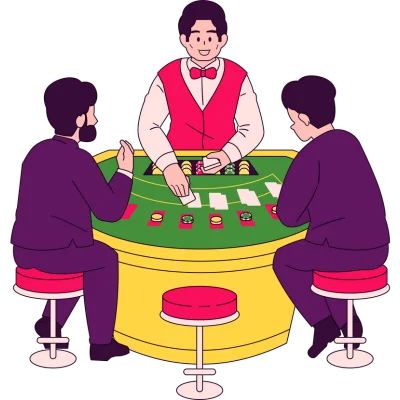
Setting Up the Space
Creating the perfect layout for your casino-themed party is key to making sure your guests have a great time. Here are some tips for arranging tables and gaming areas:
- Designate Different Zones: Divide your space into distinct zones for different activities. For example, you can have separate areas for card games like poker and blackjack, a roulette wheel, and a bar or snack area. This helps in organizing the flow and makes it easier for guests to find their way around.
- Table Arrangement: Place gaming tables in a way that allows for easy access and movement. Position them along the perimeter of the room, leaving the center open for mingling and other activities. Make sure there is enough space between tables for guests to move comfortably without crowding.
- Seating: Provide adequate seating around each gaming table. Comfortable chairs are a must, as guests might spend a lot of time at these tables. Think about higher stools for a bar area and lower chairs for card games.
- Decoration: Use themed decorations to enhance the casino vibe. Items like playing cards, dice, and themed tablecloths can add to the atmosphere. Make sure decorations do not obstruct movement or the gaming experience.

Accessibility: Easy Movement for Guests
Making it easy for your guests to move around is also important for the comfort and flow of your party. Here’s how to do it:
- Clear Pathways: Make sure there are clear pathways for guests to move around without bumping into furniture or each other. Avoid placing obstacles in high-traffic areas, and make sure that doorways and exits are easily accessible.
- Wheelchair Accessibility: If you have guests who use wheelchairs, make sure that tables are at the appropriate height and that there is enough space for wheelchairs to maneuver around the gaming areas.
- Signage: Use clear signage to direct guests to different areas, such as the restrooms, gaming tables, and bar. This helps in reducing confusion and keeps the flow of movement steady.
- Lighting: Adequate lighting is necessary for both gameplay and safety. Make sure that pathways and main areas are well-lit, but avoid overly harsh lighting that can take away from the vibe.
Decorations and Vibe
Turning the space you’ve chosen into a casino with the right decorations really does set the mood—the right vibe will get your guests in a headspace to play!
Theme and Color Scheme
You might think that creating a cohesive theme and color scheme isn’t important for your casino night, but you’d be mistaken.

Classic Casino Colors
Use classic casino colors like red, black, gold, and green—these colors are instantly recognizable and help create the right atmosphere.
- Red and Black: These colors are bold and dramatic, great for creating a high-energy environment. Use them for tablecloths, balloons, and streamers.
- Gold and Green: Gold adds a pop of luxury, while green reminds everyone of poker tables and the casino floor. Use these colors for accents and additional decor.
Incorporating Themes
Choosing a specific theme can make your casino night even better—here are a few solid ideas:
- Las Vegas: Bring the glitz and glamour of Vegas to your party with neon signs, replica slot machines, and a “Viva Las Vegas” sign. Go big and flashy with your decor.
- Monte Carlo: For a more elegant feel, go with a Monte Carlo theme. Think sophisticated decorations, crystal chandeliers, and a touch of old-world charm.
- Poker Night: Focus on poker with themed decorations like giant playing cards, poker chips, and green felt tablecloths.
Decorative Elements
Adding some great decorative elements can make your space feel like an actual casino!

Table Settings
For a true casino feel, start with your tables. Use casino-style tablecloths in classic colors like red, black, and green. Scatter playing cards and poker chips around the tables to add an extra touch. These small details will make your guests feel like they’re in a real casino.

Lighting
Lighting plays a huge role in setting the mood. Use a combination of dim, ambient lighting and spotlights to create a dramatic atmosphere. String lights or LED strips in red and white can add to the excitement and make the space look festive.

Props and Signage
Level up your theme game with fun props and signage. Custom signs, such as “Welcome to Las Vegas,” or ones that direct guests to different game stations, add a great touch and make the environment so much more engaging. These elements not only serve as great decor but also serve as a guide for your guests throughout the event.
Casino Games and Entertainment
A great casino-themed party revolves around exciting games and engaging entertainment. Here’s how to choose the right games and set up your party for a night full of fun.
Picking the Games
Choosing the right games is absolutely necessary for creating a real-feeling casino experience. Here are the most popular choices:
- Poker: Texas Hold’em is a favorite due to its popularity and the strategic depth it offers. Other variations like Omaha and Seven-Card Stud can also add variety.
- Blackjack: Known as Twenty-One, this game is easy to learn and always a hit at parties. The objective is to beat the dealer without exceeding 21 points.
- Roulette: This classic game adds excitement with its spinning wheel and variety of betting options. It’s simple enough for beginners and still fun for the more experienced players.
- Craps: This dice game is great for creating an energetic atmosphere. It’s particularly fun with a crowd cheering on the roll of the dice.
- Slot Machines: These can be rented from party supply stores for your casino night—who doesn’t love slots?
Renting Equipment
For a professional feel, you can rent casino tables and accessories. Professional-grade equipment like poker tables, roulette wheels, and slot machines is available via party supply companies.

DIY Options
If you’re on a budget or prefer a more hands-on approach, setting up homemade game stations can be a fun and creative alternative. Here are some ideas:
- DIY Poker Tables: Use green felt and standard tables to create makeshift poker tables. You can find inexpensive poker chip sets and playing cards online or at local stores.
- Homemade Roulette: Purchase a roulette set or create a simple board with a spinning element and a ball.
- Craps and Blackjack: Print out game rules and create makeshift tables using household items. Use tape or markers to design the layout of the games on any flat surface.
Hiring Dealers
Hiring professional dealers for your casino-themed party is the best move, in our opinion—it makes it feel real to your guests. Here are some of the best benefits of keeping it profesh:
- Expertise and Knowledge: Professional dealers are well-versed in the rules and nuances of various casino games, meaning smooth and fair play. They can handle multiple games, from poker to blackjack and roulette, without missing a beat.
- Authentic Atmosphere: Professional dealers bring a feeling of authenticity to your event. Their presence can make guests feel like they are in a real casino, which is the entire point.
- Stress-Free Hosting: By hiring professionals, you can focus on enjoying the party and mingling with your guests instead of stressing out over managing the games. Dealers take care of setting up, running the games, and explaining the rules to guests.
- Efficiency and Organization: Experienced dealers guarantee that games run efficiently and that all guests get a chance to play. They can handle high volumes of players and keep the action moving.

Friends as Dealers: Tips for Training and Organizing
If hiring professional dealers is outside your budget, enlisting friends as dealers can be a fun and cost-effective alternative. Here are tips for training and organizing your friends to take on this role:
- Choose the Right People: Pick friends who are comfortable with basic math and have a good understanding of the games they will be dealing. It’s also helpful if they are outgoing and personable, as they will be interacting with your guests throughout the night.
- Provide Training: Hold a training session before the party to go over the rules and procedures of each game. You can find online tutorials or instructional videos to help explain the basics of dealing. Practice sessions will help your friends feel more confident and prepped.
- Create Cheat Sheets: Make cheat sheets or quick reference guides for each game. These should include the basic rules, common scenarios, and payout structures. Having these on hand will help your friends manage the games more effectively and answer any questions from guests.
- Assign Specific Roles: Clearly assign each friend to a specific game or task. This will prevent confusion and make sure that all areas are covered. Rotate roles periodically to keep everyone interested.
- Set Up the Space: Make sure each gaming station is well-organized and equipped with all necessary items, like cards, chips, and dice. Label each station with the game name and basic instructions to help guide guests.
Entertainment Options
Setting the mood for your casino-themed party with the right entertainment can make all the difference!

Live Music, DJs, or Curated Playlist
The soundtrack of your party sets the tone and keeps the energy up, so here is how you can narrow down the best option for your event:
- Live Music: Hiring a live band can add a dynamic element to your party—a jazz band for a classic casino feel or a cover band that can play a variety of popular hits are good options. Live music creates a great atmosphere and gives your guests something to enjoy between games.
- DJs: A DJ will keep the music going seamlessly throughout the night. They can adapt the playlist on the fly, taking requests and reading the room to keep the right vibe. DJs are also great for incorporating different music genres and keeping the energy high.
- Curated Playlist: If you’re on a budget, a well-curated playlist can be just as effective. Make a mix of upbeat and classic casino tunes, like those from Frank Sinatra and Dean Martin, and modern hits. Platforms like Spotify or Apple Music have pre-made playlists that can fit your theme.

Performers
The addition of live performers to your entertainment lineup will elevate the theme and keep your guests in a Vegas state of mind.
- Magicians: A magician can wander around performing close-up magic tricks, which is a great icebreaker and keeps the atmosphere lively. Whether it’s card tricks or mind-reading, a skilled magician adds an element of surprise and fun.
- Showgirls: For a touch of Las Vegas glamour, hire showgirls to greet guests at the entrance or perform dance routines throughout the evening. Their sparkly costumes and routines add a festive, real casino feel to your party.
- Impersonators: Bring the spirit of Vegas legends to your event with impersonators! Elvis Presley, Marilyn Monroe, or Frank Sinatra look-alikes can perform classic hits and interact with guests—and photo ops with a nice nostalgic touch.
Food and Drinks
No casino-themed party is complete without a fantastic spread of food and drinks—the right menu not only satisfies your guests’ appetites but also adds to the entire experience.
Themed Menu
Building a menu that ties into your casino theme can make your party downright delicious. Here’s how to plan appetizers, main courses, and desserts that keep your guests’ palates sated.

Appetizers and Snacks
Finger foods are the thing for a casino-themed party because they’re super easy to eat while playing games.
- Shrimp Cocktail: A classic appetizer that’s both elegant and easy to handle. Serve them in small cocktail glasses for a stylish presentation.
- Meatballs: Mini turkey or beef meatballs are a hit and can be served with various dipping sauces.
- Cheese and Crackers: Offer a variety of cheeses with crackers, topped with items like smoked salmon or cucumber, making it easy for guests to grab and gamble.
- Pretzel Sticks and Dried Beef: Simple, protein-rich snacks like jerky and pretzel sticks keep your guests energized without interrupting the gameplay.

Main Courses
When it comes to main courses, you can choose between buffet-style service or plated dinners, depending on the formality and the size of your party.
- Buffet Style: Buffets are good for larger gatherings and allow guests to help themselves at their convenience. Maybe a gourmet buffet with items like lobster cheese puffs, stuffed mushrooms, and mini turkey meatballs. A seafood buffet featuring shrimp cocktails, crab cakes, and lobster thermidor will get mouths watering, but it’s more budget-intensive.
- Plated Dinners: If you prefer a sit-down meal, serve classic dishes like fish and chips or prime rib. These dishes are filling and can be presented elegantly to wow your guests.

Dessert Ideas
Top off your casino-themed menu with some fun and delicious desserts!
- Casino-Themed Cupcakes: Decorate cupcakes with playing card symbols or poker chips made from fondant to keep the theme consistent.
- Chocolate-Covered Strawberries: Always a crowd-pleaser, these are easy to make and loom fancy on your dessert table.
- Dice Brownies: Cut brownies into cubes and decorate them with white icing dots to resemble dice. These are both tasty and adorable.
- Mini Cheesecakes: Bite-sized cheesecakes are easy to eat and can be topped with a variety of fruits for added flavor and decoration.

Beverage Options
Your guests will no doubt work up a thirst, and a custom drink menu with signature cocktails will impress your guests! Here are our fav ideas:
- Blackjack Martini: A classic martini with a twist, using vodka, blackberry liqueur, and a splash of cranberry juice. Garnish with a fresh blackberry.
- Roulette Red: Mix vodka, grenadine, and a splash of soda for a vibrant red cocktail. Serve in a highball glass with a cherry garnish.
- Casino Royale: A fancier drink made with gin, maraschino liqueur, fresh lemon juice, and orange bitters. Shake well and serve in a coupe glass with a lemon twist.

Mocktails: Non-Alcoholic Options for Guests
Offering mocktails makes sure all your guests have delicious drinks, regardless of whether they consume alcohol. Here are some refreshing mocktail ideas:
- Virgin Mojito: Mix fresh mint leaves, lime juice, and a splash of soda water. Serve over ice with a mint sprig garnish.
- Shirley Temple: Combine ginger ale with a splash of grenadine, served over ice and garnished with a cherry and orange slice.
- Sparkling Citrus Punch: Blend orange juice, lemonade, and sparkling water. Add slices of lemon and lime for a zesty, refreshing drink.
Bar Setup: Stocking and Organizing for Efficiency
An efficient bar setup guarantees that drink service keeps flowing and guests don’t have to wait long for their beverages. Here’s how to organize your bar:

Stocking the Bar
- Essential Liquors: Stock up on vodka, gin, rum, tequila, and whiskey to cover a host of cocktails.
- Mixers: Have plenty of soda, tonic water, fruit juices (like orange, cranberry, and pineapple), and other common mixers.
- Garnishes: Prepare garnishes like lemon and lime wedges, cherries, olives, and fresh herbs such as mint and rosemary.

Organizing the Bar
- Designated Stations: Create separate stations for different types of drinks, such as cocktails, mocktails, and a beer/wine area. This prevents congestion and speeds up service.
- Tools and Glassware: Ensure you have enough cocktail shakers, strainers, jiggers, and various types of glassware (martini glasses, highball glasses, and wine glasses). Place these tools within easy reach for quick access.
- Easy Access: Keep commonly used ingredients and tools within arm’s reach of the bartender. Store backup supplies nearby but out of the immediate work area to prevent clutter.
Dress Code and Attire
Instituting a dress code for your casino-themed party will make your event feel special and immersive. Want to guide your guests on what to wear? Read on!

Theme-Specific Dress Code
For the most traditional casino vibe, encourage your guests to dress in formal attire. Here are some suggestions:
- Men: Tuxedos, dark suits, or black-tie outfits. A crisp white shirt, a bow tie, and polished dress shoes complete the look. Accessories like cufflinks and pocket squares add a dash of sophistication.
- Women: Cocktail dresses, evening gowns, or vintage styles. Think of elegant fabrics like silk and velvet in colors like black, red, or gold. Statement jewelry and stylish heels will elevate the classic look.

Fun and Casual
If you want a more relaxed, chill atmosphere, a casual dress code can work, too:
- Men: Dress shirts with dark jeans or chinos, paired with loafers or dress shoes. A blazer can add a touch of formality without being too stiff.
- Women: Casual dresses, skirts, or stylish pants with a nice top. Comfortable yet cute footwear like flats or low heels are perfect for being on your feet and dancing.
Accessories and Props
Offering your guests themed accessories can increase the fun!

Providing Props
Give your guests a few fun accessories to wear throughout the evening, like the following:
- Hats: Fedoras or vintage-style hats can be a hit, especially for a roaring 20s theme.
- Feather Boas: These are playful and festive with any outfit.
- Other Accessories: Think about providing fake mustaches, oversized sunglasses, or themed jewelry.

Photo Booth Setup
Photo booths are always a hit at any party, so get on and encourage your guests to document the memories of the night!
- Props: Stock the booth with a variety of props, including oversized playing cards, dice, and signs with fun casino-themed sayings.
- Backdrop: Create a backdrop that fits your theme. Ideas include a Las Vegas sign, a red carpet look, or a wall covered in playing cards and casino chips.
- Instant Photos: If possible, provide a way for guests to print their photos on the spot. This gives guests a tactile souvenir to take home.
Activities and Extras
To make your casino-themed party truly unforgettable, you can incorporate non-gambling activities and extras that will keep your guests entertained throughout the night!
Raffles and Prizes
Running a raffle can be a great way to add excitement and give guests something to look forward to. Here’s how to run a successful raffle:
- Ticket Sales: Decide whether you’ll give out raffle tickets for free, include them as part of an entry fee, or sell them separately during the event. Make sure everyone knows how they can get tickets.
- Prize Display: Display the prizes prominently so guests can see what they could win. This builds anticipation and encourages participation.
- Drawing the Winners: Schedule a time for the raffle drawing and announce it in advance. This means that everyone will be present and paying attention when the winners are drawn.
- Announcing Winners: Use a microphone or loudspeaker to announce the winners.

Prize Ideas
Picking the right prizes can make your raffle even more enticing for guests, so here are a few ideas:
- Casino-Themed Gifts: Items like poker sets, personalized playing cards, or custom dice are sure to be a hit with guests.
- Experiences: Consider offering things like a night out at a local casino, tickets to a show, or a dinner at a fancy restaurant.
- Novelty Items: Fun items like oversized sunglasses, feather boas, or themed decorations will add a playful element to the prizes.
Photo Opportunities
Photo ops are a great way to enhance your event and give guests something to share on social media.

Backdrops and Props
Set up IG-worthy photo spots to encourage guests to take and share pictures on their socials:
- Step and Repeat: Create a backdrop with a repeating pattern of your event logo or theme. This gives a red carpet feel and makes for professional-looking photos.
- Red Carpet: Lay out a red carpet leading up to your photo area. Combine this with velvet ropes and stanchions for a VIP experience.

Hiring a Photographer
Think about hiring a professional photographer to capture high-quality images of your event if it’s in your party budget:
- Professional Quality: A professional photographer will have the skills and equipment to take sharp, well-lit photos that your guests will love.
- Capturing Moments: They can capture candid moments and posed shots for a comprehensive collection of memories from the event.
- Instant Prints: Some photographers offer instant print services, giving guests a tangible keepsake they can take home at the end of the night.

Themed Entertainment
Want even more action at your casino-themed party? How about the following interactive entertainment options for your guests?
- Tarot Readings: Set up a mystical corner with a tarot reader. Guests can have their fortunes told, and it’s a great way to add an air of mystery to the evening.
- Caricature Artists: Hire a caricature artist to give your guests fun, personalized keepsakes. These quick, hilarious portraits are always a hit and give guests something to take home.
- Fortune Tellers: A fortune teller can give palm readings, gaze into a crystal ball, or use whatever other mystical methods to entertain the guests.

Special Performances
- Dance Shows: Hire a dance troupe to perform themed routines. Options like 1920s flapper dances, modern casino-style choreography, or even burlesque shows keep guests entertained.
- Live Bands: A live band can set the perfect tone for your event. Whether you go for jazz, swing, or modern covers, live music is great for both background ambiance and dancing.
- Comedians: Bring in a comedian to add some chuckles to your night. A well-chosen comedian can tailor their act to your audience and theme, providing a fun break in the gambling festivities.
Planning the Perfect Flow
A well-planned flow is crucial for making sure your casino-themed party is a hit from start to finish. With the right timeline and schedule, you can keep your guests entertained all night!
Timeline and Schedule
Making (and sticking to) a detailed itinerary will keep your party on track and make sure all the events you have planned happen right on time.

Creating an Itinerary
The times below are simply suggestions—feel free to adjust them to fit when you want to start and end the party!
- Arrival and Welcome (8:00 PM – 8:30 PM): When guests arrive, offer them a signature cocktail or mocktail and give them some time to mingle and explore the venue.
- Opening Games (8:30 PM – 10:00 PM): Kick off the evening with the first round of casino games. Make sure all tables are staffed and ready, and encourage guests to try out different games. You can also serve the apps and more cocktails!
- First Performance (10:00 PM – 10:30 PM): Introduce a special performance if you’ve booked one to provide a break from the gaming tables. Now is a good time to serve dinner or open the buffet.
- Main Gaming Session (10:30 PM – 12:00 AM): Resume the casino games.
- Interactive Experiences (8:30 PM – 12:00 AM): Throughout the evening, have tarot readings, caricature artists, and fortune tellers available for guests to enjoy at their leisure.
- Raffle Draw (12:00 AM – 12:15 AM): Do the raffle draw and announce the winners.
- Closing Performance (12:15 AM – 12:45 AM): End with a bang by having a final special performance, like a comedian or a live band set.
- Finale and Farewell (12:45 AM – 1:00 AM): Thank your guests for coming and seeing them out.

Pacing the Party
Keeping a good pace means that guests are always engaged but don’t feel rushed or overwhelmed.
- Balance Activities: Alternate between activities like gaming and performances and more relaxed periods like socializing and interactive experiences.
- Transition Smoothly: Use music or brief announcements to transition between different parts of the evening. This keeps the guests informed.
- Allow Flexibility: While having a schedule is important, be flexible enough to adjust based on the mood and flow of the party.
Hosting Tips
- Personal Interaction: Make an effort to greet and interact with all your guests personally. This makes them feel welcome and appreciated.
- Encourage Participation: Gently encourage guests to participate in games and activities. Sometimes, people just need a slight nudge to get involved.
- Spotlight Guests: Occasionally highlight guest participation, like announcing winners at the gaming tables.

Problem-Solving
- Stay Calm: If any issues or problems pop up, stay calm and handle them discreetly. Whether it’s a technical issue with the entertainment or a guest who needs help, a composed host should be able to manage most situations.
- Have a Backup Plan: Always have a backup plan for the big elements of your party. For example, have extra chairs available if seating runs short or an extra set of game supplies in case of unexpected demand.
- Delegate: Don’t try to do everything yourself! Delegate tasks to trusted friends or hire staff to help with different aspects of the event. This allows you to focus on the party so everyone—including you—has a good time!
Wrapping it All Up
Throwing a casino-themed party is such a blast. With the right planning and attention to detail, you can create an event that will be just like a night in Vegas (only there won’t be any real money). But it’ll still be so much fun!

Here’s a quick recap on how to plan your own casino-themed party:
- Set the Date and Budget: Choose a suitable date and determine your budget.
- Send Invitations: Create and send out themed invitations well in advance.
- Select the Venue: Decide whether to host at home or rent a space.
- Plan the Menu: Prepare a variety of appetizers, main courses, and desserts, along with a selection of drinks.
- Organize the Entertainment: Arrange for casino games, interactive experiences, and special performances.
- Decorate the Space: Use themed decorations and props to create the right atmosphere.
- Plan the Timeline: Create a detailed itinerary to keep the event flowing smoothly.
- Engage Guests: Use hosting tips to keep everyone entertained and involved.
- Prepare for Issues: Have a backup plan and handle any problems calmly.

Final Thoughts
Nailing the details is what makes a casino-themed party really special—thoughtful preparation and attention to the little details will transport your guests to a night at the casino. And the more effort you put into planning, the better your event will go, which means more fun for everyone.
Now that you have all the tips and tricks, it’s time to start planning your very own casino-themed party! Get creative, have fun with it, and share your experiences with us and other casino-goers. Your perfect casino night could be right around the corner.
The History of Poker: From the Saloon to the Internet
Poker isn’t just a game, and how dare you refer to it that way! It’s a cultural phenomenon. Did you know that poker is so popular that the World Series of Poker (WSOP) brings in players from over 100 countries—all competing for millions in prize money? This iconic game, which started out in the smoke-filled saloons of the Old Wild West, has turned into a cultural juggernaut.
Poker’s evolution from its rough-and-tumble origins to the chic, high-stakes online tournaments of today is filled with interesting twists and turns. To trace this amazing evolution, we’re going to explore just how poker changed from a way cowboys and ne’er do well’s passed the time to a respectable and sophisticated game that entertains millions around the world!
Understanding poker’s storied history is anything but a boring examination of the past—the changing of strategies, cultures, and, of course, technology have all played a part and made the game into what it is today. How did such a simple card game become a worldwide obsession? Let’s shuffle up the deck and deal!
Early Origins of Poker
Poker’s rich history includes bits and pieces picked up from ancient and regional card games—it made its way from the ancient courts of Persia to the bustling riverboats of 19th-century America via cultural exchange and adaptation.

Ancient Precursors
- As-Nas: The Persian game As-Nas, dating all the way back to the 16th century, is cited as one of the earliest ancestors of poker. This game was played with a 20-card deck featuring five suits, and it required players to bet on the strength of their hands. As-Nas incorporated elements of bluffing and strategic deception, which are central to poker. The gameplay involved a series of betting rounds, and players had to assess their opponents’ strategies and potential hands, much like in modern poker.
- Poque and Pochen: In Europe, the card games Poque and Pochen emerged in the 17th century, evolving from the 16th-century Spanish game Primero. Primero, often referred to as poker’s mother, featured three cards dealt to each player and included bluffing as a key component. Poque, popular in France, and Pochen, its German counterpart, both retained these elements and added unique rules that contributed to the development of poker. French colonists brought Poque to North America, where it began to change into the game we recognize today.

Introduction to America
Poker arrived on American shores in the 19th century, forever changing the gambling world.
- New Orleans: The port city of New Orleans played a pivotal role in poker’s introduction to America. French settlers in the region brought Poque with them, and it quickly became a popular pastime in the vibrant and diverse cultural melting pot of New Orleans. The city’s strategic location as a major port facilitated the spread of poker, as traders, sailors, and immigrants adopted and adapted the game.
- Riverboat Gambling: Poker’s journey up the Mississippi River is a monumental chapter in its American story. Riverboat gambling was a popular activity in the 19th century, and poker became a staple game on these floating casinos. The game found a captive audience among the riverboat crews and passengers, who sought entertainment during long, boring voyages. Poker’s appeal lay in its mix of skill, strategy, and chance, which made it an exciting and accessible game for gamblers of all backgrounds.
The popularity of poker on riverboats contributed to its rapid spread throughout the United States—as riverboats traveled between cities, they carried the allure and fun of poker with them. This period also saw the transformation of poker from a 20-card game to the 52-card deck version we know today, allowing for more complex gameplay and betting strategies.

Importance of Understanding Poker’s History
The history of poker is not just an academic exercise; it betters our understanding and appreciation of the game! The evolution of poker from ancient card games to a global phenomenon reflects broader historical trends and cultural exchanges. Each phase of poker’s development highlights the ingenuity and adaptability of human societies.
For poker enthusiasts, exploring its origins offers a deeper connection to the game. Understanding the historical context of poker’s rules and strategies provides valuable insights into its enduring appeal. Whether played in old-timey saloons, on luxurious riverboats, or in modern online tournaments, poker is still a captivating pursuit that keeps challenging and entertaining players everywhere.
Poker in the Wild West
Poker, a game deeply intertwined with the lore of the Wild West, played a central role in the social and cultural fabric of frontier life. From the iconic saloons where fortunes were made and lost to the legendary figures who became synonymous with the game, poker’s history in the Wild West is actually a fascinating piece of history.

Saloon Games
When you think of saloons, do you picture those swinging doors that aren’t really doors? We do! And in the Wild West, some pretty interesting characters burst through those half-doors, as they were the epicenters of social life and gambling. Famous spots like the Bird Cage Theatre in Tombstone, Arizona, and the saloons of Deadwood, South Dakota, were notorious for their high-stakes poker games.
These places were more than just watering holes; they were places where miners, cowboys, and gamblers congregated to try their luck and skill. The Bird Cage Theatre hosted what is reputed to be the longest-running poker game in history, lasting eight years with a pot that got up to tens of thousands of dollars.

Popular Variations
The most popular poker variations in the Wild West were Five-Card Draw and Stud Poker. Five-Card Draw was favored for its simplicity and strategic depth, where players received five cards and had the chance to improve their hand by drawing new cards. Stud Poker, particularly Seven-Card Stud, became widely played as it allowed for more betting rounds and strategic play. These games were adaptable to the varying rules and preferences of different saloons, contributing to their popularity.

Notable Figures and Famous Players
Several legendary figures of the Wild West were also renowned poker players. Wild Bill Hickok is perhaps the most famous, immortalized for holding the “Dead Man’s Hand” (aces and eights) when he was shot and killed during a poker game in Deadwood.
Doc Holliday (yes, that “I’m your Huckleberry” Doc Holliday from the movie Tombstone), another iconic figure, was not only a dentist (what??) and gunfighter but also a formidable poker player. He famously allied with Wyatt Earp, a fellow gambler and lawman, during the Gunfight at the O.K. Corral. Other notable players included Bat Masterson, who managed to balance his life as a lawman and a gambler, and Poker Alice, one of the only prominent female gamblers, who was known for her sassy wit and big wins.
Stories and Legends
The Wild West is replete with tales of high-stakes poker games and infamous duels. One of the most enduring legends is that of the “Dead Man’s Hand,” which was associated with Wild Bill Hickok’s final game. Hickok was holding two pairs, aces and eights when he was shot in the back of the head by Jack McCall. This hand has since become a symbol of bad luck and treachery in poker lore.
Doc Holliday’s life is filled with dramatic stories, including his role in the O.K. Corral shootout. Known for his sharp tongue and quicker draw, Holliday’s encounters usually ended in violence, but his rep as a skilled poker player remains a big part of his legacy.
Another colorful character, Poker Alice, defied the societal norms of her time by not only playing poker professionally but also dealing cards in Deadwood. She claimed to have won over $250,000 during her career, a pretty big fortune in those days.
The stories of these figures highlight the dual nature of poker in the Wild West: it was both a game of leisure and a literally deadly serious pursuit where you could not only lose your money, but your life over a hand of cards.
The Evolution of Poker Variants
Let’s talk about the evolution of poker variants! Different forms have emerged over the centuries—all rising to prominence at different times, showing the game’s adaptability and staying power. Here’s a look at the development of three major poker variants: Five-Card Draw, Seven-Card Stud, and Texas Hold’em.

Five-Card Draw
Five-Card Draw is considered the simplest form of poker, making it a popular choice for beginners. Each player is dealt five cards face down. The game starts with an initial round of betting, followed by a draw phase where players can discard and replace up to three cards in an attempt to improve their hands. This is followed by a final round of betting and a showdown if more than one player remains. The player with the best five-card hand wins the pot. Five-card draw was the dominant form of poker in the 19th century, particularly because of its straightforward gameplay. The simplicity and the need for only a deck of cards made it accessible and easy to set up in various settings, from homes to saloons.
Cultural Impact
Five-Card Draw has been depicted extensively in literature and films, reinforcing its iconic status in popular culture. Classic Western movies often feature tense poker games that involve dramatic bluffs and high-stakes showdowns, capturing the adventurous spirit of the Old West. This variant’s portrayal in the media has helped cement poker’s image as a game of courage and strategy.

Seven-Card Stud
Seven-Card Stud rose to popularity in the early 20th century, particularly in the eastern United States. Unlike Five-Card Draw, where all cards are dealt face down, Seven-Card Stud involves a combination of face-up and face-down cards, allowing for more strategic play. Every player is dealt the same hand–two cards face down and one card face up–followed by rounds of betting. This process repeats until each player has a total of seven cards (three face down and four face up), with a final round of betting before the showdown.
Gameplay
In Seven-Card Stud, the objective is to make the best five-card hand out of the seven cards dealt. The game requires careful observation of opponents’ face-up cards and strategic betting based on the potential hands they could form. This variant does not use community cards, so each player’s strategy must be tailored to their unique set of cards and the visible cards of their opponents.
Key Strategies
Successful Seven-Card Stud players need to be adept at reading their opponents and remembering the exposed cards. Strategic folding, betting, and bluffing are crucial, as players must decide when to bet aggressively or fold based on the strength of their hands and the potential hands of their competitors.

Texas Hold’em
Texas Hold’em’s exact origins are a little murky, but it is widely believed to have been developed in Robstown, Texas, in the early 20th century. The game gained popularity when it was introduced to Las Vegas by a group of Texas gamblers in the late 1960s. The game’s simple yet strategic nature made it a hit in the casinos, setting the stage for its rise to prominence.
Rise to Prominence
Several key events contributed to Texas Hold’em becoming the most popular poker variant. The introduction of the World Series of Poker (WSOP) in 1970, with Texas Hold’em as its main event, significantly boosted the game’s visibility. The advent of online poker in the late 1990s and early 2000s further fueled its growth, making the game accessible to a global audience. Televised poker, featuring hole-card cameras that allowed viewers to see players’ hidden cards, added a dramatic and educational dimension to the game, attracting even more fans.
Gameplay
In Texas Hold’em, each player is dealt two private cards (hole cards), and five community cards are dealt face up in the center of the table. Players use these seven cards to make the best possible five-card hand. The game includes multiple betting rounds: pre-flop, flop, turn, and river. This structure allows for deep strategic play, as players have to decide when to bet, fold, or bluff based on their hand strength and the potential hands of their opponents.
Key Strategies
Key strategies in Texas Hold’em include understanding hand probabilities, reading opponents, and managing betting patterns. Position is also crucial; players in later positions get the advantage of seeing how their opponents will act before making their own decisions. Bluffing and semi-bluffing are integral parts of the game, allowing players to win pots even when they do not have the best hand!
Poker in the 20th Century
Poker’s journey through the 20th century was marked by legalization, media influence, and tournaments that have molded the game we know and love today.
Casino Poker
The pivotal moment for poker in the 20th century came on March 19, 1931, when Nevada legalized gambling, a decision that was largely driven by the economic hardships of the Great Depression. With the state’s mining industry in decline, Nevada’s legislature sought new revenue sources. Assembly Bill 98 was passed, allowing for wide-open gambling, which quickly led to the establishment of legal casinos in Las Vegas and Reno.
The legalization of gambling transformed Las Vegas into a gambling haven. The first major casino, El Rancho Vegas, opened in 1941 on what would become the Las Vegas Strip. This was followed by the establishment of other iconic casinos like the Flamingo, which was heavily funded by mobster Benjamin “Bugsy” Siegel. The post-World War II boom, fueled by the construction of the Hoover Dam and the influx of workers, helped Las Vegas boom as a major entertainment and gambling destination.
In 1978, New Jersey followed suit by legalizing gambling but restricted it to Atlantic City. The first casino, Resorts International, opened in May 1978. This move aimed to revitalize the economically struggling Atlantic City, and it quickly became a major gambling hub on the East Coast. By the late 1970s and early 1980s, both Las Vegas and Atlantic City had firmly established themselves as the premier gambling destinations in the United States.

Television and Media Influence
The introduction of televised poker revolutionized the game’s popularity. One of the earliest televised poker events was the World Series of Poker (WSOP), which began airing in the 1970s. These broadcasts allowed viewers to see the players’ cards via hole-card cameras, making it easier for audiences to follow the action and understand the strategies involved. This innovation made poker more accessible and exciting to a much bigger audience.

The World Series of Poker (WSOP)
The WSOP, founded by Benny Binion in 1970, played a crucial role in popularizing poker. Held at Binion’s Horseshoe Casino in Las Vegas, the WSOP started as a small gathering of the best poker players but quickly grew into a massive tournament with thousands of participants. The WSOP’s main event, a No-Limit Texas Hold’em tournament, became the most prestigious poker competition in the world. The dramatic moments and personalities showcased in these tournaments captivated audiences and helped elevate poker’s status.

Famous Tournaments and Moments
Several key events in poker history have captivated audiences and contributed to the game’s rise in popularity. One notable moment was the 1972 WSOP, where amateur player and road gambler “Amarillo Slim” Preston won the main event. His charismatic personality and media savvy brought significant attention to the WSOP and poker in general.
Another landmark event was the 2003 WSOP, where Chris Moneymaker, an amateur who qualified through an online satellite tournament, won the main event. Moneymaker’s victory demonstrated that anyone could win at poker, sparking the “Moneymaker Effect” and a subsequent boom in both live and online poker participation. This event highlighted the democratizing effect of online poker and brought millions of new players into the game.
The 1990s and early 2000s also saw the rise of televised poker shows such as the World Poker Tour (WPT), which further enhanced poker’s appeal. These broadcasts not only showcased high-stakes action but also introduced viewers to the personalities and strategies of top players, making poker a mainstream entertainment phenomenon.
The 20th century was a transformative period for poker, marked by the legalization of casino gambling, the rise of iconic gambling cities like Las Vegas and Atlantic City, and the advent of televised poker. These developments, combined with key tournaments and moments that captured the public’s imagination, have cemented poker’s place as a major global pastime.
The Online Poker Revolution
Poker’s transition to the online world has been nothing short of amazing and one of the most transformative events in the game’s history. This shift has brought about so many new opportunities, technological advancements, and a massive increase in player participation. Let’s explore the evolution of online poker from its early days to the here and now!

Early Online Poker Sites
The first real money online poker game was dealt on January 1, 1998, on a casino platform called Planet Poker. This site, founded by poker professional Mike Caro, quickly became the go-to place for poker fans who wanted to play but didn’t want to hit the physical casino. However, the technology was rudimentary, and players usually experienced server crashes and technical difficulties.
Following Planet Poker’s lead, other platforms like Paradise Poker came on the scene in 1999, providing more stable software and a bigger variety of games, including Texas Hold’em, 7 Card Stud, and Omaha. Paradise Poker quickly overtook Planet Poker, setting the stage for the super competitive online poker market.

Growth and Adoption
The early 2000s saw a surge in the number of online poker platforms—PartyPoker and PokerStars launched in 2001, introducing aggressive marketing strategies and large-scale tournaments. These casino apps capitalized on the growing interest in poker and provided players with more reliable platforms and a better selection of games.

The Poker Boom
A pivotal moment in the online poker boom came in 2003, when Chris Moneymaker, an amateur player who qualified for the World Series of Poker (WSOP) through a $40 online satellite tournament, won the Main Event. His victory was publicized everywhere and showed that almost anyone could achieve poker greatness, which led to a massive influx of new players to online poker sites. This phenomenon, known as the “Moneymaker Effect,” boosted the popularity of online poker and led to a dramatic increase in both the number of players and the size of tournaments.

Exponential Growth
The Moneymaker Effect fueled exponential growth in online poker as the number of players surged and sites like PartyPoker and PokerStars experienced unprecedented traffic. Poker tournaments became more frequent and featured larger prize pools, attracting players from around the world. By 2005, an estimated 55 million Americans were participating in online poker, with 15 million playing for real money.

Technological Advancements
Technological advancements have come a long way and played a vital role in the evolution of online poker. Early platforms struggled with stability and user experience, but by the early 2000s, software had greatly improved. Sites like PokerStars and Full Tilt Poker introduced sophisticated interfaces, multi-table options, and advanced graphics that leveled up the player experience. The development of mobile poker apps further expanded the reach of online poker, allowing players to play anywhere, at any time.

Security and Fairness
Guaranteeing the integrity of online poker has always been a priority. Early platforms faced challenges with security and fairness, leading to scandals like the Ultimate Bet superuser scandal, where certain players could see opponents’ hole cards (cards that are dealt face down), resulting in big financial losses for a lot of players! In response to this scandal, poker sites implemented rigorous security measures, including advanced encryption, random number generators (RNGs) for fair card dealing, and comprehensive monitoring systems to detect and prevent cheating. Regulatory bodies and licensing authorities also emerged to oversee online poker operations and uphold standards of fairness and security.
Modern Poker Tournaments
Poker tournaments have definitely benefited from the advent of online platforms, creating a novel and accessible environment for players worldwide. This transformation has given rise to major online tournaments, distinct differences between live and online formats, and emerging trends fueled by technological advancements.

Major Online Tournaments
- WCOOP (World Championship of Online Poker):
- Established in 2002 by PokerStars, the World Championship of Online Poker (WCOOP) is the premier online poker tournament series. It aims to mirror the prestige of the World Series of Poker (WSOP) in the online realm. The 2023 edition of WCOOP featured a guaranteed prize pool of $80 million, with buy-ins ranging from $5.50 to $25,000. The series includes multiple events, culminating in three Main Events with varying buy-ins: $109, $1,050, and $10,300, offering guarantees of $2.5 million, $4 million, and $6 million, respectively.
- SCOOP (Spring Championship of Online Poker): Another big series by PokerStars, the Spring Championship of Online Poker (SCOOP), began in 2009. SCOOP stands out for its tiered buy-in structure, catering to low, medium, and high-stakes players. The 2024 SCOOP will feature 128 tournaments with a total guaranteed prize pool of $75 million. The Main Events alone promise substantial prizes, with guarantees of $2 million, $3.5 million, and $5 million across the different buy-in levels.
Other Major Tournaments
Besides WCOOP and SCOOP, some other online tournaments have gained prominence in the poker world. The Sunday Million, also hosted by PokerStars, is one of the largest weekly online tournaments, boasting prize pools exceeding $1 million. PartyPoker’s MILLIONS Online and the World Poker Tour (WPT) Online Championships are also notable, with massive prize pools attracting a global player base.

Live vs. Online Tournaments
Live and online poker tournaments differ a lot both in format and experience. Online tournaments are much more convenient—players can compete from anywhere with an internet connection. The pace of play is generally faster online due to automatic dealing and betting.
Conversely, live tournaments provide a tactile experience, with physical cards and chips and the opportunity for players to read their opponents’ physical tells. Live events also feature a more social atmosphere, often held in luxury locations with the added bonus of in-person interactions.

Player Experiences
Professional players often have strong opinions about the differences between live and online tournaments. Chris Moorman, a top tournament player, highlights the strategic adjustments needed for live play, such as being punctual to capitalize on weaker players’ early mistakes and paying close attention to opponents’ behaviors to gather valuable information and intel. Poker pro Daniel Negreanu notes the need for different skill sets, as live tournaments involve a slower pace and more interaction, while online play demands a stronger focus on statistical analysis and multi-tabling.

Emerging Trends
- Mobile Poker: The shift to mobile platforms has revolutionized online poker, making it more accessible than ever. Mobile apps allow players to participate in tournaments and cash games on the go, catering to the growing demand for convenience and flexibility. Apps like PokerStars Mobile and PPPoker have gained popularity, offering strong features and a seamless playing experience.
- Innovations: Technological advancements continue to shape the future of online poker. Virtual reality (VR) poker is an emerging trend, providing an immersive experience that closely mimics live play. Platforms like PokerStars VR offer a virtual environment where players can interact with each other in a 3D space, complete with customizable avatars and realistic settings. Other innovations include advanced security measures to guarantee fair play and the use of cryptocurrencies for transactions, improving both privacy and accessibility for players.
The Cultural Impact of Poker
Poker’s influence extends far beyond the felt of the table—it’s long been a fixture in pop culture, with its influence seen in movies, television, and everyday language. This impact extends to its recognition as a game of skill, where strategy and psychology play big roles, and the professional poker lifestyle is def a unique and sometimes glamorous career path!

Poker in Pop Culture
Poker has been prominently featured in so many movies and TV shows—the drama at a card table is synonymous with drama in La La Land. Here are a few iconic movies where poker has a starring role:
- Casino (1995): Directed by Martin Scorsese, this film showcases the high-stakes world of Las Vegas casinos. While not exclusively about poker, it highlights the broader gambling scene and includes intense poker moments, capturing the game’s strategic and high-risk nature.
- Molly’s Game (2017): Based on the true story of Molly Bloom, this film delves into the underground world of high-stakes poker games involving Hollywood celebrities, business moguls, and professional athletes. Jessica Chastain’s portrayal of Bloom offers a gripping look at the complexities and allure of running exclusive poker games.
- Casino Royale (2006): This James Bond film features one of the most memorable poker scenes in cinema. Bond’s high-stakes game against Le Chiffre is a masterclass in tension and strategy, bringing poker’s psychological battles to the forefront of the big screen.

Famous Quotes and Sayings
Poker terminology has permeated everyday language, illustrating its broad cultural influence. Phrases like “ace in the hole,” “calling a bluff,” and “going all-in” are commonly used in various contexts—and not just at the poker table. These expressions reflect poker’s strategic elements and have become metaphors for risk-taking and strategy in everyday life.

Poker as a Skill Game
Poker is widely recognized for its strategic depth and psychological intricacies—the game requires players to read opponents, manage their emotions, and make calculated decisions based on incomplete information. Pro player Daniel Negreanu highlights the importance of these skills, emphasizing that success in poker involves a mixture of statistical analysis and psychological insight.
Chris Moorman, another poker ace, advises players to pay close attention to opponents’ behaviors and betting patterns and then use this info to inform strategic decisions. These skills are a must-have for both live and online play, though the dynamics differ wildly between the two formats.

Professional Poker
The lifestyle of a pro poker player can be both glamorous and challenging. Pros like Negreanu and Moorman travel the world to compete in high-stakes tournaments, enjoying the spoils of big wins but also living with the stress of financial swings and the constant need to stay ahead of the competition.
Negreanu’s documentary, KidPoker, is a rare glimpse into the highs and lows of a poker career, from his early days in Toronto to his rise as one of the game’s biggest stars. His journey underscores the dedication and resilience required to win–and keep winning–at the highest levels of poker.
For most, the draw of poker lies in its blend of skill, strategy, and the possibility of big monetary rewards and accolades. The game’s cultural presence in movies and TV shows, coupled with its intellectual demands and the captivating stories of professional players, continues to boost poker’s status as a revered and novel pastime.
Concluding Summary
And there you have it—the complete history of poker from start to finish! It’s come a long way since its Persian origins and the Doc Holliday (who we still cannot get over was a dentist) saloon days to how we play today. Keep reading for a quick recap of all the things we explored!
Early Origins of Poker
- Ancient Precursors: Poker evolved from early games like As-Nas in Persia and Poque in France.
- Introduction to America: The game gained popularity in New Orleans and spread via riverboat gambling along the Mississippi River.
Poker in the Wild West
- Saloon Games: Poker became a staple in iconic Wild West saloons with popular variations like Stud Poker and Five-Card Draw.
- Notable Figures: Legendary players like Wild Bill Hickok and Doc Holliday contributed to poker’s mythos with high-stakes games and dramatic tales.
The Evolution of Poker Variants
- Five-Card Draw: Dominated the 19th century with simple rules and strategic depth.
- Seven-Card Stud: Gained popularity in the early 20th century, requiring careful observation and strategic play.
- Texas Hold’em: Rose to prominence in the late 20th century, becoming the most popular variant due to events like the WSOP and online poker boom.
Poker in the 20th Century
- Casino Poker: Legalization in Nevada and the spread of poker rooms in Las Vegas and Atlantic City boosted poker’s popularity.
- Television and Media Influence: Televised poker, particularly the WSOP, brought the game to a wider audience and fueled its growth.
The Online Poker Revolution
- Early Online Poker Sites: Pioneers like Planet Poker and Paradise Poker paved the way for the online poker boom.
- The Poker Boom: The 2003 WSOP victory by Chris Moneymaker significantly increased online poker participation.
- Technological Advancements: Improvements in software, security, and the rise of mobile poker expanded the game’s reach.
Modern Poker Tournaments
- Major Online Tournaments: Events like WCOOP and SCOOP attract global participants with large prize pools.
- Live vs. Online Tournaments: Differences in gameplay, social interaction, and strategic approaches distinguish the two formats.
- Emerging Trends: Mobile platforms and innovations like VR poker continue to evolve the game.
The Cultural Impact of Poker
- Poker in Pop Culture: Films like Casino and Molly’s Game and the widespread use of poker terminology reflect its cultural significance.
- Poker as a Skill Game: The strategic and psychological aspects of poker highlight its intellectual demands, with professional players exemplifying this lifestyle

Final Thoughts
Poker’s enduring appeal undoubtedly lies in its mix of skill, strategy, and psychological depth. From its early origins to its depiction in popular films and TV shows, poker enthralls players with its drama and how much the game has changed!
If this history lesson whets your appetite and you’re looking for more, you can explore the truly fascinating history of poker further! Whether you’re a poker pro or have never indulged before, learning about its past will make your appreciation for this timeless game grow. You can also engage with the poker community and find out about the strategic and social elements that make poker so fun.

Poker Timeline
Below is a visual representation of key events in poker history—from the 16th century to the present day, poker has been a constant in the gambling world!