
The Kelly Criterion: A Mathematician’s Approach to Sports Betting
Does it seem like the most successful bettors have some sort of knack for consistently increasing their profits? It does, doesn’t it? What you may not know is that there is a method they use—and it’s not a secret! It mostly comes down to smart money management and their strategy? The Kelly Criterion. It’s a mathematical formula that is designed to help bettors determine the best amount to wager based on the odds, which maximizes returns over the long term—and doesn’t risk too much money—or too little.
It was first introduced by John Kelly in 1956, and the Kelly Criterion has become a super popular tool in both the financial and betting circles. Want to know how it can work for you? We are gonna unpack how the formula works, its origins, and why some bettors absolutely swear by it. We’ll also go over the pros and cons so you can determine whether it’s that missing puzzle piece you’ve been searching for in your sports betting strategy!
What Is the Kelly Criterion?
The Kelly Criterion is basically a tool that helps bettors figure out how much to wager to get the most out of a bet without risking too much. It’s designed to hit a good balance between maximizing potential profit and minimizing the chances of going broke. By weighing the odds of winning against the possible payouts, you know how much of your bankroll you should bet safely.
Historical Background
It was first introduced by John L. Kelly Jr., a scientist at Bell Labs, in 1956. Kelly originally devised the formula to improve telecommunications signals, but it didn’t take long for people in finance to realize it also worked well for managing investments.

Transition
Eventually, the Kelly Criterion made its way into the sports betting world, where it became a really helpful and handy tool for bettors who want to make smarter, more calculated decisions when placing their bets!
The Formula Explained
Ok, don’t be nervous if you failed HS Algebra or hate all things math. The Kelly Criterion does look like a mouthful, but if you break it down, it’s not that scary. It just explains how much of your bankroll you should bet based on the odds and how confident you are in winning.
Breaking Down The Formula
The following is the formula:
f = (bp – q) / b*
Don’t let it intimidate you! It’s just a complicated-looking way of saying this:
- f*: How much of your bankroll to bet.
- b: The net odds (that’s the odds minus 1).
- p: Your estimated chance of winning.
- q: Your chance of losing (which is just 1 minus your chance of winning).
And below is what it means and how it’s applied to sports betting:
- f* is the percentage of your total bankroll the formula says you should bet. This is what we’re calculating.
- b is the net odds. For example, if the odds are 3.0, then the net odds are 2 (just subtract 1 from the odds).
- p is how sure you are that your bet will win, like saying, “I think there’s a 60% chance my team will win.”
- q is just the other side of that, your chance of losing, which is always 1 minus your chance of winning.
Next up? An example of the Kelly Criterion at work:
Say you’re betting on a game with odds of 2.5, and you think your team has a 60% chance of winning (so p = 0.60).
- The net odds (b) = 2.5 – 1 = 1.5
- p = 0.60 (your chance of winning)
- q = 1 – 0.60 = 0.40 (your chance of losing)
Then, you plug the numbers into the formula:
- f = (1.5 * 0.60 – 0.40) / 1.5*
- f = (0.90 – 0.40) / 1.5*
- f = 0.50 / 1.5 = 0.33*
What does it all mean? That you should bet 33% of your bankroll on this bet. The Kelly Criterion is saying, “You’re pretty confident, but don’t bet it all, just a healthy portion.” It helps you make sure you’re making the right-sized bet based on your confidence and the odds!
How the Kelly Criterion Applies to Sports Betting
The Kelly Criterion isn’t just some abstract formula—it’s a practical tool that can change the way you approach sports betting. By helping you decide exactly how much to bet and how to manage your bankroll, it brings a more calculated, less risky approach to placing bets. Here’s how it fits into the world of sports betting.
Figuring out how much to bet can feel like a guessing game. You don’t want to go all in and lose it all, but betting too small can feel like you’re not making the most of a good opportunity. That’s where the Kelly Criterion comes in. It gives you a specific percentage of your bankroll to bet, based on your confidence in the outcome and the odds. No more second-guessing yourself—it takes the emotion out of the decision and helps you make a smarter, more calculated wager. For example, if you’re really confident in a bet, the Kelly Criterion suggests you bet more, but never so much that a loss would hurt you too badly.
One of the hardest parts of betting is managing your bankroll. Bet too much, and a losing streak can wipe you out. Bet too little, and you might miss out on big opportunities. The Kelly Criterion helps you strike a balance by optimizing how much you should risk on each bet. It prevents you from betting too aggressively when the odds aren’t in your favor while also encouraging you to bet more when the odds look good. The idea is to grow your bankroll steadily over time without risking it all in one go. It’s a great way to protect yourself from bad runs while still making the most of your good picks.
The concept of Expected Value (EV) is at the heart of the Kelly Criterion. In sports betting, EV is all about making wagers where the odds are in your favor over the long run. The Kelly Criterion works best when you’re making positive EV bets, meaning the odds and your own analysis show that the bet should, over time, turn a profit. The formula pushes you to bet more when there’s a higher EV and less when the EV is lower. So even if you don’t win every bet (which nobody does), the long-term strategy is to come out ahead if you keep placing smart, positive EV wagers.
Advantages of Using the Kelly Criterion
The Kelly Criterion has become a trusted strategy for bettors looking to take a more calculated approach to their wagers. It comes with several key advantages that can help improve both profitability and long-term betting success.
Profit Maximization
The Kelly Criterion focuses on helping you grow your bankroll over time. Using the formula, you can determine exactly how much to bet on each wager to aim for steady growth without taking on unnecessary risks. It’s not about placing huge bets but rather making sure your money works for you smartly and consistently.
Risk Management
One of the most important benefits is how it helps manage risk. The Kelly Criterion prevents you from betting too much on any one outcome, reducing the chance of wiping out your entire bankroll. By betting only a calculated portion of your funds, you can weather losses without derailing your overall betting strategy. This approach creates a buffer, allowing you to continue betting even if things don’t go your way.
Disciplined Betting Approach
The Kelly Criterion promotes a more structured approach to betting, encouraging careful, well-thought-out wagers rather than impulsive decisions. This method helps you stay consistent in how you manage your bets, keeping emotions in check and maintaining focus on long-term success rather than chasing short-term wins. It brings a sense of control and reliability to the betting process.
Limitations and Considerations
The Kelly Criterion is globally regarded as a good betting strategy, but that doesn’t mean it doesn’t have limitations. While the formula helps bettors manage risk and maximize long-term growth, there are a few important factors to keep in mind when using this approach. Let’s look at the key limitations and considerations involved in applying the Kelly Criterion to sports betting.
Accurate Probability Estimation
One of the biggest challenges with the Kelly Criterion is that it depends on accurately estimating the probability of winning. The formula relies on you having a strong grasp of the likelihood of an event occurring, which can be tough to nail down, especially in sports betting, where unexpected outcomes are common. If your probability estimates are off, the formula will guide you to make bets that may be too risky or not aggressive enough, ultimately hurting your bankroll.
Misjudging probabilities can lead to over-betting on outcomes that aren’t as likely as you think or under-betting on ones that offer a good chance of success. This is why it’s so important to base your probability estimates on thorough research and analysis. Without that, even the best formula won’t protect your bankroll from poor decisions.
Overconfidence Risk
Another possible hazard of the Kelly Criterion is overconfidence. The formula is designed to help you maximize profit over time, but it assumes you’re making accurate predictions. If you overestimate your knowledge or how well you can predict outcomes, you could end up making overly aggressive bets. This is especially dangerous because, in the Kelly Criterion, larger bets are made when you’re more confident, which can lead to big losses if those predictions are wrong.

This overconfidence can also come into play if you’re on a winning streak. Bettors may start to feel like they have a handle on predicting outcomes, leading them to rely too heavily on their own judgment. It’s important to stay grounded and avoid letting emotions or streaks dictate your confidence level, as the Kelly Criterion won’t shield you from the risks of overconfidence.
Variance and Short-Term Volatility
Sure, the Kelly Criterion is great for long-term success, it doesn’t shield you from the ups and downs that come with short-term betting. Even when you’re following the formula perfectly, variance can lead to temporary losses. Sports betting is unpredictable; sometimes, the best odds and careful calculations won’t save you from an unexpected result.
This is why the Kelly Criterion is considered a long-term strategy—it aims to grow your bankroll over time, but there will be periods where variance works against you. Short-term volatility can be frustrating, especially if you experience a string of losses, but sticking to the strategy is key to success in the long run. Bettors need to be patient and prepared to handle these fluctuations without panicking or abandoning the plan.
Comparison with Fixed-Stake Betting
The differences are clear when you compare the Kelly Criterion to fixed-stake betting. In fixed-stake betting, you wager the same amount on every bet, regardless of the odds or the likelihood of the event. This approach is simpler and doesn’t require the same calculation level, making it appealing to bettors who prefer a more straightforward strategy.
However, fixed-stake betting doesn’t allow you to adjust your bet size based on the value of the bet. When a bet presents a high probability of success, the Kelly Criterion will suggest betting more, while fixed-stake betting remains constant.
On the flip side, fixed-stake betting won’t expose you to the risk of betting too much on a low-probability event. It’s undoubtedly a safer, simpler approach but doesn’t provide the same potential for long-term growth as the Kelly Criterion does.
Fixed stake betting can be more suitable for those who prefer stability over time, while the Kelly Criterion offers a more dynamic and flexible strategy aimed at maximizing growth. However, the latter requires more effort and accurate estimations to work effectively.
Practical Tips for Using the Kelly Criterion in Sports Betting
The Kelly Criterion can be a super useful tool for sports bettors looking to make more calculated, strategic bets. But as with any betting strategy, it’s important to approach it in a careful manner. Below are a few practical tips to help you get the most out of the system while minimizing the risks!
Start Small
When you first begin using the Kelly Criterion, it can sometimes suggest bet sizes that feel a bit large, especially if you’re not used to placing calculated bets. One way to ease into the system is by starting with the Half Kelly or Quarter Kelly approach. Instead of betting the full amount recommended by the formula, you can bet half or even just a quarter. This helps smooth out the volatility and lessens the impact of potential short-term losses, which can be particularly useful for beginners or those with smaller bankrolls. Many experienced bettors favor these modified versions as they reduce risk while still allowing for gradual bankroll growth.
Track Your Bets
Keeping a detailed log of your bets is really important when you are using the Kelly Criterion! Since the formula relies on your ability to estimate the probability of winning, tracking your results can help you refine your predictions over time. The more data you have on your past bets, the better you’ll get at understanding the nuances of probability and how your own estimations line up with actual outcomes. This feedback loop will improve your accuracy in future wagers, which is critical to making the Kelly Criterion work for you.
Stay Disciplined
One of the biggest challenges in betting, regardless of the system you use, is staying disciplined. The Kelly Criterion works best when you stick to the calculated bet sizes without letting emotions take over. Whether you’re on a winning streak or going through a rough patch, the key is to avoid increasing or decreasing your bets based on emotion or a “gut feeling.” The formula is designed to help you avoid impulsive decisions, which are often the downfall of many bettors. If you find yourself tempted to stray from the plan, remember that discipline is what makes long-term success possible with the Kelly system.
Use Betting Calculators
For those who find the math behind the Kelly Criterion intimidating or downright terrifying, there are a lot of online tools and calculators that are available to help simplify the process! These calculators allow you to plug in the odds, your estimated probability of winning, and your bankroll size, and they’ll do the rest. This saves time and lessens the likelihood of making any errors in your calculations. Using a calculator will almost guarantee that you’re applying the formula correctly and consistently (unless you have a slip of the finger, so double-check your work!).
If you start out small, track your bets, maintain discipline, and use calculators for the highest accuracy, you can make the Kelly Criterion a really effective part of your sports betting strategy!
We’ve created a custom AI-powered Kelly Criterion Calculator that you can use for free. Give it a try to see how it works!
Applying the Kelly Criterion in Sports Betting
The Kelly Criterion is a useful formula to calculate how much of your bankroll you should wager on a bet based on your perceived edge. Let’s take a look at how this would work with a bet during the NFL season!
Using It to Bet on an NFL Game
You’re thinking about placing a bet on a matchup between the Dallas Cowboys and the Green Bay Packers. The odds offered by the sportsbook are +200 for the Cowboys to win. In decimal odds, that translates to 3.0. Based on your own analysis of the game, you believe the Cowboys have a 35% chance of winning (p = 0.35). To figure out how much of your bankroll to bet, you can apply the Kelly Criterion formula:
- Kelly Fraction = (bp – q) / b
Where:
- b represents the net odds, which are the decimal odds minus 1. In this case, b = 3.0 – 1 = 2.0.
- p is your probability of winning, which is 0.35.
- q is the probability of losing, which is 1 – p, so q = 0.65.
Then, plug the numbers into the formula:
- Kelly Fraction = (2.0 * 0.35 – 0.65) / 2.0
- Kelly Fraction = (0.70 – 0.65) / 2.0 = 0.05 / 2.0 = 0.025
According to the Kelly Criterion, you should bet 2.5% of your bankroll on the Cowboys. It’s a relatively small bet that shows both the long odds and your moderate confidence in the Cowboys’ chance of winning.
Outcome Analysis
In this particular scenario, the Kelly Criterion helps you make a calculated bet to optimize your potential bankroll growth. The formula balances both the risk and reward, meaning you aren’t betting too much on a long shot but are still allocating enough to take advantage of the favorable odds if your confidence in the Cowboys is accurate.
If your prediction is correct and the Cowboys win, you’ll see a solid return, only having risked a small portion of your bankroll. If you’re wrong, you’ve limited your exposure to just 2.5% of your bankroll, thereby protecting yourself from big monetary losses.
This approach is particularly effective for bettors who are in it for the long term. Why? Because it decreases the likelihood of going bust while still letting you capitalize on the positive expected value bets.
Keep in mind that the accuracy of the Kelly Criterion relies on how well you estimate your probabilities. Overestimating your edge, for example, could cause you to bet too much, and underestimating might mean you will bet too conservatively!
When you apply the Kelly Criterion, you are able to make the most informed, data-driven decisions that will optimize your betting strategy and manage your bankroll effectively.
When to Ditch the Kelly Criterion
The Kelly Criterion isn’t always the best tool for every betting situation! Below are a couple of instances when it would be smart to reconsider using it.
The Kelly Criterion works best when you have a solid, confident estimate of your chances of winning a bet. If you’re unsure about your probability estimations or your data isn’t very reliable, this strategy could backfire. The formula relies entirely on how accurately you can assess the odds of a particular outcome. If your estimates are way off, you might bet too aggressively or cautiously, causing an unnecessary risk or missed opportunities. In the situations where you don’t have reliable data, or you’re not sure about your odds, sticking to a flat-betting strategy or using a smaller, more conservative fraction of Kelly might be safer.
In high-variance sports like horse racing or betting on long-shot underdogs, the Kelly Criterion can lead to more risk than it’s worth. The formula might suggest you bet a larger chunk of your bankroll on a high-risk, high-reward bet, which can cause big swings in your bankroll, especially in the short term. This is because sports with lots of volatility are harder to predict accurately, and even a well-researched bet can turn into a losing streak. In these cases, reducing your stake (using a Half Kelly or Quarter Kelly approach) or using a fixed-stake system can help protect your bankroll from the potential of massive, sudden losses.
Conclusion
The Kelly Criterion is a really smart way to manage your bets! It helps to figure out how much of your bankroll to wager based on your confidence in a certain outcome. It’s a method that is designed to maximize growth and minimize risk, but it hinges on you getting those probabilities right.
Read on for a brief recap of what the Kelly Criterion is and how it can benefit your sports betting game:
- Benefits: Maximizes long-term bankroll growth and balances risk and reward.
- Requirements: Relies on accurate estimates of winning probabilities.
- Considerations: It might not be the best choice for sports with a high variance or when you’re unsure about the odds.
All in all, the Kelly Criterion can be a great tool for serious bettors, but it’s far from a one-size-fits-all solution. It takes discipline, careful calculation, and a strong knowledge of the probabilities to make it work for you. If you’re thinking about giving it a go, start small and always bet responsibly!
If you want to learn more about managing your funds, check out our guide on Bankroll Management in Sports Betting to find out everything you need to know.
FAQs
Do you still have questions about the Kelly Criterion in relation to sports betting? Don’t worry—we have answers! Below is a list of common FAQs that our readers have asked about it!
What Is the Kelly Criterion, and How Does It Work?
The Kelly Criterion is a formula that calculates the ideal amount of your bankroll to bet, depending on the odds and how confident you are in your chances. The formula looks like this:
Kelly Fraction = (bp – q) / b, where b is the net odds, p is the probability of winning, and q is the probability of losing. Basically, it helps you decide how much to bet without taking any unnecessary risks so you can maximize long-term gains and keep your bankroll safe.
Is the Kelly Criterion Good for Beginners?
The Kelly Criterion can be harder for beginners because it relies on you having a really solid understanding of the probabilities. If you’re new to betting, starting with easier strategies like flat betting (which is where you wager the same amount on each bet) will be simpler until you have a better grasp of estimating probabilities. And once you’re comfortable, you can start to play with the Kelly Criterion!
Can the Kelly Criterion Guarantee Profits?
Nope, it can’t guarantee profits—nothing can. Yes, it’s designed to optimize your bankroll over time, but it still depends on your ability to make accurate predictions. The formula manages risk, but like any betting strategy, there’s always a chance of losing, especially in the short term. The Kelly Criterion is more about the long game—not quick wins.
How Does the Kelly Criterion Compare to Fixed Stake Betting?
The biggest difference is that the Kelly Criterion adjusts your bet size based on the perceived value of the bet, and fixed stake betting means you bet the same amount no matter the odds. Fixed stake betting is much easier and more stable, but the Kelly Criterion has the possibility to make your bankroll grow faster—but it does come with a side of extra volatility.
Why Is Accurate Probability Estimation Important for the Kelly Criterion?
The Kelly Criterion all boils down to your ability to estimate the probability of winning. The formula could result in bad choices if you overestimate or underestimate your chances. Say you think you’re more likely to win than you actually are—the formula will suggest that you bet too much, which obviously increases your risk. Accurate estimates guarantee that the strategy will work as intended and keep your bets proportionate to the real risk and reward.
How Casino Affiliates Make Money: An Inside Look
The casino affiliate scene is kind of a mystery to most. What is a casino affiliate? And how do they make money by being one—and is it a lot of money? If you’ve happened upon websites or influencers that are promoting casinos, then you’ve seen an affiliate—but how do they actually pull in cash? Although it looks like they’re just posting a link, it’s def not that simple.
Casino affiliates have turned web traffic and smart marketing into actual profits. And because more and more people are gambling online every day, and doing it via their phones and computers, affiliates play a huge part in connecting casinos with new players. So, how exactly do they make money by doing this, and how do they keep making bank? We’re going to find out and see how it all works!
What Are Casino Affiliates?
When you come across websites promoting the latest casino bonuses or YouTube channels reviewing top casino games, what you might not realize is that these are affiliates that are at work behind the scenes. They’re not just creating content for the fun of it—they get paid when you sign up or play through their links. It’s a smart, performance-based system that works for everyone who’s involved. The casinos get more players, the affiliates earn a cut, and the players snag some bonus deals.
But how do casino affiliates actually work, and why are they such a big part of the online gambling scene?
Definition and Role of Casino Affiliates
Casino affiliates are marketers who promote online casinos using different platforms like their personal blogs, social media, or on their own YouTube channels. Their job is to bring in new players to the casino, and they earn commissions when those players take specific actions—it could be signing up, making deposits, or even just playing. You can think of them as the middlemen who are connecting players with online casinos!
Affiliates are experts at tailoring their content to attract a specific audience. If an affiliate is someone who is running a blog that’s all about all things poker, they’ll stick to promoting poker games, tournaments, or bonuses that cater to poker lovers. And they use special affiliate links or codes to track which—and how many—players they’ve brought on board. This way, casinos can monitor the performance of each affiliate and pay them based on the results they deliver.
As for how they earn money, there are a few different ways. Some are on a revenue-share model, where they get a percentage of the money the casino earns from their referred players. Others could be paid per acquisition (CPA), which means they get a fixed payment for every new player that meets certain criteria, like making a first deposit. Some affiliates l work on a hybrid model that is a combo of both methods.
Why Casinos Use Affiliates
Why do casinos work with affiliates? It’s kind of a no-brainer for a win-win situation. Instead of them having to spend tons of money on conventional advertising (advertising budgets are astronomical), which may or may not even reach the right audience, affiliates only get paid for actual results. A performance-based marketing model is way more effective and costs the casinos a lot less in advertising expenses.
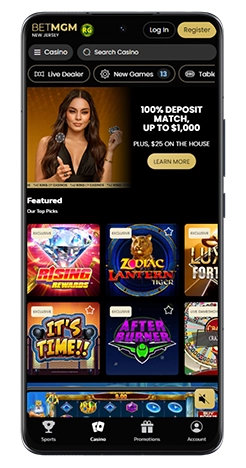
The main draw of affiliates is that they bring in highly targeted traffic—instead of TV ads or billboards that attempt to cast a wide net, affiliates are reaching people who are already interested in gambling. Whether that’s someone who is searching for the best casino bonuses or a player looking for a few tips on how to win at slot games, affiliates know exactly how to speak to their audience and drive conversions.
Another reason casinos love affiliates is for the content they create. From blog posts to video reviews, affiliates are building trust with their audience via informative and engaging content. This helps new players feel safer about signing up and playing—they know that they’ve been guided by someone who has expertise in the casino world. Plus, affiliates usually focus on SEO (search engine optimization), which helps drive organic traffic to the casinos without the need for crazy expensive ad campaigns.
Common Casino Affiliate Revenue Models
Curious about how casino affiliates make their money? Us too! And we found that there are a few different revenue models that make it possible for them to build pretty substantial income streams. Each one comes with its own pros and cons, depending on the affiliate’s goals and how they want to operate. If you’re looking for quick commissions or a little passive income, there’s a model for it, so let’s break down the most popular ways that affiliates cash in!
Cost Per Acquisition (CPA)
CPA is probably one of the most straightforward ways for affiliates to make money. It works like this: when an affiliate refers a new player to a casino, and that player signs up and makes their first deposit, the affiliate earns a flat, one-time commission.
For instance, if a player signs up through the affiliate’s link and deposits $50, the affiliate can get $100 or more as a CPA commission. The specific payout does vary depending on the casino and the affiliate program.
Affiliates who want immediate payouts usually gravitate towards CPA because there’s no waiting around for long-term earnings—they do their job, send the player to the casino, and they get paid once the player meets the deposit requirements. It’s a simple, no-nonsense approach that appeals to those who are able to drive a lot of traffic quickly. But there is a downside, and it’s this: Once the commission is paid, the affiliate doesn’t earn anything from that player ever again, even if the player keeps gambling at the casino for months or years. It’s a one-and-done deal.
Revenue Share
Now, for those who want to play the long game, revenue share is the better affiliate program. You don’t get paid once upfront—affiliates who use this model earn a percentage of the player’s lifetime value at the casino. This typically means the affiliate gets a cut of the player’s net losses—how much the player loses after deducting things like bonuses and fees.
Look at it like this—if a player who deposits regularly and loses $1,000 over time, and the affiliate has a 25% revenue share deal, they will pocket $250.
The great thing about this model is that it means ongoing earnings, so affiliates can earn passive income as long as the player keeps gambling. Some affiliates have built entire businesses on the back of a handful of high-value players who gamble consistently over the long term.
Again, this model isn’t without risk, either. If the player wins big or quits playing altogether, the affiliate’s income will take a hit. Plus, some programs have clauses like negative carryover, where the affiliate starts the next month with a negative balance if their referred players had a profitable month.
Hybrid Models
And for the affiliates who want a mix of quick earnings and long-term gains, there are hybrid models that give you the best of both worlds. With a hybrid setup, affiliates will earn an upfront CPA commission when they refer a new player, but they also get a smaller cut of that player’s future activity through revenue share.
Let’s say a casino affiliate refers a player and earns a $50 CPA payment upfront. In addition to that, they will also get 10-20% of that player’s net losses for as long as they keep playing at the particular casino.
This is a popular option for affiliates who want the security of immediate payment but don’t want to miss out on the chance for long-term earnings if their referred players stick around and keep gambling.
Hybrid models are perfect for affiliates who can bring in both high-volume traffic and retain those players over time. Sure, the upfront CPA payments might be smaller compared to straight CPA deals, but the ongoing revenue share balances the short-term gains with long-term potential!
Flat Rate Payments for Content
Not all casino affiliates want to be involved in managing players for the long-term—some want a simple, one-time payment in exchange for their promotional efforts, and this is a flat rate payment model. Smaller affiliates, or those just starting out, will agree to publish a casino review or feature a banner on their site for a flat fee.
The affiliate gets paid upfront, and once that transaction is complete, they don’t earn anything based on player activity or deposits.
This model is usually used by smaller websites or influencers who don’t yet have the traffic volume to justify a more complex CPA or revenue share agreement. A blog may charge a casino a few hundred dollars to post a review, and that’s the end of the transaction. There’s no risk involved, but the earning potential is also capped since the affiliate won’t benefit if the players they referred turn into high-value customers.
How Affiliates Attract Players
Casino affiliates have plenty of tricks up their sleeves to bring new players into the fold. From ranking well on search engines to running slick paid ads, their marketing techniques are varied and sometimes pretty sophisticated. Let’s break down how affiliates use these strategies to draw in curious players and turn them into regulars.

SEO and Organic Traffic
Search Engine Optimization (SEO) is one of affiliates’ most important strategies to bring in steady, organic traffic. The goal here is to rank highly on Google when people search for terms like “best online casino” or “casino bonuses.” The higher an affiliate ranks, the more likely someone will click through to their site and, eventually, to a casino.
Affiliates who succeed with SEO don’t just sprinkle keywords around. They create valuable, engaging content that answers players’ questions. Think about reviews of casinos, guides to specific games, or articles on how to score the best bonuses. The more helpful and informative this content is, the longer people will stick around, which helps the site rank higher in Google’s eyes.
Backlinks are another huge part of the SEO game. When other reputable sites link back to an affiliate’s website, Google sees that as a vote of confidence. This means affiliates will need to collaborate with other sites or work on guest posting to build those links. Over time, these backlinks can help boost their rankings and visibility.
SEO is so powerful that once an affiliate has built up a strong presence, the traffic keeps coming in without any extra costs. It takes time to build, but the rewards are long-lasting. Plus, organic traffic often converts better because it feels more authentic than a paid ad. Players trust information they’ve found through a Google search.

PPC and Paid Advertising
While SEO is great for long-term growth, Pay-Per-Click (PPC) advertising gives affiliates a quicker way to attract new players. Affiliates will run ads on platforms like Google, Facebook, or Instagram, targeting users based on their interests or the keywords they search. Unlike organic traffic, PPC gets results right away—at a cost.
Affiliates need to choose their keywords carefully when running PPC campaigns. The gambling space is highly competitive, and popular keywords can get expensive. For example, targeting a general keyword like “online casino” might have a high cost per click (CPC), but affiliates can work around this by focusing on more specific, long-tail keywords like “best casinos for slots” or “high roller casinos.”
It’s not just about the keywords, though. Affiliates also need to make sure their ads grab attention. They’ll highlight special bonuses, unique game features, or other perks to entice users to click. A/B testing different versions of the ad copy can help refine these ads over time, ensuring the best results.
Even with the high competition and cost, PPC remains popular because it can drive immediate, high-quality traffic. However, affiliates have to monitor their ad spending closely to make sure they’re not burning through their budget without enough return on investment.

Social Media and Influencer Marketing
Social media platforms like Instagram, Facebook, X, and YouTube have become the main channels for affiliates to reach potential players. Affiliates use these platforms to share everything from casino reviews to bonus codes to game strategies. The casual, interactive nature of social media makes it a great way to build a relationship with potential players before sending them to a casino.
But it’s not just about regular posts. Some affiliates collaborate with influencers in the gaming and gambling world, leveraging their large, dedicated audiences to promote casinos. Influencers might create content like reviews, live game sessions, or even behind-the-scenes looks at specific casinos. This kind of content feels personal and authentic, which can result in much higher conversion rates than traditional ads.
In these collaborations, influencers share their honest experiences with a casino, which resonates more with their followers compared to paid ads. Plus, social media is great for encouraging engagement—affiliates can respond to comments, answer questions, and build a community around their content.

Email Marketing and Newsletters
Email marketing is a tried-and-true method affiliates use to engage players. Building an email list allows them to send tailored content directly to interested players, keeping them in the loop with the latest promotions, bonuses, or casino reviews. Affiliates can segment their email lists to make sure the right message goes to the right player. For instance, one player might be more interested in slot bonuses, while another might be all about poker tournaments.
What makes email marketing so effective is that it nurtures players over time. It’s not just about sending one email and hoping for the best. Affiliates set up automated campaigns that keep players engaged—maybe a follow-up email about an exclusive bonus or a reminder about a casino they checked out but didn’t sign up for. Over time, this kind of consistent communication builds trust, making it more likely that a player will eventually take action.
Emails also offer affiliates a chance to provide value without asking for anything in return. They build credibility and keep players interested by sharing useful info, like game tips or casino strategies.

Review Websites and Comparison Pages
Many casino affiliates build entire websites dedicated to reviewing and comparing different online casinos (similar to this page). These sites are designed to be informative and helpful, providing players with everything they need to know before choosing a casino. Affiliates typically review aspects like game variety, bonus offerings, customer service, and payout speed.
What makes these sites so successful is the trust factor. Players are more likely to sign up for a casino if they feel like they’ve done their homework first. Detailed, unbiased reviews make the decision easier, and comparison pages that highlight the differences between casinos can simplify the choice even further. The transparency these affiliates provide helps players feel more confident in their choices, which drives conversions.
Some review sites also provide exclusive bonuses or promo codes, giving players an extra incentive to sign up through their links. This adds a layer of value to the player experience, as they get something extra by using the affiliate’s recommendations.
Affiliates are resourceful and creative in how they attract new players. By combining SEO, paid advertising, social media, email marketing, and detailed reviews, they build comprehensive marketing strategies that work across different channels. Each method complements the others, creating a robust system for driving traffic and converting casual visitors into loyal players.
Challenges Faced by Casino Affiliates
Casino affiliates, like so many others in the digital marketing world, are up against some unique hurdles that means any kind of success is much more complicated than it looks. There are changing regulations, an oversaturated market, and changing commission structures, ao affiliates have to be adaptable and creative to negotiate this digital space. What are the main obstacles they encounter? Look below!
One of the trickiest aspects of working as a casino affiliate is keeping up with all the legal requirements. Online gambling is regulated differently depending on the country, and these regulations aren’t just surface-level—they affect nearly every aspect of an affiliate’s work. Some regions are much more lenient, while others impose strict rules on how affiliates can promote casinos and what types of games or offers they can advertise.
In Europe, for instance, the regulations are often more stringent, especially with the European Union’s oversight. Countries like the UK have robust systems in place with their Gambling Commission, making sure affiliates promote responsible gambling and follow anti-money laundering laws. Meanwhile, affiliates might encounter less stringent but equally challenging rules in other parts of the world, such as some regions in Asia or Latin America.
On top of that, casino affiliates need to be mindful of regional restrictions around data protection. With GDPR in Europe, affiliates have to be especially careful about how they handle player data. This means affiliates need to have solid systems in place to manage customer information securely, which can be both time-consuming and expensive.
On top of that, casino affiliates need to be mindful of regional restrictions around data protection. With GDPR in Europe, affiliates have to be especially careful about how they handle player data. This means affiliates need to have solid systems in place to manage customer information securely, which can be both time-consuming and expensive.
Staying compliant in these regions isn’t just about avoiding fines—it’s also about being able to continue operating without getting caught up in red tape. Affiliates often have to juggle different licenses for different regions, adding to the complexity. Those that manage to get ahead of these regulatory challenges are usually the ones that stay in the game long term.
The casino affiliate space is crowded. With thousands of affiliates all vying for attention, it’s no surprise that standing out is a massive challenge. Established affiliates, many of whom have been in the game for years, already have strong SEO rankings, vast email lists, and loyal audiences. Newcomers can find it incredibly difficult to break through all the noise and establish themselves.
One of the primary ways affiliates try to carve out their space is through SEO. Ranking on Google for popular casino-related keywords like “best online casino bonuses” or “top slots sites” can drive a ton of organic traffic, but getting there is no easy task. It requires a deep understanding of SEO tactics, strong content creation, and a lot of patience. Affiliates need to continually optimize their sites, from keyword strategy to backlink-building, to climb the ranks on Google.
Another avenue affiliates pursue is paid advertising. But here, too, the competition is fierce, and the stakes are high. In the gambling industry, keywords are some of the most expensive in the digital ad world. Affiliates who want to use Google Ads or Facebook to promote casinos need to have deep pockets and smart targeting strategies to ensure they’re getting a solid return on their investment.
New affiliates often have to find creative ways to compete, like building niche audiences or leveraging emerging platforms like TikTok or Twitch, where there might be less competition. But no matter the platform, making a mark in such a saturated market is an affiliate’s toughest task.
Casino affiliates don’t only face external pressures—there are internal challenges as well, especially with the fluctuating commissions. The way affiliates get paid can vary, and sometimes it changes abruptly. Affiliates usually work on either a revenue-share model or a CPA (Cost-per-acquisition) model, and both have their ups and downs.
With the revenue-share model, affiliates earn a percentage of the player’s spending at a casino for as long as they keep playing. This can be lucrative for affiliates with loyal, high-spending players, but it also comes with risk. If those players stop gambling, the affiliate’s income dries up. Even worse, some casinos implement “negative carryover” rules, meaning if a player wins big, the affiliate could start the next month with a negative balance, cutting into future earnings.
CPA models are a bit more straightforward. Affiliates get paid a flat fee for every player they refer who makes a deposit. But even here, the terms can change. Some casinos lower their CPA rates without warning, while others impose stricter requirements for player deposits before an affiliate gets paid. Additionally, affiliates who work on CPA-only deals might miss out on long-term earnings if a player they refer turns into a high-roller down the line.
The fluctuating nature of commissions makes it essential for affiliates to diversify their income streams. Relying on one or two casino programs can be risky, especially if those casinos decide to cut commission rates or introduce new terms that decrease the affiliate’s earnings.
How to Become a Successful Casino Affiliate
Becoming a successful casino affiliate does not happen overnight—you don’t just sign up for a program, sit back on your laurels, and wait for the money to roll in. It takes work, and that means having a solid strategy, good relationships with the right casino partners, and a willingness to improve your approach constantly!
As for choosing casinos and affiliate programs, they are not all created equal, so finding the right partners will make or break your success. One of the first things to look for is the casino’s reputation. Are they licensed and regulated by reputable bodies? Do they have a good track record for treating their players fairly? These are all super important questions to ask before you invest your time in promoting them!
Equally as important is the structure of their affiliate program. You have to understand the commission models they offer—as we said earlier, it could be a CPA (a one-time payment for each referred player) or a revenue-share model where you get a percentage of a player’s lifetime value, or a hybrid model, which is a combo of both upfront and ongoing payments. Picking programs with favorable terms is the main thing, especially since commission structures can greatly differ between casinos!
Once you’ve found a few solid programs, you don’t want to spread yourself too thin by just promoting every casino. Concentrate on a handful that have the best terms and have a solid reputation with players. Why? Because building better relationships with a few partners will most likely turn into better earnings and possible opportunities for negotiation on commissions.
Content is king online, and the casino affiliate space is no different. Creating informative, engaging, and trustworthy content is the best way to build an audience and encourage them to take action. But it’s not enough to just put out the basic info—you should give your audience real value. Players want to read about more than bonus offers; they’re also looking for expert advice, insider tips, and reliable reviews.
Detailed casino reviews are a great starting point. You should cover everything from the games and bonuses to the payment methods and customer service experience. Highlight the pros and cons honestly—readers aren’t dumb and they will appreciate the transparency. If they feel like they can trust your content, they are more likely to sign up using your referral links.
And don’t just limit yourself to just written content, either! Video reviews, gameplay demonstrations, and infographics always make content more engaging and shareable. A video of you testing out a new casino game or explaining how to maximize a bonus will speak to potential players in a way that a blog post alone will not.
Consistency is another must, so you should always be updating your content—keep your reviews current and make sure your site is giving the most up-to-date info. A well-maintained website or blog signals to users (and Google) that you’re an active and trustworthy source!
Without an audience, even the most amazing content will go unnoticed. Building and growing a loyal audience takes time, but it’s really important for long-term success. One of the best ways to start is by optimizing your site for search engines (SEO). Ranking highly for casino-related keywords can bring in a steady stream of organic traffic, and regularly publishing SEO-friendly content will boost your visibility and increase the chances of players landing on your site when they search for casinos.
In addition to SEO, social media is a really powerful tool for growing your audience. Platforms like X (formerly Twitter), YouTube, Instagram, Facebook, and TikTok will help you reach almost every demographic. Take advantage of the platforms to share content, promote special offers, and engage directly with your audience. You can also collaborate with influencers who already have a following in the casino or gaming space if you really want to grow your audience.
Building an email list is another solid way to nurture your existing audience. Email newsletters mean you are able to stay connected with potential players by sending them updates on new casinos, bonuses, or customized content that is based on their interests. The main thing is to keep your emails informative and engaging without being overly promotional. This helps maintain trust and keeps your audience coming back to your site (but don’t spam them, either).
Once your site is off the ground and generating traffic, it’s time to refine your approach via tracking and optimization. Just having a site isn’t nearly enough—you have to know how well it’s performing. This is where tools like Google Analytics come to the rescue! You can track your visitors, see where your traffic is coming from, and understand which pages or content pieces are driving the most conversions.
Most affiliate programs also give you a dashboard for tracking clicks, sign-ups, and earnings, so you can use the data to identify your top-performing content and optimize it further. If a particular review is generating more traffic or sign-ups than others, look into what’s making it successful and apply those strategies elsewhere.
A/B testing is another solid way to boost conversions, so try out different headlines, images, or calls to action to see which ones do the best with your audience. Regular testing means you can make the best decisions based on what’s actually working and not just rely on guessing.
The online casino industry is super fast-paced—there are always new trends, games, and regulations popping up. Staying current is absolutely critical to keeping your content relevant and your strategies effective. Subscribe to industry newsletters, join affiliate forums, and follow the main industry figures on social media to stay in the loop about any and all new developments.
As we said earlier, regulatory changes are really important to watch—the legality of online gambling varies by country, and rules can change overnight. Being aware of these changes means you will avoid promoting casinos in regions where gambling could suddenly become restricted, and it also verifies that your site will be compliant with any regional advertising rules.
Attending industry events, like affiliate conferences, can also give you great insights and networking opportunities. These types of events will highlight emerging trends, new technologies, and upcoming opportunities that can give you a competitive edge over the crowded competition.
The Future of Casino Affiliate Marketing
Casino affiliate marketing is on the verge of big shifts as new technologies and changing player habits reshape the landscape. With mobile gaming leading the charge, emerging markets creating fresh opportunities, and new tech like AI driving innovation, affiliates who keep up with these trends will thrive. Let’s take a look at the biggest developments that are restructuring the future of this industry!
Mobile gaming has exploded in popularity, and it’s transforming the way affiliates approach marketing. These days, more than half of online traffic comes from mobile devices, which means that affiliates need to adapt their strategies to reach users who prefer to gamble on their phones. Whether it’s making sure websites are optimized for mobile or promoting casino apps, the shift toward mobile is impossible to ignore.
For affiliates, mobile optimization isn’t just about making content look good on a smaller screen. It’s about creating fast-loading, user-friendly sites that keep players engaged. Since mobile players are often on the go, a smooth, seamless experience is key. Affiliates can also take advantage of location-based marketing, offering region-specific promotions or bonuses that appeal to players based on where they’re gambling from.
Casino apps are another huge opportunity. With these apps, players get a more tailored, convenient experience, and affiliates can tap into this by promoting exclusive bonuses or features that are only available through app downloads. The more affiliates can focus on mobile-first strategies, the better positioned they’ll be to capture this growing audience .
As online gambling is spreading like wildfire across the world, new markets are offering fresh opportunities for affiliates. In places like the United States, where more states are legalizing online gambling, the market is growing fast. Affiliates who can establish themselves in these regions early on will have an edge over the competition.
Canada is another region to watch as provinces begin to relax their online gaming restrictions. Meanwhile, other markets in Latin America, Asia, and parts of Europe are also emerging as internet penetration increases and regulations evolve. Affiliates targeting these regions need to be savvy about local preferences and regulations. What works in one market might not in another, so customizing content and marketing strategies to fit specific regions will be crucial to success.
Understanding the regulatory environment is a big part of this. Each country has its own laws around gambling, and these can change quickly. Affiliates will need to stay on top of these shifts and be ready to adapt their strategies as new rules come into play.
New technologies are revolutionizing how affiliates operate, making it easier to create personalized marketing campaigns, track player behavior, and optimize performance. AI and machine learning are at the front of the pack, with predictive analytics giving affiliates the tools to anticipate what kinds of offers or content will connect best with different audiences. This means there can be precise targeting and a much better use of available resources.
Another major innovation is the integration of blockchain technology in the affiliate space. Blockchain provides transparency in transactions, ensuring that commissions are paid fairly and securely. Smart contracts, which automatically execute when certain conditions are met, are making it easier for affiliates to manage agreements with casinos without needing constant oversight.
Livestreaming platforms like Twitch, YouTube Live, and Facebook Live are also becoming super important tools for casino affiliates. Through these platforms, affiliates can create interactive content—whether it’s live gameplay, Q&A sessions, or exclusive bonus reveals—that engages players in real-time. This format creates a sense of community and trust, which can be invaluable for attracting new players.
Twitch, in particular, has become a hotspot for casino streaming, where influencers and content creators share their gaming experiences live with followers. This direct interaction allows players to see casinos in action and can lead to higher conversion rates, especially when influencers endorse particular brands .
The future of casino affiliate marketing is filled with opportunity, but it will require affiliates to stay agile and embrace the changes that mobile technology, emerging markets, and new innovations bring. Those who can adapt their strategies to meet players’ evolving needs will find themselves well-positioned to succeed in this exciting, fast-growing space.
Conclusion
Casino affiliates are kinda like matchmakers in the gambling world—they send players to the right casinos for them, and they make money while doing it! If they’re earning a cut of a player’s lifetime spend or getting a payout for sign-ups, there are lots of ways to cash in. But it’s not all fun and games—affiliates do have some challenges, like having to keep up with the always-changing rules and commission rates.
Even so, casino affiliate marketing is chock full of exciting opportunities. Since mobile gaming took off and with new markets opening up, there’s a ton of space for growth. If you’re thinking about becoming a casino affiliate or wondering how it works, there’s so much to explore, and you never know—it could be something that’s fun and financially rewarding!
Why Casino Atmospheres Are Designed to Keep You Playing
Casinos sure have a talent for making time disappear, like a magician pulling a rabbit out of a hat! You walk in, and the next thing you know, it’s five hours later, and you have no idea where the time went. Literally, hours have passed, and you don’t even realize it. Think it’s just because you’re having fun and focused on whatever game you’re playing? Maybe! But there’s more at play here than the cards in front of you—it’s all part of the casino’s plan.
From the second you enter, you are enveloped by an environment that is carefully crafted to keep you engaged. The sounds, the lights, and even the carpet design (yes, the rugs are in on it, too)—they are all there to influence how you feel and, ultimately, how long you stay. And while you might shrug it off as a coinky-dink, all of the little details have an influence on why it’s so easy to hang out for just a little bit longer…and spend more moolah.
Want to know why casino atmospheres are literally designed to keep you playing? We have all of the info—some harmless, and some of the more dastardly details about the how and why of it all!
The Psychology of Casino Design
Casinos are an entire world unto themselves. They are built and designed to make you feel excited be comfortable while you’re excited and plain unaware of how much time is wiling away. Every single thing is planned down to the last detail, with the end goal of keeping you inside and playing for longer than you meant to. The mixture of sounds, lights, and even smells in the air all work together for an environment that plays with your psychology in ways you are probably unaware of!
Behind all of these tactics is a principle that’s called operant conditioning—it’s a psychological concept that relies on rewards and reinforcements to influence behavior, and casinos are experts at using it. Slot machines, for example, use a reward system where wins come at unpredictable times. You don’t know when the next win will come, which keeps you on edge and excited. The “random rewards” build up a feeling of anticipation, so it can be hard to stop. Even if you’re losing, the occasional small win feels like a huge accomplishment, and that means you are going to keep engaging and be excited for the next round.
In addition to operant conditioning, the environment itself is tailored to keep players comfy and focused. The upbeat sounds of winning—bells, chimes, and coins falling—signal success and make you feel like the very next win could be yours. The constant whir of activity keeps you on your toes, but the lack of clocks or windows makes sure that time feels irrelevant. It’s not hard to totally lose track of how long you’ve been playing when there are no cues to remind you that the hours are just slipping away.
Another psychological trick is the idea of a “flow state,” which is where you become so absorbed in what you’re doing that everything else just fades into the background. Slot machines, with their repetitive motions and quick results, are really great at pulling players into this state. You’re continuously spinning, hoping for a big win, and before you know it, hours have passed. This hyper-focus makes it easier to continue playing, even when you had plans to stop long ago.
Casinos are also diabolical when it comes to playing on your senses! The bright colors and flashing lights make for an exciting atmosphere, and it just feels like something big is always about to happen. The scents that are used in the air, like lavender or citrus, are known to promote relaxation, so you’ll feel comfortable and relaxed while playing. All of these details work in harmony to create a space where you’re not just playing a game; you’re completely caught up in an experience that is difficult to walk away from.
Lighting and Sound Effects
Casinos are built to be sensory playgrounds—everything from the lighting to the sound effects is done with one goal in mind: for you to remain engaged and excited. Two of the biggest psychological tools they use are lighting and sound, which are strategically engineered for a welcoming atmosphere and to trigger emotional and neurological responses.
Bright, Inviting Lighting
Most casinos take advantage of soft, warm lighting to fashion a comfortable, inviting area. The idea here is to make players feel relaxed so that they’re more likely to stick around and keep betting. Soft lighting, especially in common areas like slot machine sections, helps generate a sense of intimacy and coziness. Instead of harsh, glaring lights, you get a warm glow that makes the area feel pretty homey and that fools your mind into thinking you’re in a place where you can relax and take your time.
On top of that, certain color schemes have the ability to trigger specific psychological responses. Studies have shown that red lighting can increase heart rate and arousal, which may push players into more high-stakes decisions, while blue lighting in lounges or rest areas gives off a sense of calm, which may give people a mental break or temporary respite—but it doesn’t encourage players to leave the premises. A balance between stimulation and relaxation is super important for casinos to sustain a prolonged and positive experience.
Music and Soundscapes
While the lighting produces a physical space that feels good to be in, sound is what keeps the vibe up. Casinos are filled with a constant stream of upbeat, rhythmic music. The tempo of the background music encourages faster decision-making and a heightened sense of urgency. Upbeat tracks with catchy hooks subconsciously energize players, helping them keep their focus and excitement level over extended periods of play. This is to keep the brain engaged, so you’re not just sitting at a machine—you’re part of a bigger, livelier affair.
Then there are the sound effects, which play a massive part in how players feel about their games. Slot machines, in particular, are designed with a literal symphony of chimes, dings, and jingles, with each sound being made to reinforce the excitement of the game. The sound of winning—coins clinking, celebratory beeps, and boops—makes you feel like you’ve hit the jackpot, even if you’re only winning a paltry amount. This triggers dopamine release in the brain, creating a sense of pleasure and reinforcing the behavior that led to that “win.” Even in near-miss scenarios, where the reels almost line up for a win, you still get the sounds that make players feel like they’re on the verge of success, which encourages them to keep going.

Interestingly, the winning sounds usually play even when the payout isn’t larger than the amount you’ve bet, a phenomenon that’s known as a “loss disguised as a win.” This slick use of sound reinforces the illusion of success, even when it’s a net loss, which keeps players at the machine longer.
The overall impact of lighting and sound in casinos can’t be overstated. As a duo, they fashion an environment that is alive and exciting, keeping players immersed in the experience, sometimes for hours on end. From the cozy lighting that helps you settle into the triumphant sounds of winning—even when you’re not winning big amounts of money—the design elements are about making the game feel like more than just a game. They tap into fundamental psychological triggers, making it hard to leave, even when logic says it’s time to go!
Layout and Design
Casinos aren’t just randomly designed buildings, no way. Every single inch of the floor is meticulously thought out in order to make dang sure you stay in the game longer than you originally planned to. From how you walk through the building to how easy it is to get more cash, it’s all part of the plan to keep you playing and, obviously, to keep you spending.
Maze-Like Layouts
How can finding your way around a casino feel so confusing? The disorientation is not a whoopsie or an accident–casinos are set up like mazes, with winding paths and lots of twists and turns. Instead of straight corridors that lead you directly to an exit, you’re guided through rows of slot machines, card tables, and other distractions.
The design isn’t solely about showing off what the casino has on offer—it’s meant to make sure you see as much as possible, giving you more chances to stop and play along the way.
On top of that, there are no windows or clocks to help you keep track of time. Casinos deliberately want you to lose all sense of time so that you stay in the game for longer. Whether it’s day or night, the lighting stays the same, and without any time cues, you won’t even notice how much time has gone by. The casino wants you to be immersed in the environment and in the games and not on when you should go home.
Strategic Placement of Games
As you stroll or wander through a casino, you’ll notice that some of the easiest-to-play games, like slot machines, are placed right smack in your path. Near entrances, along main walkways, and even near the bathrooms, the machines are there to grab your attention as you walk by. It makes it easy for you to stop, sit down, and give the game a go, even if you have no plans to play.
The machines are carefully positioned in high-traffic areas where you’re likely to walk past them a few times. And with their flashing lights and catchy sounds, they’re really hard to ignore. You might think, “I’ll just take a quick spin,” but that’s exactly what the casino wants. Once you start, you can get sucked in and keep playing.
ATMs Near Exits and Entrances
Now, let’s talk about ATMs. Casinos know that most people usually come with a set amount of cash they’re willing to spend. But once that money runs out, they don’t want you to leave, and that’s why ATMs are “conveniently” placed near exits or other high-traffic areas. As you’re about to head out, you’ll pass an ATM and think, “Maybe I’ll just get some more cash and play one more game.” It’s an easy but really effective way to nudge you to keep playing.
The setup makes it incredibly easy to access more cash without overthinking it. The ATM is right there, and you’re still in the zone from your previous games, so withdrawing more cash seems like a quick and perfectly logical decision! It’s all part of the casino’s game to keep you playing and spending for as long as they can.
A mix of sensory tricks and psychological tactics keeps the excitement up, and that makes it a no-brainer to stay for “just one more game.”
Casinos are designed to be a full sensory experience, and the layout is a huge part of that. By creating a disorienting, immersive environment where time feels irrelevant, and games are always within arm’s reach, they make it hard for you to leave. Everything from the maze-like paths to the placement of ATMs is there to keep you inside and playing for longer. It’s a smart, subtle approach that encourages impulse decisions and keeps you focused on the fun rather than the clock.
Free Drinks and Comforts
Casinos are experts at generating an environment where players feel comfortable, excited, and maybe a little bit uninhibited. And that’s where one of the powerful tools comes in—the free booze. Complimentary drinks and a luxurious atmosphere? Yes, please! But the free comforts aren’t just acts of generosity on a casino’s part; they’re a component of a bigger strategy to keep players occupied, chill, and spend more money.
Complimentary Drinks
Free alcohol in casinos is a well-known perk, but it’s got nothing to do with keeping you hydrated. Offering complimentary drinks, especially alcoholic ones, serves a much bigger purpose. Alcohol lowers inhibitions, making people more likely to take risks they wouldn’t usually take. After a couple of drinks, a player could feel braver and be willing to bet more or try their luck at a higher-stakes table. The sense of being “on a roll” can get amplified when you’ve been imbibing, and that’s just what the casino wants.
Anyone who drinks knows that alcohol doesn’t always equal the best decisions, so it can mess with a player’s ability to make clear, calculated decisions. A drink or two could make someone feel relaxed, but it also impairs their judgment, and that means more impulsive choices. Combine this with the already disorienting atmosphere—no clocks, no windows, flashing lights—and it’s obvious why free drinks are a strategic move. They will keep you in the game longer and increase the chances that you’ll keep betting even when you’re on a losing streak.

It’s not just the alcohol that matters, either. The basic act of offering a free drink makes people feel special, cared for, and pampered! The small gesture promotes a sense of reciprocity, where the player feels like they should stay longer or spend a little more to “pay back” the favor of a freebie. It’s a low-key psychological trick but one that works out well for the casino.
Luxurious Seating and Ambience
As the free drinks are flowing, casinos also make sure that the environment itself is really inviting. Walk into almost any casino, and you’ll notice the plush chairs, the soft carpets, and the warm lighting. Everything about it is meant to make you feel comfortable and relaxed so you’ll stay.
The seating, in particular, is a big part of this strategy. Casino chairs are built to be ergonomic and cushioned, making sure you stay as comfy as possible while you play. These aren’t the stiff, wooden seats you’ll find at a local watering hole; they’re the kind of chairs you’d sink into at a luxury hotel. If you’re sitting at a slot machine or table, chances are you’re in a chair that was built to make you feel relaxed but still alert—just snug enough to forget how long you’ve been sitting there.
In addition to seating, the general ambiance has its part to play as well–casinos are designed to be visually appealing and inviting. The décor usually has rich, warm colors like golds, reds, and deep purples, which mimic a sense of luxury and comfort. Soft lighting further improves this cozy atmosphere, making the space feel intimate and personal. This environment helps players relax and makes them feel like they’re in an exclusive, high-end setting where it’s okay to let loose and spend a little extra.
The idea behind all of these comforts is to create an atmosphere that encourages players to stay as long as possible. If you feel at home, with a free drink in hand and a comfortable seat beneath you, it’s much harder to think about leaving. Instead, you’re more likely to continue playing, which is exactly what the casino is hoping for.
By plying you with free drinks and crafting a luxurious atmosphere, casinos make sure their players are both physically comfortable and mentally primed to take more risks. It’s a sly combination of hospitality and psychological warfare that keeps players in their seats and betting for longer than they thought they would.
Rewards and Loyalty Programs
Casinos get people to play in ways that feel rewarding, even if the rewards are rarely as big as you’d like! The use of small, regular wins keeps you interested, and they sweeten the pot with loyalty programs that make you feel like you’re part of something important, like a VIP. It’s this kind of combo that works on both your emotions and your habits, and it subtly encourages you to hang around and play for longer than you originally thought you would.
Small Wins That Keep You Going
The sorcery of small wins is that they make it seem as if you’re making progress, even when you aren’t walking away with any kind of big payout. Slot machines are so good at this—they’re designed to give you that little boost every now and then, and it’s just enough to make you think you’re getting somewhere. You could win back a portion of what you’ve spent or enough to cover your last bet. It’s definitely not enough to make you rich, but it’s enough to keep you going. The idea is to create a sense of momentum, where it feels like a big win is coming up.
This plays into a psychological effect known as “variable reinforcement.” The randomness of when these small payouts happen keeps you invested because you never know when the next one is coming. It taps into the same reason why people get hooked on social media notifications or why they keep scrolling for the next interesting post. It’s that hope of getting something exciting on the next spin or hand that keeps you locked into the game.
And these wins don’t just come from slot machines—table games like blackjack and roulette work in similar ways. A couple of good hands or spins might make you think you’re on a lucky streak, even if you’ve lost more than you’ve won. It’s all part of the experience that casinos engineer to keep you coming back for one more round.
VIP Programs and Loyalty Schemes
The excitement of winning—even in small doses—is more than enough to keep people engaged in the short term, but casinos also depend on loyalty programs to build long-term relationships with their regulars. The programs are designed to reward players for sticking around and playing consistently. Every time you place a bet, you’re earning points that you can redeem for rewards like free meals, discounted rooms, or even cash back. As you continue to play, you accumulate more points, which can unlock even better rewards. The higher you climb in the loyalty tiers, the more exclusive the perks become.
VIP programs take these rewards to a whole ‘nother level for serious players. Once you’ve reached a certain threshold, casinos start treating you like royalty. You might get a personal account manager who handles your every request, or you could be invited to exclusive events, tournaments, or even luxury vacations. These programs are designed to make you feel like you’re part of an elite group, offering perks that you wouldn’t find in any regular loyalty scheme.

What’s so smart about these programs is that they create a sense of belonging. Once you’ve started earning points or achieving VIP status, it becomes harder to walk away. You’ve already invested time (and money) into building up your status, and leaving for another casino means starting over from scratch. And this sense of loyalty is just what casinos are banking on—they’re rewarding you for your continued play, but at the same time, they’re making it harder for you to leave and go somewhere else.
The combo of small wins and loyalty rewards makes for a powerful strategy. Whether you’re racking up points or hitting little wins, you feel like you’re always getting something back, which keeps you engaged. By the time you realize how long you’ve been playing or how much you’ve spent, it’s usually too late to walk away.
Lack of Time Awareness
Casinos use sneaky tricks so that players will completely lose track of time, and two of the main elements in this strategy are the absence of clocks or windows—and that they’re open 24-hour hours. All of these factors work together to blur any sense of how long a player has been inside; it’s an environment that pulls people into long, uninterrupted gambling sessions.
No Clocks or Windows
One of the most noticeable aspects of any casino is the lack of clocks or windows. This is done on purpose, making it easy for players to lose their natural sense of time. Without sunlight or clocks, there are zero visual cues to indicate how long you’ve been playing. Time tends to slip away when there are no outside markers, so you’re aware of its passage.
The lighting and sounds inside the casino are always set to feel the same, whether it’s day or night. The absence of windows keeps players inside a bubble where the world outside might as well not exist. By removing these external markers, players stay fully immersed in the casino’s environment, where the only focus is on the next game or the next spin.
24/7 Operating Hours
Another main factor in making time feel irrelevant inside a casino is the fact that they never close. Like, NEVER. Unlike most businesses that shutter at a certain hour, casinos are open around the clock, so it’s super easy for people to stay longer than they expected to. With no closing time to remind you that it’s getting late, players just keep going, as there’s no external reason to hit the road.
Whether it’s 11 a.m. or 4 a.m., the games are always running, and the atmosphere is the same. The continuity removes any natural signal that it might be time to call it a night (or day), and players are drawn into longer sessions simply because the casino never stops.
The Role of Aromas
The use of scent in casinos isn’t just to make it smell nice, although that’s a bonus! No one wants to hang out in a stinky joint. Scent marketing is a tool that’s crafted to influence player behavior so that the environment is more pleasant, which, in turn, you guessed it, can mean longer stays and higher spending. It taps into our sense of smell, which is directly linked to the brain’s limbic system, the part responsible for emotions and memories. The nose knows, and it’s a powerful way to improve a player’s experience.
Scent Marketing
Casinos will pump specific fragrances into the air to create a more welcoming and enjoyable atmosphere. As we said above, this tactic isn’t just to make the casino smell good; it’s designed to evoke emotions and memories that keep players feeling comfortable and at ease.
A study conducted by Dr. Alan Hirsch found that in scented areas of a casino, players spent 45% more time at slot machines compared to the unscented areas.
In addition to increasing time spent on the floor, scent marketing can also add to creating a unique brand identity for casinos. Some big establishments, like the Wynn Las Vegas, have their own signature scents, which are a blend of floral and citrus notes to craft an upscale and luxurious feel. The branding through scent helps in creating a lasting memory for visitors, which increases the chances of them coming back.
Boosting Player Comfort and Spending
Different scents are known to trigger various emotional responses, and casinos carefully choose fragrances that improve player comfort. Lavender is known for its relaxing properties, and citrus scents are said to energize and invigorate. Both types of fragrances can positively affect the player’s mood, making the place feel more enjoyable and increasing the likelihood that they’ll keep on playing. Studies show that the introduction of certain aromas can increase spending by nearly 45% in scented areas compared to unscented zones!
By pumping pleasant-smelling fragrances into the air and tailoring those scents to trigger emotional responses, casinos create environments that are both relaxing and stimulating. Whether it’s with energizing citrus or calming floral scents, this approach helps to level up the whole experience, and players feel more relaxed and comfortable while they play—without them realizing just how much influence the aroma has.
Famous Casino Designs
Some of the most famous casinos in Las Vegas have carefully designed their spaces to keep guests entertained, comfortable, and constantly exploring. These designs go past gaming, manufacturing entire environments that bring people in for way more than just a few rounds at the table. We want to explore the distinct features of three of the most famous casino designs: The Bellagio, Caesars Palace, and the MGM Grand.
The Bellagio, Las Vegas
The Bellagio is known for its calm elegance and sophisticated charm. From the second you set eyes on the famous fountain show outside, which plays to music and lights, you get a sense that this is a place that is meant to soothe and impress. The design is inspired by Italy’s Lake Como, with marble floors, grand chandeliers, and lush Mediterranean gardens throughout the entire property. The Bellagio wants you to feel like you’re in a serene European retreat, which is far removed from the commotion of the Las Vegas Strip.

The interior design of the Bellagio continues on its theme of elegance. There’s a curated art gallery, fancy restaurants, and upscale shopping, all of which add to the feeling that this is a place for relaxation as much as it is for excitement. The whole environment is luxurious but not overwhelming, so it’s a more peaceful alternative to some of the other casinos on the Strip.
Caesars Palace
Caesars Palace goes in a completely different direction—one that’s more about scale and spectacle. When you walk through its massive doors, you’re surrounded by towering columns, Roman statues, and dramatic fountains. The entire casino is designed to feel larger than life, and that’s exactly the point. Everything, from the décor to the layout, is meant to impress.

Caesars doesn’t just rely on its grand architecture to keep visitors intrigued—it’s also a feast for the senses, with flashy lights, loud music, and non-stop activity. The energy is palpable, and the layout makes sure that there’s something visually striking wherever you look. The busy, lively atmosphere is meant to entertain, whether you’re gambling, shopping, or just taking in the excitement around you.
MGM Grand
The MGM Grand takes a slightly more modern approach, and it uses technology and innovation to keep guests interested. It’s one of the biggest hotels in Las Vegas, and everything about it feels big. From the sprawling casino floor to the various entertainment venues, there’s a sensation of constant motion. The design uses bright, bold colors, interactive digital displays, and high-tech gaming areas to keep the energy going and the visitors moving.

One of the absolute best features of the MGM Grand is how it uses its layout to guide people through different areas seamlessly–whether you’re there for the casino, a show, or one of the many restaurants, the design means that you’re never far from the action. The layout draws people from one part of the casino to the next, ensuring that there’s always something new to discover. The atmosphere is lively and modern, with a focus on fashioning an immersive experience that is exciting and high-energy.
Each of these casinos has its own way of drawing visitors in. The Bellagio is luxurious and calm, Caesars Palace dazzles with grandeur and spectacle, and the MGM Grand is modern and tech-forward. If you’re looking for relaxation, excitement, or innovation, these iconic spots have it all!
The Ethical Debate
Casinos are built around the idea of entertainment, but there’s always been a conversation about where the line is drawn between fun and manipulation. Yes, people go to casinos for entertainment, excitement, and sometimes even to relax, but the way casinos are structured can push some to spend more time and money than they intended to. This brings us to our ethical question: is the design and operation of casinos manipulative, or is it merely smart business? And what are casinos doing, if anything, to help players gamble responsibly?
A casino feels like an entirely different world—one with lights, sounds, and a sense of anticipation. But casinos intentionally remove clocks and windows, use dim, inviting lighting, and play upbeat music to mess with the passing of time and encourage people to stay longer. Players can spend hours at a machine or table without knowing how much time has gone by.
The question that always comes up is whether this kind of environment is manipulative. Critics argue that these types of techniques prey on human psychology, especially when it comes to risk-taking behavior. As an example, slot machines are programmed to give players small wins that are just enough to create the illusion of being close to hitting a jackpot. These wins trigger dopamine in the brain, making the player feel good even if they’re losing money in the long run. The lighting, sounds of winning, and constant activity are all built to keep players in a heightened state of excitement.
Some people argue that these tactics cross the line into manipulation, as they build an environment that encourages risk-taking behavior and exploits the brain’s natural response to rewards and anticipation. People are way more likely to make impulsive decisions and spend more money than they planned, and casinos know this. And complimentary alcohol makes a difference, as it lowers inhibitions and makes players feel more confident than they should in terms of taking bigger gambles.
Then there are those who truly believe that casinos are just providing entertainment and it’s up to individuals to set their own limits. From this perspective, as long as the games are fair and transparent, casinos are just one more form of leisure and not so different from a theme park or a concert. They’re providing a service, and players are responsible for managing their own spending and playtime.
Casinos have been increasingly aware of the ethical concerns surrounding gambling, and most have made efforts to address problem gambling. One of the ways they do this is by incorporating tools that help players keep track of their time and spending. These tools range from reminders that let people know how long they’ve been playing to options that allow players to set deposit and betting limits before they start gambling.
All reputable casinos, both physical and online, now have self-exclusion programs, where players can voluntarily ban themselves from the casino if they feel like their gambling habits are becoming problematic or out of control. Once a player signs up, the casino is legally required to refuse entry or deny access to gaming services. Some casinos have begun using artificial intelligence (AI) to track patterns of play and identify people who could be in danger of developing a gambling problem. In these cases, staff will reach out to the player or limit their ability to bet large sums of money.
Some casinos are also funding research and education aimed at tackling problem gambling. Take MGM Resorts—it has contributed to programs that are designed to educate young people about gambling risks and provides resources for people who may be struggling with addiction. By investing in these initiatives, they are trying to balance their business interests with a genuine concern for their customers’ well-being.
At the center of the debate is a fine line between entertainment and exploitation. On one side, there’s the argument that people should be free to enjoy themselves at a casino, and any attempts to regulate the experience would be overstepping. On the other side, critics argue that casinos, with all their sensory tricks and psychological tactics, are setting people up to fail. The bright lights, lack of time cues, and rewards are designed to keep you spending.
In the middle of this debate are the casinos themselves, many of which are trying to maintain their role as entertainment providers while also addressing the social issues connected to problem gambling. It’s not only about complying with regulations—it’s about whether casinos can balance making money with keeping their customers safe.
The question of whether or not casinos are manipulating their patrons or just giving them a chance to have a fun time depends on who you ask. The way these places operate obviously influences behavior, but it’s also clear that some people can go to a casino without being in danger of developing any risky habits. At the same time, for those who are vulnerable to gambling problems, the immersive, exciting nature of casinos can result in negative consequences—sometimes life-changing ones. This is why responsible gambling initiatives, which are implemented to mitigate some of the dangers, are becoming such a big part of the industry’s conversation.
Conclusion: Are You Playing or Getting Played?
Look, we most likely didn’t tell you anything you didn’t already know or shock you about how casinos operate. The whole “no clocks or windows” isn’t exactly a secret, but that doesn’t mean it’s not a manipulation tactic. Along with the lights, smells, and free drinks, you can get carried away without knowing what is carrying you off with the casino fairies. So keep your wits about you—the casino is not going to help you out there!
- It’s WHAT Time?: No clocks or windows make it almost impossible to tell how long you’ve been playing, and you don’t even realize it.
- Lights and Sounds: Flashing lights and happy noises trigger excitement and keep the energy way up so that the whole space feels alive.
- Scented Air: Subtle fragrances make the environment more welcoming, which makes you more likely to feel comfortable and stick around longer.
- Game Placement and Layout: Casinos are laid out like mazes, so even if you are heading somewhere specific, you end up passing more games and are tempted to play.
- Small Wins and Rewards: Regular little payouts and loyalty programs make players feel like they’re progressing, even if a big win is elusive.
- Comforts & Free Booze: Free alcohol and comfy seating make it easier to stay, loosens up decision-making and encourages people to play longer.
Final Thoughts
Casinos use super slick techniques to keep you in a state of “What time is it?” and even though it’s great for business, you have to know how it influences your gambling behavior! They’ve got the “pull you in and keep you there,” down to a science, but being aware of how they employ these tactics on you will help you play responsibly. So soak up the atmosphere, but set your own limits to make sure you’re always in control. And wear a watch!
2024 US Presidential Election Predictions: Polls, Odds and the Path to Victory
Welp, the 2024 Presidential Election is less than a month away, and it’s probably the most consequential race of our lifetime for democracy. But depending on who you ask, the reasons why will differ wildly. Liberals will say it’s because one candidate is a threat to our democratic “experiment” that’s been ongoing since 1789. Republicans will say that the other candidate is a “commie,” which means they think they are a threat to democracy.
And the polls are showing the race is pretty tight and “within the margin of error.” So obviously, everyone is hyper-focused on every poll that comes out—especially those who are betting on the outcome of the election for money.
Whether you are exhausted from the political circus or have a dog in the fight, there are three things everyone is obsessed with in this election: the polls, the betting odds, and the different ways the candidates can secure a win. The polls do give us a good idea of where voters’ heads are at; betting odds bring out the gamblers and the number crunchers and the road to victory? Well, that’s where it gets even more cuticle-tearing—both candidates on the ticket are tiptoeing through a battleground of swing states and razor-thin margins.
For all of you political junkies, the ones observing like you’d watch a train wreck, or those of you who have actual money riding on the outcome, we are going to unpack it all!
Current Polling Data and Trends
As we barrel toward Election Day 2024, the polling landscape is a mixed bag of nail-biting suspense, shifting numbers, and a lot of what-ifs. The Presidential race, featuring Vice President Kamala Harris and former President Donald Trump, is tighter than a drum. With each new poll release, we see fluctuations that hint at the larger picture while leaving room for uncertainty. Given the unpredictable nature of modern elections, it’s no wonder that poll watchers are glued to their screens.
Now, it’s important to remember that polls only show a moment in time—they tell us what a subset of the population is thinking right now, but they can’t and don’t account for last-minute shifts, actual election day turnout, or any October surprises. That said, we can glean some obvious trends and insights from the currently available data that is out there.
Overview of Key Polls
Right now, most of the major polls paint a picture of a closely contested race. According to recent polling averages from RealClearPolitics, the national race between Harris and Trump is effectively within the margin of error, which means neither side can claim a comfortable lead. Depending on the day or the poll, you’ll see Trump edging ahead slightly in key battleground states, while Harris holds a slim advantage nationally and in traditional Democratic strongholds.
For instance, recent polls from The Hill and Decision Desk HQ show Harris is leading by small margins in Michigan and Arizona, both of which are critical swing states. But on the other side of the political spectrum, Trump is making inroads in Florida and Ohio, states that he won in 2020 and is relying on once again. In Pennsylvania, which is one of the most important states in the entire election, Trump and Harris are neck-and-neck, with some polls showing Trump ahead by a single point while others show a slight Harris lead.
The trends we’ve seen over the past few months also reflect the ebb and flow of public opinion as the candidates battle it out. Earlier in the year, Harris had a more comfortable lead, but Trump has gained ground in recent months, particularly as the economy continues to weigh heavily on voters’ minds. Inflation, job security, and rising costs are all pressing issues that have shifted support, especially in suburban and rural areas. Meanwhile, Harris has maintained her edge among younger voters, urban dwellers, and people of color.
Key Demographics to Watch
If you’ve followed any presidential election in the past two decades, you know just how important demographics are in shaping the outcomes, and this election is no outlier. Polling data reveals some clear demographic patterns that will play an outsized role in deciding who wins in November.
Younger voters, particularly those under 30, are overwhelmingly leaning toward Harris. This group has consistently favored progressive policies, and they are more likely to be concerned about issues like climate change, healthcare access, and social justice. However, while they lean Democratic, turnout among younger voters has historically been lower, so Harris will need to focus heavily on mobilizing this group to ensure they actually show up at the polls.

In contrast, older voters, especially those over 65, continue to favor Trump. This group is more likely to prioritize issues like national security, immigration, and maintaining traditional values, areas where Trump’s messaging has resonated strongly.
Another demographic worth watching is suburban women, who swung hard toward Biden in 2020 after years of being a reliably Republican group. Polls indicate that suburban women are split this time around, making them a true wildcard in key states like Pennsylvania and Georgia. Harris will need to convince this group that she can handle economic concerns, while Trump will likely focus on crime, education, and family values to win them back.
When it comes to race, Harris has a strong base of support among African American and Latino voters, although Trump has made inroads with Latino voters in some regions, particularly in Florida and Texas. The Latino vote, in particular, is not a monolith, and how Harris and Trump appeal to different segments of this demographic—whether Cuban-Americans in Miami or Mexican-Americans in Arizona—will be critical.
Swing States
In every presidential election, swing states become the battlegrounds that decide the outcome, and 2024 is no different. Florida, Pennsylvania, Arizona, Wisconsin, Michigan, and Nevada are among this cycle’s most hotly contested states. While national polling can give us a broad overview, it’s the state-level polling that truly matters, as the U.S. electoral system is determined by the Electoral College, not the popular vote.
- In Florida, Trump has been consistently polling ahead of Harris, with some surveys showing him leading by five or six points. This state has been trending Republican over the past few elections, and it’s a critical part of Trump’s pathway to victory. Harris, on the other hand, is pinning her hopes on states like Arizona and Nevada, where recent polls show her with a narrow edge.
- Pennsylvania, a perennial swing state, remains one of the most important in the race. It’s a state that Trump narrowly won in 2016 but lost in 2020. The polls here have been volatile, with both candidates trading slim leads, making it clear that Pennsylvania will likely go down to the wire.
- In the Midwest, states like Wisconsin and Michigan are also pivotal. Polling shows these states to be true toss-ups, with both candidates running neck-and-neck. The outcomes in these states will depend heavily on voter turnout, particularly in the cities versus rural areas, where there are stark differences in political preferences.
Polling Accuracy
Polling accuracy has been a hot topic in recent years, especially after the 2016 and 2020 elections, where polls either underestimated or overestimated support for certain candidates. Many pollsters have since adjusted their methodologies to account for things like “shy” voters or hard-to-reach demographics, but there’s always a margin for error.
Polls are only as good as the data they’re based on, and there are many factors that can throw off predictions. For one, voter turnout is notoriously difficult to predict, and pollsters often struggle with how to weigh certain groups.
For example, younger voters tend to support Democrats, but if they don’t turn out in large numbers, the polls may overestimate Democratic support. Similarly, the rural vote has been tough to capture accurately in recent cycles, leading to some surprises in favor of Republicans.
Then, there’s the issue of last-minute developments—whether it’s a news event or a viral social media moment—that can sway undecided voters just before Election Day. In 2020, the polls ended up being more accurate than in 2016, but there were still significant misses in key states like Florida and Ohio.
So, while the polls give us a useful glimpse into the race, it’s essential to remember that nothing is set in stone.
Betting Odds: What the Market Is Predicting
As we approach the final stretch of the 2024 U.S. Presidential election, betting markets have become an increasingly popular way for people to follow the race. The odds aren’t just a fun addition—they usually show a real-time pulse on the voter sentiment that is shaped by polls, campaign developments, and major news events. The stakes are higher than ever, and for those looking to place bets, now is the time to watch the odds like a hawk.
Overview of Election Betting Markets
Election betting markets function pretty similarly to sports betting–you place a bet on the outcome—whether it’s on a candidate winning the presidency, taking the popular vote, or even winning individual swing states. Odds are updated constantly, reflecting how money flows into the market and how bettors feel about each candidate’s chances.
Many bettors are drawn to political markets because they provide an alternative view to traditional polling. While polls offer a snapshot of public opinion, betting odds reflect where people are willing to put their money. Historically, betting markets have sometimes been more accurate in predicting election outcomes than polls.
In 2016, for example, while most polls heavily favored Hillary Clinton, betting odds were more tempered, reflecting the possibility of a Trump victory.
Of course, betting markets aren’t flawless. Media narratives, sudden events, or even viral tweets can and do influence them. But they provide a dynamic view of how the public perceives the election at any given moment and can be a really useful tool for gauging momentum shifts in the race.
Current Odds for Leading Candidates
As of mid-October, Donald Trump leads the betting markets, with odds generally ranging between -138 and -150, giving him an implied probability of around 58-60% to win the election. Kamala Harris, who entered the race following President Biden’s decision not to run for a second term, trails at odds of +105 to +110, meaning her implied chances hover around 47-48%.
Interestingly, these odds have fluctuated throughout the year. Earlier in 2024, Harris was seen as the favorite when Biden stepped down, and the Democrats quickly consolidated around her campaign. But as economic concerns and public sentiment shifted, Trump regained his edge, especially as he locked down key endorsements and focused his messaging on the economy and national security.
Breakdown of Odds from Major Betting Platforms
Here’s a quick look at the latest odds from major betting apps as of mid-October:
| Site | Trump | Harris |
|---|---|---|
| -138 | +110 |
| -115 | +105 |
| -138 | +110 |



The odds can change quickly, especially as campaign events or national news shifts public perception.
Comparison to Previous Elections
The 2024 betting markets bear some resemblance to previous cycles. In 2016, Trump was consistently the underdog, with odds as high as +375 in the weeks leading up to Election Day. Polls showed Clinton ahead, but the betting markets were less certain, hinting at a possible upset. And we all know how that played out—Trump defied the odds and polls alike to win the presidency.
In 2020, betting odds swung back and forth between Trump and Biden, particularly during the debates and in the wake of the COVID-19 pandemic. By Election Day, Biden had become the clear betting favorite, with odds around -175, which accurately predicted his victory.
For 2024, Trump’s odds are notably stronger than in his previous campaigns, suggesting that many bettors see him as the candidate with more momentum heading into the final weeks. However, Harris remains competitive, and her odds could shift depending on how the remaining weeks of the campaign unfold.
Factors Affecting the Odds
A variety of factors are at play in the 2024 election that influence betting odds and some of them are more unpredictable than others:
- Economic Conditions: The state of the economy, particularly inflation and unemployment, has a massive impact on how voters perceive the incumbent party. Trump’s messaging around economic issues has resonated with a large segment of the electorate, which has helped his odds rise in recent months.
- Legal Issues and Scandals: Trump’s legal battles have been constant in the campaign, yet they haven’t significantly damaged his betting odds. This suggests that his supporters are largely unfazed by these challenges or that they believe the issues will not hinder his chances of winning.
- Demographic Shifts: Voter turnout and demographic changes will also influence the odds. Harris has solid support among younger voters and minority groups, while Trump continues to perform well with older voters and rural populations. Key demographic shifts in swing states like Pennsylvania, Arizona, and Georgia will be crucial in the final outcome.
- Debates and Campaign Events: The debates have been done, but any last-minute campaign announcements could sway undecided voters and influence the betting markets. Historically, debate performances have caused odds to fluctuate as they provide voters with direct comparisons between the candidates–but not his election cycle.
Where to Place Your Bets
If you want to place a wager on the 2024 Presidential election, below is a list of popular online platforms where you can bet on different aspects of the race:
- Betfair: Betfair is one of the most well-known platforms for political betting, offering odds on everything from the general election winner to individual state outcomes. They’re known for their detailed markets and real-time updates on odds.
- Bet365: Another big player in political betting, Bet365, provides a range of options, including odds on both the presidential race and key Senate and House races. They offer competitive odds and frequent updates as the campaign progresses.
- Polymarket: A unique platform focused on prediction markets, Polymarket allows users to trade on the likelihood of specific election outcomes, such as state-level victories or specific electoral vote scenarios. Polymarket has gained popularity due to its flexibility and diverse range of betting options.
- OddsChecker: The site aggregates odds from multiple betting platforms, allowing users to compare odds and find the best value for their bets. If you want to ensure you’re getting the best possible odds for your wager, OddsChecker is a great resource.
- Paddy Power: Paddy Power has a range of political markets, with odds available on the general election, specific states, and even more niche outcomes like the popular vote. They’re known for their promotional offers, which can be a good way to maximize your returns.
- William Hill: One of the oldest names in betting, William Hill also provides odds for the U.S. Presidential election. Their platform is reliable, with comprehensive coverage of all major political races.
Betting markets are a major player in how people follow elections, and 2024 is not an exception. If you want to place a bet that’s based on careful analysis or are curious about what the markets are predicting, odds add another layer to this high-stakes election. Platforms like Betfair and Polymarket have various options, and you can bet on anything from the overall winner to specific swing states. Although betting odds do show the general public sentiment, they’re anything but foolproof—so bet wisely and keep an eye on how things shake out in these final weeks of the race!
The Path to Victory for the Leading Candidates
As we head into the final month of the 2024 U.S. Presidential election, the race between Donald Trump and Kamala Harris is shaping up to be a high-stakes battle in a few key states. Both candidates need to secure specific swing states and key voter demographics to reach the 270 electoral votes required for victory. Each has a different path to success, but both paths are narrow and will hinge on crucial factors like voter turnout, third-party influences, and potential last-minute events.
Candidate Trump’s Path to Victory
For Donald Trump, the path to reclaiming the White House in 2024 is heavily focused on three key states: Pennsylvania, Georgia, and North Carolina. These states are pivotal, and if Trump manages to win all three, his road to 270 electoral votes becomes much clearer.

- Key States: Pennsylvania is often regarded as the tipping point state. It was essential for Trump’s victory in 2016 and remains critical in 2024. Georgia and North Carolina, both historically red states that flipped to Biden in 2020 (Georgia) or remained competitive (North Carolina), are major targets for Trump. His campaign has invested significantly in these states, with a focus on television advertising and on-the-ground campaigning. Winning these three states would likely block Kamala Harris from securing the Southern vote and give Trump a clear advantage.
- Voter Groups: Trump needs to consolidate his support among rural voters, older white voters, and particularly moderate Republicans who might be wavering between Trump and third-party candidates. He also needs to chip away at Harris’s support among Black voters, a demographic that he struggled with in previous elections. Targeting Black men specifically has been part of his recent strategy to minimize Harris’s lead.
- Challenges: One of Trump’s biggest hurdles is winning back some of the suburban voters, especially suburban women, who swung toward the Democrats in 2020. Polls suggest that suburban women remain a split demographic in 2024, and how Trump appeals to their concerns—such as the economy, education, and safety—will be crucial to his success. Additionally, legal challenges and ongoing investigations into his past presidency could serve as potential obstacles, although his base has remained largely unfazed by these issues.
Candidate Harris’s Path to Victory
Kamala Harris’s path to victory involves flipping several key states that went to Trump in 2016 but shifted back to the Democrats in 2020. The Rust Belt states (Pennsylvania, Michigan, and Wisconsin) are pivotal for Harris, but she also needs to secure wins in Arizona and Nevada to secure a clear path to 270 electoral votes.

- Key States: Harris’s campaign has prioritized Pennsylvania as a must-win, but she faces stiff competition there, where Trump has maintained a slight edge in polling. In addition to Pennsylvania, Harris will need to hold Michigan and Wisconsin, states that have been Democratic-leaning in recent cycles but remain competitive. She also has an eye on Arizona and Nevada, both of which were narrowly won by Biden in 2020 and are crucial for her chances in 2024.
- Voter Groups: Harris enjoys strong support among young voters, women, and minority groups—especially African American and Latino voters. However, her challenge will be maintaining high turnout among these groups, which can sometimes be inconsistent, particularly among younger voters. Suburban voters, especially women, are a key demographic that she will need to retain, building on the gains made by the Democrats in 2020.
- Challenges: Harris faces a somewhat tougher path compared to Trump. Her biggest challenge may be winning over moderate Republicans and independents who are skeptical of both major parties. Additionally, low approval ratings early in her vice presidency could come back to haunt her, even though she has recently rebounded slightly in favorability. A loss in Pennsylvania would significantly narrow her path, forcing her to win multiple Southern and Western states, which are far from guaranteed.
Potential Wild Cards
There are some factors that could possibly alter the 2024 election, which means the outcome is less predictable, and they include third party candidates, scandals, and international crises, like the volatile situation in the Mideast.
Third-Party Candidates
Third-party candidates are always seen as long shots, but they do draw votes away from the major candidates, especially in swing states. In 2024, there are three third-party candidates vying for attention:
Jill Stein
Representing the Green Party, Stein is a familiar face in U.S. politics, having run for president in 2012 and 2016. In 2016, Stein captured about 1% of the national vote, and some argue her presence on the ballot siphoned progressive votes from Hillary Clinton, particularly in states like Michigan, where Clinton’s margin of defeat was slim. Stein’s platform centers on climate change, healthcare reform, and anti-war policies, which resonate with voters dissatisfied with the Democratic Party. Her role in 2024 could be similar, potentially drawing away votes from Harris, especially among younger and more progressive voters.
Cornel West
A renowned philosopher, activist, and professor, West is running as an independent in 2024 after briefly being affiliated with the Green Party. Known for his critiques of both major parties, West appeals to left-wing voters who feel disillusioned with the Democratic Party’s handling of economic inequality, healthcare, and corporate influence. His candidacy is primarily focused on justice reform, environmental sustainability, and anti-imperialism. While his campaign lacks the financial backing of the major parties, West could still attract enough votes to make a difference, especially among Black voters and progressives who aren’t so enthusiastic about Harris.
Chase Oliver
Running under the Libertarian Party banner, Oliver is a relatively lesser-known figure in national politics but could still have a disruptive influence, particularly among conservative and libertarian-leaning voters who are dissatisfied with Trump but unwilling to vote for a Democrat. Oliver’s platform emphasizes personal freedoms, limited government, and deregulation, making him a potential spoiler in states like Georgia or Arizona, where margins are expected to be tight.
The Debates
Unlike previous election cycles, 2024 had fewer debates, with just one showdown between Trump and Harris and one between their respective vice presidential picks, JD Vance and Tim Walz.
- Trump vs. Harris Debate: This was a heated exchange, and both candidates stuck to their most popular talking points. Trump focused heavily on his economic record and national security, hammering Harris on inflation and crime rates. Harris, in turn, emphasized Trump’s legal troubles and his previous handling of the COVID-19 pandemic. The debate was seen as a win for Harris by Democrats and a draw by Republicans, but it did reinforce each candidate’s appeal to their core voters without doing much to sway any undecided ones.
- Vice Presidential Debate: JD Vance and Tim Walz took the stage for the only VP debate, which was notable more for Walz’s gaffes than any major policy discussions. At one point, Walz said that he had become “friends with school shooters” and was called out for claiming that he had been present during the Tiananmen Square protests, a statement that was quickly debunked and became a media talking point. Vance largely avoided controversy, as he stuck to the MAGA talking points of national defense, border security, and economic issues. The gaffes by Walz were seen as having slightly injured Harris’s momentum—it played into concerns about credibility.
Scandals: Trump’s Legal Troubles and Doug Emhoff’s Alleged Affair
Scandals have always been a major player in elections, and 2024 has a lot of them. Trump is still facing a lot of legal challenges, ranging from his role in the January 6th Capitol riots to his handling of classified documents. The scandals have certainly dominated headlines and chyrons, but they haven’t made a dent in his support base, which remains super loyal despite any and all ongoing controversies. Trump’s supporters see all of his legal issues as politically motivated attacks, and his ability to frame himself as a victim of the “deep state” has only galvanized his base.
On the Democrat side, Kamala Harris’s campaign faced a personal scandal earlier in the year when rumors surfaced about her husband, Doug Emhoff, allegedly being involved in an extramarital affair that resulted in a child. While the story didn’t get the same traction as Trump’s legal issues, it was most certainly an unwelcome distraction for Harris, especially among suburban women, a key demographic she needs to maintain. Though Emhoff and Harris have both denied the allegations, the scandal did shift attention away from policy issues and toward tabloid-style drama.
International Crises
A major international crisis could change the dynamics of the 2024 election overnight. Currently, the most volatile situation is the rising tension between Israel and Palestine, which threatens to escalate into a larger regional conflict. The potential for war has already sparked debates within the U.S., with candidates giving sharply contrasting approaches to the issue.
- Trump’s Stance: Trump has positioned himself as a strong ally of Israel, pointing to his decision to move the U.S. Embassy to Jerusalem during his first term as evidence of his commitment to Israeli security. He has repeatedly emphasized the need for a tough stance on terrorism and has criticized the Biden administration’s handling of the region. Trump’s base tends to favor strong military action and unwavering support for Israel, which plays well with evangelical voters and other conservative groups.
- Harris’s Stance: Harris has taken a more measured approach, advocating for a two-state solution while also maintaining support for Israel’s security. She faces the delicate task of appealing to both the Democratic Party’s more progressive base, which is increasingly critical of Israel’s actions, and more moderate voters who favor a strong U.S.-Israel relationship. Any escalation in the conflict could force her to take a clearer stance, which would possibly alienate one wing of her coalition.
The possibility of a large-scale conflict in the Middle East looms as a major wild card. If war were to break out, it could shift voter priorities toward foreign policy and national security, areas where Trump has historically performed better. Conversely, Harris could benefit if she is seen as the more level-headed candidate capable of handling these kinds of crises in a more diplomatic manner.
The wild cards—third-party candidates, personal and political scandals, and international crises—add more unwelcome uncertainty to the already contentious 2024 election.
Historical Betting Trends and Election Outcomes
Betting markets have become an increasingly popular way to track the pulse of elections, offering a different perspective than traditional polls. As we examine the trends from the 2020 election, we can learn valuable lessons about the accuracy and dynamics of betting markets, especially when compared to public sentiment as captured by polling data.
Review of 2020 Election Betting Trends
In the lead-up to the 2020 election, betting markets experienced a lot of volatility, largely influenced by Donald Trump’s polarizing presence. While Joe Biden consistently led in the polls throughout 2020, Trump attracted a majority of the betting volume. In fact, by Election Day, over 70% of all bets were placed on Trump, even though Biden remained the betting favorite with odds around -175. This reflected the unpredictability of Trump as a candidate, who had previously defied the odds in 2016 with a surprising victory.
During the final hours of Election Night in 2020, betting markets swung heavily in Trump’s favor as initial results came in from key swing states like Florida and Ohio. At one point, Trump’s odds had shortened to nearly 1.05, implying a 95% chance of victory. However, as mail-in ballots were counted in Pennsylvania, Georgia, and Arizona, Biden’s odds surged back, and he eventually secured victory with the help of these late results.

One of the major takeaways from the 2020 election is that while betting markets can capture real-time sentiment, they are also highly reactive to immediate events, sometimes overestimating short-term developments like early vote counts. The lesson here is that while betting odds are useful in gauging election dynamics, they can fluctuate wildly based on partial results and should be viewed with caution until the final votes are tallied.
Correlation Between Odds and Results
Historically, betting markets have been reasonably accurate in predicting U.S. presidential elections. Since 1872, the betting favorite has won about 77% of the time, with notable exceptions such as Donald Trump’s upset in 2016 and Harry Truman’s unexpected victory in 1948. This strong track record demonstrates that betting odds can often serve as a reliable predictor of election outcomes, especially when the odds are heavily in favor of one candidate.
However, when the odds are closer—such as in the 2020 election, where Biden’s lead was significant but not overwhelming—there’s more room for surprises. In 2020, Biden’s final odds hovered between -175 and -400 as the counting process dragged on, compared to Trump’s odds, which ranged from +476 to +1050, depending on the state of play. In such cases, betting markets reflect the overall uncertainty of the electorate and the potential for upsets in key states.
Despite Biden being the favorite throughout 2020, Trump’s ability to attract the majority of smaller bets indicated a belief in the potential for another upset. Ultimately, Biden’s win was in line with the betting markets, but the back-and-forth movements during election night highlight how easily the odds can swing, especially with the introduction of new data, such as mail-in ballot counts.
Public Sentiment vs. Betting Markets
One of the key questions surrounding election betting markets is how they align with public sentiment, typically captured by polling data. While polls provide a snapshot of how voters are leaning, betting markets often reflect where bettors believe the election is headed based on various factors, including debates, scandals, and early voting results.
In 2020, there was a noticeable divergence between the polls and betting markets. Polls consistently showed Biden with a clear lead, while Trump attracted more bets due to the sheer enthusiasm of his base. The nature of betting can partly explain this divergence: individuals are often more willing to take risks on candidates they support, especially when the potential payout is higher. This was evident in the large sums of money placed on Trump, even as the odds indicated he was an underdog.
Betting markets can also be influenced by major news events or changes in campaign momentum. For instance, after the first presidential debate in 2020, Biden’s odds improved as his performance was seen as steady and controlled compared to Trump’s more aggressive approach. Similarly, the late-breaking news about Trump’s COVID-19 diagnosis in early October caused temporary shifts in the odds, as it raised concerns about his ability to continue campaigning effectively.
Overall, while public sentiment as captured by polls provides a clearer picture of voter intention, betting markets reflect a more dynamic interpretation of how the election could unfold. They often take into account factors that polls cannot easily capture, such as voter enthusiasm, debate performances, or real-time vote counts. The 2020 election highlighted the tension between these two forms of prediction, as betting markets initially underestimated Biden’s mail-in vote advantage, which was a crucial factor in his eventual victory.
Betting markets have always had a strong track record of predicting election outcomes, but they are not immune to the unpredictability of close races! The 2020 election showed that even though betting odds can give us useful insights, they can swing dramatically in response to new developments, making them a compliment—not a replacement—for the traditional polling data. In future elections, bettors and political analysts alike would do well to consider both betting odds and polling trends, as they each have strengths and limitations!
Final Predictions: Who Has the Edge?
Who has the upper hand in the 2024 presidential election? It’s super close, but the polling data and betting odds do give us a little insight into which candidate has the edge. Yes, Donald Trump has regained momentum in recent weeks, but Kamala Harris stays competitive, especially in key battleground states. But the race is still really unpredictable, and there are several potential “X-factors” that could still swing the outcome to either candidate in the next few weeks.
Synthesis of Polls and Odds
The polling data shows Harris and Trump are almost deadlocked—polling averages show Harris is slightly ahead in states like Michigan and Wisconsin, but Trump has a lead in key Southern states like Florida and North Carolina. On the national level, the polls are still close, and most surveys are indicating a margin well within the error range.
The betting markets are telling a slightly different story, as Trump is the betting favorite, with odds generally showing about a 58-60% chance of him winning. The change in odds over the past few months means that bettors believe that Trump’s momentum, especially in swing states, has put him in a more favorable position than what the polls may suggest. Historically, betting markets have been a practical tool for election forecasting—the favorite has won more than 77% of the time since 1872.
What does it all mean, though? Well, it’s clear that Harris is holding her own in the polls, but Trump’s growing strength in the betting markets shows he has a slight edge as Election Day nears.
Potential Surprises
Polls and betting odds are both predicting a super close race, but then there are the “X-factors,” and any of them could change the outcome of the election:
- Economic Crises: Any big economic downturn in the final weeks could hurt Harris, as voters will blame the party in power for economic struggles. But if there are signs of economic recovery, Harris could benefit from a last-minute boost in her approval rating.
- Scandals: Both candidates have faced personal and political scandals, but the impact of these is fickle. Trump’s legal battles and ongoing investigations into his past presidency could still derail his campaign, although they haven’t hurt him so far with his base. The rumors about Harris’s husband, Doug Emhoff, and his alleged affair haven’t moved the needle much, but if there are any further developments or new scandals, it could shake her support among key voter groups.
- International Crises: The fraught situation in the Middle East between Israel and Palestine will keep being a huge concern. If the conflict continues to escalate, as it has been, it could shift the focus of the election to foreign policy, an area where Trump is seen as having a tougher stance. But if voters feel like Harris is better positioned to handle diplomatic crises with a cooler head, she could gain an edge in this area.
Last Thoughts
We have crunched the data, and based on it, Donald Trump looks as though he has a slight edge, especially in the betting markets where his chances have been going up. The polling data still shows Kamala Harris as being highly competitive, particularly in key Rust Belt states. The race is far from over even though it is weeks away, as any late-breaking events—whether they be economic, political, or international—could still sway undecided voters.
One thing is crystal clear about this election—it could change in a heartbeat. If you want to stay on top of how the race is unfolding, all you have to do is turn on the TV, read the news, or check out what the latest betting markets have to say! The numbers can give you a good sense of how things are unfolding, so following the latest polls and odds is a good way on top of all things Election Day. It’s gonna be a nail-biter, that’s for sure.
The Impact of Dopamine on Betting Behavior: The Science Behind Wins
Dopamine is our brain’s little “feel-good” deliverer. It kicks into gear when you take that first bite of your all-time fav food, get a compliment, or, yup, win a bet when you’re gambling. That surge you feel after a win? That’s your brain lighting up with a dopamine rush. It feels amazing! But beware: this dopamine rush is addictive, and it can make you want to chase that feeling over and over again.
So, what exactly is going on in that noggin of yours when you win a bet? How does this dopamine factor into betting, and why does it sometimes push people into patterns they didn’t expect to happen? It’s actually quite scientific, so we are going to dig into these dopamine receptors and find out how this chemical affects your brain during gambling and why understanding it all will help you make smarter, more informed decisions the next time you are making a bet!
What Is Dopamine?
Dopamine is one of the brain’s main neurotransmitters—it’s a chemical messenger that plays a central role in how we experience pleasure, motivation, and reward.
Every time you do something that feels good, like hearing your favorite song winning when you’re gambling, that dopamine kicks in to reinforce that behavior. Think of dopamine as your brain’s way of giving you a little thumbs-up for doing something it sees as a positive thing and nudging you to repeat it. But there’s a catch (isn’t there always)? The reward system can get hijacked and turn into habits that aren’t always good for us.
How It Works
Dopamine doesn’t just make you feel good—it forms habits. When you take part in an activity that releases dopamine, your brain creates a mental note: “OMG, this feels really good. More of this please, do it again!” As time goes by, the mechanism reinforces behaviors, good or bad, creating a feedback loop that pushes you to seek out those rewarding activities again.
This is why dopamine is so closely linked to addiction. As you repeat certain actions, the brain will start requiring more of that behavior to get the same pleasurable feeling—a process that is known as tolerance. Over time, what starts as a casual behavior (like a bet or scrolling through social media) can turn into something that is much harder to break away from.
Common Triggers for Dopamine Spikes
There are countless things that can set off a dopamine release, and not all of them are bad! Below is a list of everyday experiences that cause dopamine surges, from the healthy to the possibly addictive:
- Food: Whether it’s biting into a slice of pizza or partaking in a sweet dessert, food—especially ones high in sugar, fat, or carbs—releases dopamine, making eating a pleasurable experience. This is why the comfort foods we love can be really hard to resist. When we indulge in sugary or fatty treats, our brain rewards us, which can result in cravings.
- Social Media: Getting likes, comments, or messages gives your brain little baby hits of dopamine, kind of like hitting a compliment mini jackpot. The instant gratification we get from such interactions makes social media super addictive, with each notification serving as a reward.
- Betting and Gambling: The unpredictability of gambling, especially the excitement of actually winning, causes sharp dopamine spikes. Whether it comes from poker games, slot machines, or sports betting, the possibility of a win keeps people coming back. It’s not just the actual win but the excitement of the “near-miss” that draws people to it.
- Exercise: Doing physical activity, especially intense exercise like running or cycling, releases dopamine, and it is usually described as a “runner’s high.” It doesn’t just improve your mood—it can also help manage stress, which explains why people feel more relaxed and happy after working out.
- Music: Listening to your favorite songs also causes dopamine spikes, especially during emotionally charged moments in the music. That’s why songs that make you feel something deep down in your soul have such a lasting effect—they’re literally playing with your brain chemistry!
- Sex: As one of the most natural ways to experience pleasure, sexual activity triggers the release of dopamine, reinforcing intimacy and bonding between romantic partners. This is part of why sex is such a powerful driver of human behavior.
- Drugs and Alcohol: Substances like cocaine, meth, nicotine, alcohol, and others cause rapid, intense dopamine surges, which is why they are highly addictive. The substances tap directly into the brain’s reward system, creating feelings of euphoria and the reinforcement of continued use.
- Shopping: For some (me), the high of buying something new triggers a dopamine rush. The anticipation of acquiring something, especially if it’s been something you’ve wanted for a while, gives your brain a reward. And it isn’t just that you’re buying something new—it’s the anticipation when you step into a store.
- Winning or Accomplishing Goals: Whether it’s completing a big project at work, winning a game, or finally mastering a skill, reaching a goal sets off a sweet rush of dopamine. This is an encouragement for you to set more goals and continue working toward achievements, as it reinforces that hard work pays off.
- New Experiences: Dopamine loves novelty. Trying something new—like visiting a new place, tasting a different cuisine, or learning something—lights up the brain’s reward system. The element of surprise or discovery creates an extra buzz, which explains why some people are so drawn to new experiences and adventures.
The Science Behind Wins and Dopamine Release
Winning affects your brain in ways you probably don’t even realize—when you win a bet, whether it’s a big or small one, your brain sends out dopamine. It’s the same stuff that floods your brain when you do something that makes you feel happy. But in gambling, that dopamine rush doesn’t just make you feel good—it sets up a pattern that can make it hard to stop. Winning lights up your brain, and all you want is to chase that feeling down again.
Below, we’ll look at how gambling wins affect your brain chemistry, why instant gratification makes gambling so hard to resist, and why those “almost” wins—near misses—keep you on the hook even when you’re losing!
Wins and the Brain
Every time you win a bet, your brain rewards you by releasing a flood of dopamine. It’s like a little high, making you feel great and reinforcing that behavior. This is your brain’s way of saying, “Hey, that felt good! Do it again!” What makes this even more powerful is that gambling is unpredictable. Your brain loves surprises, and when you win unexpectedly, it triggers a bigger dopamine release than if the win were guaranteed.
This is where things get tricky. Because your brain links that win with a rush of dopamine, it pushes you to keep betting, hoping for another hit. Even small wins can set off this pattern. It’s not necessarily about how big the win is; it’s about the brain associating betting with pleasure. Over time, your brain starts to crave that feeling, and it gets harder to walk away, even when you’re losing.
Instant Gratification
One of the biggest draws of gambling is how quickly you get results. You place a bet, and within seconds, you either win or lose. This instant feedback is a huge trigger for dopamine. The faster the reward, the bigger the dopamine rush. Your brain is wired to love quick results, and gambling gives that in spades. Whether it’s a slot machine spinning or a sports game wrapping up, you get an almost immediate answer—win or lose—and your brain lights up when it’s a win.

This is why gambling can feel so addictive. Every time you win, dopamine floods your brain and makes you feel like you’re on top of the world. The problem? This instant gratification keeps you coming back for more, even when you know the odds aren’t in your favor. Your brain craves that dopamine hit, and gambling provides a quick, easy way to get it.
What makes gambling different from other dopamine triggers, like eating or socializing, is how fast the rewards come. You don’t have to wait. The quicker the outcome, the faster your brain gets that dopamine boost, which can make it harder to stop. When you’re winning, it feels incredible, and when you’re losing, your brain tells you to keep going because the next win is just around the corner.
The ‘Near Miss’ Phenomenon
Now, here’s where things get really sneaky: the “near miss” phenomenon. Imagine spinning a slot machine and seeing two matching symbols line up, only for the third one to fall just short. You didn’t win, but you were so close. Logically, a near miss is still a loss, right? But your brain doesn’t see it that way.
Studies show that near misses trigger a dopamine release almost as powerful as a win. Why? Because your brain interprets that near miss as being right on the edge of success. It tricks you into thinking you were so close that the next spin might be the one that hits. This keeps you engaged, even when you’re technically losing.
Near misses are a huge part of what makes gambling so addictive. Your brain gets a dopamine hit from the thrill of being close to a win, and this encourages you to keep playing.
In fact, near misses can be even more motivating than actual wins because they make you feel like you’re on the verge of success. This psychological trickery keeps people coming back for more, even when the losses start piling up.
Gambling companies know this, which is why slot machines and other games are designed to deliver near misses frequently. These moments keep your brain hooked, releasing dopamine and convincing you that just one more bet could be the winner. It’s all part of how the reward system in your brain works—chasing that next dopamine hit, even when logic says it’s time to walk away.
Dopamine’s Role in Betting Behavior
When you place a bet, there’s more going on than just hoping for luck. Every bet you make taps into your brain’s chemistry, pushing you toward patterns that can be tough to break. Let’s unpack how the brain locks into these habits and what drives the urge to keep going back for more.
Reinforcement of Behavior
Winning a bet is satisfying, no doubt. But the real action happens behind the scenes, in your brain. When you win, it sets off a chain reaction that reinforces the behaviors that led to that victory. Your brain associates the positive feelings from winning with betting, encouraging you to try again, even if losses follow. Over time, these neural pathways get stronger, making it harder to resist the urge to place another bet.
What makes this reinforcement so tricky is that it doesn’t just happen when you win big. Even a small win, or a “near miss,” can activate the same reward systems, pushing you to keep betting. It’s as if your brain gets tricked into thinking, “I was so close, I should keep going”. This keeps you in the game, chasing that feeling of being on the brink of a win, even when it’s unlikely.
Chasing Wins

Once you’ve felt that rush, it’s tempting to chase it, especially after a few losses. This is where things can get dangerous. After a win, your brain craves that high again, pushing you to bet more, hoping to feel the same way. But as you continue, something interesting happens: your brain starts building tolerance. The same-size wins don’t feel quite as exciting, and you may find yourself betting larger amounts just to get that same rush.
This cycle of chasing after wins isn’t limited to trying to repeat the feeling of success—it also kicks in when you’re on a losing streak. After several losses, many gamblers feel like they need to keep betting in order to win back what they lost. This “chasing losses” mindset is dangerous, as it can lead to bigger bets and even bigger losses. The logic goes: one big win will fix everything. But the reality is the odds rarely work in your favor, and chasing wins can dig you deeper into trouble.
The Thrill of Risk
One of the most powerful forces in gambling is the anticipation that comes with taking risks. It’s not just the win that gets people excited—it’s the build-up, the “what if.” When you’re about to place a bet, the excitement of a potential win causes a surge in dopamine, even before the outcome is revealed. This feeling of suspense is what makes betting so addictive. The anticipation alone is enough to keep you coming back for more, as your brain is primed for a reward.
What’s even more fascinating is how taking bigger risks leads to an even greater sense of anticipation. The higher the stakes, the more dopamine your brain releases, driving you to push your limits.
But here’s the catch: this rush can cloud your judgment, making you more likely to make impulsive decisions that you wouldn’t normally consider. That sense of thrill from the risk is intoxicating, making it harder to slow down or step back when you’re deep into a game.
Betting pulls on deep psychological and neurological strings that can make it feel nearly impossible to stop. The cycle of reinforcement, chasing wins, and the thrill of risk all tie back to how your brain reacts, making it hard to resist the urge to keep going. Understanding what’s happening in your brain during these moments can be the first step toward recognizing why betting feels so compelling and why stepping away can sometimes be the smartest move.
The Dark Side: Dopamine and Gambling Addiction
Gambling doesn’t just impact your bank account—it hooks your brain in ways that can make quitting feel like an impossible feat. Every bet, whether you win or lose, screws with your brain chemistry, especially dopamine. It starts out with a little thrill, but over time, the cycle can trap you into compulsive behavior that’s hard to get over. Let’s find out how regularly betting overstimulates your brain, the warning signs of addiction, and how the cycle of needing higher stakes can take over.
The Dopamine Trap
At first, gambling feels like harmless fun—a bit of excitement, a chance to win some money. And it usually stays that way for most people! But every time you place a bet, your brain releases dopamine, and your brain is taking notes: it starts associating gambling with positive feelings, pushing you to keep going back for that rush.
The problem is that the more you gamble, the more your brain craves that dopamine hit.
Eventually, the same amount of betting doesn’t deliver that high anymore. Your brain gets overstimulated, and you need bigger bets to feel the same high. and overstimulation can cause compulsive behavior, which makes it harder to walk away, even when you’re losing.
Signs of Addiction
Gambling addiction can creep up on you, but there are some obvious signs that things might be getting out of control. If any of these behaviors sound familiar, it might be time to take a closer look at your habits and consider whether gambling is becoming a problem.
- Obsessive thoughts about betting: Constantly thinking about gambling, planning your next bet, or reliving past wins is a red flag. You might find that it’s on your mind, even when you’re not at the casino or logged onto a gambling site.
- Increasing bets to feel the same level of excitement: As your brain adapts to the dopamine rush, you’ll need higher stakes to get that same thrill. What started as small, manageable bets can turn into riskier behavior with larger amounts on the line.
- Difficulty stopping or controlling betting behavior: One of the biggest signs of addiction is feeling unable to stop, even when you know it’s hurting you financially or emotionally. If you’ve tried to quit or cut back but can’t, it is time to reach out for help.
- Gambling to escape problems or negative emotions: Many people use gambling as a way to avoid dealing with stress, anxiety, or personal problems. When it becomes a coping mechanism rather than entertainment, this is a sign of addiction.
- Hiding gambling behavior: If you find yourself lying to friends, family, or colleagues about how much time or money you’re spending on gambling or trying to conceal the extent of your betting, that’s a major warning sign.
- Chasing losses: This refers to the tendency to bet more after losing, all in the hopes of winning back what was lost. Chasing losses only leads to bigger, more desperate bets, which compounds the problem.
- Neglecting responsibilities: When gambling starts interfering with your work, school, or family obligations, it’s a sure sign that your behavior has become compulsive.
- Using gambling as a financial solution: If you’re relying on a win to solve financial problems or pay off debts, instead of seeing gambling as it is meant to be—a fun pastime—it’s a crystal clear sign of trouble.
- Borrowing or stealing to gamble: Some people in the grip of gambling addiction go to extreme lengths to keep gambling, including borrowing money they can’t repay or stealing.
- Mood swings related to gambling: Emotional highs and lows that are tied directly to wins or losses—including feelings of euphoria when winning and frustration or depression after losing—are really strong indicators of a gambling problem.
Recognizing these signs can help you determine whether your gambling is starting to control you instead of the other way around.
The Cycle of Addiction
Once you’re stuck in the cycle, gambling becomes less about the fun and more about feeding that dopamine craving. Your brain starts to require higher stakes just to feel normal again. Early wins may have sparked excitement, but as addiction takes hold, even those highs become muted. Now, the brain craves riskier bets, pushing you to chase larger wins just to keep up with the tolerance you’ve built.
This cycle can lead to more desperate behavior. As the stakes get higher and the losses add up, many gamblers try to “win back” their losses, digging themselves deeper into the hole. But that next big win, the one that will supposedly fix everything, usually doesn’t come, keeping people trapped.
Gambling addiction isn’t just about taking risks—it’s a chemical trap that’s hard to escape once your brain is hooked on the highs. Recognizing the signs and understanding how dopamine drives these behaviors can be a crucial first step in breaking free. If any of this sounds familiar, it might be time to take a step back and consider reaching out for support.
How the Gambling Industry Leverages Dopamine
The gambling industry has mastered the art of manipulating the brain’s dopamine system to keep players engaged. The games are designed to trigger emotional highs, making it harder for you to stop playing. They do this through game mechanics, bonus systems, and reward programs, and casinos and online gambling sites know exactly how to keep you coming back for a possible win, even if it never happens. How do they do it? Keep scrolling to find out!
Every time you spin a slot machine or place a bet online, there’s more happening than meets the eye. These games are designed to engage multiple senses at once—bright colors, flashing lights, and carefully chosen sound effects all contribute to an experience that’s meant to keep your brain hooked.
Slot machines, for example, are masters of sensory overload. The reels spin in colorful bursts of motion, accompanied by upbeat music or the familiar jingle of coins. Every sound and flash of light is designed to keep you focused and excited, even if you’re not winning. And when you do win? The machine amplifies that with celebratory sounds and flashing visuals to make even small wins feel like huge successes.
One of the most powerful tools in game design is unpredictability. Most casino games, like slots, use variable rewards—where you don’t know when or how big your next win will be. This taps into the brain’s reward system, releasing dopamine each time you feel like a win might be coming. The uncertainty is part of the excitement, keeping you engaged and eager to place “just one more bet”.
Casinos also play on near misses—those times when you almost win but fall just short. A near miss triggers the same parts of your brain as a win does, making it feel like success is right around the corner. This feeling can be so powerful that many players will keep going, convinced that the next spin or hand will be the one that hits.
What keeps a player coming back after a losing streak? Often, it’s the promise of big wins. Jackpots, especially progressive jackpots that grow over time dangle the idea of life-changing money right in front of you. The chance of hitting that one huge win creates a powerful dopamine response, even if the actual odds of winning are extremely low.
But it’s not just about the jackpot. Gambling platforms and casinos use bonus systems like free spins, mini-games, and bonus rounds to keep players engaged. These bonuses often don’t add much money to your wallet, but they create a psychological reward, giving you a dopamine hit that encourages continued play. Even when the winnings are small, these bonus features make it feel like you’re progressing, which can keep you at the machine or app longer than planned.
Casinos understand that players are more likely to stick around if they feel they’re always one spin or card away from a big payout. This is why they strategically offer frequent small wins—to keep players feeling like they’re making progress, even if the net outcome is a loss.
Casinos are super savvy about turning regular players into loyal ones through VIP programs and loyalty rewards. These systems are designed to make you feel special—whether through personalized bonuses, faster customer service, or access to exclusive games and events. Each level of a loyalty program or VIP club is tied to perks, which keeps players coming back to unlock more rewards.
Loyalty programs use the same dopamine-driven psychology as slot machines. Just like variable rewards in games, these programs give out bonuses intermittently. This creates a cycle where players keep playing to reach the next milestone or unlock the next perk. The sense of progression and the promise of rewards tap into our natural desire for achievement, making it harder to walk away.
For instance, a player who reaches the next level in a VIP program may receive free spins or a small cash bonus. Even though the rewards may not be significant in terms of money, the psychological impact is powerful. Players feel like they’re being rewarded for their time and loyalty, which reinforces their decision to keep playing.
In the gambling arena, every single design element—whether it’s the flashing lights on a slot machine, the promise of a jackpot, or the temptation of a VIP reward—is crafted to trigger the brain’s dopamine system. The goal is a simple one: to keep players engaged and make it really difficult for them to stop playing. Understanding the tactics can help players make better decisions and know when the games are manipulating their emotions.
Understanding the Risks: Protecting Yourself from Dopamine-Driven Betting
Betting can be exhilarating, but it’s not just the money or the competition that hooks you—it’s your brain’s chemistry at work. When you place a bet, win, or even come close, your brain releases dopamine, a chemical that makes you feel great and keeps you coming back for more. But when dopamine starts driving your decisions, it can become a slippery slope. Luckily, by being mindful, setting limits, taking breaks, and knowing when to seek help, you can enjoy betting without falling into unhealthy patterns.
Mindfulness and Awareness

The best way to protect yourself from dopamine-driven betting is simple: awareness. It’s easy to get caught up in the excitement of the moment, especially when you’re on a roll or anticipating a win. That’s when dopamine kicks in and makes everything feel amplified. When you understand how dopamine affects your behavior, you can take a step back and evaluate your actions.
Are you betting because you genuinely want to, or is it because you’re chasing that feel-good rush? Mindfulness is all about staying present and recognizing what’s driving your actions. It helps you pause and ask yourself if you’re making rational decisions or if your brain is pushing you to place “just one more” bet to get that dopamine hit. Practicing mindfulness could mean checking in with yourself during a game, paying attention to your emotions, and being honest about why you’re continuing to play. This self-awareness can be a game-changer.
Set Limits

Setting clear boundaries is another practical way to avoid falling into the dopamine trap. It’s easy to lose track of time and money when you’re caught up in the excitement, which is why limits are crucial. Before you start betting, decide how much time you’ll spend and how much money you’re willing to risk. Setting a budget beforehand ensures that you don’t go overboard chasing wins, and it forces you to stick to realistic amounts. Think of it like having a safety net—you’re free to have fun, but you know exactly where the boundaries are.
Another important aspect of setting limits is deciding when to walk away. Sometimes, it’s not about the money; it’s about knowing when you’ve hit your emotional threshold. If you start feeling overwhelmed, frustrated, or overly confident, that might be a sign that your brain is chasing a dopamine high. Walking away can be tough, especially when you feel like a win is right around the corner, but stepping back before things spiral can protect you from making impulsive decisions you might regret later.
Take Breaks

Your brain needs breaks, especially during high-stakes activities like betting. When you keep going without pausing, your brain stays in a loop of anticipation, constantly chasing that next dopamine hit. This can lead to compulsive behavior, where you’re betting not for fun but because your brain has become hooked on the rush.
Taking short breaks during a betting session allows your brain to reset, lowering those dopamine levels and giving you time to make more rational choices. Even stepping away for a few minutes can help clear your head and bring you back to reality. A break can help you see things more clearly—whether you’re up or down, it’s easier to make decisions that are thoughtful, not impulsive. Plus, when you come back, you’ll likely feel more in control and less driven by emotion.
Seek Support

Sometimes, betting can go from a fun hobby to a serious problem without you even realizing it. If you find yourself betting more than you can afford, struggling to stop, or feeling emotionally overwhelmed by your gambling habits, it’s time to seek support. It’s not a sign of failure—it’s a sign that you’re taking care of yourself before things get worse.
Talking to a friend or family member about what you’re going through can make a huge difference. You don’t have to face these challenges alone. If you feel like your habits are getting out of control, reaching out to a professional—whether it’s a therapist or a support group—can help you regain control of your betting behavior. All legit gambling platforms have tools for self-exclusion, where you can temporarily block access to betting sites so you can give yourself time to take a breather and reset. And getting help doesn’t mean you have to quit betting forever! It’s a good move to get the guidance you need to enjoy it responsibly.
Betting is a great way to have fun, but it’s super important to be mindful of the risks involved, especially when dopamine is running the show. When you are aware of your emotions, set clear limits, take regular breaks, and know when to get support, you can protect yourself from unhealthy habits and keep betting what it’s meant to be—fun.
Conclusion
Dopamine has a way of making betting feel even more intense, and it can push you to keep going even when you know in your bones that it’s not in your best interest. Knowing this gives you a huge advantage—you are able to recognize when it’s the dopamine devil on your shoulder that’s saying, “C’mon, just play one more game,” and not your better angels.
The way to keep things light and fun is to be aware of these signals and make good choices. That means you are setting limits, taking breaks, and not ignoring the signs if you feel like it’s getting out of control. If it hits this point, reaching out for help is a strong move, not a weak one.
Betting is for sure exciting, but by keeping your wits about you, it can stay a healthy, balanced part of your life without getting caught in a hazardous cycle of chasing that dopamine rush.
What Are the Differences Between Mobile and Desktop Casino Games?
What would we do without technology? Seriously, if you think about what it enables us to do, it’s actually mind-blowing. Your smartphone is a tiny computer you can do just about everything on. How wild is that? Not so wild to people who have grown up with it, but to the older generations, it’s crazy to think that we only had landlines.
Anyway, I digress. Not only do you have the world in your hands—literally—but you can also play casino games on them. This is great for those who want to play mobile games, but what about those who prefer to play on their beloved desktop?
How you play casino games varies depending on your preferred device. You could be spinning the slots on your iPhone or playing poker on your desktop, and the experience is close, but it’s not really the same. So, what are the main differences between playing on mobile and desktop?
You can’t lose either way (we mean experience-wise; you can lose money), as both mobile and desktop casino games each have their distinct perks, but knowing how they stack up against one another can change how you enjoy the games you play. How? We’ll walk you through all of the differences in gameplay, ease of access, features, and everything else you need to know so that you can pick the option that calls out to your gaming style!
Accessibility and Convenience
Accessibility and convenience are two factors that should always be taken into consideration when you are trying to choose between mobile and desktop platforms for your casino play. Yes, both have their benefits, but depending on how you like to play, one might fit your needs way better than the other. Below, we examine the accessibility and convenience of each platform!
Mobile Casino Games
Mobile casino gaming excels in one main area, and that’s portability. With just your smartphone and a decent internet connection, you can play your favorite games no matter where you are. How about enjoying a quick slot game while you wait for your latte or during a train ride with a full poker hand? You can with mobile gaming! It lets you enjoy all the fun of a casino in your daily routine. Mobile platforms are designed to boost the gaming experience, so players have the freedom to enjoy their games whenever (and wherever) they feel like it.

Mobile games are made with touchscreens in mind, as they provide an intuitive way to interact with casino games. Unlike desktops, which rely on mouse and keyboard, mobile gaming’s swipe and tap controls make accessing games quicker and easier. This interface is perfect for quick, on-the-go gaming sessions, with the added benefit of an intuitive design that works well across various devices.
Another huge tick in the plus column for mobile gaming is the speed. Because mobile games are designed to load quickly on smaller devices, you’re way less likely to experience any kind of annoying delays. The fast access, along with the simplicity of mobile apps, makes mobile casinos super convenient for players who are looking to hop into a game at a second’s notice.
Desktop Casino Games
Desktops are a way more immersive environment for those who are planning to partake in longer gaming sessions. There’s a larger screen, a more powerful processor, and a physical mouse and keyboard setup that make desktop gaming great for players who want to settle in and enjoy their go-to casino games. Desktops are also generally more comfortable for extended play—no cramped hands or fingers from holding a phone for hours on end.

Yes, mobile gaming wins hands down in terms of portability, desktops come with the obvious drawback of being tied to a specific location. You’ll need to be at home or in a specific place where your computer is set up, which obviously limits when and where you can play.
Desktop gaming also benefits from super stable internet connections, as most desktops are hooked up to wired internet, and that decreases the chances of dropped connections during important gaming moments—especially when you are playing live dealer games or in high-stakes sessions! The stability makes desktop gaming much more reliable, especially for those who want uninterrupted, extended gameplay.
Summary: Mobile vs. Desktop
As for accessibility and convenience, mobile gaming wins this round. The flexibility to play anywhere, coupled with intuitive touchscreen controls and fast loading times, makes it the go-to option for players who like quick, easy access to their favorite casino games. Desktop gaming, however, is the one for players looking for a more immersive experience with long, focused sessions. You’re in a comfortable setup with better graphics and a more stable internet connection, making it the place for those who want extended gaming without interruptions!
Also, for those of you who have eyesight problems or have trouble seeing clearly on a small mobile screen, a desktop will definitely be better for you!
Game Variety and Features
Now, let’s talk about the range of games and features that are available on mobile and desktop platforms! Why? Because it is one of the biggest factors that can make your total casino experience. Both mobile and desktop casinos have tons of entertainment options, but each platform brings its own strengths and some limitations to the gaming table. The following is a look at how game variety and features differ between these two formats.
Mobile Casino Games
Although mobile casinos have soared in popularity, they still are up against some restrictions in terms of game variety. Not all games available on desktops are immediately transferable to mobile platforms! Older games, or those with high-intensity graphics and complex mechanics, aren’t fully optimized for mobile devices…yet. Due to their higher processing power, some live dealer games or high-end table games with rich graphics will run better on a desktop. But this gap is closing as more developers are adopting a mobile-first design approach, which means that the newest games will be available across all devices.
That being said, mobile platforms tend to focus on delivering games that are quick, engaging, and easy to play on a smaller screen, which suits the typical mobile player’s preference for short, fast-paced gaming sessions. Sure, mobile players might miss out on some of the more complex games, but the variety is still really impressive and it is constantly expanding!
Mobile casino games are optimized to work well on smaller screens so that players can have a seamless experience, even on devices with less processing power. This usually means there will be simplified layouts and game mechanics compared to the desktop versions. Developers have become incredibly skilled at tailoring game interfaces for mobile screens, making navigation through menus and games intuitive with a touchscreen. But this kind of simplification sometimes means that intricate game features available on desktop versions will be pared down or omitted entirely.
For mobile users, games are typically designed with speed and ease of use above all else. The user interface is usually minimalist to accommodate small screens, and this helps make playing casino games on a mobile device a better experience. Desktop platforms can boast about more complex visual and interactive elements, but mobile games concentrate on creating streamlined versions that will still deliver engaging gameplay!
As mobile gaming becomes the go-to choice for many casino players, the development of mobile-exclusive titles has been a main strategy for online casinos. The games are designed specifically with mobile play in mind, providing faster gameplay sessions that match up with the on-the-go lifestyle of mobile users. The titles are easier to play in short bursts, which is a boon for players who might not want to or don’t have the time to be seated for long gaming sessions.
Mobile casino apps also have extra perks to encourage players to use their platforms, like mobile-only bonuses or access to special games that aren’t available on a desktop version. Mobile gaming’s flexibility and tailored experience for smaller screens have made it super popular, even if the variety of games lags slightly behind the desktop options.
Desktop Casino Games
Desktops have a huge advantage in terms of sheer game variety. Not only do desktop casinos offer a bigger selection of games, but they can also support more resource-intensive titles. Complex table games, live dealer experiences, and slot machines with intricate features all perform better on desktops, which have the processing power to handle the advanced graphics and game mechanics. A larger library includes both older games that have not been optimized for mobile yet and new releases that require more sophisticated hardware to run well.
Obviously, a great feature of desktops is their visual quality–the larger screen size means way more detailed graphics and most games are designed to take full advantage of this, with high-def visuals that can make a big difference in the overall experience. Whether it’s immersive 3D slot games or live dealer games that simulate a real casino environment, desktop casinos provide an unmatched level of graphical fidelity that is difficult to replicate on mobile devices.
Desktops don’t just have a bigger selection of games; they also give players a more feature-rich experience. Casino software on desktop platforms has advanced functions like multi-table play, which means users can play several games at the same time—something that would be pretty much impossible to manage on a mobile device. This is a feature that is especially popular with poker players who like to have multiple tables open at the same time so they can maximize their chances of winning!
Other desktop-exclusive features include customizable graphics settings, advanced chat functions, and, in some cases, more detailed in-game statistics and analytics. Players who are serious about their gaming usually prefer these types of advanced features, which boost the strategic elements of gameplay. While mobile gaming tends to emphasize speed and ease, desktop platforms cater to players who want more control and complexity in their gaming experience.
Summary: Desktop vs. Mobile Game Variety and Features
Overall, desktop casinos lead in terms of game variety and depth of features. With more processing power, they can support a bigger array of games with richer graphics and more complex mechanics, making them the preferred platform for players who like longer, more immersive sessions. The additional features, like multi-table play and enhanced chat options, give desktop players more flexibility and control, especially for games that necessitate careful strategy.
But not so fast—mobile casinos are catching up fast. Developers are continuing to optimize mobile games, the variety on mobile platforms is expanding, and mobile-exclusive games are becoming a big draw for casual players. With the convenience of being able to play anywhere, coupled with intuitive touchscreen interfaces, mobile platforms provide a quick and enjoyable experience that slots right into busy, modern lifestyles.
Graphics and User Interface
The way casino games look and feel plays a huge role in how we enjoy them, whether on a mobile device or a desktop. Each platform has its own strengths and weaknesses when it comes to delivering visually appealing and easy-to-navigate games. The difference often comes down to the screen size, hardware capabilities, and the way users interact with the game. Let’s take a closer look at how graphics and user interfaces differ between mobile and desktop platforms.
Mobile Casino Games
Mobile casino games are designed to look their best on smaller screens, but there’s usually a trade-off between quality and performance. Mobile device visuals are simplified to make sure that the game runs smoothly, even on devices with limited processing power. This might mean that there are less intricate details or lower resolution compared to desktop games, but newer smartphones are adapting to fix this. With advanced displays like AMOLED or Retina screens, modern mobile devices are able to deliver sharp images, rich colors, and impressive animations that rival some desktop games.

Of course, there are some limitations. High-end graphics need more processing power and drain battery life faster, so mobile game developers often have to find a balance between stunning visuals and the practical constraints of mobile hardware. As an example, a slot game might tone down complex animations in favor of faster load times and smoother gameplay, particularly on mid-range or older phones. But if you have the latest iPhones and Samsung Galaxy models you will get near-desktop quality, with crisp details and vibrant visuals that make playing casino games on the go an enjoyable–and visually great–experience.
The user interface on mobile devices is designed to prioritize quick and easy access. Most mobile casino games feature simplified layouts to make sure that players can find everything they need with just a couple of taps. Buttons are larger, menus are streamlined, and everything’s made to fit comfortably on a smaller screen without feeling cluttered. Touchscreen navigation also changes how players interact with the game—tapping, swiping, and pinching replace the conventional mouse and keyboard setup.
Mobile interfaces can sometimes feel limiting for games that require multiple actions, like poker or live dealer games. To address this, some mobile games let players customize their control layouts. This way, you can move buttons around to fit your preferences, which makes the interface more personal and easier to navigate during fast-paced gaming. It’s about making the most out of the limited screen space while still guaranteeing that the gameplay stays smooth and intuitive.
Mobile technology has undoubtedly come a long way; newer devices can handle much higher graphical demands. If you have a high-end smartphone, you’re in for a treat—mobile games on these devices look and feel much closer to their desktop counterparts. High-definition displays and better graphics chips mean that games are smoother, colors are more vibrant, and the overall experience is more immersive. Games designed with a mobile-first approach, especially newer slots or table games, are optimized to take advantage of the latest screen technology, providing a far better experience than older models.
Still, even on these cutting-edge devices, mobile games have the challenge of balancing graphical quality with battery life. High-resolution graphics and intense animations consume a ton of energy, so developers have to be mindful of keeping gameplay smooth without completely draining your phone’s battery!
Desktop Casino Games
Desktop casino games have a clear advantage when it comes to graphical performance. With the ability to run more powerful hardware, desktops can easily support high-definition graphics, complex animations, and immersive soundscapes. This is particularly noticeable in live dealer games, where the larger screen and better sound quality improve the total experience, making it feel more like you’re sitting at a casino table IRL.

Desktops also have more flexibility in how games are displayed. If you’re playing on a 1080p monitor or a 4K display, desktop games will often scale up to take full advantage of the screen’s resolution. This gives you detailed graphics, smoother animations, and more complex visual effects that just aren’t possible on smaller mobile screens. Games like high-stakes poker, blackjack, or elaborate slot machines with multiple layers of interaction come to life on the desktop—it’s an experience that’s really hard to replicate on a small mobile device.
Desktop platforms can handle more complex interfaces, thanks to the larger screen space and the precision offered by a mouse and keyboard. This opens up possibilities for multi-table play, more detailed menus, and advanced features like in-depth statistics or customizable settings. If you’re the type of player who likes having multiple games open at once—say, a slot machine running in one window while playing a round of poker in another—a desktop is the ideal setup.
Another area where desktop games excel is in player customization. Most desktop casino games let players adjust graphics settings, choose between different display modes, or tweak audio settings to fit their preferences. A level of control helps create a more personalized experience that mobile platforms just can’t live up to. And desktops all support more advanced chat functions and social features, improving community during live games.
Summary: Desktop vs. Mobile Graphics and UI
Desktop games offer a richer, more immersive experience with high-quality graphics, complex sound design, and a more detailed user interface. Players who want intricate visuals, multi-tasking capabilities, and a high level of control will find that desktop platforms deliver the best casino gaming experience.
On the other hand, mobile games are convenient and easy to use. Yes, the graphics are simplified, but they’re optimized for smaller screens, and newer devices are rapidly narrowing the gap in terms of visual quality. The user interface on mobile is streamlined and intuitive, making it a solid choice for quick sessions while you’re not at home. As technology continues to move forward, mobile devices are increasingly capable of delivering an impressive gaming experience, but for now, the desktop still leads the way when it comes to sheer visual and interface quality.
Special Bonuses and Promotions
Are you even an online casino if you aren’t reeling in players at the sign-up page with sweet bonuses and promotions? We think not. And the platform you use can actually affect the kinds of deals you’re offered. Mobile and desktop casinos each have their own approach to promotions, catering to different kinds of players. Whether you’re someone who likes quick gaming on your phone or enjoys more in-depth gameplay on your desktop, there’s plenty to consider in terms of bonuses and perks. Let’s explore how the promotional landscape differs between mobile and desktop casinos.
Mobile Casino Games
Mobile casinos know their audience, and to keep players coming back, they always roll out special bonuses that are exclusive to mobile users. Downloading a casino app can unlock a no-deposit bonus, free spins, or a distinctive welcome package that is made just for those who are playing on their phone. The bonuses are designed to entice new players to try mobile games and reward those who want the convenience of mobile gaming. For instance, a player can get 50 free spins just for downloading the app or registering through their mobile device—bonuses you wouldn’t typically find on the desktop version.

The reason behind these mobile-exclusive perks is simple: casinos are trying to grow their mobile audience. As mobile gaming continues to grow in popularity, casinos want to make sure that their apps remain competitive and appealing. The bonuses are not just a way to get players on mobile but also an incentive to keep them returning to the platform.
A major advantage of mobile gaming is the ability to stay updated with real-time push notifications. While desktop users might need to check their emails or log in to find new promotions, mobile players receive instant alerts about special offers, upcoming events, or limited-time bonuses. The notifications make it super easy to take advantage of flash promotions, daily offers, or even exclusive mobile-only tournaments.
The immediate connection with players is a good way to engage with customers—if you’re on your dinner break and a notification pops up for an hour-long free spin event—just a few taps and you’re in! The level of convenience makes mobile gaming an appealing choice for casual players who don’t want to miss out on bonus opportunities but also don’t want to—or can’t—dedicate the time to sit down at a computer.
Most mobile casino bonuses are designed with the on-the-go player in mind. Free spins, no-deposit bonuses, and smaller match bonuses cater to players who enjoy short gaming sessions. For example, a quick 10 free spins on a popular slot game is perfect for someone who might only have a couple of minutes to spare. The bite-sized bonuses make it easy for players to dip in and out of the game without having to commit to a long gaming session.
Casinos have recognized the importance of mobile-specific offers, and they’re leveraging the unique advantages of mobile platforms to level up the gaming experience. Mobile games are optimized for fast load times and quick gameplay, which pairs perfectly with smaller, faster bonuses!
Desktop Casino Games
While mobile bonuses are tailored for quick play, most desktop gambling sites will usually offer more substantial promotions that are aimed at dedicated players. Desktop casinos have the space and processing power to host detailed promotions like tiered loyalty programs, VIP rewards, and large deposit bonuses. The promotions can include match bonuses that go well into the hundreds (or even thousands) of dollars, cashback deals, and access to high-stakes and high-roller tournaments.

For example, desktop platforms always feature VIP programs where players can earn points with every single bet they make. As they rack up points, they unlock bigger bonuses, free cash, and even personal account managers. It’s a system that is designed for those who like to play frequently and at higher stakes, and this makes the desktop the preferred platform for more experienced gamblers who want access to bigger rewards!
Desktop gambling sites are built to cater to long-term players, and their loyalty programs show that. While mobile casinos will reward players with quick, short-term bonuses, desktop platforms have a more detailed system for those who are in it for the long haul. The loyalty programs almost always come with comprehensive rewards, like exclusive event invitations, cashback on losses, and faster withdrawal times.
VIP programs also tend to be more easily accessible on desktop platforms! Players are able to easily see their progress, view any upcoming perks, and track their bonus history. The larger screens and more comprehensive interfaces make navigating through these more complex systems simpler. The long-term benefits of a loyalty program on a desktop platform are hard to beat for dedicated players who invest a lot of time and money, that’s for sure!
Another big advantage of playing on a desktop site is that casinos offer access to larger-scale events and tournaments. The events have bigger prize pools and more participants than their mobile counterparts. Live poker tournaments, high-stakes blackjack events, and big-money slot tournaments are much easier to manage and participate in on a desktop setup. The desktop platform’s larger screen, more powerful processing capabilities, and stable internet connection make it perfect for these kinds of immersive experiences.
Moreover, the tournaments usually come with their own set of promotions, like increased loyalty points, special bonuses for entering, and rewards for placing in the top tiers. The desktop format allows players to toggle between multiple tables or games, making it the perfect setup for players who are looking to maximize their winnings via strategic play and involvement in several events at the same time.
Summary: Promotional Perks for Mobile and Desktop Players
Both mobile and desktop casinos provide players with novel bonuses, but their offerings cater to different types of players. Mobile casinos excel at offering quick, on-the-go bonuses, such as free spins and no-deposit offers tailored to the casual player who values convenience. Real-time push notifications ensure that mobile players never miss out on limited-time deals, making it easier to hop into a game whenever and wherever.
But desktop casinos really do shine for the players who are looking for larger, more detailed promotions. From VIP programs with long-term perks to exclusive tournaments and big deposit match bonuses, desktop platforms provide an experience geared toward more serious players who enjoy immersing themselves in the full casino experience. With easy access to loyalty programs and the ability to manage multiple games at once, desktop users have a deeper and more strategic way to engage with their casino of choice.
In the end, your preference for mobile or desktop bonuses will depend on how you like to play. If you want flexibility and instant access to rewards, mobile is a clear winner. But if you’re after larger rewards, long-term benefits, and a more immersive gaming environment, the desktop gambling site promotions are hard to beat.
Controls and Gameplay Experience
How you interact with online casino games can shape your entire experience, making it either seamless and fun or clunky and frustrating. The platform you choose—mobile or desktop—determines not only how you play but also how much control you have over the gameplay. Let’s dig into the nuances of control and gameplay between these two platforms and how they influence the overall enjoyment of casino games.
Mobile Casino Games
Mobile gaming mostly concentrates on being convenient, and the touchscreen interface is a big part of what makes playing on your phone feel more immediate. Swiping, tapping, and dragging are intuitive, giving players the feeling that they are directly interacting with the game. For example, when spinning the reels on a slot machine or making a quick bet in roulette, mobile controls let players feel physically engaged with the game. You’re not just clicking; you’re “touching” the game, which adds in a fun, more immersive feeling.

The simplicity of mobile controls is a major draw. Casino apps are always designed with larger buttons and straightforward layouts that make it easy to hop in and play, no matter where you are. This is great for games that don’t require intricate strategies, like slots or quick table games. The fast and easy navigation is ideal for squeezing in a few rounds while on hold with customer service or waiting for a table at a crowded restaurant.
That being said, mobile gaming does have its limitations, especially with games that require a higher level of precision. Card games like poker or blackjack, where timing and exact movements are crucial, can sometimes feel awkward on a touchscreen. It’s easy to accidentally tap the wrong card or place a bet incorrectly because your finger blocks part of the screen. This lack of precision becomes even more noticeable in live dealer games, where the stakes are higher, and you need to act quickly.
In these cases, the touchscreen can feel less responsive compared to the accuracy you get with a mouse or keyboard on a desktop. For players who are more competitive or who like the intricacies of games that demand exact control, this can be a dealbreaker.
Desktop Casino Games
Desktop platforms are the obvious frontrunner when it comes to precision. Using a mouse and keyboard allows for pinpoint accuracy, which is especially important in games where every move counts. In poker, for example, dragging and dropping chips or selecting cards with a mouse feels more controlled and reliable compared to tapping on a mobile screen. The same goes for blackjack or other live dealer games where you need to act fast but do so with precision.

Multitasking is another area where desktop platforms outperform their mobile counterparts. Being able to manage multiple tables, games, or side bets simultaneously is so much easier when you have the extra screen real estate and processing power of a desktop. Whether it’s watching several poker hands at once or having multiple slots open for a fast-moving session, desktops handle multitasking without any lag.
Because of the precise controls on a desktop, players are more inclined to take on complex games that require careful strategies. High-stakes games like live dealer poker or multi-hand blackjack benefit from the accuracy that a mouse and keyboard bring, and the ability to quickly switch between windows or manage multiple game functions at once is an advantage. This also makes desktop gaming more appealing to players who are invested in tracking stats, analyzing game patterns, and making informed, split-second decisions.
The desktop experience is not just about controlling the game but also about having full access to detailed in-game info and menus that are harder to navigate on a mobile screen. Larger screens allow for more information to be displayed at once, meaning players can have detailed views of stats, side bets, or game history—all important for experienced players who are looking to optimize their strategies.
Summary: Control Precision vs. Immersive, Casual Play
With its touchscreen controls, mobile gaming offers a casual, tactile experience, making it perfect for quick, on-the-go gaming sessions. The simplicity of swiping and tapping suits games like slots or quick table rounds, but it does lack the precision that is needed for more complex games.
On the other hand, desktop gaming provides unmatched control with a mouse and keyboard, which is ideal for players who prefer strategy-heavy games like poker or live dealer blackjack. Desktop setups also allow for multitasking, giving serious gamers the ability to play multiple tables or manage several games at once. For those who need accuracy and fast, strategic control, desktop platforms are the obvious winner.
In the end, the choice between mobile and desktop often comes down to how you like to play: mobile for quick, casual, tactile fun or desktop for serious, precision-based gameplay.
Security and Stability
In the land of online gambling, security and stability are two of the most important factors that can make or break your experience. It doesn’t matter if you’re playing blackjack on your smartphone while in an Uber or playing a serious poker game on your desktop at home—you have to feel confident about the safety of your personal info and know that your game won’t crash mid-spin! Both mobile and desktop platforms take different approaches to handle security and stability, and understanding the differences will help you pick the right platform for your particular gaming style.
Mobile Casino Games
Mobile casino games are designed to look their best on smaller screens, but there’s usually a trade-off between quality and performance. Mobile device visuals are simplified to make sure that the game runs smoothly, even on devices with limited processing power. This might mean that there are less intricate details or lower resolution compared to desktop games, but newer smartphones are adapting to fix this. With advanced displays like AMOLED or Retina screens, modern mobile devices are able to deliver sharp images, rich colors, and impressive animations that rival some desktop games.

Mobile casino apps have come a long way in terms of security. These apps have capitalized on smartphone technologies, introducing features like biometric logins, which include fingerprint scans and facial recognition. These are huge steps forward in personal data protection, making it far more difficult for unauthorized users to gain access to your account. You are able to log into your go-to casino app without having to remember a complicated password that has to include a capital letter, a number, and a special character—you just put your thumb on your phone, and you’re in!
Encryption is another solid layer of security that mobile platforms rely on. Mobile casino apps use the same advanced encryption protocols as online banking apps, so your data is encrypted from end to end, whether you’re depositing funds or withdrawing your winnings. This keeps sensitive info like your credit card details and login credentials safe from unauthorized eyes (aka hackers). And with data breaches on the rise, this level of encryption will give you more peace of mind while you play.
Mobile gaming brings incredible convenience, but it does come with some risks, particularly around connection stability. Weak Wi-Fi or unstable mobile networks can wreak havoc on your gameplay. Let’s say you’re on a winning streak in a live dealer game, about to place a big bet, and then your signal drops out. Not only do you lose the connection, but you could also miss out on the bet you were about to place. It’s these moments where mobile gaming’s reliance on data connections can make you want to commit Hari Kari.
In addition to connection issues, mobile apps sometimes crash, especially if you have several apps running in the background or if your phone’s memory is nearly full—it happens! Even with newer, high-powered smartphones, crashes during extended gaming sessions are a concern. Developers are always working to optimize their apps, but mobile devices are inherently more prone to performance hiccups compared to desktops.
Desktop Casino Games
Desktops give you a much more stable gaming environment, especially for long or high-stakes sessions. A wired or strong Wi-Fi connection almost guarantees that you won’t face the disruptions commonly found on mobile devices. This makes desktops ideal for games where timing is everything—like poker, blackjack, or any live dealer game. There’s way less risk of losing your connection or facing lag at a pivotal moment.

In terms of performance, desktops are powerhouses compared to mobile devices. With more processing power, larger memory capacity, and the ability to handle complex graphics and multiple tasks at once, desktops don’t slow down even during extended sessions. You can easily open multiple windows or tabs, switch between games, and keep track of stats without any worries about the game crashing or slowing down. Desktops are perfect for serious gamers who want to immerse themselves in their gameplay without interruptions.
Security on desktop platforms is equally strong, with the added benefit of more traditional yet highly effective, security methods like two-factor authentication (2FA). With 2FA, logging into your account requires not just a password but also a code sent to your phone or email. This makes unauthorized access much more difficult, even if someone manages to steal your login credentials. This feature is especially valuable for players who frequently handle large sums of money through their accounts.
Encryption is another major component of desktop security. Using SSL/TLS encryption protocols, desktop casinos ensure that all data transfers between your device and their servers are protected. This includes everything from login details to financial transactions, meaning your data is secure at all times. The larger screen on a desktop also allows for better visibility when managing security settings or keeping an eye on any alerts or notifications that could indicate suspicious activity.
Mobile vs. Desktop: Which One Is More Secure and Stable?
Both mobile and desktop platforms have strong security features, but they excel in different areas. Mobile platforms excel in incorporating the latest security technologies, such as biometric logins, which add convenience and make it incredibly difficult for others to access your account. However, mobile gaming can be less stable due to its reliance on mobile networks or Wi-Fi, which can lead to dropped connections or app crashes.
Desktops, on the other hand, have superior stability. Their stronger, more consistent internet connections and greater processing power mean you’re less likely to encounter crashes or performance issues. With two-factor authentication and advanced encryption, desktops give you a high level of security that appeals to players who want complete confidence in the safety of their accounts, especially during long gaming sessions or when playing high-stakes games.
Choosing between mobile and desktop casino gaming depends on what matters most to you—convenience, security, or stability. Mobile gaming is great for players who prioritize convenience and like playing while they are out and about. With biometric logins and strong encryption, mobile apps are secure and easy to use, but they do carry some dangers of connection issues and app crashes, particularly in less-than-ideal network conditions.
Desktop platforms remain the best option for those looking for a more stable, reliable gaming experience. The stronger internet connections, additional processing power, and added security measures like two-factor authentication make desktops perfect for players who enjoy longer sessions or higher-stakes games. While both platforms have their benefits, desktop setups tend to provide the most stability for serious players who can’t afford interruptions during their gameplay.
Concluding Thoughts
Mobile and desktop casino games each have their own perks, depending on what you’re looking for. Mobile gives you the flexibility to play wherever and whenever, with features like biometric logins adding an extra layer of security. It’s perfect for quick, casual sessions. On the other hand, desktop gaming is where you go for stability and depth. A stronger connection, more processing power, and the ability to run multiple tables or games without crashing make desktops the obvious choice for longer, more intense sessions.
The beauty of it all? You don’t have to choose just one! Why not try both? Mobile is great for spontaneous moments—when you have a few minutes to kill or want to play while you are out and about. And a desktop is the way to go if you’re going to be seated for a marathon gaming session and won’t have any interruptions. You can give them both a test run to see which fits your gaming style the best!
That line between mobile and desktop gaming will keep getting blurrier by the day. With so many advancements in tech happening, the experience is becoming more seamless no matter what device you use. You never know–in a few years, maybe it won’t even matter if you’re gaming on your phone or at your desk—the games will be hard to tell apart!
Gambling and Mental Health: Understanding the Emotional Impact of Losses
Gambling is usually considered fun—a way to unwind after a long day or a grueling work week or just to add a little excitement to your life—but when the losses begin piling up, the emotional side can hit you like a ton of bricks. It’s not only the money you lose (although that’s a lot of it); it’s also the mental anguish that comes with it. The gut punch of watching your savings disappear or the sleepless nights wondering how, if you even can, bounce back, losses take a huge toll on your mind and body.
Those who gamble on a regular basis can find themselves stuck in a vicious cycle—one second; they are up in the clouds, they are high off a win, and the next? They come crashing back to earth when they lose. That kind of emotional whiplash can cause serious stress, anxiety, and depression. And it’s not only the gambler who feels these things; the ripple effect can damage relationships and cause strain at work or at home. When gambling goes from fun to chasing losses, it’s not fun anymore.
The emotional toll of gambling losses is very real, and something that we don’t think is talked about enough. Being aware of these feelings and how they impact your mental health is so important in recognizing when it’s time to reassess your gambling behavior and if you need to get help!
The Psychological Appeal of Gambling
Gambling pulls people in for reasons that go well beyond the chance of winning big. It’s a mix of excitement, risk, and the desire to escape everyday life that gives it a powerful psychological appeal. While the potential for financial gain is part of the attraction, the mental and emotional experience of gambling runs much deeper, connecting to fundamental human behaviors and desires.
At its base, gambling is all about the thrill. The unpredictability of each spin, roll, or hand fuels a sense of suspense, and that feeling is what keeps gamblers hooked. It’s not even just about winning; it’s about the possibility of winning. Gambling taps straight into the excitement and unknowns that are hardwired in our brains. The anticipation of a win releases dopamine, the brain’s feel-good chemical, creating a euphoric sensation similar to other forms of pleasure or addiction. This adrenaline rush isn’t just about the outcome; it’s about the waiting, the moments when the possibilities are endless.
For most people, it’s the rush of excitement that makes gambling so much fun! Whether you’re sitting at a poker table or pressing the button on a slot machine, it’s those few seconds when you’re waiting to see what happens next that keep you coming back for more. The excitement builds each time, creating a cycle that can be hard to break. It’s no wonder gambling is often described as an emotional rollercoaster; the highs can be incredible, but the lows can hit just as hard.
Gambling also plays into our natural tendency to weigh risks against rewards. The idea that you could turn a small bet into a big payoff is incredibly enticing. The risk makes the reward feel even more valuable. But this can also lead to some unhealthy patterns. When you’re focused on the potential for reward, it’s easy to overlook the risks, especially if you’ve just experienced a close call. A near-miss can make you feel like you’re this close to winning, pushing you to keep going, even when it’s not logical. This psychological effect, often called the “near-miss effect,” tricks your brain into believing that success is just around the corner, even though every bet is independent of the last.
This balance between risk and reward becomes especially compelling in games of chance, where gamblers can develop what’s known as the “illusion of control.” Even though outcomes are entirely random, people may convince themselves that their strategies or rituals influence the results. This belief can make losses feel more personal, and victories are even sweeter. Over time, this cycle can lead to an intense emotional investment in the game, making it hard to stop.
But when losses start to pile up, the emotional response can be overwhelming. Gamblers may feel frustrated, ashamed, or even angry, yet still push forward in hopes of recouping their losses. This is the danger of gambling’s risk-reward structure—it can turn from a fun game into a compulsion to win back what’s been lost, leading to emotional distress and financial trouble.
For some, gambling serves a purpose that is past entertainment. It becomes a way to escape from life’s challenges. Personal problems, financial stress, or emotional struggles can drive people to seek relief in gambling, where the thrill of the game distracts from their reality. While it might seem like a quick fix, this form of escapism often leads to deeper issues. When the game is over, and the losses are tallied, the stress and problems are still there—sometimes even worse than before.
Escaping into gambling can create a dangerous emotional loop. When life feels out of control, the structured world of gambling provides a sense of order, where everything depends on a bet, a spin, or a roll. But after the excitement wears off, the losses hit harder, leaving people feeling even more out of control. This is where the psychological impact can become severe, leading to increased stress, anxiety, and, in some cases, depression. It’s not uncommon for people in these situations to chase their losses, believing that one more bet will make everything right. But more often than not, it only makes things worse.
Gambling may start as a way to blow off steam, but when it becomes a regular escape from the pressures of life, it can lead to serious emotional consequences. The more someone relies on gambling as a way to cope, the harder it becomes to break the cycle, especially as the financial and emotional toll continues to build.
In many ways, the psychological appeal of gambling is tied to our deepest desires and emotions—thrill, risk, and escape. But these same factors can make it dangerous, especially when the lines between fun and compulsion begin to blur. Understanding the pull of gambling can help people recognize when they’ve crossed that line and take steps to regain control.
The Immediate Emotional Impact of Losses
Gambling can feel like a high-stakes adventure when things go your way, but the emotional fallout is undeniable once the losses start coming. Losing isn’t just about watching money slip away—it stirs up deep feelings of disappointment, anger, guilt, and sometimes shame that can linger long after the game ends. It’s the kind of emotional weight that sticks with you, and for many, these feelings can be harder to shake off than the financial losses themselves.

Feelings of Disappointment and Frustration
Disappointment is the first emotion most people feel after a loss. When you’re caught up in the game, there’s always that hope, however small, that maybe this time will be different. You might know that gambling is a long shot, but it hits hard when the outcome isn’t what you hoped for. It’s not just about the money; it’s about the emotional investment you’ve made, the anticipation and the excitement that gets dashed in an instant.
This disappointment often turns into frustration, especially when you feel like you’ve been making smart decisions, yet things still don’t go your way. You might start replaying every move, thinking, “If only I had done this differently,” or “What if I hadn’t placed that last bet?” It’s like your mind can’t help but second-guess everything, trying to find a way to rationalize what happened. This sense of frustration can make it difficult to let go and move on from the loss.

Anger and Guilt
For some, disappointment quickly evolves into anger. There’s a natural tendency to blame yourself, thinking you should have known better or that you should have stopped while you were ahead. That anger is often directed inward, with thoughts like, “Why didn’t I quit when I had the chance?” or “I can’t believe I made such a dumb mistake.” It’s a harsh self-criticism that can be difficult to shake off.
But anger can also be external. It’s not uncommon for gamblers to get mad at the game, the dealer, or even other players. Anything that makes you feel like you lost unfairly can be a trigger for this anger. And if losses pile up, that frustration often turns into guilt. You start to think about the money you’ve lost—not just what it means for you personally, but what it might mean for others around you. Maybe the money was supposed to go toward something important, or maybe you promised yourself (or someone else) that you wouldn’t spend so much. The guilt over breaking that promise, whether to yourself or others, can be a heavy burden.

Shame and Embarrassment
Shame begins to sneak in when losses start to add up, especially when they affect more than just your bank account. For many, gambling is a private activity, something they do without broadcasting to the world. But when the losses become too much, the fear of others finding out can lead to deep feelings of shame. You might feel embarrassed that you’ve let it go this far or that you’ve lost control in a way you never thought you would.
This shame is particularly painful when it starts to impact your relationships. Maybe you’ve kept the extent of your gambling hidden from loved ones, or maybe they’ve started to notice that something isn’t quite right. The idea of having to explain your actions, or worse, confessing to losing more than you could afford, can feel humiliating. Shame and embarrassment often lead people to withdraw, avoiding conversations or situations where they might have to confront the truth about their losses. This isolation can make the emotional toll even harder to bear.
Some gamblers also feel a sense of embarrassment about their perceived lack of self-control. You might think, “How did I let it get this far?” or “What will people think of me?” These thoughts can make it difficult to seek help, especially when gambling losses have caused real financial or personal damage. The fear of judgment from yourself or others compounds these feelings of shame, creating a cycle that’s hard to break free from.
The emotions tied to gambling losses—disappointment, frustration, anger, guilt, and shame—are deeply personal. These feelings don’t just disappear when the game ends; they can linger, affecting how you see yourself and how you interact with others. The emotional aftermath of a loss can weigh heavily, making it important to recognize and address these feelings before they lead to bigger problems.
Long-Term Effects of Gambling Losses on Mental Health
The toll isn’t relegated to financial harm when someone gambles over an extended period and racks up big monetary losses. The emotional and mental fallout can be devastating and long-lasting. Anxiety, depression, financial stress, and isolation can pile up, making recovery feel out of reach. Below, we dive into how these long-term effects play out IRL.
Anxiety and Depression
Repeated gambling losses have a profound effect on mental health, especially when gambling becomes a way of managing life’s stressors. Many people initially gamble for the excitement, but when losses stack up, the adrenaline rush fades, and what’s left is a harsh emotional reality. Over time, people can develop anxiety or depression due to the constant stress of gambling-related worries.

Anxiety can come from many angles. It could stem from fear about how to cover everyday expenses after losing large sums, the dread of confronting a partner or family about finances, or the overwhelming feeling of being stuck in a downward spiral. Research by UCLA Health shows that gambling activates the brain’s reward system in a way similar to substances like cocaine and nicotine, which makes walking away from gambling difficult even as the emotional costs rise.
The same study points out that gambling isn’t just an entertainment issue; it becomes a coping mechanism for dealing with other life challenges. Unfortunately, using gambling as a way to manage stress or emotions can make things worse. The more you gamble, the greater the risk of falling into anxiety and depression as financial and emotional pressures mount. For many people, these emotions become part of a vicious cycle—gambling to escape the pain, only to feel worse after another loss.
Financial Stress and Its Psychological Impact
Financial stress is one of gambling losses’ most immediate and brutal consequences. For most people, gambling starts as a way to “win big,” but what happens when you start losing more than you can afford? According to a study published in the Current Opinion in Behavioral Sciences, the stress of financial losses not only weighs on the individual but also creates a cycle of stress that only worsens the problem. The researchers found that financial stress could push people to gamble even more in a desperate attempt to recover losses, only to worsen their financial troubles.

This stress has real-life consequences. A person may start missing bill payments, borrow money to keep gambling, or rack up credit card debt. Each loss adds more pressure, making it difficult to see a way out. The stress from these financial struggles doesn’t stay in isolation; it creeps into other parts of life, straining relationships, affecting job performance, and even causing physical symptoms like headaches, trouble sleeping, or stomach issues. Some gamblers might try to hide their debts, weaving a tangled web of lies and secrets that only intensify the stress.
As Dr. Timothy Fong from UCLA’s Gambling Studies Program explained, gambling debt can lead to long-term physical and psychological effects. He notes that many gamblers develop insomnia and other health problems, as their financial stress keeps them up at night, replaying the losses in their minds. The emotional exhaustion from juggling these worries and the constant fear of losing everything can feel unbearable .
Isolation and Social Withdrawal
A painful emotional consequence of gambling is the sense of isolation that comes along with it. Many gamblers begin withdrawing from friends and family, partly out of shame and partly to avoid confronting the damage they’ve done. According to research by the Addiction Group, the feeling of remorse after losing is common, but it doesn’t stop people from gambling. Many feel ashamed and try to hide their habit, which distances them from loved ones.

Social withdrawal is also a coping mechanism. When gamblers isolate themselves, it’s often to avoid the judgment of those closest to them. They might avoid gatherings where they’ll be asked about their finances or make excuses for their behavior to keep their loved ones at a distance. This isolation can become a self-perpetuating problem: the more someone feels alone, the deeper they might go into gambling to fill the emotional void, creating an even wider rift between themselves and others .
The UCLA study also highlights how financial stress can further isolate people. The stress of hiding debts or lying about how much was lost can make it easier to avoid social interactions altogether. Some people fear the shame of others finding out about their financial problems or the emotional impact their gambling has had on their families.
Over time, this isolation and withdrawal can have serious mental health implications, exacerbating depression and anxiety. Relationships crumble under the weight of secrecy, and the support networks that could have helped become unavailable because of the emotional and physical distance created by the gambler’s behavior.
These long-term effects on mental health are profound. Anxiety, depression, financial stress, and social withdrawal don’t just disappear once gambling stops. They linger, requiring deep emotional work and, in many cases, professional help to address fully.
Recognizing Problem Gambling Behavior
Gambling always starts out as an innocent hobby, but over time, it can turn into something far more damaging, especially when it begins affecting your mental health, relationships, and finances! If you recognize that gambling is becoming a problem and can intervene early, it can help stop things from getting even worse. Below is how you can spot the signs that your gambling is problematic and know when it’s time to reach out for help.
Signs of Problem Gambling
There are more signs, but below are the most common 15 red flags that indicate gambling is taking a toll on your mental health and your life:
- Preoccupation with gambling: You’re always thinking about gambling, planning your next bet, or thinking about your past wins.
- Chasing losses: After losing money, you keep gambling in an attempt to win it back, even though this rarely, if ever, works out.
- Increased risk-taking: You find yourself needing to bet larger amounts of money to feel the same excitement.
- Lying about gambling: You start hiding your gambling activities from friends, family, or co-workers.
- Using gambling as an escape: You gamble to avoid stress, anxiety, or any other emotional problems.
- Restlessness when trying to cut back: When you attempt to stop or reduce gambling, you feel irritable or anxious.
- Neglecting responsibilities: You start skipping work, missing family events, or avoiding important duties so you can gamble instead.
- Borrowing money: You start asking friends or family to lend you money because you’ve lost too much gambling.
- Selling possessions: Valuables start disappearing because you’ve sold them to fund your gambling habit.
- Financial troubles: Bills go unpaid, and debt racks up as gambling drains your financial resources.
- Relationship issues: Arguments and trust issues arise due to your gambling behavior, especially when you’re lying or hiding the real truth about how bad it’s gotten.
- Job performance suffers: You lose focus at work, perform poorly, or take unnecessary time off because of your gambling.
- Mood swings: Your emotions are linked to gambling, with extreme highs after a win and low lows after a loss.
- Feeling guilty or remorseful: Even if you win, the guilt and shame from gambling stick around.
- Withdrawal from social activities: You isolate yourself, avoiding social events to gamble or because you feel shame about your behavior.
Behavioral Changes
The first noticeable shift when gambling starts becoming a problem is in behavior.
- Gamblers might develop a short temper or become easily irritated when they can’t gamble. There’s a noticeable shift in how they prioritize their time and energy, often leading them to neglect responsibilities at work or home. Family members and friends might notice a growing obsession with betting, which can take precedence over important life events and obligations.
- As someone becomes more entrenched in gambling, they may start rationalizing their losses. This is referred to as “chasing losses,” where gamblers believe that just one more bet will fix everything. It’s a dangerous mindset that leads people deeper into financial and emotional distress.
- Compulsive gamblers might even develop superstitious or illogical beliefs about gambling, such as thinking that a certain machine is “due” for a win or that they are able to foresee results by using previous patterns.
- Another major shift is avoidance. Whether it’s ignoring bills, avoiding work, or pulling away from friends and family, problem gamblers tend to dodge anything that takes them away from their obsession.
- Their emotional volatility can also increase, with mood swings that vary depending on their gambling outcomes. This volatility doesn’t just impact the gambler; it can lead to serious strain on their personal relationships as well.
Seeking Help and Self-Reflection
If gambling starts to feel like more than just a casual activity, it’s crucial to take a step back and reflect on how it’s affecting your life.
Are you constantly worried about money? Do you feel guilty or anxious when you think about your gambling habits? These are red flags that gambling is impacting your emotional well-being and financial stability.
Acknowledging that gambling has become a problem is the first step toward change. It might feel overwhelming, but reaching out for help—whether through a therapist, support groups like Gamblers Anonymous, or talking to someone you trust—can make a world of difference. Self-reflection can also help you recognize patterns and triggers, making it easier to take steps toward healthier coping mechanisms.
Coping with the Emotional Impact of Gambling Losses
Losing at gambling doesn’t just drain your wallet; it can take a real toll on your emotional well-being. Those losses can stir up feelings of regret, frustration, and even shame. While it’s easy to feel stuck in that place, there are healthier ways to manage those emotions and rebuild your peace of mind. Here are some helpful strategies for dealing with the emotional fallout from gambling losses.
Healthy Coping Mechanisms
Finding healthier ways to handle the emotional aftermath of gambling losses is key. Whether it’s taking a break, practicing mindfulness, or engaging in new hobbies, these strategies can help you process those tough emotions and refocus your energy on more positive outlets.
When gambling losses start to weigh on you, one of the most important things you can do is pause. Take a break from gambling entirely, and give yourself space to clear your head. This isn’t just about stopping gambling; it’s about redirecting your energy toward healthier, more fulfilling activities. Engage in a hobby you love or spend time with people who support you. It helps to step away from the temptation and reset your mindset .
Learning to sit with difficult emotions instead of acting on them can make a big difference. Practices like mindfulness meditation, deep breathing, or yoga can help calm your mind and body, making it easier to cope with the stress and tension that come with losses. These techniques can shift your focus away from frustration and help you gain clarity. If you’re new to meditation, try apps like Headspace or Insight Timer.
Filling your time by doing things that bring you happiness or a sense of accomplishment can really help to stifle the urge to gamble. Try doing something creative! Maybe you like to paint, write, or cook. Any kind of physical activity like running, playing tennis, pickleball, swimming, or any exercise also serves as a great distraction–and it can also lift your mood! You just want to find healthy outlets that give you the same sense of fulfillment that you sought out in gambling.
One of the toughest parts about gambling is accepting the losses. You can’t undo them, but you can choose how you respond. Instead of spiraling into regret, try reframing those losses as a learning experience. It’s not about ignoring the pain but acknowledging it as part of the process to help you make better choices moving forward.
Getting Professional Help
When the emotional toll of gambling becomes too much to bear alone, reaching out to a therapist or joining support groups like Gamblers Anonymous will give you the guidance and support that is needed to navigate recovery. Professional counseling can also help address any underlying issues like anxiety or depression, which could be fueling gambling behaviors.
Talking to a professional can help when coping with the emotional stress that gambling brings. Cognitive Behavioral Therapy (CBT) is a proven effective method in tackling the thought patterns that drive gambling behaviors. It can help you identify the triggers that push you to gamble and teach you better ways to cope with stress and disappointment. Therapists can also help address any underlying issues, like anxiety or depression, that might fuel the gambling problem.
It’s easy to feel alone in your struggles, but support groups like Gamblers Anonymous (GA) can make a huge difference. Being part of a group where people understand exactly what you’re going through will give you much-needed emotional support, reduce isolation, and give you practical tools to manage your gambling habits. There’s something really powerful about connecting with others who have been in your shoes.
Sometimes, the financial stress from gambling can create more anxiety than the losses themselves. Financial counselors can work with you to build a plan for you to pay down debts, build savings, and manage money responsibly moving forward. Setting clear financial goals can give you a sense of control again . It also takes away some of the pressure that often drives people to keep gambling in the first place.
Setting Limits and Creating Boundaries
Setting strict financial and emotional boundaries around gambling can make all the difference. Creating a budget, limiting the time you spend gambling, and avoiding high-stress situations can support you in taking back control and preventing further losses.
A good way to prevent gambling from getting out of hand is to set strict financial limits before you start gaming. The goal here isn’t to quit cold turkey–it’s to create a reasonable budget that only uses money that you can afford to lose. Keep your gambling money separate from your everyday finances so it’s easier to stick to your limits. You can even use tools like betting limits offered by all reputable online gambling sites.
In addition to setting a money limit, setting a time limit is just as important! Allocate specific time slots for gambling and shut it down when the time is up. This tactic will decrease the emotional pressure that builds when you spend too many hours chasing wins or furthering losses. Think about scheduling time for other hobbies or social events in order to distract yourself from the urge to keep gambling.
Stress can be a big trigger for gambling, so it’s mandatory to recognize when you’re feeling particularly vulnerable. Do not gamble when you’re feeling stressed, anxious, or down in the dumps. Try to identify what exactly triggers your gambling behavior and try to avoid those situations. It could mean staying away from certain locations, like casinos or online gambling sites, or refraining from seeing the people who encourage you to gamble.
If you’re finding it hard to stick to limits, all legitimate casinos and online gambling sites have self-exclusion programs that let you block yourself from gambling for a certain period of time. This gives you a solid barrier when your willpower is wearing thin, and it is a good way to make a hard boundary for yourself and reduce the temptation to gamble.
Managing the emotional and psychological effects of gambling losses takes a lot of effort, but you don’t have to do it alone! With the right strategies in place and the willingness to get help when needed, you can regain control over your emotions and financial well-being.
Conclusion
Gambling losses don’t just affect your bank balance—they can leave you feeling guilty, frustrated, and emotionally drained. When these feelings start spilling over into your everyday life, impacting your mood and relationships, it’s a clear sign that gambling is no longer just a harmless activity.
Recognizing this shift is key. Reaching out to a therapist, joining a support group, or even just talking to someone you trust can be really helpful in managing these emotions. It’s also important to set some boundaries around gambling, whether that means setting strict limits on how much you spend or finding new ways to cope with stress.
Taking care of your mental health is so important, and being aware of how gambling affects you emotionally can help you make positive changes before things get out of control!
FAQs Section
We covered a lot of ground regarding gambling and mental health, so below is a TL;DR of the most frequently asked questions we’ve gotten from our readers on this important topic!
How Do Gambling Losses Affect Mental Health?
Gambling losses can mess with your mental health in unexpected ways. When you lose, it’s not just about the money—it’s the emotional fallout that hits harder. Many gamblers experience deep frustration, guilt, and even anxiety as they try to make sense of their losses. This could ultimately end up with severe problems like chronic stress, depression, and low self-esteem. As gambling becomes more of an escape from stress or problems, it often ends up compounding them, creating a vicious cycle that’s tough to get out from under.
What are Some Common Emotional Responses to Losing Money While Gambling?
– Frustration: It’s totally normal to feel like you’ve been cheated, especially when you were so close to winning. This can cause a sense of helplessness and turn into resentment.
– Guilt: After losing more than planned, a lot of people will feel deep regret, especially if they’ve spent money that they needed for bills or family.
– Shame: Losing can make you feel embarrassed, especially if you’ve been lying about how much you gamble or if it’s affecting your loved ones.
– Anger: Whether it is directed at yourself, others, or the game itself, anger is a super common reaction to repeated losses.
How Can I Cope with Gambling Losses in a Healthy Way?
– Take a break from gambling: When losses are piling up, the best thing you can do is hit pause. Walk away and give yourself some space to clear your head.
– Practice mindfulness: Meditation or even just deep breathing exercises can help ground you when the stress gets too much. Apps like Calm or Headspace are really great tools to help manage anxiety.
– Find a new hobby: Pour your energy into something that feels rewarding and isn’t financially risky. It could be anything from joining a sports team, hanging out with friends, doing a jigsaw puzzle, or taking up a new hobby you’ve always wanted to try!
– Talk to someone you trust: Talking to a close friend, a trustworthy family member, or maybe even a professional about your gambling struggles can really help lighten the emotional load you’re carrying. You don’t have to carry it alone, and you shouldn’t!
What are Some Signs That Gambling is Negatively Affecting My Mental Health?
– Obsessing over gambling: If it’s on your mind constantly—whether you’re planning when you can gamble again or thinking about how you can win back your losses—it’s time to take a break and think about how it’s affecting you.
– Chasing losses: One of the most obvious signs is an effort to get back what was lost. It never works and can just push you into a deeper hole than you’ve already dug for yourself.
– Lying or hiding your gambling: If you find yourself covering up how much you’re spending, or lying to friends or family, that’s a huge warning sign.
– Feeling anxious or irritable when you can’t gamble: These emotions are a flashing sign that your relationship with gambling is already unhealthy.
Where Can I Get Help for Problem Gambling?
There are plenty of places to turn to if and when you realize that gambling is taking over your life:
– Gamblers Anonymous (GA): They offer meetings where you can connect with others who’ve been through the same struggles and can provide real-life support.
– National Problem Gambling Helpline: A confidential service where you can get help and resources at any time by calling 1-800-522-4700.
– Financial counseling: Sometimes, the stress of gambling is as much about the money as it is about the emotions. A financial counselor can help you get back on track, set up a plan to deal with debts and regain control over your finances.
– Therapists or counselors: Professionals specializing in cognitive behavioral therapy (CBT) assist in identifying and modifying thought patterns that drive your gambling behavior.
Below are additional resources for anyone that is looking for support with gambling problems:
– BetterHelp Online Therapy: An online platform that has licensed therapists, including those who specialize in gambling-related issues.
– Gambling Therapy: Has online advice, forums, and text support for anyone affected by problem gambling.
– Financial Counseling: Gives credit and debt counseling to help manage financial challenges stemming from gambling losses.
– Cognitive Behavioral Therapy Resources: Information on therapists specializing in CBT, effective in treating gambling disorders.
– Gam-Anon: A support group specifically for families and friends of problem gamblers.
– Self-Exclusion Programs: Programs allowing individuals to exclude themselves from gambling environments and online platforms voluntarily.
– SMART Recovery: Has meetings and resources for those dealing with addictive behaviors, including gambling, with a concentration on self-empowerment.
– National Council on Problem Gambling (NCPG): Has info on local resources, including treatment options and helplines.
How Casinos Are Implementing Artificial Intelligence to Detect Problem Gamblers
Technology can do a lot, as evidenced by all of the amazing feats in the last century. But can it stop a gambling problem before it starts? Sounds like a reach, but it’s happening with an assist from AI (artificial intelligence). Before you groan and bemoan AI poking its robotic nose and capabilities into another industry, this is actually a great use of the tech. With its help, casinos are using advanced AI tools to spot the signs of problem gambling early on, which means players could possibly avoid the long-term issues that come with it. It’s not meant to take the fun out of it—it’s just keeping an eye out for users who could need support.
Since AI is a part of almost everything we do now, like the customer service virtual assistants to the algorithms that eerily seem to know what we want before we do, this is a natural progression. It’s being used for good in gambling, and it’s happening in both real and online casinos.
Why is this so important? Because the earlier people deal with problem gambling, the better. It can mean the difference between a little financial trouble to a life-ruining one. AI can swoop in by analyzing behavior patterns and flagging when someone is heading toward the danger zone. The ultimate goal? To help players stay in the fun zone without crossing any lines that are hard to uncross. Let’s find out how casinos are implementing artificial intelligence to detect problem gamblers!
The Growing Problem of Gambling Addiction
Gambling addiction is a serious and on the rise issue worldwide—it affects millions of people and can cause devastating consequences on both personal and societal levels. With the expansion of online gambling and the increased accessibility of gambling via tons of digital platforms, the problem is only becoming more pervasive.
The Scope of Gambling Addiction Globally
In order to really grasp the scale of the issue, we have to look at the statistics. Globally, approximately 1.6 billion people gamble, with about 4.2 billion people gambling at least once a year. And while most people can stick to gambling as what it’s meant to be—a form of entertainment—some can’t. That means a large number develop problematic gambling behaviors.
In the United States, around 5 million people are considered compulsive gamblers, but only a fraction of them seek out help. In the UK, about 340,000 adults are classified as problem gamblers, with another 2 million being at risk of developing a gambling addiction.
The impact of gambling addiction extends far beyond the individual. Economically, the costs are actually staggering—in the U.S. alone, gambling addiction is estimated to cost society as a whole between $6 billion and $7 billion annually. The costs include healthcare expenses, job loss, and legal fees, as well as a strain on social services. On a personal level, gambling addiction can cause financial ruin, relationship breakdowns, and severe mental health issues, which include depression and a higher risk of suicide. Tragically, suicide rates among problem gamblers are way higher than in the general population—gambling addiction is one of the addictions that is most closely linked to suicide.
How Casinos Have Traditionally Addressed Problem Gambling
Casinos aren’t dumb—they know the dangers that are associated with gambling addiction. While they are the catalyst, they aren’t responsible for the behaviors of people who are affected. Although they are businesses, they are aware they play their part in it and have implemented strategies to mitigate the risks. The strategies include self-exclusion programs, human intervention, and basic monitoring methods.
Self-Exclusion Programs
One of the main tools that casinos are using to fight problem gambling is what’s known as “self-exclusion” programs. The programs are put in place so that people can ban themselves voluntarily from entering physical casinos or playing online. Someone can sign up for the program, either through a casino’s customer service department or via a regulatory body, depending on the jurisdiction. Once they’re enrolled, the person is prohibited from accessing the casino’s services for a specified period, which can go from several months to a lifetime ban. Casinos are then required to enforce the bans by physically removing them from the premises if they attempt to gamble despite being on the self-exclusion list.
Yes, self-exclusion programs can be really effective, but in order for them to work, they rely heavily on an individual’s willingness to recognize their problem and take proactive steps to address it!
A reliance on self-awareness and voluntary participation means that the programs cannot reach those who are in denial about their addiction or who are not yet ready to get help. And in some cases, the enforcement of self-exclusion can be inconsistent, as individuals slip through the cracks due to human error or a lapse in monitoring.
Human Intervention
Another traditional method of addressing problem gambling in casinos is, of course, direct human intervention. Casinos train their staff to talk with customers who may be at risk. Signs of problem gambling can present as erratic betting patterns, visible distress while gambling, or spending excessive amounts of time or money in the casino. Staff are trained to approach the individuals discreetly and offer them support, which is likely by giving them info about counseling services or helping them to enroll in a self-exclusion program.

But again, human intervention does have its limitations, as it heavily relies on the subjective judgment of staff members, which can result in inconsistent identification of problem gamblers. Also, staff members might be hesitant or even scared to intervene due to concerns about customer satisfaction or the possibility of a confrontation. Because of this, some people will keep gambling without getting the necessary support.
Basic Monitoring Methods
Casinos and gambling sites also utilize basic monitoring methods to identify and address problem gambling. The methods include tracking the amount of time and money a player spends on gambling activities, and by monitoring the metrics, casinos can spot patterns that may indicate a gambling problem, like spending extended periods at the gaming tables or consistently wagering large amounts of money. In some of these cases, casinos might set limits on the amount of money or time a person can spend gambling—it’s based on their observed behavior.
Despite all of the efforts, basic monitoring methods are pretty limited by the technology and resources that are available. They might not provide real-time analysis, meaning that by the time a problem is identified, the person may have already suffered harm. Furthermore, the methods typically only track activity within a single casino, failing to account for gambling behavior across multiple locations or online platforms—they can’t be everywhere at once.
The Role of Artificial Intelligence in Detecting Problem Gambling
The role of AI in sussing out problem gambling is a pretty powerful tool. How? Well, for one thing, it brings a level of precision and immediate analysis that traditional methods and humans can’t even touch, let alone match. Being able to process massive amounts of data in seconds and spot any patterns that are undetectable to human analysts makes it an ally in the effort to detect and prevent gambling addiction!
What AI Technology Brings to the Table
One of the biggest contributions of AI to problem gambling detection is its ability to analyze massive datasets instantaneously. In regular settings, detecting problem gambling has always relied on periodic checks, self-reporting by players, or observations by the casino staff. While these can all be somewhat effective, they can fail to catch the early signs of gambling addiction. And they also struggle with the limitations of human error and bias.
- AI, however, can continuously monitor player behavior across various platforms—both online and offline—and analyze data points like betting frequency, amounts wagered, time spent on gambling activities, and even the times of day when people are gambling. By processing this info at once, AI systems can detect even subtle changes in behavior that might show the onset of problem gambling. Like if a player all of a sudden increases their bet sizes after a series of losses (the behavior that’s known as “chasing losses”), AI can flag this as a possible issue and prompt an intervention.
- Moreover, AI is capable of handling the complexity of modern gambling environments where players might be involved in multiple forms of gambling across different platforms. Whether a player is betting on sports, playing online slots, or taking part in poker tournaments, AI systems can aggregate data from all of the different activities to build a comprehensive profile of the player’s behavior. A holistic view means AI can identify patterns that could be missed when looking at individual activities in isolation.
- Another huge advantage of AI is its capacity for continuous learning—as AI systems process more and more data over time, they get better at identifying the nuances of problem gambling. For example, AI can learn to recognize not just the obvious signs of gambling addiction—like a dramatic increase in time spent gambling—but also the more subtle indicators, like a change in the types of games a player engages with or a change in their usual gambling times.
Key AI Algorithms and Techniques Used
AI’s effectiveness in identifying problem gambling hinges on advanced algorithms and techniques, which are each designed to handle specific aspects of data analysis and behavior prediction, including the following:
Machine Learning Models
Machine learning is at the center of AI’s ability to detect problem gambling-the models are trained on large datasets that include both normal and problematic gambling behaviors. By analyzing the datasets, machine learning models learn to distinguish between typical gambling patterns and those that may signal a developing problem. A machine learning model can analyze the frequency and size of bets, looking for anomalies like sudden jumps in bet size or an uptick in gambling sessions late at night—both of which could indicate risky behavior.
The more data models are exposed to, the more accurate they become. As they see new patterns of behavior, they can refine their predictions and improve their ability to detect potential issues earlier, an adaptability that is super important in the distinct environment of gambling, where player behavior can change on a dime based on external factors like financial stress, social influences, or even changes in the games that are being offered.
Deep Learning
Deep learning takes machine learning even further by using neural networks that can analyze even more complex patterns in data. The networks are designed to mimic the way the human brain processes info so they can detect connections and correlations that a simpler algorithm might miss.
In the context of problem gambling detection, deep learning can be used to analyze behavioral data in much greater depth. It can examine the emotional tone in a player’s communications with customer support, looking for signs of distress or frustration that might not be evident in just their betting behavior.
Deep learning models can also integrate multiple sources of data—like financial transactions, gameplay metrics, and even social media activity—to build a more complete picture of a player’s risk level.
The main benefit of deep learning is its ability to get better over time—as models are exposed to more data and diverse examples of gambling behavior, they become increasingly proficient at identifying the subtle indicators of problem gambling. A continuous learning process means that deep learning models are able to stay ahead of changing gambling behaviors and emerging trends in the industry.
Behavioral Analytics
Behavioral analytics is another important component of AI’s approach to noticing problem gambling. The technique has the ability to analyze the specific actions and decisions of players to identify patterns that indicate risky behavior. AI systems can monitor how players interact with games, how long they play, how much they bet, and even how they react to wins and losses.
By analyzing behaviors, AI can identify when a player is deviating from their usual patterns, which is a possible sign that they are beginning to develop a gambling problem.
- Let’s say a player usually makes small, conservative bets but then suddenly starts making bigger, more aggressive wagers—this is a red flag.
- Similarly, if a player who usually tends to take breaks between their gambling sessions begins to play without any breaks, this could be seen as problematic.
Behavioral analytics also enables AI to personalize interventions—instead of applying an across the board approach, AI is able to personalize its responses based on the specific behaviors and risk factors of each player. A player who is showing signs of gambling addiction might receive targeted messages that offer help, while another might be given the option to set stricter limits on their gambling activities. A personalized approach increases the likelihood that interventions will be successful in preventing gambling problems from escalating.
How AI Detects Problem Gambling Behaviors
How exactly can AI detect problem gambling behaviors? As opposed to relying on outdated methods that usually miss early warning signs, AI has a more sophisticated approach that continually monitors player behavior and provides timely interventions that can help prevent gambling from becoming a serious issue.
Tracking User Data in Real Time
AI excels at handling and analyzing massive amounts of data as it happens, which means it’s constantly keeping an eye on how players are interacting with gambling platforms, and not just checking in on them sporadically. The system is designed to notice patterns that might be invisible to human observers, or that could easily be overlooked during periodic checks.
- Monitoring Betting Habits: AI keeps a detailed log of every bet a player makes, tracking not only how much is being bet but also how frequently bets are placed. If someone who usually bets small-ish amounts suddenly starts placing much bigger ones, or if their betting ramps up after a losing streak, this change in behavior could be an early sign that they’re chasing losses, which is a classic sign of gambling trouble.
- Watching Session Duration: The length of time a player spends gambling is another important factor that AI monitors. Extended gambling sessions, especially those that happen late at night, can be red flags. The system is particularly good at identifying when a player’s sessions are getting longer or more intense, which might suggest they are having a hard time walking away from a game.
- Observing Emotional Responses: AI can also pick up on the more subtle signs of distress—if a player dramatically increases their bet size after a loss, it could indicate frustration or desperation—both of which are common in problem gambling. The AI system is trained to recognize behavioral shifts and respond accordingly.
A constant vigilance enables the system to intervene when needed and give players reminders to take breaks, suggesting they set limits on their spending, or even temporarily suspending their ability to place bets. A proactive approach helps catch potential problems before they could spiral out of control!
Personalizing Risk Assessments
One of the most powerful aspects of AI in gambling is its ability to treat each player as an individual. Instead of applying blanket rules, AI builds a detailed profile of each player based on their distinct behaviors and tendencies. A personalized approach means that the system can customize its responses to every player’s specific situation, which makes interventions much more effective.
- Creating Detailed Player Profiles: Over time, AI gets to know each player’s habits—how much they tend to bet, how often they play, and how they react to both wins and losses. Due to a detailed understanding, the system can spot when something seems off. For instance, if a player who usually bet conservatively starts taking bigger risks, the AI will recognize this as a potential issue and flag it for further attention.
- Customizing Alerts and Interventions: When the system detects that a player’s behavior is changing in a way that suggests they might be developing a problem, it doesn’t just send out a generic warning—it tailors its response to the person. A player who is flagged as high-risk will get more frequent reminders to take breaks or will be prompted to set stricter limits on their gambling activity. If necessary, the system can even restrict their ability to place bets for a period, giving them time to cool off and think about their actions.
A personalized approach to risk assessment means that interventions are not only more likely to be timely, but they are also more likely to be effective. By focusing on the distinctive behaviors of each player, AI helps the people who are at risk of developing gambling problems to get the help they need, exactly when they need it.
AI in Collaboration with Human Intervention
Two heads are always better than one, as is evidenced by the collab between AI and humans. The partnership leverages the strengths of both AI’s data-driven insights and human empathy to create a more successful approach to responsible gambling!
The Human-AI Partnership
AI is an advanced tool to support, not to replace, human efforts in identifying and addressing problem gambling. The technology constantly monitors player behavior, noticing subtle patterns that might indicate a growing issue. For instance, if a player begins to increase their bets significantly or start gambling more often than they usually do, AI systems can identify shifts in behavior as potential red flags. When these kinds of patterns are detected, AI triggers alerts for human intervention teams, who can then step in to assess the situation and engage with the player.
Human intervention will always be a critical component of this process. Yes, AI can analyze tons of data and spot trends that might go unnoticed by humans, but it lacks the ability to understand the full context of a player’s situation.
Human teams can interpret AI’s findings, taking into account factors like the player’s personal circumstances, emotional state, and other non-quantifiable aspects that might be influencing their behavior. This means there will be a more nuanced and empathetic response that is tailored to the person’s needs.
Obviously, human intervention teams can engage with players in ways that AI cannot, like talking and direct communication. They can give personalized advice and provide resources that are specifically suited to the player’s situation. A flagged player will receive a phone call from a support team member who can talk about their gambling habits in a non-confrontational way, give them support, and suggest practical steps to manage their behavior.
The Role of Customer Support and Personalized Interventions
When AI flags a player as potentially at risk, the next step involves the human teams taking action based on the specific needs of the player. This can look like tailoring interventions to the player’s behavior patterns, like if a player is identified as having lost control over their gambling, the support team can suggest setting limits on the amount of money or time they can spend on gambling. They can use the tools that restrict the player’s access to gambling platforms during certain hours or limit the amount they can deposit in a given period.
Another important intervention is the recommendation of self-exclusion programs, which allow players to voluntarily block themselves from accessing gambling services for a specified period of time. When AI detects behaviors like persistent loss-chasing or erratic betting patterns, it can prompt the player to consider self-exclusion as a way to regain control over their gambling. The human support team can then provide detailed info on how they can enroll in the programs and talk through the benefits of taking a break from gambling.
Casinos and online platforms all have a host of resources that can be provided to flagged players, from counseling services to educational materials about the risks of problem gambling. Human teams can guide players to these resources, helping them access the support they need to address their issues. In some cases, AI might even suggest a “cool-off” period where the player’s account is temporarily suspended, giving them time to think about their gambling habits without the immediate temptation to gamble.
AI-driven interventions can also include more immediate actions, like limiting a player’s ability to place bets or restricting access to certain types of games that are particularly associated with problem gambling. The measures are designed to prevent players from making impulsive decisions that could exacerbate their issues, but they still allow them to engage with the platform in a safer, more controlled manner.
The collaboration between AI and human teams in the gambling industry represents a big advancement in how problem gambling is managed. When you combine the strengths of AI’s concurrent data analysis with the empathy and understanding that only humans can give, the partnership creates a more comprehensive and successful way to support any at-risk players. The goal is not just to identify problem gamblers—it’s to give them the tools and support they need to take back control and gamble responsibly.
Ethical Considerations of AI in Casinos
The integration of AI into the operations of casinos, both online and offline, brings with it the always-present ethical considerations. AI does give casinos a helping hand with advanced capabilities in monitoring player behavior and responsible gambling, it also raises a lot of concerns about privacy, data security, and the balance between profit and responsibility.
AI’s ability to monitor gambling behavior relies heavily on collecting and analyzing vast amounts of player data, and this data doesn’t just include basic info like betting patterns and game preferences. It has access to more sensitive details like location data, financial transactions, and behavioral trends. Given the sensitive nature of this information, casinos have to put in place strong measures to protect player data from breaches and misuse.

To safeguard all player data, casinos are increasingly adopting advanced encryption technologies and strict data governance protocols. The measures help guarantee that personal information is stored securely and accessed only by authorized personnel. Additionally, anonymization techniques are usually employed to protect individual identities when data is used for AI training and analysis.
But because of the sheer volume of data that is required for effective AI monitoring, it comes with inherent risks. The potential for misuse of data, whether through unauthorized access or internal mishandling, is a huge concern. Moreover, as AI systems become more integrated into casino operations, the need for transparency in how player data is collected, stored, and used is also paramount. Players have to be fully informed about how their data is being utilized, and they should have the ability to opt out of certain data collection practices if they so choose.
Transparency is not just a legal requirement but also a main factor in keeping player trust—casinos that are upfront about their data practices are more likely to earn the trust of their customers, which is a must for long-term success in an uber-competitive industry. As players become more aware of their digital rights, the demand for clear, accessible privacy policies and the option to control personal data is likely to expand.
Balancing Profit and Responsibility
The dual goals of maximizing profitability and promoting responsible gambling are quite a quandary in the realm of the ethics for casinos that use AI. On one hand, AI is super effective at identifying players who may be at risk of developing gambling problems, meaning there can be timely interventions that can help prevent harm. On the other hand, that same technology can be used to increase player engagement, which means encouraging longer play sessions and higher spending from those who are not considered at risk.
This raises the following ethical question: Is AI being used primarily to prevent harm or to drive revenue? Because responsible gambling initiatives are usually touted as a main benefit of AI, the technology’s ability to analyze player behavior can also be exploited to maximize profits from non-problem gamblers. How so? AI is able to curate game suggestions, bonuses, and incentives to players based on their preferences and past behavior, which could cause more intense gambling activity.
Casinos have to negotiate a balance to avoid crossing any ethical lines carefully. The temptation to use AI solely for profit-maximizing purposes can undermine responsible gambling efforts, especially if the technology is used to encourage risky behaviors in players who have not been flagged as problematic. It could cause a situation where the pursuit of profit conflicts with the ethical obligation to protect vulnerable players.
To address this, there are some in the industry who advocate for a more responsible approach to AI deployment—one that prioritizes player welfare over short-term gains. This means implementing strict internal policies that limit the use of AI for promotional activities and verifying that any engagement strategies are balanced with measures that promote safe gambling practices. Additionally, external regulation and oversight may be necessary to make sure that casinos are held accountable for how they use AI, particularly when it comes to protecting players from the potential harms associated with gambling.
The Future of AI in Gambling
What does the future of AI in gambling hold? The possibilities are immense—from improving the detection of problem gambling to creating more personalized and immersive gaming experiences, AI will completely change how casinos operate and interact with players. Looking to the future, there are some innovations on the horizon that will not only improve the effectiveness of AI in certain areas but will also introduce new applications that could reform the industry.
Innovations on the Horizon
The next decade is likely to witness the introduction of advanced AI technologies that are designed just to improve the monitoring and support of players at risk of gambling problems. One such development? The refinement of predictive analytics. By harnessing even larger datasets and more sophisticated machine learning models, AI will be able to anticipate problematic behavior with better accuracy, which means casinos can implement interventions way earlier, potentially preventing at-risk behaviors from developing into full-blown gambling addictions.
Another cool area of innovation is the use of biometric data in conjunction with AI. Future AI systems might integrate data from biometric sensors, like those measuring heart rate, skin conductance, or facial expressions, to gauge a player’s emotional and physical state. This could provide invaluable insights into a player’s well-being so that casinos can intervene when they detect any signs of stress or agitation that conventional monitoring methods would likely miss.
AI is also expected to play a bigger role in improving immersive technologies like Virtual Reality (VR) and Augmented Reality (AR). The technologies, powered by AI, are able to create virtual casino environments that mimic the excitement and atmosphere of physical casinos, which is a much more engaging experience while still giving players the tools they need to promote responsible gambling. Players could find themselves in a virtual space where AI adjusts the gaming environment instantaneously based on their reactions so that the experience is kept fun and safe
Expanding AI Usage Beyond Detection
AI’s ability to detect problem gambling is of huge importance, but its potential applications extend way past this function! AI is set to become an integral part of a few other aspects of the casino experience, including the following:
- Personalized Gaming Experiences: AI is already being used to curate game recommendations to individual player preferences, and in the future, this personalization will become even more sophisticated. AI could analyze not just a player’s past gaming behavior but also their current mood, preferences, and even their current reactions, and then suggest games that are in line with their current interests.
- Security and Fraud Prevention: As casinos continue to deal with increasingly sophisticated fraud techniques, AI will be essential in protecting both the operators and the players. AI algorithms will monitor for irregular betting patterns, unusual account activities, and other potential signs of fraud, enabling rapid responses that protect the integrity of the gaming environment. The systems will also be able to adapt to new threats as they pop up, making them an integral part of the casino’s security infrastructure.
- Customer Loyalty Programs: AI’s ability to analyze player behavior exceeds game recommendations to customer loyalty programs. By understanding what motivates each player, AI can help casinos create better loyalty programs that offer rewards and incentives customized to individual preferences. This could look like personalized bonuses, exclusive game access, or targeted promotions that resonate with each player.
- Game Development and Design: AI will also change the way casino games are developed and designed. By analyzing player data, AI will be able to help developers build games that are more engaging and suited to the preferences of specific player segments. For instance, AI could suggest adjustments to game mechanics in real-time, so that games remain challenging and entertaining for a broad range of players.
Conclusion
AI is a part of our lives whether we like it or not, but in this instance? We like it. Why? Because it is actively working to make gambling safer. AI’s ability to detect problem gambling early on, personalize player support, and ramp up security is changing how casinos look at and promote responsible gaming. It is creating a more supportive environment for players so that the fun of gambling doesn’t come at the expense of their well-being, and we can get behind that!
Time for a recap! Look below for a brief overview of why AI is a good ally in the fight for responsible gambling:
- Early Detection and Intervention: AI monitors player behavior in real-time, spotting potential issues before they escalate. This allows casinos to offer help early, making a big difference in preventing gambling problems.
- Personalized Support: AI isn’t just about data—it’s about understanding players on an individual level. By tailoring support to each player’s needs, AI ensures that interventions are more effective and meaningful.
- Better Security: In an age where security is paramount, AI’s role in fraud detection and maintaining a fair gaming environment is invaluable. It helps protect both the casino and the players, ensuring a safe and trustworthy experience.
Final Thoughts
Looking forward, AI’s influence in the casino industry is only set to grow. We can expect to see even more personalized gaming experiences, where every recommendation and reward feels uniquely tailored to each player’s preferences. Security measures will also continue to advance, with AI leading the charge in protecting against fraud and unauthorized access. Beyond that, we might see AI integrating biometric data to monitor emotional and physical states, offering support in ways we can’t yet fully imagine. Game design, too, will benefit from AI, leading to more engaging and dynamic games that resonate with a diverse range of players.
AI is not just a tool—it’s a partner in creating a casino environment that is as safe as it is fun.
If you’re worried about your gambling habits or those of someone you love, it’s really important to reach out for help! There are so many resources available for support, and customer support teams are trained for this and will point you in the right direction. Gambling should be fun—not a source of stress or harm. Don’t wait to check out the help that’s available to you—it’s never too late to take control!
Secrets of High Rollers: Strategies for Winning Big
If you know anything about casinos, then you know about high rollers. They are the big dogs (not to be confused with the famous “dogs playing poker”
painting) who play at the tables that are reserved just for them, with big money buy-ins and the chance for big money wins.
But why do these high rollers appear to have such an edge when it comes to big wins? Is it some kind of secret sorcery they conjure up for luck?
It’s def not witchcraft, but there is some luck at play—and we can tell you how they do it! There are some main strategies that high rollers use to maximize their chances of winning.
With a moniker like high rollers, you’d think they are just throwing around cash. But this isn’t the reality— high stakes players know exactly how much they’re willing to risk and they stick to that limit. And they don’t play just any game—they play the ones where they have the best chance at winning. Be it blackjack, poker, or a slot with great odds, they know where to put their money for the biggest bang. It’s not just luck; it’s smart play.
From bankroll management to game selection, we’ll look into how they manage to stay high rolling with the secrets of high rollers: strategies for winning big!
Mindset of a High Roller
High rollers don’t just toss money around without thinking; they are gambling with an attitude that is a combo of confidence, patience, discipline, and strategic thinking, and it’s this temperament that gives them a firm head start over casual players and keeps them in the game even when the stakes are super high!
Confidence and Risk Tolerance
The thing that separates high rollers from the rest is not just confidence—it’s also their willingness to take risks. They aren’t betting big for the heck of it; they’ve done their homework, understand the odds, and know the games they’re playing inside and out. This kind of knowledge gives them the confidence to make daring moves—they know that every bet is part of a bigger strategy. They’re comfortable with risk because they’ve learned how to manage it, and they view losses as part of the process and not only as setbacks.

Patience and Discipline
High rollers are in no rush because they know that having patience pays off in the end. Instead of jumping at every opportunity, they wait for the right moment to place their bets. This could mean they sit through countless rounds in a poker game until the odds are in their favor, or they tamp down the urge to double down after losing. It’s this type of discipline that keeps them grounded so they can stay far away from the temptation to chase losses or get carried away by a winning streak. They understand that gambling is a long game and that their patience is a main part of their long-term success.
Avoiding Emotional Decisions
You can’t say that gambling doesn’t get your blood pressure or heart rate up—it’s exciting when you are winning, and not so much when you are losing. But high rollers know how to keep their emotions under wraps! They have mastered the art of staying cool and collected under pressure and won’t let a bad hand or a losing streak push them into making rash decisions. By erasing emotions from the equation, they can stick to their plans and steer clear of the dangers that come from betting that is based on anger or excitement. This kind of emotional control is how they remain focused and make decisions based on logic and not on impulse.
Strategic Aggression
Almost every high roller knows when to hold back and when to go all in—it’s why they are high rollers. The ability to switch gears and get aggressive at the right moments is a big part of their strategy. This is anything but reckless; their aggression is calculated, and is used to maximize gains when the odds are stacked in their favor. It’s this kind of strategic play that can throw off opponents, especially in games like poker, where reading the room and knowing when to push can make all the difference. It’s a delicate balance—knowing when to strike and when to play it safe—but it’s a balance that high rollers have down to a science.
Bankroll Management
If you think that high rollers just make huge bets and win tons of money, think again! These players are l meticulous planners who know that without careful bankroll management, even the best laid plans will fall apart. Financial discipline is what keeps them in the game long enough to capitalize on their skills and luck, and it’s what distinguishes them from less experienced gamblers.
Setting Limits
High rollers don’t go into a gambling session without first setting strict limits on exactly how much money they’re willing to risk. And it isn’t a random number pulled out of thin air; it’s a carefully calculated figure that takes into account their entire financial situation and their goals for the session. For most, the limit is a small portion of their total bankroll—just enough to enjoy the game and take some calculated risks without jeopardizing their overall financial health.
It’s not only setting a limit—they have to adhere to it. Once that number is set, high rollers treat it as if it is set in stone. No matter how the session goes, they don’t dip into funds that are meant for other purposes, and it keeps them grounded and prevents them from chasing losses or betting more than they intended. They are staying in control of the situation.
Using Only Disposable Income
For high rollers, gambling isn’t a way to make more money—it’s a form of entertainment. And like any other form of entertainment, it has a cost. That’s why they only gamble with disposable income—money that’s left over after all other financial obligations have been met. This means they can enjoy the game without the stress that comes with risking money that they can’t afford to lose.
This state of mind is super important because it frames gambling as an experience rather than a necessity. High rollers know that losing is all part of the game, and by only using disposable income, they protect their financial well-being. They understand that the main goal isn’t necessarily to walk away richer but to have a good time and enjoy the game. This perspective means they can elude the desperation that can result in reckless betting!
Bet Sizing
High rollers don’t just throw down massive bets on a whim—they approach each wager with a clear strategy. Bet sizing is a huge part of this strategy, and it’s all about proportion. Typically, they bet a small percentage of their total bankroll, and that’s usually around 1% to 5% per wager. This approach minimizes the impact of any single loss, so they can stay in the game longer and take advantage of winning streaks when they happen!
A methodical approach to bet sizing also helps high rollers manage their risk—by keeping their bets within a specific range that’s relative to their bankroll, they protect themselves from the volatility that can wipe out less prepared gamblers. It’s not just about making big bets—it’s about making smart bets that match up with their overall strategy and bankroll management plan.
Staying Calm in Losing Streaks
Even the best and most experienced high rollers have losing streaks, but what sets them apart is how they handle them. Instead of panicking and trying to win back their losses with bigger, riskier bets, they stay calm and follow their strategy. They know that losing streaks is a part of gambling, and they don’t let temporary setbacks shake their confidence or make irrational decisions because of them.
A level-headed approach is a must for maintaining a healthy bankroll. High rollers know that chasing losses—which is when you try to recover lost money by increasing the size of your bets—is a dangerous trap. They focus on the long game, trusting in their strategy and that it will pay off over time. They will take a break to clear their mind and reset before going back into a game, as they want to always make decisions from a place of clarity and not from emotion.
By setting limits, using only disposable income, carefully sizing their bets, and staying calm during losing streaks, high rollers guarantee that they stay in control of their gambling experience. A disciplined approach not only protects their financial health but also makes it more fun! They are able to take risks and enjoy the excitement of gambling without the anxiety that comes from playing beyond their means.
Bankroll management is basically playing the long game. High rollers aren’t looking for a quick win—they’re looking to stay in the game, maximize their chances of success, and walk away with their finances intact, regardless of how any single session shakes out.
Game Selection and Mastery
High rollers know that in order to maximize their success in the casino, they have to master a select few games and not spread their efforts thinly across too many! The approach is strategic, and they concentrate on the games where their skills and knowledge can give them any kind of edge over the house.
Concentrating on Specific Games
High rollers aren’t dabbling in every game at the casino—they invest their time and energy into mastering one or two games where they excel. Blackjack and baccarat are among their favorites because the games use strategy and aren’t merely ones based on luck alone. If they dedicate themselves to these games, they learn every intricacy, from optimal betting strategies to recognizing patterns that others might not notice!
Playing Games with the Best Odds
A critical consideration for high rollers is choosing games that give them the best chances of winning. Blackjack is a prime choice because, with the right strategy, the house’s edge can be reduced to as low as 0.5%. And baccarat is also a favorite because it has a low house edge, especially when betting on the banker. Conversely, games like American roulette or slot machines, which have much higher house advantages, are less appealing since they decrease the player’s chances of walking away with a win.
Understanding the House’s Advantage
A complete and total understanding of the house advantage is part of being a high roller. The advantage, which is the casino’s built-in profit margin, changes from game to game. In blackjack, skilled players can pretty much eliminate the house’s advantage by following optimal strategies and techniques like card counting. In contrast, the house’s advantage in games like American roulette can be way higher, especially compared to European roulette, where the absence of the double zero reduces the house’s edge. This type of knowledge means high rollers can pick games and strategies that keep the odds on their side.
Studying and Perfecting Strategy
Success isn’t left to chance for high rollers—they throw themselves into studying and perfecting their strategies. In blackjack, this could mean memorizing complex strategy charts or mastering card counting. In poker, it could revolve around analyzing opponents’ behaviors, polishing their bluffing tactics and poker faces, and always adapting to new situations. Even in baccarat, where the strategy is more straightforward, high rollers are cautious to give a wide berth to bets like the tie, which carries a much higher house advantage. The rigorous preparation is what enables them to outperform the less experienced players.
With diligent preparation, strategic game selection, and a strong understanding of the house’s advantage, high rollers manage to tilt the odds in their favor, which turns what seems like a game of chance into a calculated pursuit of success.
Taking Advantage of Casino Comps and VIP Perks
Yes, high rollers are in it for the love of the game, but they’re also taking advantage of every possible perk that comes with their VIP status, as they should! The perks can totally level up their casino experience and offer them everything from free luxury stays to exclusive invitations. How do they make the most of these rewards? Look below to find out!
Maximizing Rewards
High rollers have access to rewards that elevate their entire casino experience, and by taking advantage of their VIP status, they get complimentary suites, gourmet meals, and access events that regular players will not. The rewards are calculated based on the player’s “trip worth,” which is a direct reflection of their gambling activity and value to the casino.
Below are some of the casinos that are known for their generous comp systems:
- MGM Resorts (MGM Rewards Program): Properties like the Bellagio and MGM Grand have luxurious rooms, fine dining, and exclusive event invitations to their high rollers.
- Caesars Entertainment (Caesars Rewards Program): The program covers properties like Caesars Palace and Harrah’s Las Vegas, offering free stays, dining credits, and show tickets to high rollers.
- The Venetian Macau: The Asian gaming giant is known for catering to high-stakes players and providing extensive rewards and exclusive benefits to its VIP clientele.
- Wynn Las Vegas (Red Card): Wynn is famous for its high-end rewards, including room upgrades, private check-ins, and priority services, making it a fav among high rollers.
- The Palazzo at The Venetian Resort: This high-end casino has personalized service and lots of rewards through its Grazie Rewards program, and it appeals to those who play big.
- Casino de Monte-Carlo: Known for its elegance and exclusivity, this historic casino in Monaco gives personalized services and a variety of perks to its most valued patrons, aka the high rollers.
Leveraging Perks for Extra Play
Comps aren’t just ordinary add-ons like being bumped up to business class in a flight; high rollers can strategically use them to draw out their gameplay! Complimentary rooms, meals, and entertainment mean that players can conserve their bankroll and spend that at the table. When they choose where and how they earn their comps, players can effectively stretch out their resources, which means more time gambling and possibly winning.
Casinos typically reward the games that bring in higher revenue, meaning high rollers can tactically choose the games that give them the best comp rates. And tactical play helps them not only enjoy the perks—they also get to stay in the game longer!
Negotiating with the Casino
For those at the tippy top of the gambling world, negotiation is a very powerful tool, and high rollers can use this status to negotiate for better conditions, like lower house edges on specific games, higher betting limits, or extra comps. This could include higher percentages of cashback on losses or waiving certain fees altogether.
This kind of wheeling and dealing are usually facilitated by a casino host, who is a dedicated staff member who manages and tends to every need of high rollers. When they have a strong relationship with their host, high rollers are able to make sure that their casino experience is tailored to their preferences and that they receive the VIP treatment.
By understanding and taking full advantage of these perks, high rollers change their casino visits into experiences that are as rewarding as they are entertaining—these players know exactly how to use their VIP status to their advantage.
Knowing When to Walk Away
High rollers don’t just rely on their ability to place big bets—they also know when it’s time to walk away from the game. This understanding is a necessity, as it is often the difference between leaving as a winner or ending their casino stay empty-handed. The discipline to bounce at the right moment is what distinguishes the best players from the rest of the gambling population.
Quitting While Ahead
Leaving the table while on a winning streak sounds like an easy decision, right? It’s not so cut and dried! It’s actually one of the toughest decisions a gambler can make, but it needs to be made. Why? Because a hot streak can end just as quickly as it began—it’ll give you whiplash. By walking away while they’re ahead, they keep their profits rather than risking them in hopes of an even bigger payout. The practice takes not just self-control but also a solid grasp of how fast luck can turn into loss. High rollers have trained themselves to know when enough is enough, evading the common mistake of pushing their luck too far. The thrill of winning can and does cloud judgment, but the most experienced players ignore that little voice in their head that tells them to keep going.
Setting Win and Loss Limits
High rollers don’t leave anything up to chance—they plan everything before they’ve sat down at a table. They’ve already determined their win and loss limits, and the thresholds are carefully calculated to maximize enjoyment while minimizing risk. A win limit guarantees they don’t get greedy, so they’ll cash out once they’ve hit their target. And a loss limit stops them from spiraling into reckless play, which can happen when trying to recover losses. By adhering to the pre-set boundaries, they stay in control over their gambling experience, and don’t lose more than they can afford or give back any hard-earned winnings to the house!

Avoiding Long Play Sessions
One of the less commonly discussed but still important strategies of high rollers is not engaging in long play sessions. Fatigue can obviously impair a person’s decision-making, and the longer a session goes on, the more likely a player is to make mistakes. High rollers know the importance of staying sharp and alert, which is why they like shorter, more focused gambling sessions. The brief sessions mean they can play at their peak with their mental acuity running at 100% and not risk the consequences of exhaustion.
What are the dangers associated with long play sessions? Look below:
Dangers of Fatigue in Gambling
- Decreased Decision-Making Ability: Fatigue can cause slower reaction times and impaired judgment, so it is much harder to make sound decisions.
- Increased Emotional Responses: Tired players are more likely to make impulsive decisions based on emotions and not strategy, which means poorer choices.
- Chasing Losses: Fatigue can make players more susceptible to the urge to chase losses-they think they can recover if they just keep playing.
- Overlooking Strategies: A tired mind might forget or disregard well-planned strategies, causing mistakes that wouldn’t have happened if they were well-rested.
- Physical Strain: Long hours at the table can take a physical toll and cause discomfort or pain, which further distracts from the game.
High rollers mitigate these risks by taking regular breaks, walking away from the table to clear their minds, and making sure that when they do go back, they’re refreshed and ready to go. A disciplined approach keeps them in ship shape form and prevents the common traps that can lead to big losses.
When you know how important it is to quit while you’re ahead, set strict limits, and the dangers of fatigue, you make sure that your time in the casino is not only fun but also profitable. High rollers have the ability to walk away at the right moment, and it is a skill that is honed over time—one that pays off in more ways than just financial gain.
Using High-Stakes Bonuses and Promotions
High rollers have a distinct approach to gambling, where every decision counts, including how they leverage high-stakes bonuses and exclusive promotions. These offers are not just perks—they are strategic tools that can extend their gameplay, increase their chances of winning, and ultimately contribute to a better casino experience. The following is a look at how high rollers use all of these opportunities to their full potential!
Exclusive Promotions
Casinos go above and beyond to keep the high rollers happy and engaged, and this means offering them promotions that cater specifically to their wants and needs. Unlike the general promotions that are available to all players, the exclusive offers are designed with the high-stakes player in mind. These can be personalized bonuses, higher match percentages, or even invitations to private tournaments where the stakes—and the potential rewards—are much higher.
A high roller might get an invitation to a high-limit slot tournament or a private poker game with a prize pool that absolutely dwarfs what is available to regular players, and casinos like Caesars and BetMGM are known for these kinds of exclusive experiences.
The promotions include things like free spins on high-stakes slots, bigger cashback deals, or tailored deposit bonuses that add a lot more value. High rollers know the importance of these types of offers and pick the ones that line up with their gaming strategy so that they can maximize their returns and prolong their playing sessions!
Conditions of High-Stakes Bonuses
Yes, high-stakes bonuses can be incredibly lucrative, but they come with specific conditions that have to be met in order to unlock their full value. One of the main aspects that high rollers pay attention to is the wagering requirements, which dictate how many times the bonus amount has to be wagered before any winnings can be withdrawn. Although high roller bonuses usually have more favorable wagering requirements compared to standard bonuses, they are still an important factor that players need to understand and plan for.
- Not all games contribute equally toward meeting these wagering requirements—slot games may contribute 100%, and table games like blackjack only contribute a fraction of that. If you have this info, you can strategically pick which games to play with their bonus money and optimize the chances of meeting the requirements and cashing out.
- Timing is also a critical factor, and high rollers need to be aware of the expiration dates on their bonuses and any maximum bet limits that apply while the bonus is active.
When you know the details, you can steer clear of common mistakes and get the most out of the high-stakes bonuses.
Exploiting Signup Bonuses
Signup bonuses are a staple of online gambling sites, and high rollers are particularly adept at using them to their advantage. The bonuses, which involve the casino matching the player’s initial deposit, can give users a big boost to a bankroll right from the jump. An influx of bonus money means high rollers can play at higher stakes or for longer periods without immediately dipping into their own funds.
High rollers won’t typically deposit large sums into a single casino—they spread their deposits across several platforms so they can take advantage of multiple signup bonuses. This not only maximizes the amount of bonus money they receive but also means they can check out different casinos and the games they offer without putting too much of their own money on the line.
Playing the Long Game
For high rollers, gambling isn’t a rush to the finish line—it’s more like an endurance test. They’re not only trying for that one big win; they’re in it for the long haul. This means being patient, staying consistent, and always thinking ahead.
Consistency Over Time
If high rollers know one thing, it’s that gambling is a long-term commitment. They understand that success comes from making smart choices consistently over lots of gameplay sessions—they don’t rely on luck in just one or two games. They go at gambling with a steady hand, concentrating on the methods that work over time. They play smart, not fast. And when they lose, they don’t panic or chase after wins; they stick to their plan, trusting that it will pay off in the end.
Tracking Progress
To stay ahead, high rollers keep super close tabs on how they’re doing. They don’t just remember their wins—they track everything. They keep detailed records of their bets, strategies, and outcomes so they can see in black and white what’s working and what needs to change. High rollers then use this info to tweak their strategies, making any small adjustments that will help them stay on top of their game.
Balancing Luck and Skill
We are all aware that gambling is a combo of luck and skill, and high rollers know how to balance the two. They don’t get too caught up in the ups and downs that come with luck—they concentrate only on what they can control: their decisions. They know that while luck can and does influence short-term outcomes, skill is what makes the difference in the long run. Because they are able to keep a cool head and stay with their strategy, they make sure that they’re always in the best position to succeed, no matter how the cards may fall.
Long story short, playing the long game means being patient, consistent, and always working at their game. High rollers who adopt this perspective are the ones who find the most success, and not just in one game—over a lifetime of play.
Learning from Losses
In the VIP world of high-roller gambling, where the stakes are always high, and the pressure is immense and constant, losses are part of the game. But what sets the pros apart from the rest is their ability to learn from any losses. Instead of letting a setback throw them off their game, high rollers see every loss as a chance to sharpen their skills, rethink their strategies, and come back stronger. This ethos is what keeps them in the game, and it’s a determining element of long-term success.
Analyzing Mistakes
For high rollers, a loss isn’t just a loss—it’s a chance to gain knowledge. They don’t sweep their mistakes under the rug; they dissect them. This means really looking at what went wrong. Did they misjudge the situation? Did they let their emotions get the better of them? Or was it bad timing or bad luck? When they ask these questions and analyze the circumstances that surrounded their losses, they can pinpoint exactly where they messed up or if it was just an anomaly.

But they don’t just identify any mistakes, no sir. High rollers take it even further by figuring out what they can do differently next time. They’ll pore over and adjust their betting strategy if need be, practice their discipline, or sidestep certain types of bets that have consistently caused them to lose.
Keeping a Record
Like we said above, one of the best tools high rollers use to learn from their losses is meticulous record-keeping. How do they do this? Well, they track every hand they play, every bet they place, and every decision they make. They aren’t just keeping a tally of wins and losses; they are making a detailed log that will help them better grasp their patterns and tendencies.
By keeping careful records, they are able to review their gameplay and see where they went wrong. Maybe they’ll notice that they tend to bet too aggressively when they’re up, or perhaps they see a pattern in losing hands that they hadn’t recognized before. The info they can get from their records is invaluable—high rollers can use it to make data-driven decisions so they don’t repeat past mistakes. The practice also helps them stay disciplined, as they’ll be able to see the concrete impact of their decisions over time.
Resilience and Recovery
You have to have resilience to be a successful gambler, and rollers know that losses are inevitable. They also know that what matters most is how they bounce back. Developing resilience isn’t only having a thick skin; it also entails keeping a positive outlook and staying motivated, even when things don’t go their way.
After a tough loss, it’s not hard to get discouraged or to start doubting your abilities. But high rollers have learned to keep these feelings at bay because they know that setbacks are part of the game. This mentality helps them escape the dangers of chasing losses—a dangerous habit that can lead to even bigger setbacks.
What do they do instead? They concentrate on recovery, which might mean taking a break to clear their head, reevaluating their strategy, or just reminding themselves that the game is far from over. By being resilient, high rollers can keep their confidence up and keep moving forward, no matter how many times they stumble.
Ultimately, high rollers know that a win isn’t just about walking away with more money—it’s about walking away a better player. A loss is a chance to learn something, to hone their methods, and to get even better at the game. By analyzing their mistakes, keeping detailed records, and building up resiliency, they manage to turn their losses into lessons that will help them in the future.
A steady approach guarantees that they’re always getting better, always learning, and always ready for an upcoming challenge. It’s this kind of philosophy that keeps them at the top of their game, no matter how many setbacks they bump up against along the way.
Conclusion: High Rolling Hog Heaven
High rollers definitely bring a different energy to the casino tables. Not only do they look like they’re in the VIP section of a nightclub, but they can keep their wits about them when the pressure is on. They make smart moves, stay cool as a cucumber under pressure, and are constantly adapting their strategies to the environment and games that are happening around them. They stay on top because they have practiced, and practice makes perfect. But you know the best part? You don’t have to have a massive bankroll or be a billionaire to think and act like a high roller. The strategies they use can make your game more fun and give you an extra edge, no matter what the stakes are!
If you want a quick recap of the main strategies high rollers use, look below:
- Learning from Losses: High rollers take their mistakes super seriously, and analyze where things went wrong, keep detailed records, and use the lessons to hone their game—they are always looking for ways to get better.
- Playing the Long Game: Quick wins are great, but high rollers are hyper-focused on the bigger picture. They track their progress, stay consistent, and know that success is tallied by how well they play over time, aka the long game.
- Maximizing High-Stakes Bonuses and Promotions: The smartest players know how to get the most out of casino bonuses and promotions, and they read the fine print so they can make the right moves, and are able to stretch their bankroll and increase their chances of winning.
- Knowing When to Walk Away: One of the hardest, yet most important, skills is knowing when to quit. High rollers follow strict limits, don’t play for too long, and always leave the table while they’re still ahead.
- Taking Advantage of Casino Comps and VIP Perks: High rollers use their status to enjoy perks like free stays, meals, and personalized services—are you even a high roller if everything isn’t comped?
Want to take your gambling game up a notch? You don’t just throw a wad of money at any table—you need a plan. You can start by implementing the strategies we covered in your own gameplay! Be mindful, stay disciplined, and always look to learn from your sessions. Even if you are just playing for fun and aren’t shooting for the stars of the high-roller lifestyle, the techniques will help you make smarter decisions and enjoy your time at the casino even more!
Can Gambling Algorithms Be Hacked? The Truth Behind Casino Software Security
Okay, we are going to cut to the chase with this topic—are online casino games rigged? Can they be hacked? You know you’ve wondered if it’s possible, and we have, too!
The short answer? Possibly. But it’s a rare possibility. The games we play on gambling sites are designed to be safe and fair, but we like to question everything around here. And this question certainly merits an examination when you are playing with real money! When you have cash on the line, it’s totally normal to wonder if someone, somewhere, somehow, is playing the system.
Because online gambling has become so popular, there has to be trust between the players and the sites they use. Players want to be assured that they’re getting a fair shot, and casinos are more than aware that even a hint of rigging would ruin their rep.
So, while the notion that gambling algorithms can be hacked is pretty much a myth, it could happen, as nothing is 100% guaranteed. No system out there is totally immune to tampering, but online casinos put serious resources into making sure that all of the games are secure and fair. With that being said, let’s get into the truth behind casino software security!
How Do Gambling Algorithms Work?
When you play an online slot or place a bet in a digital card game, there is a lot happening besides the fun graphics and beep-boop-boop sounds. In addition to the action happening in front of you, the software is hard at work running the games. Part of this software is a little something called a Random Number Generator (RNG), and this tech is what verifies that every single spin, deal, or roll is unpredictable and fair. How exactly do these gambling algorithms work, and why are they so important to the integrity of online gambling? Look below to find out!
What Are Random Number Generators (RNGs)?
Random Number Generators, aka RNGs, are a pillar of online casino games—these babies keep the games fair by generating outcomes that are always unpredictable. You could look at an RNG as a sort of high-tech dice roller that’s constantly at work behind the screens. The second you click “spin” or “deal,” the RNG has already generated a random result, and it’s this result that determines what happens.
The following are the two main types of RNGs that are used in online gambling:

- Pseudo-Random Number Generators (PRNGs): These are the most common type and rely on algorithms to produce sequences of numbers that appear random. PRNGs use an initial value, called a seed, to kick off the number generation process. If you knew the seed (which is virtually impossible without insider knowledge), you could theoretically predict the sequence. But the complexity of the algorithms means they are nearly impossible to crack, which is why they’re so used so often in the industry.
- True Random Number Generators (TRNGs): These use physical phenomena, which can be compared to atmospheric noise or radioactive decay, to generate numbers. Because they rely on naturally occurring, unpredictable events, TRNGs produce truly random results. Alas, they’re much less common in online gambling because of their intricacy and the resources that are required.
How RNGs Simulate Randomness in Casino Games
RNGs are working their magical algorithms even when no one is playing. In slot machine games, the RNG is constantly generating numbers. When you hit that “spin” button, the RNG picks the number it’s on at that exact moment, and that number determines the outcome of the spin. It’s a process that verifies that every spin is independent of the last, so there’s absolutely no way to predict what will pop up next.
In card games like poker, the RNG shuffles a virtual deck of cards randomly, and each time a hand is dealt, it’s as if the deck has been reshuffled by an invisible dealer, which means that no two games are ever the same.
The Importance of RNG Auditing
We’ve established that RNGs are a must for fair play in online gambling, but how do we know that they’re actually working as they’re advertised to the public? Good question! The answer is third-party auditors. These are organizations that specialize in testing and certifying RNGs to make sure they’re producing random and unbiased results.
Two of the most prominent names in RNG auditing are eCOGRA and GLI (Gaming Laboratories International). These auditors don’t just check RNGs once and stop there—they are conducting ongoing tests to guarantee the RNGs keep functioning correctly. They examine everything from the algorithm’s randomness to its consistency over time. By doing this, these orgs are helping to build trust between players and casinos.
eCOGRA and GLI are the most well-known auditors, but they’re not the only ones! There are several other reputable organizations around the world that also do RNG testing:
- iTech Labs: Based in Australia, iTech Labs is known for its comprehensive testing procedures. They’ve been in business since 2004 and have built up a strong reputation for ensuring fairness in online gambling.
- BMM Testlabs: One of the oldest testing agencies in the gaming industry, BMM Testlabs has been around since 1981, providing a host of services, including RNG certification, and has a global presence.
- Quinel: Operating primarily in Europe, Quinel offers independent RNG testing and certification services. Their reports are detailed, and their testing is rigorous—they’re a trusted name in the gambling industry.
- SQS Group: Based in Germany, SQS concentrates on software testing and quality assurance, and that encompasses RNG certification for online gambling platforms.
The RNG Auditing Process
What are auditors looking for when they test an RNG? For one, they are checking that everything is working properly, among other things. The following is what else they are checking up on:
- Randomness: The RNG has to produce results that are genuinely random, and auditors perform extensive statistical tests to make sure there are no patterns or biases that could even potentially influence a game.
- Security: The RNG must be secure from tampering—they check this by reviewing the source code and guaranteeing that the RNG is implemented in a way that will prevent any form of manipulation.
- Consistency: The RNG has to consistently produce random results across all games and over time, which means that every player has an equal chance of winning.
Can Gambling Algorithms Be Hacked?
You’re about to start a game of blackjack on your go-to gambling site when an intrusive thought enters your mind: How do I know that this game is fair? Or you might wonder if someone could hack the system and win a jackpot.
These aren’t unreasonable questions! After all, there are data breaches all of the time. But before you spiral out or go down a rabbit hole of conspiracy theories, you need to separate fact from fiction and myth from reality that surrounds the security of gambling algorithms!
Common Myths About Casino Hacks
Sorry, but just because you saw the movie Hackers once or watched the TV series Mr. Robot doesn’t make you an expert on hacking. Is it possible? Sure. But the pervasive myth that gaining access to a casino’s software would be a cinch for anyone with the right technical skills is bonkers. The idea of this has been propped up by movies and TV shows where a hacker, sitting in a dark room surrounded by computer monitors, breaks into a system and manipulates it in order to steal millions. But like most things that are portrayed on the big and small screens, it’s not a reality outside of Hollywood.
The casino software is incredibly sophisticated and is built to withstand almost every type of possible attack. We aren’t just talking about throwing up a firewall; the systems are developed with so many layers of security that getting unauthorized access is extremely difficult. Yet, despite the protections put into place, the myth persists that any decent hacker can get into these systems.
A big reason for this misconception is that most people don’t really understand the complexity of the software that powers online casinos. They see the nice interface and assume that it’s all there is to it. But behind that sleek interface is a labyrinth of code and security measures that are designed to keep the system secure. And the RNG algorithms we talked about earlier that are used to determine game outcomes are especially well-guarded.
The idea that casino software is vulnerable to simple hacks usually pops up from stories about cybersecurity breaches. But those incidents involve totally different types of attacks, like phishing schemes or social engineering, rather than direct manipulation of the gaming algorithms. There was a case that involved hackers who exploited security flaws not in the game itself, but in the casino’s payment processing system, but that was more about finding weak spots in the bigger infrastructure and not hacking the games to manipulate outcomes.
The Reality of Casino Security
Back in the real world, hacking into the algorithms that determine game outcomes is exceedingly rare and super difficult. That’s not to say that casinos haven’t been targeted—there have been attempts, but they have fallen well short of the dramatic success some might conjure up.
When we talk about the security of online casinos, it’s important to understand the sheer depth of protection in place. The systems are designed by teams of experts who anticipate and defend against numerous potential threats. The algorithms that run the games are almost always the most secure part of the entire system—we’re talking about RNGs again.

To further protect against such threats, casinos employ several layers of security besides the basic encryption. SSL (Secure Sockets Layer) encryption is just the start, and it guarantees that any data transmitted between the player and the casino is securely encrypted and prevents anyone from intercepting it. But that’s only one part of a bigger security strategy.
A hacker did manage to exploit a weakness in a casino’s security, but it wasn’t a case of cracking the RNG or manipulating the game’s outcome—the hacker used social engineering, which is a technique that tricks people into giving up sensitive info. They got access to an employee’s login credentials, and could then access the system, but even then, altering game outcomes proved to be impossible.
Casinos also use multi-layered security protocols, which include two-factor authentication (2FA) and behavioral analysis systems. 2FA requires players to provide a secondary form of verification, like a code sent to their phone, which adds more protection against unauthorized access. Behavioral analysis monitors player activity for any signs of unusual behavior, like sudden changes in betting patterns or access from unfamiliar devices. The casino’s security team will intervene ASAP if anything suspicious is detected.
All of these measures make it extraordinarily difficult for hackers to succeed. Even if they do manage to breach one layer of security, they will be stopped by another. And if all else fails, the casino’s ongoing monitoring and regular security audits verify that any possible vulnerabilities are quickly identified and addressed.
The Complexity of Casino Software Security
Online casinos are built to be like digital vaults—not only are they guarding the outcomes of the games, but also the personal and financial info of millions of players. Every spin of a virtual slot or deal of a digital card is backed by a web of intricate software that is designed to be as secure as possible. The security of this software isn’t solely for protecting the money; it’s built so that every game is fair, every transaction is safe, and every player’s data is secure. Below, we’ll take an inventory of the strong systems that are in place that make hacking these platforms a mission impossible.
Built-in Security Features of Casino Algorithms
Casino software is constructed with numerous layers of defense, each designed to prevent tampering and make sure that the games are fair. One of the main elements of this security is the Random Number Generator (RNG), which is not just a simple number generator; they are advanced piece of software that verify every outcome in a game is totally random, and the generators are meticulously tested and certified by independent bodies to make sure they are working as intended.
And some online casinos have begun to integrate blockchain technology into their systems! Why? Because the blockchain is a decentralized way of recording transactions, meaning that once a game outcome is recorded on the blockchain, it cannot be altered without being detected by the entire network. The transparency and immutability add an extra safeguard, so it is pretty much impossible for anyone to tamper with the game results.
Moreover, casino algorithms are typically designed with self-checking mechanisms built in—they are constantly monitoring the software for any irregularities. If an anomaly is indeed detected, the system can shut down or alert security teams before any damage is done. A proactive approach means that even if someone attempts to interfere with the software, their actions are detected and thwarted before they can have any kind of real impact.
Why Hacking Is Almost Impossible
Movies and TV series tend to glamorize the idea of hacking into a casino system, but the reality is really kind of boring and less Bond-esque. The obstacles that any would-be hacker would come up against are nothing to sneeze at. The first major one they would hit is encryption. All data transmitted between players and the casino is heavily encrypted, using tech like SSL (Secure Sockets Layer) and TLS (Transport Layer Security). This encryption means that even if a hacker manages to intercept the data, they wouldn’t be able to decipher it without the necessary keys, which are kept securely out of reach.
In addition to encryption, online casinos implement multi-factor authentication and access control systems. These measures ascertain that only authorized personnel have access to critical parts of the system. Multi-factor authentication requires users to give multiple forms of identification before they can access sensitive data, making unauthorized access super unlikely.
Another big barrier is the continuous auditing and monitoring of the casino software. Independent third-party auditors regularly review the systems to make sure they are secure and working as they should be. The audits also help to identify and patch any potential vulnerabilities before they can be exploited. Meanwhile, monitoring systems track all activity on the platform in real-time. The systems are designed to detect and respond to any and all suspicious behavior immediately, which prevents l potential breaches from escalating.
Past the technical safety measures, casinos also use behavioral analysis to detect fraudulent activity. It tracks player behavior to spot any patterns that have deviated from the norm. Like if a player suddenly starts making unusually large bets or accessing their account from multiple locations in a short period of time, the system will flag this behavior for further investigation.
The logs of all player activities are another big component of casino security-every action taken by a player, from logging in to placing a bet, is recorded. The logs are a detailed record that can be used to investigate any suspicious activity. And if a player does try to cheat or manipulate the system? The logs can be pulled up and reviewed to see exactly what happened and take appropriate action.
What About Insider Threats?
If you conjure up a picture of what goes down during security breaches in online gambling, you could be seeing a hacker in their basement who’s trying to break into a system from the outside. But what happens when the threat is coming from the inside? Insider threats, which are when employees or contractors use their legit access to systems for illicit and illegal purposes, pose a different and more dangerous risk to online casinos than any lone hacker does. How do these threats manifest, what makes them so scary, and has it happened? Read on to find out!
The Danger of Internal Tampering
Internal tampering is a huge risk for any online gambling platform. Employees who have access to the backend systems—like game servers, databases, or payment processing tools—could possibly manipulate game outcomes, steal sensitive data, or even divert funds to another place. This kind of insider threat is super concerning because it’s usually much harder to detect; after all, these people are supposed to have access to these systems as part of their job.
Casinos and online gambling sites go to great lengths to mitigate these types of risks with a variety of strategies. It begins with thorough background checks during the hiring process—they are trying to make sure that only upstanding and trustworthy people are brought into the mix.
Once someone is hired, they are continuously monitored. It sounds sort of Big Brother-ish, but it’s a necessary evil if they want to protect the integrity of the platform and the fairness of the games.
To make it harder for any one employee to carry out fraud, all reputable online gambling sites employ role-based access controls. This means that each employee only has access to the systems and info they need to do their job, nothing more. A customer service representative will not have access to the code that controls the payout algorithms of a game, and the segmentation of duties goes a long way in lessening any opportunities for tampering.
Cases of Insider Tampering
Understanding the very real risks of insider threats is much easier when we look at IRL cases where things have gone awry. Below are two notorious examples of insider tampering:
- Absolute Poker Scandal (2007): In this infamous case, an employee at Absolute Poker used a “superuser” account that allowed them to see other players’ cards during poker games. This gave them an incredible—and illegal—advantage, and they won millions of dollars over several months. The scam was eventually uncovered by suspicious players who noticed the account’s unusual winning streak and demanded an investigation and the incident was a big wake-up call for the industry, showing just how damaging insider threats can be if left unchecked.
- Betfair Employee Fraud (2011): Betfair, one of the largest online betting exchanges, was rocked by an insider fraud case when a former employee attempted to extort the company. The employee threatened to expose sensitive customer data unless they were paid off. Fortunately, Betfair’s security measures and law enforcement cooperation led to the employee’s arrest before any data was leaked. While not an algorithm hacking case, it does show how important it is to not just secure systems but also to monitor employee behavior and have a plan in place for if and when things go sideways.
The above examples show that insider threats aren’t just theoretical—they can and do happen, usually with severe consequences. They also underscore how important it is to have ongoing monitoring and the need for the strictest controls over who can access what within an online casino’s systems.
You thought the stories of insider tampering in online gambling ended with Absolute Poker and Betfair? Nope! There have been other incidents that further illustrate the dangers of insider access and the insane lengths to which some will go to exploit it.
- UB Poker Scandal (2008): Hot on the heels of the Absolute Poker scandal, UB Poker (Ultimate Bet) was embroiled in a similar incident. Insiders at the company used a “superuser” account to cheat in online poker games, again by viewing other players’ hole cards. The cheating went undetected for years, with estimates suggesting the scammers may have stolen up to $50 million from unsuspecting players. The scandal was eventually exposed by players who, again, demanded an investigation. The fallout from this incident was massive and caused a loss of trust in online poker—stricter regulations on monitoring player behavior and game integrity were put in place.
- Amaya Gaming Group Data Theft (2014): In this case, an insider at Amaya Gaming Group, a major provider of online gambling software, was caught stealing confidential info about upcoming corporate acquisitions. The employee passed this information on to external traders, who used it to make profitable stock trades—basically insider trading. The scheme was uncovered by financial regulators and resulted in arrests and fines. Again, not an exploration of a gambling algorithm, but still worthy of mentioning.
Insider fraud in online gambling can take many insidious forms, from manipulating game outcomes to leaking sensitive corporate data. They all
caused big financial losses and damaged the trust that players and investors had in the affected companies. As a result, the cases spurred industry-wide changes, which resulted in better monitoring, more rigorous access controls, and a heightened awareness of the dangers that are posed by insiders.
Current Regulations to Prevent Insider Manipulation
To combat the danger of insider manipulation, the online gambling industry is subject to a host of regulations that are designed to guarantee fair play and secure operations. These regulations aren’t just for show—they’re pivotal in helping platforms detect and prevent insider threats before they can cause damage.
The following are the main regulations and standards that are currently in place:
- Independent Audits: One of the most effective ways to verify that online gambling sites are following the rules is via regular audits by independent third parties. These audits aren’t just checking the books; they involve an extensive examination of the platform’s security measures, including how well it controls and monitors insider access. Auditors look for any signs that an employee might be manipulating games or stealing data, and they make recommendations for tightening security where it is needed.
- Anti-Money Laundering (AML) and Know Your Customer (KYC) Requirements: Regulations like AML and KYC are super important in the fight against insider fraud. The rules require gambling platforms to verify the identities of their customers and to monitor transactions for suspicious activity. This helps to prevent money laundering, which can sometimes involve insiders helping criminals to clean dirty money through the casino. The regulations also mandate that any unusual activity, including behavior that might suggest insider manipulation, is always reported to the relevant authorities.
Famous Cases of Casino Software Manipulation
Online casinos operate in a digital space where the stakes are not just high in terms of money but also in terms of reputation and trust. And with big sums of money flowing through these platforms every day, obviously they are prime targets for hackers who are looking to exploit any vulnerabilities. Although security measures are constantly being ramped up, there have been some instances where cybercriminals have managed to breach the defenses.
Real Hacking Attempts
There have been some high-profile hacking attempts over the years, and all of the incidents exposed different vulnerabilities and the always-present dangers that online casinos are up against. Below, we take a look at some of the most famous examples!
Primedice, a popular platform for online dice games, had a serious breach in 2014. A hacker, known by the alias “Hufflepuff,” found a flaw in Primedice’s “provably fair” system, which was designed to guarantee transparency and fairness in games. This system worked by allowing the players to verify that the outcomes of their games were not manipulated. But Hufflepuff found that by sending a massive number of requests to the server, he could overwhelm the system, which caused it to malfunction and reveal future outcomes of games. Armed with this info, he managed to win over 2,400 Bitcoin—worth nearly $1 million at the time. Primedice eventually got wise to what had happened, but by then, the damage was done.
In 2018, Americas Cardroom, a popular online poker platform, fell victim to a Distributed Denial of Service (DDoS) attack. The attack was timed to coincide with several high-stakes poker tournaments, at which time the attackers flooded the site with traffic and successfully crashed it. The attack caused a huge disruption, and players were unable to access their accounts or continue playing in the middle of their real money games. The attackers’ goal was likely to cause chaos and perhaps extort money from the company in exchange for stopping the attack. While Americas Cardroom’s security team eventually managed to restore service, the incident was a scary reminder of just how vulnerable online platforms can be to DDoS attacks.
MGM Resorts, a giant in the casino and hospitality industry, was hit by a sophisticated cyberattack in 2023. The attackers used social engineering tactics and tricked employees into giving up their login credentials. Once they got access to MGM’s systems, the hackers deployed the ransomware, effectively locking up the company’s data and operations. They also stole six terabytes of customer data, which included sensitive personal info. The attack not only disrupted MGM’s operations across its properties but also dealt a heavy blow to its rep, not to mention the financial losses, which were substantial. The company had to invest heavily in rebuilding its cybersecurity infrastructure from the ground up and improving its employee training programs to prevent similar incidents in the future.
What Lessons Were Learned?
The incidents, while damaging, did give the industry some important, albeit painful, lessons, showing they not only is it important to have the most advanced security measures in place, but also the need for constant vigilance and adaptability.
The Primedice hack demonstrated that even systems designed with fairness and transparency in mind can be vulnerable if they are not regularly updated and monitored. The hack showed that relying solely on the strength of an algorithm without accounting for all possible attack vectors can be dangerous. In response, most online casinos have since adopted more rigorous monitoring practices so that their systems are regularly tested for vulnerabilities and updated to address any newly discovered flaws.
The attack on Americas Cardroom highlighted the devastating impact that DDoS attacks can have on online gambling platforms. The attacks not only disrupt services but can also severely damage a company’s reputation and trust with its players. To prevent such incidents, l online casinos have now invested in advanced DDoS mitigation services, which help detect and block malicious traffic before it can overwhelm the site.
The MGM Resorts cyberattack stressed the fact that even the most secure systems can be compromised by human error. Social engineering, where attackers manipulate people into divulging their confidential information, proved to be a successful tactic in this case. This incident caused many companies, including online casinos, to put a much greater emphasis on cybersecurity training for their employees. Teaching staff how to recognize and respond to phishing attempts and other social engineering tactics has become a main part of most companies’ cybersecurity strategies.
All of these incidents serve as a stark reminder of the changing nature of cyber threats and the need for constant vigilance. Yes, technology can be a strong defense, but the human side is still an important part of any security strategy.
How Safe Is Online Gambling Today?
Because so many people are taking advantage of online gambling, safely placing bets with real money is a huge concern! If you’re wondering just how secure it is to gamble online, the good news is that major improvements have been made to keep everything on the up and up. But what exactly is being done, and how can you tell if an online casino is really secure?
The Current State of Casino Security
Online casinos are now operating with some of the most sophisticated security systems in the digital space. This is how they’re getting it done:
- Advanced Encryption Technology: All reputable online casinos use encryption protocols like SSL (Secure Sockets Layer) or TLS (Transport Layer Security). The technologies encrypt the data transmitted between you and the casino, protecting your personal and financial info from prying eyes. Basically, it’s like sealing your info in a safe deposit box every time you interact with the casino.
- Blockchain Technology: A number of casinos are adopting blockchain technology to bring even better security and transparency to their platforms. Blockchain keeps a public ledger of all transactions, which cannot be altered once recorded. This not only protects your money but also ensures that game results stay fair and untampered with.
- Multi-Factor Authentication (MFA): To prevent unauthorized access, most online casinos have implemented multi-factor authentication. This adds another step when you log in, like inputting a code that’s sent to your phone or using a fingerprint scan, so it’s harder for someone to access your account without your permission.
- Regular Audits and Independent Verification: Online gambling sites routinely undergo audits conducted by independent organizations like eCOGRA or GLI. The audits verify that the games are fair and that the casino’s security protocols are up to date. By having third parties regularly inspect their systems, casinos show they are committed to maintaining a secure environment for players.
- Real-Time Fraud Detection: Modern online casinos use advanced algorithms to monitor player activity in real-time. The systems look out for unusual betting patterns, potential collusion, or other activities that might indicate fraud, so the casino responds immediately if something looks amiss.
How to Recognize a Safe Casino
Even though the industry does take the right measures to secure platforms, it’s still important for players to know how they can identify a safe and reliable online casino. Below are 10 tips to help you pick the safest and most reputable platforms:
- Check for Licensing Information: Always play at casinos that are licensed by well-known regulatory bodies like the UK Gambling Commission, the Malta Gaming Authority, or the New Jersey Division of Gaming Enforcement. These licenses mean the casino is held to the strictest standards, including player protection and fair gaming practices.
- Look for SSL Certification: Before signing up, check if the casino website has SSL encryption. You can tell by looking for a padlock icon in the browser’s address bar, which shows that the site protects any info you share with it.
- Review the Privacy Policy: Take the time to read the casino’s privacy policy. A good casino will explain clearly and in easy to understand terms how they handle your data and what measures they take to keep it secure. If the privacy policy is hard to find or vague, that’s a red flag.
- Check for Independent Audits: Look for certifications from independent auditors like eCOGRA or iTech Labs, which test and verify that the games are fair and that the casino’s security protocols are strong.
- Read Player Reviews: See what other players have to say about the casino. Reviews on independent sites or forums will give you a decent sense of the casino’s reputation, especially in terms of how they handle security and customer service.
- Verify Payment Methods: Trustworthy casinos have a variety of payment options, like credit cards, PayPal, and bank transfers. Be super cautious of casinos that only offer obscure payment methods or that have slow withdrawal times.
- Assess Customer Support: A reliable casino will give users multiple ways to get in touch with their customer support team, including live chat, email, and phone support. Test their responsiveness by asking a question before you deposit any money!
- Look for Fair Gaming Certifications: Certifications from organizations like eCOGRA indicate that the games have been tested for fairness. This means that the outcomes are random and not rigged in favor of the house.
- Read the Terms and Conditions: Yes, it’s tedious, but reading the terms and conditions can save you from any unexpected surprises. Pay close attention to things like wagering requirements for bonuses, withdrawal limits, and how any disputes are handled.
- Look for Responsible Gambling Features: Safe casinos promote responsible gambling and give users features like deposit limits, self-exclusion options, and links to support organizations for problem gambling.
Conclusion: Hack No, Gambling Algorithms Can’t Be Rigged
It’s totally normal to question if the games you play at online casinos are actually fair! The notion that someone could rig a game isn’t that far-fetched, but the reality is that online casinos have put in place so many layers of security to protect their systems that it would make your head spin.
Below is a recap of why hacking a casino’s algorithms is virtually impossible!
- Heavy-Duty Encryption: Online casinos use advanced encryption like SSL (Secure Sockets Layer) to protect data. This means that every bit of info, whether it’s your personal details or game data, is scrambled and locked away from lookie-loos. Hackers would have an impossible time breaking through this barrier to alter any game outcomes.
- Random Number Generators (RNGs): RNGs are the basis of casino games and generate the random outcomes that make games fair. The generators are rigorously tested and certified by independent auditors to guarantee randomness. There’s no way to predict or manipulate these outcomes, which means it is almost laughable that anyone would be able to rig a game.
- Blockchain Technology: Casinos have started using blockchain to secure transactions and game outcomes—blockchain is like a digital ledger that’s public and unchangeable. Once something is recorded there, it cannot be altered in any way, so players and casinos alike can trust that the results are legit and untouched.
- Continuous Audits: Trusted casinos don’t just set up their systems and leave them—they undergo regular audits by third-party organizations like eCOGRA or GLI to check that everything is running fairly and securely. Audits help catch any issues before they can become problems, keeping the system fair and honest.
- Real-Time Monitoring: The best casinos monitor their systems around the clock. This means that if anything unusual happens—like strange betting patterns or a possible breach—it’s caught right away. Constant vigilance helps stop potential threats in their tracks.
With all of these security measures in place, the idea of someone hacking into a casino’s algorithms is way more of a fantasy than a fact. Online casinos have a lot to lose if their games aren’t fair, so they heavily invest in keeping everything above board. From the moment you log in to the time you cash out, there are layers upon layers of protection that are all working in tandem to keep your gaming safe—and fair.
For the players, all of this means that you can enjoy playing with peace of mind, and while it never hurts to be cautious, you can relax about one thing—the odds are not being secretly messed with behind the scenes. Just be sure that you’re playing on a gambling site that has a license and good security measures in place, and then you can concentrate on what matters: playing your favorite games!