
Ultimate Poker Cheat Sheet: Downloadable PDF and Printable
A poker cheat sheet is a quick-reference guide that ranks every poker hand from Royal Flush (the best) down to High Card (the weakest) and maps out optimal plays by position, bet sizing, and board texture. In standard Texas Hold’em, a Royal Flush (A-K-Q-J-10 of the same suit) beats everything, followed by Straight Flush, Four of a Kind, Full House, Flush, Straight, Three of a Kind, Two Pair, One Pair, and High Card. Memorizing this hierarchy is the single most important step for any player looking to make smarter decisions at the table.
Whether you are sitting down for your first home game or grinding online sessions, this guide covers hand rankings, position strategy, pre-flop and post-flop tactics, and advanced concepts like GTO play and range construction. You can also download our printable Poker Cheat Sheet PDF to keep nearby during your sessions.
Complete Poker Hand Rankings (Highest to Lowest)
Every poker decision starts with knowing which hands beat which. The 10-tier ranking system below applies to Texas Hold’em, Omaha, and most other popular variants. A Royal Flush is the rarest and strongest hand, while High Card is what you are left with when nothing else connects.
| Rank | Hand Name | Description |
|---|---|---|
| 1 | Royal Flush | A, K, Q, J, 10 of the same suit |
| 2 | Straight Flush | Five consecutive cards of the same suit |
| 3 | Four of a Kind | Four cards of the same rank |
| 4 | Full House | Three of a kind combined with a pair |
| 5 | Flush | Any five cards of the same suit (not consecutive) |
| 6 | Straight | Five consecutive cards of mixed suits |
| 7 | Three of a Kind | Three cards of the same rank |
| 8 | Two Pair | Two different pairs |
| 9 | One Pair | Two cards of the same rank |
| 10 | High Card | The highest card when no other hands are made |
A Full House beats a Flush even though flushes feel harder to spot. When the board pairs and someone bets big, consider whether they could be holding trips or a boat before calling with your flush.
Popular Poker Variants You Should Know
Texas Hold’em dominates both live cardrooms and online casino platforms, but it is far from the only game worth learning. Each variant changes the number of hole cards, the use of community cards, or the deck size, which shifts hand probabilities and optimal strategy in meaningful ways.
- Texas Hold’em: Two private cards plus five community cards. Players make the best five-card hand using any combination. The most widely played variant worldwide.
- Omaha: Four private cards dealt, but players must use exactly two of them along with three of the five community cards. More action-heavy with bigger pots.
- Seven-Card Stud: Seven cards dealt throughout the hand (three down, four up). No community cards, so reading opponents’ exposed cards is critical.
- Five-Card Draw: Five private cards with one or more draw rounds to exchange cards. The simplest variant and a solid starting point for beginners.
- Short Deck (Six-Plus Hold’em): Played like Hold’em but with a 36-card deck (twos through fives removed). Flushes beat full houses in most Short Deck formats because they are harder to make.
Poker is one of the most profitable casino games for skilled players because the decisions you make directly influence your results, unlike pure-chance games where the house edge is fixed.
How Does Table Position Affect Your Strategy?
Your seat relative to the dealer button determines how much information you have before acting. Players in late position see what everyone else does first, giving them a significant edge when deciding whether to bet, raise, or fold.
- Early Position (UTG, UTG+1): First to act post-flop. You need stronger hands here because you have the least information about opponents’ intentions.
- Middle Position: A balance between risk and information. You can widen your range slightly but should still exercise caution with marginal hands.
- Late Position (Cutoff, Button): The most advantageous seats. Acting last gives you insight into what opponents are likely holding, which opens up more steal and bluff opportunities.
- Blinds (Small Blind, Big Blind): Forced bets that put you at a positional disadvantage post-flop. Defending blinds selectively rather than automatically is key to long-term profitability.
Essential Poker Terms Every Player Needs
Poker has its own language, and understanding these terms keeps you from feeling lost during a hand or while reading strategy content. Below are the most important terms organized by category.
Betting and Pot Terms
- Pot: The total amount of chips bet in a hand.
- Pot Odds: The ratio of the current pot size to the cost of a contemplated call. Use this to determine whether calling is mathematically profitable.
- Implied Odds: The estimated future winnings if a drawing hand improves. Accounts for chips you expect to win on later streets.
- Equity: Your share of the pot based on the probability of winning the hand.
Actions and Board Terms
- Flop, Turn, River: The first three, fourth, and fifth community cards, respectively.
- Check, Bet, Raise, Fold, Call: The five actions available on each betting round.
- C-bet (Continuation Bet): Betting after being the pre-flop aggressor, regardless of whether the flop helped your hand.
- 3-bet and 4-bet: A re-raise and a subsequent re-raise. Used to build pots with strong hands or as bluffs.
Player Style and Strategy Terms
- Tight vs. Loose: Tight players play fewer hands; loose players play more. Neither style is inherently better without context.
- Aggressive vs. Passive: Aggressive players bet and raise frequently; passive players tend to check and call.
- Tilt: An emotional state causing poor decisions, usually triggered by a bad beat. Recognizing tilt early and stepping away is a skill in itself.
- Range: The collection of possible hands an opponent might hold based on their actions.
- Bluff: Betting or raising with a weak hand to induce opponents to fold stronger hands.
- Slow Play: Playing a strong hand passively to lure opponents into betting.
- Value Bet: Betting with a strong hand specifically to extract chips from opponents who hold worse hands.
Pre-Flop Strategy: Starting Hand Selection by Position
What happens before the flop sets the tone for the entire hand. Playing too many hands from early position is one of the most common leaks at lower stakes. The chart below shows which hands are worth playing from each seat.
| Position | Premium Hands | Playable Hands |
|---|---|---|
| Early Position | AA, KK, QQ, AKs | JJ, TT, AQs, AJs |
| Middle Position | Above + AQ, KQs | 99, 88, ATs, KJs |
| Late Position | Above + A9, KJ | Suited connectors (T9s, 98s, 87s) |
| Small/Big Blinds | Above | Steal with broadways and suited cards |
Legend: “s” = suited, “o” = offsuit. Suited hands have roughly 3-4% more equity than their offsuit counterparts, which adds up significantly over thousands of hands.
Bet Sizing Pre-Flop
Correct sizing controls the pot and narrows the field. Too small and you invite marginal hands to see a cheap flop; too large and you risk scaring off the weaker hands you want in the pot.
- Standard Open Raise: 2.5x to 3x the big blind from most positions.
- Late Position Steals: 2.2x to 2.5x is often enough to take down the blinds without over-committing.
- Adjusting for Table Dynamics: Tighter tables respond to smaller raises. Looser tables need larger raises to thin the field effectively.
Blind Stealing and Defending
Stealing blinds from late position is a reliable way to pad your stack without needing to see a flop. Target opponents in the blinds who fold frequently, and use hands with some postflop potential (suited connectors, high cards) in case your steal gets called.
Overly aggressive blind stealers become predictable targets. If you notice a player raising your blinds every orbit, defend with re-raises using suited aces, medium pairs, or strong broadways to make them pay for the aggression.
Post-Flop Strategy: Reading the Board and Betting
The flop reveals 60% of the community cards at once, and how you respond determines whether you win a big pot or lose one. Strong post-flop play comes down to reading board texture, sizing bets correctly, and knowing when to fire a continuation bet versus when to check.
Board Texture: Wet vs. Dry
- Wet Boards (e.g., 8♣ 9♣ 10♠): Multiple draw possibilities present. Opponents could be on flush or straight draws, so bet larger to charge drawing hands.
- Dry Boards (e.g., 2♠ 7♦ J♣): Unconnected, low-ranking cards with few drawing possibilities. These favor the pre-flop raiser and are good spots for smaller continuation bets.
Continuation Betting (C-Betting)
A continuation bet maintains the aggression you established pre-flop. It works best heads-up on dry boards where your opponent is unlikely to have connected. Size your c-bets at 50-70% of the pot, leaning smaller on dry textures and larger on coordinated boards to discourage drawing hands.
- When to C-Bet: Heads-up on dry boards, or when you have a strong hand on any texture.
- When to Check: Multi-way pots on wet boards, or when you completely missed and the board heavily favors your opponent’s calling range.
Playing Draws Profitably
Chasing draws is not inherently bad. It becomes a leak only when you call without the right price. Use pot odds to determine whether a call is mathematically justified, and consider semi-bluffing (betting aggressively with a draw) to give yourself two ways to win: your opponent folds, or you hit your draw.
Bluffing: When and How
Bluffing works best under specific conditions rather than as a default tactic. Ideal bluffing spots share a few characteristics:
- Your opponent is passive or easily intimidated.
- The board texture supports a believable story (e.g., a flush completes on the river).
- You have been playing a tight image, so your bets carry more credibility.
Balance bluffs with value bets to prevent opponents from reading your patterns. A good target is bluffing roughly one-third of the time in spots where you also value bet.
Value Betting for Maximum Profit
Value betting is how you extract chips from weaker hands. The goal is to bet an amount your opponent will call with a worse hand. Gauge opponents’ tendencies: tight players may fold to large bets, while loose players will call down with marginal holdings, so size up accordingly.
Advanced Poker Strategies
Once you have the fundamentals down, these advanced tactics separate breakeven players from consistent winners. Each concept builds on the basics covered above and requires practice to implement effectively at the table.
Table Image and Exploitation
Your table image is your reputation at the table, and it directly influences how opponents play against you. If you have been playing tight for an hour, opponents give your bets more credit, which makes your bluffs more effective. If you have been splashing around in pots, opponents will call you down lighter, so shift to value-heavy betting.
- Exploit tight players by stealing their blinds and bluffing them off marginal hands.
- Exploit loose players by value betting thinner and avoiding bluffs, since they rarely fold.
- Exploit passive players by betting aggressively and charging them for draws.
Learning to spot weak players in online poker is one of the fastest ways to increase your win rate, since targeting the softest opponents at the table maximizes your expected value.
Range Construction
Thinking in ranges means considering all the hands your opponent could hold based on their actions, rather than trying to put them on one specific hand. This shift in thinking separates recreational players from serious students of the game.
- Balanced Ranges: Mix strong and speculative hands so opponents cannot exploit your patterns.
- Unbalanced Ranges: Against weaker players who are not paying attention to patterns, skew toward value-heavy or bluff-heavy strategies depending on their tendencies.
GTO vs. Exploitative Play
Game Theory Optimal (GTO) play is a mathematically balanced approach that cannot be exploited, but it also does not maximize profits against weak opponents. Exploitative play deviates from GTO to capitalize on specific opponent mistakes. Most winning players use a hybrid: default to GTO-inspired ranges, then adjust when they identify a clear leak in an opponent’s game.
Multi-Way Pots
With three or more players in the pot, bluffing becomes significantly less profitable because at least one opponent usually has something worth calling with. Tighten up, play hands with higher raw equity, and save bluffs for heads-up situations.
In a 3-way pot, your bluff needs to work against two opponents instead of one. If each opponent folds 60% of the time, your bluff only succeeds 36% of the time (0.60 x 0.60), making it far less profitable than in a heads-up pot.
Bankroll Management
Your bankroll is what keeps you in the game through the inevitable swings of variance. Without proper bankroll management, even skilled players can go broke during a downswing.
- Maintain 20-50 buy-ins for the stakes you are playing. Cash games lean toward 20-30; tournaments require 50+.
- Never chase losses by moving up in stakes. Move up only when your bankroll and win rate justify it.
- Track your results over at least 10,000 hands before drawing conclusions about your skill level at a given stake.
Quick Reference Charts: Drawing Odds and Pot Odds
These two charts give you the numbers you need to make mathematically sound decisions at the table. Compare your drawing odds to your pot odds: if the pot odds are better than your drawing odds, calling is profitable in the long run.
| Draw Type | Outs | Odds to Improve (Next Card) |
|---|---|---|
| Open-Ended Straight Draw | 8 | ~17% |
| Flush Draw | 9 | ~19% |
| Inside (Gutshot) Straight Draw | 4 | ~8.5% |
| One Pair to Two Pair or Trips | 5 | ~12% |
| Bet Size ($) | Pot Size ($) | Pot Odds |
|---|---|---|
| 25 | 100 | 4:1 (20%) |
| 50 | 100 | 2:1 (33%) |
| 75 | 100 | 1.33:1 (43%) |
Common Poker Mistakes to Avoid
Even experienced players fall into these traps. Recognizing and eliminating these leaks from your game has a bigger impact on your win rate than learning any single advanced concept.
- Overplaying Hands: Top pair is not the nuts. Know when the board favors your opponent’s range and find the fold button.
- Ignoring Position: Playing the same range from every seat is a guaranteed way to leak chips. Tighten up early, loosen up late.
- Excessive Bluffing: Bluffing without a plan or a believable story turns you into a donation machine. Stay selective.
- Bankroll Mismanagement: Playing stakes you cannot afford leads to scared money and poor decisions. Stick to your limits.
- Playing on Tilt: Emotional decisions after a bad beat compound losses. Step away, reset, and come back when you can think clearly.
Adapting to Different Opponent Types
The most profitable adjustment you can make at any table is tailoring your strategy to the specific players you are facing. Here is how to approach the four main opponent types:
- Loose-Aggressive (LAG): These players bet and raise constantly. Trap them by slow-playing strong hands and letting them bluff into you.
- Tight-Aggressive (TAG): Disciplined and selective. Avoid marginal confrontations and focus on playing premium hands against them.
- Calling Stations: They rarely fold, so never bluff them. Instead, bet big with strong value hands and let them pay you off.
- Nits: Extremely tight players who only play the top 5-10% of hands. Steal their blinds relentlessly, but give up when they fight back.
Online vs. Live Poker: Key Differences
Online poker runs faster, with most players seeing 60-100 hands per hour versus 25-30 in a live game. That speed demands quicker decisions and a more systematic approach. You also lose the ability to read physical tells, so focus on bet sizing patterns, timing tells, and tracking software data instead.
Live poker rewards patience and people-reading skills. Physical tells, table talk, and chip-handling habits give you extra information that is simply unavailable online. Both formats reward fundamentally sound play, but the emphasis shifts between technical precision (online) and interpersonal awareness (live).
Resources for Further Learning
No matter your current skill level, consistent study is what separates players who plateau from those who keep climbing. These resources cover theory, hand review, and community discussion.
- Books: The Theory of Poker by David Sklansky and Harrington on Hold’em by Dan Harrington remain foundational reads for tournament and cash game strategy.
- Video Channels: PokerCoaching and UpswingPoker on YouTube offer free strategy breakdowns and hand analysis.
- Communities: Reddit’s r/poker and the Two Plus Two Forums are active hubs for strategy discussion and hand review.
- Software: PokerTracker and Hold’em Manager for tracking stats, and SnapShove for push/fold ranges in tournament play.
Download Your Poker Cheat Sheet PDF
Poker rewards practice, patience, and disciplined decision-making over time. Keep studying, review your hands, and use this guide as your reference point whenever you need a quick refresher on hand rankings, position play, or bet sizing. Download the printable PDF version to keep at your desk or pull up on your phone during sessions.
Play Safe: Gambling should be fun, not stressful. Set limits, stick to your budget, and never chase losses. If you or someone you know has a gambling problem, call 1-800-522-4700 or visit ncpgambling.org. For more resources, see our Responsible Gambling page.
What is the best hand in poker?
A Royal Flush (A, K, Q, J, 10 of the same suit) is the highest-ranking hand in poker. It beats every other hand, including a Straight Flush. The odds of being dealt a Royal Flush in Texas Hold’em are roughly 1 in 30,940.
Does a flush beat a straight in poker?
Yes, a flush (five cards of the same suit) ranks higher than a straight (five consecutive cards of mixed suits) in standard poker hand rankings. The exception is Short Deck (Six-Plus) Hold’em, where a flush beats a full house because it is harder to make with a reduced deck.
How many starting hands should you play in Texas Hold’em?
Most winning players play 15-25% of their starting hands, depending on position. From early position, stick to the top 10-12% (premium pairs and strong aces). From late position, you can widen to 25-30% since you have the advantage of acting last after the flop.
What is a continuation bet (c-bet) in poker?
A continuation bet is a bet made on the flop by the player who was the pre-flop aggressor, regardless of whether the flop improved their hand. C-bets work because the pre-flop raiser has a perceived range advantage, and most flops miss most hands. A typical c-bet size is 50-70% of the pot.
How do you calculate pot odds?
Divide the amount you need to call by the total pot after your call. For example, if the pot is $100 and you must call $25, the total pot becomes $125 and your pot odds are 25/125 = 20%. If your chance of completing your draw is greater than 20%, calling is profitable over the long run.
Is a poker cheat sheet allowed during play?
In online poker, yes. You can keep a cheat sheet open on your screen or printed beside your computer, and most sites have no rule against it. In live casino poker, you typically cannot use printed reference materials at the table, but you can study them between sessions to internalize the information.
Is the NFL Rigged for Ratings? A Betting Perspective
Sunday night’s Chiefs-Bills AFC Championship wasn’t just any football game. Nope! What started out as an ordinary pigskin Sunday went left and turned into a free-for-all viral conspiracy theory on social media—particularly on Twitter (ok, it’s X now, but it’ll always be Twitter in our hearts).
There was a super questionable fourth-down spot, a Mahomes-led comeback, and the Bills Mafia was screaming to the high heavens about the refs being in the bag for the Chiefs. And all of this drama reignited the debate around the NFL being rigged for ratings.
There were sports media meltdowns, Twitter detectives, and bettors who started side-eyeing their parlay slips. Why are fans so convinced that the league is in cahoots with whoever, and are billion-dollar TV deals and sports betting partnerships really incentivizing “narrative-friendly” game outcomes? And does any of this hold up to scrutiny? We don’t know, but we are gonna try to get to the bottom of it—and at least have a lil fun doing so!
The Conspiracy Theory
If the NFL were a dramatic TV series, last night’s Chiefs-Bills game would’ve been an Emmy-worthy submission—there with plot twists, a quarterback duel, and a climax that was so suspiciously cinematic that Aaron Sorkin might have been taking a few notes. But when exactly does compelling television cross over into the “scripted sport” territory?
Bills called for unsportsmanlike conduct. Kelce was talking in Hamlin's face. Phillips came over and hit Kelce in the helmet and got flagged pic.twitter.com/DjjlFZ94V0
— Rate the Refs (@Rate_the_Refs) January 27, 2025
Historical Context
The NFL has come up against lots of controversies over the years—games were believed to be influenced to boost ratings or uphold certain team legacies. The NFL’s “scripted” allegations aren’t anything new, so let’s take a nostalgia trip down the league’s memory lane with a few infamous examples:
- The Tuck Rule (2002): Tom Brady’s fumble-that-wasn’t. This was a call that was so legendary that it launched a Patriots dynasty and a thousand social media conspiracy forums.
- Dez Bryant’s “No Catch” (2014): A ruling so controversial that it still haunts Dallas Cowboys fans’ nightmares (and Aaron Rodgers’ smarmy smirk).
- 2018 NFC Championship No-Call: A blatant pass interference was totally ignored, which sent the Saints into an existential crisis mode and the Rams to the Super Bowl.
- 1946 NFL Championship Game Fixing Scandal: New York Giants players Frank Filchock and Merle Hapes were accused of accepting bribes to fix the championship game against the Chicago Bears. While Hapes admitted to being approached, Filchock denied involvement. The Giants lost the game 24–14, and the scandal cast a long shadow over the league’s integrity.
- Spygate (2007): The New England Patriots were found to have illegally videotaped the New York Jets’ defensive signals from an unauthorized location. Head coach Bill Belichick was fined $500,000, and the team lost a first-round draft pick. This incident caused debates about the lengths that teams will go to gain a competitive edge.
- Deflategate (2015): The Patriots (again) were embroiled in controversy when they were accused of deliberately under-inflating footballs during the AFC Championship Game against the Indianapolis Colts. Quarterback Tom Brady got a four-game suspension, and the team was fined $1 million and forfeited draft picks.
- New Orleans Saints Bounty Scandal (2012): An investigation revealed that Saints’ defensive players were actually rewarded for intentionally injuring opponents. Head coach Sean Payton was suspended for the entire 2012 season, and the team was hit with big monetary fines and lost draft picks.
The lesson that we can learn from the above examples? Controversy breeds engagement—and the NFL’s ratings do love engagement.
Recent Examples
Even though this ball CLEARLY hit the ground and neither player had complete possession the refs rule that this was a catch by Xavier Worthy.
The Chiefs 🤝 The Refspic.twitter.com/hDMOoLq6xt
— Dov Kleiman (@NFL_DovKleiman) January 27, 2025
Last night’s game was a masterclass in what appeared to be suspiciously perfect drama:
- Mahomes’ Plot Armor: Critics argue that he gets phantom flags (see: the 2023 AFC Championship “roughing the passer” that wasn’t) while opponents get nada.
- Xavier Worthy’s Catch: A main play in the second quarter saw Chiefs receiver Xavier Worthy credited with a catch despite the ball appearing to graze the ground before he had full control. Replay reviews were inconclusive, and the call on the field stood. There was a Chiefs touchdown shortly after, which infuriated Bills fans and raised some good questions about catch-review rules.
- Josh Allen’s Fourth-and-1 Sneak: Late in the fourth quarter, Bills quarterback Josh Allen attempted a sneak on a critical fourth-and-1. The spot was initially signaled as a first down but was overturned after officials reviewed the play, declaring Allen short. The Bills lost possession, giving the Chiefs an opportunity to extend their lead.
- Chiefs’ Minimal Penalties: The Chiefs kept up their streak of having fewer penalties than their opponents in the postseason, which kicked off complaints of preferential treatment. In this game, the Bills were penalized 9 times, compared to only 3 for the Chiefs. Fans argued that several uncalled infractions worked in Kansas City’s favor.
Impact on Betting
When the refs flagged that fourth-down spot as “short,” two things happened: Bills fans started Googling “Can I sue the NFL,” and live betting odds swung harder than a drunken karaoke rendition of Taylor Swift’s “Shake It Off.”
Betting Patterns
Notice how one call changes everything? That’s exactly what happened during the Chiefs vs. Bills game. Before kickoff, the Chiefs were slight favorites, but when Xavier Worthy’s catch went in their favor, sportsbooks adjusted in real time. The odds shifted heavily toward Kansas City, leaving anyone who backed Buffalo feeling like they’d been punched in the face.
Live betting apps went wild—sharp bettors piled onto the Chiefs after that pivotal call. And let’s be honest: it wasn’t just about strategy. Suspicion about the game’s fairness definitely had people second-guessing their picks, especially as penalty counts tilted heavily against the Bills. Bettors aren’t just gambling on the players—they are gambling on the officiating, too!
- Live Betting Swings: Chiefs’ moneyline odds spiked 18% after the call. Coincidence? Or an algorithmic foresight? A sportscaster joked, “The betting models now factor in ‘Mahomes Magic’ as a variable.”
- Prop Bets Galore: Travis Kelce’s “first TD + proposal” parlay hit +7500. No, he didn’t propose to Tay Tay, but the fact that it was even offered as a prop bet says a lot.
- Underdog Backlash: Pre-game, 68% of bets were on the Bills. By halftime? There was a “panic pivot” to the Chiefs’ futures.
Bettor’s Psychology
If you’ve ever placed a bet and felt like the refs had a secret agenda, join the Bills Mafia club after Sunday’s game. Controversial calls, like Josh Allen’s overturned sneak, will mess with your head as much as your money. And it’s not only about you losing—it’s that sinking feeling that no matter how much research or analysis you do? It won’t matter because the game’s outcome might already be decided.
This erodes confidence in betting entirely! Why would you risk it when you think certain teams will get preferential treatment? But there are some who take the opposite approach: they lean into the chaos. Bettors start factoring in perceived “biases” and focus on props or live bets that aren’t dependent on questionable officiating. And can you blame them? When the narrative on the field feels like it’s been scripted, strategy starts to be as much about psychology as it is about stats.
- Trust Issues: A post-game poll found that 62% of bettors now “factor in ref bias” for Chiefs games. One Bills fan wrote, “I’d trust a used car salesman more than the NFL’s ‘integrity’.” Oof.
- Narrative Gambling: Why bet stats when you can bet storylines? Mahomes’ fourth-quarter comebacks, Swift’s screen time, and “Will the refs throw a flag on the final play?” are the new meta.
Financial Incentives
We have to follow the money—because the NFL certainly does. The league’s $110 billion media empire thrives on eyeballs, and everyone’s eyeballs sure seem to love Patrick Mahomes, Travis Kelce, and, of course, 50-plus cutaways of his mega-star GF Taylor Swift.
TV Deals and Revenue
The NFL’s financial health is tightly tied to its massive TV deals, as they bring in billions annually. In 2021, the league secured an 11-year, $113 billion deal with networks like CBS, FOX, NBC, ESPN, and Amazon. The contracts are driven by ratings—networks pay more when the games deliver drama that keeps viewers watching. High-profile matchups, last-second thrillers, and controversial finishes all add to the NFL’s ability to maintain its dominance in primetime slots.
A good example is Super Bowl LVII (2023), which set viewership records, partly thanks to its nail-biting finish. Ratings like these fuel speculation that the league could influence outcomes or push for dramatic narratives to guarantee maximum entertainment value. The Chiefs-Bills rivalry has been framed as must-watch TV for several seasons now. Is it just a coincidence that their games have close calls and highlight-reel drama? We aren’t sure, and neither are fans.
- Ratings Gold: Chiefs vs. Eagles (Super Bowl LVII) drew 115M viewers. Bills vs. Jaguars? A snooze-fest at 85M. The NFL certainly isn’t dumb—they know that dynasties make that money.
- Prime-Time Bias: Mahomes’ games average 25M viewers. Allen’s? 18M. The league’s scheduling team isn’t exactly subtle about it, either.
Betting Revenue
The NFL once avoided gambling entirely, but in the last few years, it’s welcomed the industry as a revenue juggernaut. Partnerships with DraftKings, FanDuel, and Caesars Sportsbook are reportedly worth hundreds of millions, and the league also earns a percentage of profits through gambling-related sponsorships and advertising. This has raised a lot of suspicious eyebrows when controversial outcomes directly impact the betting markets.
- The Gambling Pipeline: The NFL’s partnerships with DraftKings and FanDuel netted $1.3B in 2024. But there’s a catch: If games feel rigged, bettors will probably bail. Hence, the league’s aggressive “integrity monitoring” (read: PR campaigns).
- Player Paradox: Calvin Ridley got suspended for a year for a $1,500 bet. But the NFL partnering with casinos is totally fine. Nothing to see here!
Evidence or Lack Thereof
Is the NFL rigged? The league (of course) emphatically says “no.” But Bills fans, at least during and after this game, and conspiracy theorists say, “YUP.” But what’s the truth? It’s hanging out in a gray area that’s murkier than Buffalo’s winter weather.
Refs are smoking that #ChiefsKingdom pack for sure and it’s not even halftime. Touching a facemask led to a TD. Now they make this call saying it was a catch that was more an INT, putting Mahomes in scoring position. #NFLRigged #AFCChampionship #BillsMafia pic.twitter.com/Vg3pJzaLwN
— Jay Henry (@jayhenry79) January 27, 2025
Statistical Analysis
If you’re wondering if the NFL is serving up drama on purpose, the numbers don’t exactly do much to tamp down those suspicions. There are a few trends that come to mind, and they’ve definitely poured fuel on the “rigging” fire.
- Parity Paradox: Since 2020, 12 different teams have made the Super Bowl. If the league rigged it, they’re kinda bad at picking favorites.
- Penalty Math: The Chiefs ranked 14th in penalty yards this season. The Bills? 7th. But try telling that to a fanbase that just watched Allen get stuffed by millimeters.
- Close Games: Over half of the games in the 2024 season were decided by 8 points or less. That’s the kind of action that networks love, but when it happens so frequently, it’s hard not to raise an eyebrow. Is it just solid competition or something else?
- Comebacks Galore: A whopping 23 games last season featured teams erasing a 14-point deficit to win. Fans call it exciting; skeptics call it too good to be true.
- Penalty Patterns: Here’s where things get a little dicey. Since 2021, the Chiefs haven’t had more penalties than their opponents in any of their 11 playoff games. In fact, they’ve almost always had fewer penalty yards, too. Coincidence? Or does the NFL like their golden boy, Mahomes, in the spotlight?
NFL Statements and Policies
The NFL knows that the rumors are out there, and they’ve made it super clear that they’re not amused. They’ve got policies in place to protect the game’s integrity, but the fans aren’t buying it.
- On the Record: After “Deflategate,” Roger Goodell said the league’s reputation was at stake, and they weren’t about to let it slide. The Patriots got slammed with fines, suspensions, and lost draft picks. Similarly, when the Saints’ “Bountygate” scandal broke, they handed out some of the harshest punishments in NFL history.
- Policies for Fair Play: The NFL’s Game Operations Manual lays it all out: every team has to give their best effort to win. No throwing games, no shady business—at least on paper. And with gambling partnerships booming, they’ve doubled down on rules. Players and staff can’t bet on games or share insider info. They’re even required to take mandatory training about it.
- Integrity Theater: The NFL employs ex-FBI agents, tracks betting lines in real-time, and suspends players for gambling… unless you’re a QB, apparently. We kid, we kid!
Betting Strategies Considering the Theory
You can’t beat the narrative, but you can bet on it. Savvy gamblers are now treating NFL games like prestige TV by trying to predict plot twists instead of point spreads.
Adjusting Expectations
Bettors already factor in stats, injuries, and trends—but what if the storylines are the real X-factor here? For those who believe in subtle game manipulation, it probably makes sense to shift their focus from cold, hard data to what would keep viewers glued to their screens.
- Betting on the Narrative: Think about it: Would the NFL want to push a superstar showdown like Mahomes vs. Burrow in the playoffs? If you’re betting with “ratings bait” in mind, you might favor the teams or matchups that drive high engagement. This could mean backing marquee teams who always draw big TV audiences.
- Expect the Unexpected: Close games and wild comebacks are the NFL’s bread and butter. Bettors can lean into this by targeting live bets, assuming any momentum swings will keep things tight. Wagering on the underdog to cover late in a game could line up with the perception of “manufactured drama.”
- Balance Stats with Suspicion: Stats still matter—but for skeptics, keeping a close eye on “storyline potential” could be just the edge that they’re looking for. If a game has the ingredients for a blockbuster finish, it’s worth asking: is this where the scriptwriters might step in?
- Narrative Hedging**: Down 10 in the 4th? Bet Mahomes’ comeback. The NFL loves a hero arc (and so do the cameras).
- Avoid “Trap Games”: Bills vs. Jaguars? Safe. Bills vs. Chiefs? Chaos factor: 100%.
New Betting Markets
The idea of “storyline betting markets” could appeal to fans who think that the NFL is as much entertainment as it is competition. The following could be some worthy new betting market contenders:
- Taylor Swift Prop Bets: “Over/Under 10.5 Taylor cutaways” is the new “Will the Gatorade be orange?”
- Logo Color Theory: Super Bowl LIX’s lime green logo? Clearly, hinting at… the Jets? (Nope. But maybe the league wants us to think that?)
Ethical and Legal Implications
Let’s say the NFL is rigged (again, this is a hypothetical—Roger Goodell’s lawyers, please don’t sue us). What then?
The NFL does market itself as the pinnacle of competitive sports, but if it were actually proven that games were being influenced—even in the tiniest bit—the fallout would be devastating. The NFL relies on the trust of its fans, players, and betting partners. Without that trust? The league risks alienating its audience and tarnishing its rep.
– WWE with Helmets: If proven, the NFL becomes entertainment, not sport. But hey, at least the WWE cops to bring scripted.
– Fan Existential Crisis: Would you rather believe your team lost to rigging… or to being bad? The Bills Mafia is currently split on this internal crisis.
If game manipulation were ever proven, the legal consequences would be staggering—not only would it affect the NFL but also sportsbooks, bettors, and regulators.
– Lawsuits Galore: Bettors, states, and sponsors would sue the NFL back into the Stone Age. The 1960s gambling scandals would look like a parking ticket.
– Congressional Hearings: There would be so many subpoenas and hearings, and Roger Goodell would be sweating buckets under oath.
– Rigging games for financial gain would violate anti-fraud and corruption laws—league officials or others involved in any type of manipulation would probably face criminal charges, and penalties would range from monetary fines to imprisonment. And for a league like the NFL? The fallout would be catastrophic and threaten its entire existence.
Our Final Thoughts
Trying to prove that the NFL is rigged for ratings is like trying to find a coherent take on *First Take*—it’s messy, subjective, and ultimately inconclusive. But whether you’re a Bills fan nursing a conspiracy-sized hangover or a bettor who’s giving the stink eye to the refs, one thing is really clear: The NFL’s curated mix of sports and some spectacle thrown in has us all watching and talking about it.
The next time you are watching an NFL game (which will be the Super Bowl), ask yourself this: Is this athletic excellence… or is it just really good TV? Either way, you should bet the over.
How Therapy Can Help Gamblers Find Balance
Gambling starts out as harmless fun—and for the most part, it stays that way—but for some people? It turns into a monster that they cannot control: it is controlling them. And that means that it has a huge impact on mental health, relationships, and, of course, finances. Don’t believe us? There are scientific studies that show that people who struggle with gambling are twice as likely to suffer from anxiety or depression. And if someone is having a hard time coping? Therapy is a lifeline and can be a lifesaver. Professional help means that players can not only find a balance, but it can also help them get to any root cause so that they can take back control.
Therapy is a means to address so much more than just gambling habits–it examines any emotional triggers, thought patterns, and stressors that fuel the vicious cycle and helps people regain control and get back to a more stable, fulfilling life. If you feel like you are caught in the cycle of problematic gambling, therapy can be the absolute best way to get back to a healthy balance. Let’s find out what it entails and why it is so effective!
Understanding Gambling and Its Impact
As we said, gambling is a fun pastime for most of us—a night out at the casino, playing at an online gambling site, or laying a bet on your fav sports team. But, and this is a big “but,” when it goes from casual entertainment to compulsive behavior, you are in the danger zone. If you don’t have a balance, it can cause some mammoth problems that could affect your mental health, your personal and professional relationships, and, of course, your financial well-being. There are a lot of nuances to gambling addiction, and we are going to unpack how to recognize the warning signs and talk about why maintaining a balance is so important!
What Is Gambling Addiction?
Gambling addiction, which is also called gambling disorder, is mainly characterized by an uncontrollable urge or compulsion to keep gambling despite any negative consequences that it is causing. It’s a condition that is recognized as a behavioral addiction, and it’s very similar to substance addictions. Why? Because it has the same impact on the brain’s reward system.
Recreational Gambling vs. Problematic Gambling
Recreational gambling is considered a social activity where people are only gambling for fun. They set limits and are able to walk away without being in any kind of distress. But problematic gambling happens when people become preoccupied with gambling, and they need to bet larger amounts of money to get the same level of excitement. They also keep going despite any adverse outcomes—it’s almost impossible for them to stop. It can be a slow or a quick progression into gambling disorder, but either way, the behavior will wreak havoc on their personal and professional life.
Signs and Symptoms of Problematic Gambling
Knowing what the signs of problematic gambling are and recognizing if you are exhibiting any of them is super important if you want to intervene early on. Better late than never does apply here, but the earlier it is addressed, the less damaging the fallout. The following are some of the main indicators to be aware of for intervention:
– Preoccupation with Gambling: Constantly thinking about gambling, planning the next time you can gamble, or reliving past gambling ventures.
– Inability to Control Gambling: Repeated and unsuccessful attempts to at least cut back or stop gambling entirely.
– Gambling to Escape Problems: If you are using gambling as a way to avoid dealing with personal issues or negative emotions, that’s a big red flag that you are in the danger zone.
– Chasing Losses: Continuing to gamble to try and recover the money that’s been lost (and 98% of the time, it only results in more losses).
– Accumulating Debt: Borrowing money, selling your possessions, or turning to illegal activities so that you are able to finance your gambling.
– Neglecting Financial Obligations: Letting bills go unpaid and depleting any savings you have to fund your gambling activities.
– Lying about Gambling: Concealing the extent of gambling from your family and friends, which will sometimes cause irreparable harm to trust.
– Neglecting Responsibilities: Ignoring work, family, or social obligations because of your gambling.
– Strained Relationships: Having more conflicts, being isolated, or losing important relationships because of your gambling behavior.
The symptoms all have really severe consequences, and they include (but are not limited to) mental health issues like anxiety and depression, financial ruin, and problems in your relationships.
Why Balance Matters
Balance is important in all parts of life, and that means gambling doesn’t get a pass! Having a balanced approach to gambling is a must for your overall well-being. Why? Because of the following:
- Mental Health: Uncontrolled gambling can exacerbate stress, anxiety, and depression—gambling responsibly guarantees that it is only a source of entertainment and not some kind of a mental health burden.
- Financial Stability: Setting limits on your play will prevent any financial strain, and that means that you won’t go into debt and keep being economically secure.
- Healthy Relationships: Responsible gambling habits prevent the erosion of trust and intimacy in your personal relationships—you’ll be maintaining a supportive and loving environment, not tearing it down.
- Quality of Life: Balancing gambling with other life activities means you’ll have a well-rounded lifestyle, and that decreases the risk of addiction and it does wonders for your overall happiness!
The Role of Therapy in Addressing Gambling Challenges
We aren’t being dramatic—gambling addiction can disrupt every single part of life, from your emotional well-being to family relationships and financial stability. And while we think that therapy is never a bad idea “just because,” it can be a life changer for people who are experiencing problems with their gambling habits. Therapy is a way for people to recognize, understand, and address any patterns and triggers that are preventing them from escaping a dangerous cycle of gambling!
Identifying Underlying Causes
Therapists always try to get to the origin of the problem before addressing how to deal with it, so they will start there. By looking at any factors that contribute to gambling behaviors, like stress, trauma, or using gambling as a form of escape from daily challenges, they’ll pinpoint a trigger. Common triggers are high anxiety, and those who suffer might get some temporary relief in the excitement of gambling. And there are others who use it as a way to cope with unresolved or unaddressed past traumatic experiences. Therapy works by uncovering the root causes, and that allows people to see the connections between their emotions and their actions. By doing this, they get a lot of clarity on why gambling can feel like a solution, even when it is creating problems. Understanding the “why” is the first step in addressing any emotional and psychological issues that are identified.
Breaking the Cycle of Addiction

Most forms of addiction literally live and breathe on a combination of psychological and behavioral mechanisms. The brain’s reward system reinforces gambling behavior because the rush from winning—even if it’s rare—creates a really powerful feedback loop. Therapy works to disrupt the cycle by challenging harmful thought patterns and behaviors.
Cognitive-behavioral therapy (CBT), one of the most effective approaches, helps by identifying distorted thinking, like believing that a win is always around the corner. Therapists will guide clients to replace these kinds of thoughts with healthier, more realistic ones. In addition to addressing mindset, therapy also introduces techniques like mindfulness, which can help people manage the impulses and emotions that are linked to gambling. It’s a process that gives people the necessary tools to respond differently when they are faced with triggers, and that loosens the hold that once had over them.
Building Healthy Habits
Therapists also concentrate on helping people create new routines in their lives—ones that support a balanced and fulfilling one. Gambling usually fills some type of a void, whether that’s boredom, loneliness, or just the need for a little excitement. Therapy works to fill in that gap with more constructive activities that match up with the person’s interests and values.
Hypothetically, some therapists will urge people to rediscover their hobbies, strengthen their personal relationships, or start a fitness regimen. Setting clear goals—like spending more time with family or learning a new skill—allows people to shift their focus toward the things that bring long-lasting satisfaction instead of quick dopamine hits. And therapy always stresses creating boundaries in relationships, which can be adapted around gambling, like setting time and money limits or staying away from the environments that trigger the urge to bet. The goal is to make the healthier patterns become second nature, and that decreases the reliance on using gambling as a coping mechanism.
Types of Therapy Beneficial for Gamblers
There are a host of therapeutic approaches that have been proven effective in treating problem gambling, and each one has different strategies to help people take back control and get to a better balance in life! Next up, we look at the types of therapy that can be beneficial for all gamblers.
Cognitive Behavioral Therapy (CBT)
Cognitive Behavioral Therapy (CBT) is a structured, goal-oriented form of psychotherapy that concentrates on identifying and modifying any negative thought patterns and behaviors. In the context of gambling addiction, CBT has been shown to be really effective, as it helps people recognize the cognitive distortions that result in compulsive gambling and develop healthier coping mechanisms. Research indicates that CBT can significantly lessen gambling behaviors and improve a person’s psychological well-being.
CBT Techniques for Gamblers
Here’s what CBT for gamblers looks like:
- Cognitive Restructuring: This is a technique that involves identifying and challenging any irrational beliefs that are related to gambling, like the illusion of control or any superstitions, and it replaces them with realistic thoughts.
- Behavioral Interventions: These include exposure techniques where people are gradually exposed to gambling-related cues in a controlled environment in order to diminish their response over time.
- Problem-Solving Skills Training: Improving a person’s ability to cope with everyday challenges without resorting to gambling as a coping mechanism.
- Relapse Prevention: Therapists and patients will work on strategies that identify and manage triggers, which are used to stop a return to their previous gambling behaviors.
Group Therapy
Group therapy is just what it sounds like—therapy in a group setting! It is a supportive environment where people who are struggling with gambling addiction can talk about their experiences, challenges, and successes. It’s a collective approach that has a lot of benefits, like the following:
- Shared Experiences: Hearing others’ stories can give you entirely new perspectives and insights into one’s own gambling behavior.
- Mutual Support: Group members are there to give each other encouragement and hold each other accountable, and this sense of community and belonging is amazing for people who are struggling.
- Skill Development: Via group interactions, people are able to develop social skills and coping strategies in a safe and supportive setting.
Taking part in group therapy can decrease the feelings of isolation—and it is an amazing space to get practical advice from others who have been where you are.
Family Therapy
If you have a loved one who suffers from gambling addiction, then you know how it can strain family relationships. It causes conflicts, mistrust, and a lot of emotional turmoil. Family therapy brings in the person’s loved ones to the treatment process, and here’s what it hopes to accomplish:
- Improve Communication: Family therapy facilitates open and honest discussions to address any misunderstandings and to try to rebuild trust among loved ones.
- Resolve Conflicts: It will identify and address any issues that are adding to tension in a family.
- Strengthen Support Systems: It empowers family members to speak up and to offer their support during the recovery process.
When family is involved, therapy tries to create a more supportive home environment that is conducive to recovery. And there is an impartial professional there to referee, which is always a good thing.
Mindfulness and Stress Management Techniques
Over on the more holistic side of therapies, there are mindfulness-based interventions that focus on increasing awareness of the present moment, which helps people recognize and manage their impulses and decrease stress. The techniques include the following:
- Mindfulness Meditation: Practicing regular meditation to improve your self-awareness and emotional regulation.
- Stress Reduction Exercises: Doing activities like deep breathing, progressive muscle relaxation, or yoga to manage your stress levels.
- Mindfulness-Based Cognitive Therapy (MBCT): Combining mindfulness practices with cognitive therapy is a way to address negative thought patterns that are associated with gambling.

Research suggests that incorporating mindfulness into treatment can really help to reduce the urge to gamble and improve a person’s overall mental health!
How to Get Started with Therapy
Setting out on a journey to address any gambling behaviors that are worrisome with therapy is a really commendable move toward regaining control and improving your well-being. But do you know how to find the right therapist for you? How about choosing between online and in-person sessions? There are lots of avenues to explore, including affordability and accessibility, so let’s see what the options are in this process!
Finding a Qualified Therapist
You’ll need to find a professional who specializes in gambling addiction if you want the most effective treatment. How can you do this? Look below!
- Utilize Professional Directories: There are websites like Psychology Today that have searchable databases where you can filter therapists by specialty, location, and any other preferences. The platform has detailed profiles, including therapists’ qualifications, treatment approaches, and contact info.
- Consult National Organizations: The National Council on Problem Gambling (NCPG) in the UK has a counselor directory that features certified professionals who are experienced in treating gambling disorders. Additionally, the International Gambling Counselor Certification Board (IGCCB) has a list of certified counselors that specialize in gambling addiction treatment.
- Get Referrals: Primary care physicians, mental health professionals, or local support groups all can give you recommendations for therapists who specialize in gambling addiction. And if it’s a personal referral, you’ll know more about a particular therapist’s approach and their effectiveness.
- Verify Credentials: Always verify that the therapist has the appropriate licenses and certifications in addiction counseling or related fields. Look for credentials like Licensed Professional Counselor (LPC), Licensed Clinical Social Worker (LCSW), or certifications that are specific to gambling addiction.
- Assess Compatibility: It’s super important to find a therapist with whom you feel comfortable. Almost all therapists have initial consultations so that you are able to discuss your concerns and determine if their approach will meet with your needs.
Online vs. In-Person Therapy
Choosing between online and in-person therapy all boils down to personal preferences, lifestyle, and any specific needs, and both modalities have their advantages and considerations!
In-Person Therapy
For those who want face-to-face interactions, in-person therapy is the more traditional approach that people find grounding and effective. Sitting across from a therapist in a dedicated space tends to create a unique connection and focus that some feel is unmatched by any other format. The structure and environment of an in-person session also provide a sense of routine and safety that can be super helpful for those who want to work through gambling-related struggles.
| Pros | Cons |
|---|---|
– Personal Connection: Face-to-face interaction builds a stronger personal connection and rapport between the client and therapist, and that improves the therapeutic relationship. – Comprehensive Assessment: Therapists can better assess a client’s condition through observation of body language, facial expressions, and other non-verbal cues. It’s a holistic understanding that can inform more tailored interventions. – Structured Environment: A dedicated therapeutic setting can give you a sense of safety and focus, and it’s totally free from daily life distractions. The act of traveling to a therapist’s office can also serve as a ritual that preps clients for the therapeutic process. | – Accessibility Challenges: Those who live in remote areas or have any mobility issues could find it hard to attend in-person sessions. Transportation barriers can also impede consistent attendance. – Scheduling Constraints: Fixed appointment times may be less accommodating for those who have unpredictable or busy schedules. Limited availability during evenings or weekends can also pose challenges for some clients who need help during “off” hours. – Potential Discomfort: Some people feel uneasy discussing their personal issues in a face-to-face setting, and that can hinder openness and stunt progress. An unfamiliar environment can also increase anxiety for certain clients. |
Online Therapy
The convenience of online therapy has made it a really popular choice, especially for people who have demanding schedules or those who live in more remote areas. Connecting with a therapist virtually means flexibility and accessibility, so it’s easier to prioritize mental health without needing to travel to get it. For those who are comfortable with technology, this format can be a really practical solution to receiving professional support.
| Pros | Cons |
|---|---|
– Accessibility: Online therapy removes geographical barriers, making it accessible to people who live in remote areas or those who have mobility challenges. Clients can connect with therapists from any location that has internet access, eliminating the need for travel. – Convenience: Flexible scheduling allows sessions to fit into busy lifestyles, including evenings or weekends. This flexibility can be really beneficial for those who are balancing work, family, and other commitments. – Comfort: Participating in a familiar environment can make it easier to open up during sessions. Being in a comfortable space might reduce any anxiety that is associated with traditional therapy settings. | – Technical Issues: Internet connectivity problems can disrupt sessions, which could hinder progress. Technical difficulties can also cause frustration and interrupt the therapeutic process. – Limited Non-Verbal Cues: The absence of physical presence can make it hard to interpret body language and subtle expressions. Non-verbal communication is a big component of therapy, and its limitations might affect the therapeutic relationship. – Insurance Limitations: Not all insurance plans cover online therapy, so it might be less affordable for some clients. It’s important to verify coverage with your insurance provider so that you don’t have to pay out of pocket if you can’t afford to. |
Affordability and Accessibility
Let’s get into the financial aspects of therapy, as it can be expensive, and dealing with your insurance company can be a literal nightmare. To make sure you get the help you need and it’s consistent, be aware of the following:
- Insurance Coverage: Most insurance plans cover mental health services, and that includes therapy for gambling addiction. Review your policy or contact your provider so that you know your coverage specifics, copayments, and any limitations regarding online or in-person therapy. Be aware that coverage levels can depend on the state, provider, and even the type of therapy.
- Sliding-Scale Fees: Some therapists adjust their fees based on a client’s income, which makes therapy more affordable and accessible. When you are contacting potential therapists, ask if they have sliding-scale payment options that can accommodate your specific financial situation.
- Community Resources: Local mental health clinics, non-profit organizations, or university counseling centers may have low-cost or free services. These organizations usually all have programs that are specifically designed to help people with gambling addiction.
- Employee Assistance Programs (EAPs): Some employers have EAPs that include mental health services, so check with your human resources department to see if any such programs are available, as they can provide confidential counseling services at no cost.
- Support Groups: Organizations like Gamblers Anonymous have free peer support groups, both in-person and online.
Additional Resources for Support
Getting help for a gambling problem is scary, but when you know where to get it? That’s the first and hardest step to take to turn things around. Besides therapy, there are a ton of resources that have practical guidance, emotional support, and tools for recovery. From organizations and hotlines to self-help books and online tools, these are all options that can supplement therapy and empower people on their path to regaining control!
Organizations, Hotlines, and Websites
The following is a list of resources that are all dedicated to helping gamblers:
- National Council on Problem Gambling (NCPG): The NCPG has a wealth of resources, and they include a confidential helpline, information on treatment options, and connections to local support services across the United States. Helpline: 1-800-GAMBLER (1-800-426-2537). Website: ncpgambling.org.
- Council on Compulsive Gambling of New Jersey (CCGNJ): For the residents of New Jersey, the CCGNJ provides support, treatment referrals, and educational programs to combat gambling addiction. Helpline: 1-800-GAMBLER. Website: 800gambler.org.
- Gamblers Anonymous (GA): GA is a fellowship of people who share their experiences in order to help and support others recover from gambling problems. They have meetings worldwide and resources for those who are looking for support. Website: gamblersanonymous.org.
- Gambling Help Online: This is an Australian-based service that has 24/7 support and self-help tools for those who are struggling with gambling. Website: gamblinghelponline.org.au.
- UCLA Gambling Studies Program: A free self-help workbook that is titled “Freedom from Problem Gambling,” designed to help people who want to stop or reduce gambling-related issues. Workbook: Freedom from Problem Gambling.
- Find a Helpline: Provides a comprehensive list of gambling addiction hotlines across the United States, so that people are able to access support in their specific state. Website: findahelpline.com.
Self-Help Books and Online Tools
Below, you’ll find the best self-help books and online tools to supplement any therapy for problem gambling:
- “Change Your Gambling, Change Your Life” by Howard Shaffer: This book has lots of helpful strategies for managing gambling behaviors and improving your finances, relationships, and health!
- “Overcoming Gambling Addiction” by Philip Mawer: A self-help guide that provides practical steps to regain control over gambling and lead a fulfilling life.
- “The Gambling Addiction Recovery Book” by Lily Penrose: This book goes deep into understanding problem gambling and its symptoms and gives practical treatment methods for overcoming the addiction.
- Self-Help Modules by Gambling Help Online: Developed by professional addiction clinicians, these are all free modules that can be done at your own pace to address different aspects of gambling.
- “Overcome Your Gambling Addiction: A Self-Coaching Recovery Journal” by Zen Mirrors: A guided journal that was designed to help people become more self-aware and intentional in their quest to overcome gambling addiction.
- “Addiction Recovery Workbook: A 12-Step Recovery Guide” by Audrey Halstead: This is a workbook that provides actionable steps to reclaim your life from behavioral addictions, which include gambling.
- “All Bets Are Off: Losers, Liars, and Recovery from Gambling Addiction” by Arnie Wexler: A really compelling narrative that has lots of insights into the struggles of gambling addiction and the road to recovery.
- “Gambling Addiction Monster: Innovative Recovery Solutions for Casino Slots Addicts and Compulsive Gamblers” by Holly Anne Ellison: This one has some really innovative recovery solutions for those struggling with gambling addiction.
- “The 12-Steps Handbook: A Practical Guide to Recovery” by John R.: A practical guide that gets into the 12-step program, with insights and exercises for recovery from various addictions, and that encompasses gambling.
- “Gambling Addiction Recovery: Self-help book with practical advice and success stories” by Angus Robertson: This one has practical advice and success stories that will guide people through their recovery journey.
Online Tools
- Gambling Self-Assessment: The NCPG has a confidential self-assessment tool that is there to help people evaluate their gambling behaviors.
- Self-Help Workbook by UCLA Gambling Studies Program: “This self-help workbook for problem gamblers, developed by the UCLA Gambling Studies Program, is a tool for assisting people who are motivated to stop gambling or to reduce the problems associated with gambling. The workbook is currently being evaluated for effectiveness and it is NOT a substitute for professional help.”
- GamStop: A UK-based self-exclusion service that enables users to restrict their access to online gambling sites for a chosen period of time.
- Betfilter: Software that is designed to block access to gambling websites and apps in order to promote a gambling-free online environment.
- Net Nanny: A parental control app that can also be used by people to block gambling sites.
- SoberGrid: A social networking app for those recovering from behavioral addictions, including gambling, and it has peer support and community engagement.
- Therapist Aid Gambling Addiction Worksheets: Free printable tools for people and therapists to work on managing gambling triggers and understanding their behaviors.
- You Are Not a Jackpot App: An app that has educational resources and personalized tips to reduce gambling urges and take back control.
- NoFap Forums: While it’s primarily aimed at overcoming other compulsive behaviors, the forums do have sections that are geared toward gambling support and recovery discussions.
- Freedom App: A productivity app that blocks gambling websites.
- QuitGamble: An online community that has videos, guides, and forums that are tailored to people who want to quit gambling.
Conclusion: Taking Back Control Through Therapy
Therapy is a really powerful ally for anyone who is ready to address their gambling struggles! It helps to uncover any triggers, rewire your thought patterns, and introduce healthier habits that will promote long-term change. It doesn’t matter if it’s with individual sessions, group discussions, or family involvement—therapy can give you the important tools so that you can get back in the driver’s seat and head to a better destination.
Below is a quick recap of how therapy works in helping gamblers find balance:
- Identifies emotional and psychological triggers, like stress or trauma.
- Interrupts addictive patterns with techniques like CBT and mindfulness.
- Strengthens relationships by involving loved ones in the healing process.
- Provides guidance to build sustainable habits and avoid relapses.
- Encourages community through group therapy and peer support.
Balance starts with one simple decision. Exploring all of your therapy options, reaching out for support, or even test-driving some self-help tools can put you on a steadier course to balance. You don’t have to aim for perfection—just progress, one day at a time.
There are so many resources available for all things gambling! You can check out articles on responsible gambling and how to build support networks with other players. And if you’ve had issues with balancing your gambling habits, please share them in the comments—your story could help someone else take that really hard but necessary first step to acknowledging a problem.
The Connection Between Gambling and Mental Health: What You Need to Know
Gambling and mental health are deeply connected, and the relationship runs in both directions. For most people, gambling is a perfectly fine form of entertainment — a night at the casino, a few bets on the big game, a friendly poker night. But for others, gambling can trigger or worsen anxiety, depression, financial stress, and relationship damage. Research from the National Council on Problem Gambling (NCPG) estimates that roughly 2 million U.S. adults meet the criteria for severe gambling problems in any given year, with another 4-6 million classified as problem gamblers.
Understanding how gambling affects mental well-being is not about demonizing the activity itself. It is about recognizing the risks, spotting warning signs early, and knowing exactly where to get help. Whether you gamble yourself or care about someone who does, this guide covers the science behind the connection, the most common mental health challenges, and the resources that can make a real difference.
How Does Gambling Affect Your Brain?
Gambling directly activates the brain’s reward system by triggering dopamine — the neurotransmitter associated with pleasure and motivation. Every bet placed causes a dopamine release, and here is the key part: it is not just wins that produce the response. The anticipation of a possible reward activates the same neural pathways, which means the brain stays engaged even through a losing streak.
What makes gambling particularly powerful is its intermittent reinforcement schedule. Unlike a paycheck that arrives predictably, gambling rewards are random and unpredictable — and that unpredictability actually makes the dopamine hit stronger. The brain gets wired to chase the “next win,” which can push some people to gamble longer than planned or take bigger risks to recreate that initial rush.
Over time, the brain can develop a tolerance to gambling-related dopamine surges — similar to what happens with substance use. What started as occasional recreational gambling may require higher stakes or more frequent betting sessions to produce the same level of excitement. This progression mirrors patterns seen in other addictions and illustrates how thin the line between entertainment and compulsive behavior can be.
Gambling can also become a coping mechanism for underlying emotional struggles. Stress, anxiety, loneliness, and unresolved trauma can all push people toward gambling as a temporary escape. The short-term relief feels real in the moment, but the aftermath — financial loss, strained relationships, declining emotional health — creates a cycle that becomes increasingly difficult to break without support.
What Are the Key Statistics on Gambling and Mental Health?
The data on gambling and mental health overlap is significant, and it underlines why awareness matters. These are not scare tactics — they are the numbers that researchers and clinicians consistently see in peer-reviewed studies.
Co-occurring conditions: Approximately 50% of people with a gambling addiction also have a diagnosable mental health condition, per NCPG research.
Anxiety: Generalized anxiety disorder is nearly twice as common among people with gambling problems compared to the general population.
Depression: People who gamble excessively are significantly more likely to experience severe depressive episodes.
Substance use: Nearly 20% of those with gambling addiction also meet the criteria for a substance use disorder.
Suicide risk: Up to 17% of people with severe gambling problems have attempted suicide at least once, according to research published in the Journal of Gambling Studies.
These numbers are not presented to create fear — they exist so that people who are struggling can understand that they are not alone and that what they are experiencing has been studied, documented, and treated successfully.
Can Gambling Cause Depression?
Yes, gambling can contribute to depression, and the relationship works both ways. Financial losses from gambling create persistent feelings of failure, shame, or hopelessness — emotions that are magnified when gambling also damages relationships or job stability. The cycle of highs (winning) and lows (losing) creates an emotional seesaw that can leave people feeling trapped in their circumstances.
At the same time, people who are already experiencing depression may turn to gambling as a way to feel something positive or escape numbness. The temporary excitement provides relief, but the inevitable losses compound the underlying depression. This two-way street makes professional support especially important, because treating only the gambling behavior without addressing the depression (or vice versa) often leads to relapse.
How Does Gambling Lead to Anxiety?
Gambling-related anxiety builds when the financial and emotional stakes keep rising. Growing debts, the fear of being found out, the pressure to cover up financial problems, and the shame of needing help — all of these create a chronic state of worry that can develop into a diagnosable anxiety disorder.
The physical symptoms are real: restlessness, difficulty sleeping, muscle tension, and panic attacks. People who are caught in this pattern often describe feeling like they are walking a tightrope — juggling financial obligations while trying to maintain an appearance of normalcy. In many cases, the anxiety itself becomes a trigger for more gambling, as people chase the temporary relief that a bet provides.
The Substance Abuse Connection
When gambling feels unmanageable, some people turn to alcohol or drugs to cope. Gambling and substance abuse frequently co-occur because both offer temporary escape from stress, guilt, or shame. But this combination makes recovery significantly harder — now there are multiple forms of addiction to address simultaneously, and the presence of one can trigger the other.
Suicidal Thoughts and Gambling
The connection between gambling and suicidal ideation is serious and deserves direct attention. When financial losses become insurmountable, relationships fall apart, and hopelessness sets in, some people begin to see no way out. Gamblers are at elevated risk for suicide compared to the general population, partly because they often carry their burden in isolation — guilt and fear of judgment prevent them from reaching out.
If you or someone you know is in crisis, call the 988 Suicide & Crisis Lifeline (call or text 988) or the National Problem Gambling Helpline at 1-800-522-4700. Both are available 24/7, free, and confidential.
What Are the Warning Signs of Problem Gambling?
The signs of gambling-related mental health struggles are not always obvious. They can be subtle at first and gradually intensify over time. Recognizing them early — in yourself or someone you care about — makes it much easier to take action before things escalate.
Behavioral Warning Signs
- Constant preoccupation: Always thinking about gambling — planning the next session, reliving past wins, or obsessing over strategies
- Neglecting responsibilities: Skipping work, avoiding bills, or missing family commitments to gamble
- Secrecy and concealment: Lying about how much time or money is being spent on gambling
- Chasing losses: Betting more in an attempt to recover previous losses, which usually leads to even greater financial damage
Emotional Warning Signs
- Mood swings: Euphoria after wins followed by frustration, sadness, or anger after losses
- Irritability and restlessness: Becoming short-tempered or uneasy when not gambling
- Withdrawal from loved ones: Isolating due to guilt or fear of judgment
- Persistent guilt and regret: Emotional exhaustion after gambling sessions, especially following large losses or broken promises
Physical Warning Signs
- Sleep problems: Insomnia, restless nights, or disrupted sleep from gambling-related stress
- Appetite changes: Skipping meals or overeating as a stress response
- Stress-related health issues: Tension headaches, high blood pressure, and digestive problems
If you recognize three or more of these signs in yourself or someone close to you, it is time to reach out. You do not need to hit rock bottom before asking for support. Early intervention leads to better outcomes — and there is no shame in getting help. Start with the National Problem Gambling Helpline at 1-800-522-4700 or visit ncpgambling.org.
How Does Gambling Affect Relationships?
Excessive gambling does not just affect the person placing the bets — it ripples outward into every relationship in their life. Trust deteriorates when gambling leads to secrecy, hidden debts, or dishonesty about finances. Partners often feel betrayed. Children in these households may experience emotional neglect or confusion about the tense environment at home. Friendships strain when borrowing money or broken promises become a pattern.
Financial Stress on Families
The financial toll is one of the most visible consequences and a major source of strain. Growing debts, depleted savings, and the need to borrow money can destabilize entire households. In severe cases, people sell personal belongings or turn to illegal activities to fund their gambling. The resulting instability — evictions, bankruptcies, foreclosures — puts immense pressure on families and partnerships that may never fully recover.
Social Isolation
The secrecy and shame surrounding gambling problems often cause people to withdraw from social life. They decline invitations, avoid activities they once enjoyed, and minimize time with friends. This isolation is driven by guilt and fear of judgment, but it also removes the emotional support networks that could actually help. The loneliness then pushes people further into gambling as a coping mechanism — creating yet another self-reinforcing cycle.
What Does Responsible Gambling Look Like?
Responsible gambling means treating it as entertainment — something you enjoy within clear boundaries, not something that controls your time, money, or emotions. The good news is that most people who gamble do so without any problems. But having a plan in place helps keep it that way.
Set time limits: Decide in advance how long you will gamble and stick to it. Use the timer on your phone if it helps.
Set a budget and leave the credit cards at home: Only gamble with money you can afford to lose. When it is gone, stop.
Take breaks: Step away every 30 minutes to reset. It is much easier to make clear-headed decisions after a pause.
Never gamble to cope: If you are stressed, upset, or drinking, that is not the time to place bets. Emotional gambling leads to impulsive decisions.
Track your spending: Use a simple app or spreadsheet to monitor what you spend over time. Patterns become obvious quickly.
The Role of Education
Understanding how gambling actually works is one of the best protections against developing problems. When you know that slot machines have low payout probabilities, that poker involves both skill and luck, and that “hot streaks” are a myth — you are better equipped to gamble with realistic expectations.
- Learn the odds: Every game has a built-in house edge. Knowing this keeps expectations grounded.
- Debunk the myths: Past losses do not increase the likelihood of future wins. The gambler’s fallacy is one of the most common traps.
- Recognize red flags early: Using rent money, borrowing to gamble, or hiding your activity from loved ones are all signs that something has shifted.
- Use self-assessment tools: Online quizzes and budget trackers from organizations like GamCare help you monitor your habits objectively.
Where Can You Get Help for Gambling Addiction?
Acknowledging the need for help is the hardest and most important step. Once you take it, there are proven resources available — professional counseling, peer support groups, hotlines, and self-help tools that have helped millions of people regain control.
Professional Support
- Therapists and psychologists: Cognitive Behavioral Therapy (CBT) is one of the most effective treatments for gambling disorder. The NCPG counselor directory can help you find a certified specialist near you.
- Specialized gambling counselors: These professionals focus exclusively on gambling-related issues and provide targeted guidance for individuals and families.
Support Groups
- Gamblers Anonymous (GA): A 12-step program with in-person and online meetings where people share experiences and support each other’s recovery.
- SMART Recovery: An evidence-based program focused on self-management tools and building resilience against addictive behaviors.
- Gam-Anon: Designed specifically for the loved ones of people affected by gambling, offering a supportive community to share experiences and learn coping strategies.
Hotlines and Online Resources
- National Problem Gambling Helpline: Available 24/7 at 1-800-GAMBLER (1-800-426-2537) — free, confidential, and connects you to local resources.
- SAMHSA National Helpline: 1-800-662-4357 — free referrals for mental health and substance use disorders, available 24/7.
- Gambling Therapy: An international platform with live support, forums, and resources for people struggling with gambling issues.
- Blocking software: Tools like Gamban and BetBlocker can block access to gambling websites and apps across all your devices.
Self-Help Strategies
- Journaling: Writing about triggers, emotions, and patterns helps you identify what drives your behavior — and what needs to change.
- Mindfulness and relaxation: Meditation, deep breathing, and yoga can reduce stress and improve impulse control.
- Financial planning: Creating a strict budget and tracking expenses helps you regain control of your finances. Simple apps or spreadsheets work well.
Moving Forward: Gambling Does Not Have to Define You
Gambling touches more areas of life than most people expect — emotions, relationships, physical health, and financial stability. But recognizing the connection between gambling and mental health is the first step toward making better choices, whether that means adjusting your own habits or supporting someone you care about.
The key takeaways are straightforward:
- Gambling impacts more than finances — it directly affects emotional health, relationships, and overall well-being
- Recognizing warning signs early makes proactive intervention possible
- Professional help works — therapy, support groups, and hotlines have helped millions of people
- Responsible gambling practices help keep the activity enjoyable without the harmful downsides
- You do not need to hit rock bottom before asking for help
If gambling feels like it is getting the best of you or someone you love, even small changes can make a meaningful difference. Set a boundary. Make a call. Talk to someone you trust. The resources exist, and they are available right now — no judgment, no cost, no prerequisites.
Play Safe: Gambling should be fun, not stressful. Set limits, stick to your budget, and never chase losses. If you or someone you know has a gambling problem, call 1-800-522-4700 or visit ncpgambling.org. For more resources, see our Responsible Gambling page.
Can gambling cause depression?
Yes. Gambling can both trigger and worsen depression. Financial losses create persistent feelings of failure and hopelessness, while the emotional highs and lows of wins and losses create an exhausting cycle. People who are already experiencing depression may also turn to gambling as a coping mechanism, which compounds the problem. Treatment that addresses both gambling behavior and depression simultaneously tends to produce the best outcomes.
What are the signs of problem gambling?
Common signs include constantly thinking about gambling, neglecting work or family responsibilities, lying about gambling activity, chasing losses with bigger bets, mood swings tied to wins and losses, withdrawing from loved ones, sleep problems, and using gambling to cope with stress or negative emotions. If you recognize three or more of these patterns, it is worth reaching out to a professional or calling 1-800-522-4700.
Where can I get help for gambling addiction?
Several free, confidential resources are available 24/7. The National Problem Gambling Helpline (1-800-GAMBLER / 1-800-426-2537) connects you to local support services. Gamblers Anonymous offers in-person and online 12-step meetings. SMART Recovery provides evidence-based self-management tools. SAMHSA’s National Helpline (1-800-662-4357) offers referrals for mental health and substance use. Online platforms like Gambling Therapy provide live support and forums.
How does gambling affect relationships?
Excessive gambling erodes trust through secrecy, hidden debts, and dishonesty about finances. Partners often feel betrayed, children may experience emotional neglect, and friendships strain when borrowing money or broken promises become a pattern. The financial instability caused by gambling — depleted savings, growing debts, potential bankruptcy — puts enormous pressure on families and can cause permanent damage to relationships.
What is responsible gambling?
Responsible gambling means treating gambling as entertainment within clear boundaries. Key practices include setting a strict budget before you play, establishing time limits, taking regular breaks, never gambling when stressed or emotional, and tracking your spending over time. Most people who gamble do so without problems. Having a plan in place helps keep it that way.
Are there resources specifically for online gamblers?
Yes. Blocking software like Gamban and BetBlocker can prevent access to gambling websites and apps across all devices. Online support communities including SMART Recovery and Gambling Therapy offer virtual meetings and forums. The National Gambling Helpline (1-800-522-4700) provides assistance tailored to online gamblers. Self-assessment tools on sites like GamCare help people monitor their habits and identify when they need to make changes.
The Science Behind Over/Under for Individual Player Stats
Over/under betting on individual player stats is one of the most fun and exciting ways to engage with sports, if you ask us. Instead of just focusing on the team outcomes, you’re zeroing in on the performance of one single athlete. Will an NBA hotshot hit 30 points in tonight’s game? Can a star quarterback throw for more than 250 yards? These are the kind of bets that bring more of a personal touch to sports betting—and it makes watching even more thrilling.
The real beauty of over/under betting? It lies in its elegant simplicity! All you’re doing is deciding if a player will go above or below a set line. But hold up: don’t just pick out a player based on a gut feeling, no, no, no. In order to make smart picks, you need to do some homework by looking at data, understanding trends, and factoring in the main variables at stake. Only then can bettors make the most informed decisions that will up their odds of winning!
Need some help? That’s why we’re here! We’ll go over everything you need to know and tell you how to analyze over/under lines with a scientific flair. From the basics of the betting style to the best strategies, tools, and common mistakes, you’ll be schooled at making the smartest plays!
Understanding Over/Under Betting
Over/under betting has become a fav for sports fans who actually enjoy analyzing individual performances. Instead of rooting for a team as a whole, you’re betting on how a single player will perform during a game. It’s simple and fun and switches up the focus to individual achievements on the playing fields.
What Is Over/Under Betting?
In over/under betting, oddsmakers will set a line for a player’s statistical performance—like total points scored, rushing yards, or goals. Your only task? To predict whether the player will exceed (go over) or fall short of (go under) that number!
Below are a few examples of over/under bets:
– NBA: Will a player score more or fewer than 20 points in a game?
– NFL: Will a running back rush for more or fewer than 75.5 yards?
– MLB: Will a batter hit more or less than 1.5 home runs in a series?The “.5” in these lines guarantees that there’s no tie or “push.” A result either goes over or under, and that makes all outcomes clear.
Why It’s Popular
Why do people love the individual over/under category? For a lot of reasons! Maybe you only follow a team because you love the quarterback. For whatever reason, the following reasons are why it’s so popular:
- Personal Connection: Fans usually have their fav players, and betting on them amplifies the excitement of watching them perform.
- Simple Predictions: It’s so much easier to analyze a single player’s stats than an entire team’s performance, which makes it easier for everyone—especially beginners.
- Diverse Options: Over/under betting spans across tons of sports and stats, from soccer goals to baseball strikeouts, which means it’s always fresh and versatile.
Over/under bets are also super fun during the more high-stakes games because that’s where individual performances usually are the deciding factor. The wagers mean that every play matters, whether you’re betting on a basketball star to break their scoring average or a pitcher to throw a no-hitter.
The Role of Data in Over/Under Betting
If you’ve ever mused over how exactly the over/under lines are set for player stats, the answer is easy: data. And tons of it. From averages and trends to advanced analytics, data is the backbone of over/under betting, and the bettors who know how to use it to their advantage have a much better shot at making the smartest picks!
We are going to unpack it in two parts: player performance metrics and historical trends.
Player Performance Metrics
Over/under lines revolve around the main stats that show how a player has been performing. This is where the oddsmakers start, and it’s where bettors should pay attention, too.
- The Basics: Numbers like average points per game, rushing yards, or goals are often used as benchmarks for setting lines. Recent performance plays a big role here, too. Did the player exceed their average in the last few games? Are they trending upward or struggling?
- Matchup History: Past performance against specific opponents is huge. If a wide receiver consistently racks up big yards against a certain defense, that trend will probably influence the line.
- Advanced Metrics: For more detail, you can look into stats like PER (Player Efficiency Rating) in basketball, WAR (Wins Above Replacement) in baseball, or usage rates, which measure how involved a player is in their team’s offense. These go beyond the basics and offer insights that casual bettors might overlook.
Historical Trends
Data isn’t only for the present—there are important patterns that show up over time. Historical trends provide a lot of context, and that helps you understand what’s typical for a player and what could be an outlier.

- How Bookmakers Use Trends: Oddsmakers rely really heavily on historical data when they are setting lines. If a quarterback averages 250 passing yards per game over two seasons, that number becomes the basis for their over/under line.
- Recognizing Anomalies: As a bettor, spotting the unusual is super important. If a player’s recent numbers don’t match up with their long-term performance, it’s worth asking why. Did they face tougher opponents? Are they adjusting to a new role on a team?
Data doesn’t guarantee success—nothing does—but it’s undoubtedly the most reliable tool for making the most informed bets. The more you understand about the numbers behind a player’s hot streak or advanced stats, the better your chances become of making solid predictions.
Factors Influencing Over/Under Outcomes
Over/under outcomes have always been influenced by way more than a player’s skill level or a recent performance. Variables like matchups, coaching strategies, and the weather all play an important part in how a player will perform. Next up, we’ll break it down into external factors, internal factors, and environmental conditions to see how each one can affect the numbers!
Who a player is up against usually has the biggest impact on their performance, like the following aspects:
– Opponent Strength: Facing a top-ranked defense is a completely different challenge than playing against a struggling team. Defensive matchups can limit a player’s usual output or, in some cases, give them room to level up.
– Team Tactics: Some opponents adjust their strategy to shut down a star player, which forces their teammates to step up instead. This is super common in basketball and football.
What’s happening with the player themselves can also influence whether they go over or under their line!
– Health and Fatigue: Is the player fully recovered from a recent injury? Are they playing their third game in five nights? Physical condition always plays a huge part in an athlete’s performance.
– Coaching Strategies: A player’s role in their team’s game plan can change—it all depends on the matchup. For example, a wide receiver might see fewer targets in a game where the team is planning to concentrate on the run.
As for outdoor sports, the playing environment can (and does) have a major impact on performance.
– Weather: Rain, snow, or high winds can limit performance, especially in sports like football or soccer. A quarterback’s passing yards may drop in bad weather, while a baseball hitter might struggle in colder conditions.
– Venue-Specific Factors: Some stadiums have their own characteristics that can affect gameplay. For example, altitude in Denver’s stadium gives an edge to baseball hitters but can take the wind out of visiting football teams much faster!
The Science of Setting the Line
Over/under lines for player stats are the result of detailed analysis, not just random guesses. Sportsbooks rely on algorithms, historical data, and market behavior to craft numbers that are both accurate and engaging for bettors. Below, we get into how the lines are created and influenced.
Bookmakers’ Approach
Oddsmakers always analyze a ton of info in order to set over/under lines that show both a player’s abilities and the game’s context, like the following:
- Data-Driven Calculations: Sophisticated models evaluate factors like recent performance, matchup history, and playing conditions. For example, if a quarterback consistently performs well against a specific defense, the line will account for that trend.
- Public Perception: Sportsbooks also are anticipating how bettors will react. Lines are made to balance betting on both sides, which makes sure that the sportsbook is minimizing its risk but still keeping the market engaged.

The Impact of Public Betting Trends
Once a line is set, public betting activity can cause it to shift. This happens when one side of the bet receives way more attention than the other.
- Market Movement: If most bets favor the “over” on a player’s scoring line, sportsbooks may adjust the number upward to encourage more “under” bets.
- Sharp vs. Recreational Bettors: Sharp bettors (professionals) can also greatly influence lines. If sharp money heavily backs one side early, sportsbooks will usually adjust the line to reflect their expertise.
Understanding how sportsbooks create and adjust over/under lines gives bettors an advantage. When you combine this knowledge with personal analysis, you’ll be able to spot opportunities that others might miss!
Strategies for Bettors
Over/under betting on player stats seems like a lot, right? It kinda is complex at first, but a structured approach makes it so much easier to handle. A combo of solid research with practical strategies helps you make confident, informed decisions. Want to know how you can improve your bets with data, value spotting, and risk management? Keep reading to see how you can!
Data-Driven Betting
Using reliable data is a must for making the smartest over/under predictions. It’s not only about the numbers that you see the most; understanding the data insights can give you an added edge.
- Start with Publicly Available Stats: Look at player averages, performance over the last few games, and how they typically match up against their current opponent. Sites like ESPN, Pro Football Focus, and Basketball Reference all have excellent resources.
- Advanced Metrics: Stats like player usage rate (basketball), Expected Goals (soccer), or Wins Above Replacement (baseball) can help you see patterns that basic stats might miss. These are the tools that let you see the story that’s behind the numbers.
- Evaluate Sample Size: When analyzing a player’s recent performances, keep in mind how much data you’re working with. A few good or bad games might skew your perspective if you’re not looking at the forest through the trees.
Spotting Value
The real skill in regards to over/under betting lies in identifying opportunities where the sportsbook’s line doesn’t match up with your analysis.
- Look for Mismatches: Lines can sometimes be off, especially if sportsbooks haven’t adjusted for any new variables like injuries or role changes. For example, a player stepping into a starting position will probably perform above their usual numbers.
- Focus on Matchups: Certain defensive setups or strategies can drastically impact a player’s stats. A quarterback going up against a strong pass rush might struggle to hit their yardage line, while a basketball player facing a weak defense might exceed their scoring average.
- Be Patient: Value usually comes closer to game time when more info becomes available. Don’t rush into bets—wait until you have all of the relevant details.
Risk Management
Even with the most solid plan, betting carries a risk—it always does, and it always will. But managing that risk is what separates the casual players from the most successful bettors.
- Set Limits: Decide on a budget and don’t stray from it. Whether you’re betting daily or weekly, knowing your financial boundaries means that the experience will be what it is meant to be—fun.
- Spread Your Bets: Instead of focusing all of your money on one player or game, spread your bets out across multiple players or sports. This decreases the fallout of one unexpected result.
- Know When to Pass: Sometimes, the best bet is no bet at all. If the numbers feel vague or the variables too unpredictable, it’s okay to hold off and wait for a better opportunity.
By applying these strategies, you’ll approach over/under betting with a more thoughtful and calculated mindset. While luck will always play a role, preparation, and discipline increase your chances of long-term success.
Common Pitfalls to Avoid
Even bettors with plenty of experience under their wagering belts can stumble when placing over/under bets. The wagers take more than just a once-over of the stats—they demand a thoughtful approach that considers both the numbers and the context. Let’s take a look at some of the most common errors and how you can handle them better!
A streak of high-scoring games or strong outings might grab your attention, but these short-term bursts don’t always reflect a player’s typical output. Overemphasizing this kind of data can lead to unrealistic expectations.
– How to Handle It: Look at both recent trends and long-term averages to find a balance. Use a player’s matchup history and overall consistency to determine whether their current form aligns with their usual performance.
Numbers tell one part of the story, but they don’t explain everything. Factors like injuries, team dynamics, and game-day conditions can heavily influence a player’s performance. Betting solely based on stats while overlooking these variables leaves gaps in your analysis.
– How to Handle It: Always review outside factors that might affect performance. If a quarterback is facing a strong pass rush or a basketball star is playing on back-to-back nights, their output could differ from the expected range.
Even with a detailed breakdown of stats and trends, sports remain unpredictable. Players can have an off night, or unexpected circumstances may change the flow of the game. Placing overly confident bets is always an unnecessary risk.
– How to Handle It: Stick to consistent betting amounts, regardless of how certain you feel about an outcome. No analysis will ever be flawless, so look at every wager as part of a larger strategy and not as a guaranteed win.
Over/under lines usually move as betting activity increases, and the adjustments reflect new information, like player injuries or public betting patterns, and they can dramatically alter the potential value of a bet.
– How to Handle It: Pay attention to how lines evolve in the lead-up to the game. If a line changes and no longer fits your analysis, consider reevaluating whether it’s worth pursuing. Timing matters—sometimes waiting gives you a clearer picture.
One of the easiest ways to completely derail your betting strategy is to go in without boundaries. Whether that’s chasing losses or increasing stakes after a win, playing without a plan can quickly mean you lose control of your bankroll.
– How to Handle It: Set clear limits on how much you’re willing to bet and how often. Divide your bankroll into smaller portions for individual bets, and never let emotions influence how much you wager.
By addressing these common mistakes, you’ll bring more structure and discipline to your betting approach. Over/under wagering isn’t just about picking a side—it’s about understanding the full context, managing risk, and staying focused on long-term success.
Over, Under, and On Point: Betting Like a Pro
Betting on over/under lines for player stats definitely adds a different perspective to sports wagering, but it’s one we love! When you are focusing on individual performances, you can make calculated decisions that are all backed up with data, trends, and context.
Keep scrolling for a quick recap of all things over-under for individual player stats:
- Understand the fundamentals: Over/under bets all involve predicting whether a player’s performance will exceed or fall short of a set line.
- Use data effectively: Use a combo of recent form, historical patterns, and advanced metrics so that you have a well-rounded analysis.
- Factor in context: Opponent strength, player health, and game conditions all play a deciding role in determining any outcomes.
- Practice discipline: Keep your bets consistent, track your results, and don’t overextend your bankroll.
When you take a structured and analytical approach, you’ll be able to improve your over/under betting strategy and have so much fun during the process of refining your skills.
Do you have an outstanding over/under individual player bet that panned out? We’d love to hear how it went down, so tell us your most memorable bets and how you made your decisions in the comments!
The Best Casino Streamers to Follow in 2026
Casino streaming has turned into a full-blown phenomenon. Don’t believe us that anyone would purposefully watch someone else gamble? For shame! It’s the truth, and these content creators are pulling in millions of viewers who love to witness the thrill of the game—and they never have to risk their own moolah. In fact, they don’t even have to place a bet. If you’re more of a lookie-loo than a risk taker, it’s actually a brilliant way to combine entertainment and community—the streamers are live broadcasting every single win, loss, and nerve-wracking moment.
And in the year 2026, there are five casino streamers who are at the top of their game—literally. They’ve found the best ways to connect with their audiences and showcase the highlights of online gambling sites, and they do it all with panache. Somehow, they manage to keep it fun and engaging, even if things don’t go their way. If this sounds like something you want to see, we have some thoughts on who the best casino streamers to follow are!
What Makes a Great Casino Streamer?
This is a matter of opinion, but not all casino streamers who are labeled “the best” are able to pull off that needed mix of entertainment, education, and connection. We have our personal preferences, and they all keep their audiences glued to their screens with a charming combo of charisma, skill, and transparency. What exactly separates a “meh” streamer from one who commands a super-loyal following? Again, we have some thoughts!
The best streamers all know how to keep their audience entranced and entertained. They aren’t just playing a game—they are reacting to every little thing that is happening in the game they’re playing and cracking jokes while they’re at it. An ability to connect with viewers in real-time via chats and Q&A sessions during their streams feels more like a conversation between friends and not a live broadcast.
Viewers are clamoring for someone they can trust, and that’s where the whole transparency thing comes in. Great streamers don’t just show off their wins—they’re honest about their losses, too. And the best ones always promote responsible gambling so that their viewers are reminded to always stay in control and approach betting as a fun pastime and not as a way to make money or pay the rent.
And another that? A great stream isn’t just the content—it’s how it’s all packaged and presented to viewers. The streamers who invest in high-quality equipment, creative overlays, and smooth audio-visual setups are meticulously crafting a viewing experience that is polished and professional. This kind of attention to detail is another reason why audiences return to watch again and again.
Variety is the name of the game, and top-tier streamers know this. They don’t limit themselves to one type of game—they explore everything from slot games to live poker tournaments to roulette, which gives their viewers a taste of the big world of online gambling. Diversity means the content is always fresh and makes sure that there’s something for everyone to find entertaining.
Top Casino Streamers to Watch in 2026
The casino streaming world is packed with talented personalities, but there are a few streamers who have risen to the top, at least in our opinion, in 2026. Some are known for their high-energy slot game streams, others for their strategic poker play, but they all have the same community-focused streams. Here’s who we think you should be following and watching this year!
1. Roshtein (Twitch)
Roshtein is the name that everyone in the casino streaming world knows. With his over-the-top energy and engaging commentary, he’s amassed an impressive following of more than 1 million on Twitch. His streams are mainly high-stakes slot play, where his wins (and his losses) are as dramatic as his reactions. If you are into a lot of excitement and unpredictability, Roshtein’s streams are a must-watch in our opinion!
2. Trainwreckstv (Twitch)
Trainwreckstv is an undeniable master in the art of balancing high-stakes gameplay with a raw, unfiltered personality. Known and beloved for his no-nonsense style, Trainwreckstv mostly concentrates on strategic gameplay across slots and table games. He also does tons of collabs with other casino and gaming streamers, and his community-driven content makes him one of the best streamers to follow.
3. Brian Christopher Slots (YouTube)
Brian Christopher is another household name for anyone who is a die-hard slot machine lover. His YouTube channel, which boasts almost 700,000 subscribers, is jam-packed with really entertaining slot play, helpful tips, and a super welcoming vibe that makes viewers feel at home. He’s a great choice for all kinds of gamblers!
4. Lady Luck HQ (YouTube)
If high-limit slot play is your bag, Lady Luck HQ definitely delivers. Her streams are a combo of big wins, stunning visuals, and super down-to-earth interactions with her audience. With over 630,000 subscribers, she’s a leading figure in the casino streaming space and always brings a touch of classy sophistication to her content.

5. Vegas Matt (YouTube)
Vegas Matt has both charisma and expertise, which makes his streams both fun and educational. His obvious passion for all kinds of casino games shines through in every session, from roulette to high-stakes poker. 900,000+ subscribers agree, so we think he’s a go-to streamer for anyone who is looking to learn while also being entertained!
What Platforms Are Best for Casino Streaming in 2026?
Casino streaming isn’t just about the streamers—it’s also about where they choose to stream. The platform can make or break a viewing experience, and in 2026, there are only a handful of players out there. Next up, we examine the platforms that are the best for casino streaming!

Twitch
Twitch is the undisputed king of live streaming, and casino content thrives on this platform. There are interactive features like real-time chat, polls, and community-driven gameplay suggestions, so it’s a wonderful place for viewers who want to feel like they’re part of something.

YouTube
Some content creators don’t always do live broadcasts, so YouTube is a much more flexible option in the platform world. And if your fav casino streamer did a livestream but you missed it, you can catch up on any you missed! There are archived videos and highlights, and usually, streamers will upload their live vids here. The platform’s global reach also means that streamers can connect with audiences far and wide.

Kick
Kick is the newer kid on the block, but it’s already getting a lot of notice in the casino streaming world. It has really streamer-friendly policies, is more focused on gambling content, and has a slick interface, which means it’s quickly becoming a favorite for both content creators and viewers. The mobile compatibility is also a pretty big draw, which means that followers can watch streams no matter where they are.
The Appeal of Casino Streaming
There’s something really compelling—almost magnetic—about watching a casino streamer take on the odds. It’s not just gambling—it’s the combo of real-time action, a shared experience, and the chance to learn something while you’re watching! Casino streaming taps into our love of unpredictability and connection, and it creates a home where entertainment and community meet in the middle.
- Live-Action Drama – The unpredictability of casino games is what keeps viewers so engaged. All of the slot spins, every card, and rolls of the dice comes with the potential for a big win—or a loss. Watching it all happen live adds a layer of suspense that keeps audiences invested and on the edge of their seats. And for some viewers, it can feel like being at a casino watching it go down.
- Community Building – One of the biggest (and loveliest) draws of casino streaming is the sense of community it creates. Viewers aren’t passive observers—they’re actually in on all of the action. With the live chats, giveaways, and reactions, streamers make their audience feel like they really are involved. It’s not unusual for viewers to cheer together during big wins or commiserate after brutal losses, which turns a stream into a communal experience.
- Educational Value – Casino streaming isn’t just fun—it’s also informative! All of the streamers we chose use their platforms to teach viewers about different games, strategies, and odds. They break down slot mechanics and give tips for live dealer games—all great insights that make gambling more approachable for newcomers and more strategic for even the most experienced players.
- Transparency and Authenticity Unlike conventional casino ads, streamers show the whole thing—wins, losses, and everything in between. It’s a level of honesty that helps viewers learn and understand that gambling isn’t always about winning. Streamers who are upfront about the very real risks that are involved with real money gambling earn trust and loyalty, and that makes their content genuine and relatable, which we respect.
Tips for Choosing Your Favorite Casino Streamers
There are a lot of casino streamers out there, and finding the ones you’ll love to watch might feel like you are sorting through an endless jackpot of options. But don’t panic—it’s a lot easier than it sounds. It doesn’t matter if slots are your thing, table games call out to you, or you just want the most entertaining personalities, we have a few tips that will help you narrow them down so you can pick the right ones to follow!
- Match Your Interests – If you love a certain type of casino game, like slots or poker, you should look for the streamers who focus on those. Almost all streamers specialize in specific genres, and they offer detailed gameplay, tips, and relatable experiences. A slots fan will probably like Brian Christopher Slots, and poker fans will gravitate toward someone with more strategic gameplay, like Trainwreckstv.
- Look for Responsible Gambling Advocates – Streamers who promote responsible gambling are always worth prioritizing. Why? Because they will tell you that gambling is supposed to be fun, not a way to make money or chase after unrealistic wins. Streamers who openly and regularly talk about budgets, limits, and the risks of gambling create a much healthier environment for viewers.
- Consider Consistency and Engagement – A consistent streaming schedule can actually make a big difference, too. You want streamers who regularly go live and actively engage with their audience. Streamers who respond to chat questions, run interactive polls, or involve viewers in decisions about what games to play make the whole experience much more enjoyable.
How Casino Streaming Impacts Online Casinos
Casino streaming isn’t just for entertaining viewers—it’s also making big changes to the online gambling industry itself. Streamers have become main players in promoting casinos, influencing game design, and connecting audiences to new platforms in ways that the old way of marketing never could!
Increased Visibility for Certain Games
When a streamer plays a new slot game or live dealer experience, it spikes a surge of interest in whatever game is being played. And because the viewers trust the streamer’s excitement and expertise, the showcased games will shoot up in popularity. Developers are now creating games with streamer-friendly features, like attractive bonuses and quick-action gameplay—and it’s all designed to grab audience attention.
Influence on Promotions and Bonuses
Streamers all work with online casinos to highlight exclusive promotions, free spins, or deposit bonuses. The partnerships drive traffic to casinos and give viewers extra incentives to try the platforms out for themselves. For gambling sites, it’s a direct and convenient way to connect with already-engaged audiences.
Partnerships and Sponsored Content
The relationship between streamers and casinos is a mutually beneficial one. Casinos get tons of exposure through high-profile streamers, and the streamers, in turn, receive financial support, access to exclusive games, and the chance to offer giveaways to viewers. The collaborations are changing how casinos market themselves in a super-crowded online space.
Future Trends in Casino Streaming
The future of casino streaming is looking like it will be on par with the dynamic streamers themselves. With new technology and changing regulations on the cusp, the industry will change in ways that may redefine the entire viewer experience.
Virtual and Augmented Reality Streams
You could be putting on a VR headset and joining a streamer in a virtual casino in the very near future! You could watch as they interact with games in a totally immersive environment. As VR and AR technology improves, we’re very likely to see more streamers adopting these tools to create experiences that feel like you’re sitting right there beside them.

Increased Ethical Standards
As the popularity of casino streaming grows, so does the scrutiny. You can expect to see streamers adopting clearer sponsorship disclosures, stricter audience guidelines, and much more visible commitments to responsible gambling practices. The changes will help streamers build up trust and attract a wider net of viewers.
Innovative Game Integrations
Developers are already tailoring games to suit the streaming format, but the next wave of integration might include games where viewers can participate directly. You may be voting on a streamer’s next spin or contributing to a shared prize pool—all innovations that could make streams even more interactive than they already are.
Conclusion: All Bets Are On When Watching the Bettors
Casino streaming has turned online gambling into a full-blown spectacle, where audiences feel the thrill of every spin and the tension of every roll. The five streamers don’t just entertain—they’ve created a space where fans can learn, laugh, and engage in ways that feel personal and fun!
Keep reading for a quick recap of the best casino streamers to follow in 2026:
- Casino streamers have made online gambling so much more engaging by combining gameplay with real-time interaction and personality-driven content.
- They’ve helped popularize new games, connect audiences to casinos, and bring more honesty and transparency to gambling entertainment.
- The future looks bright, with innovations like VR gameplay and interactive audience features on the horizon.
Ready to feast your eyes on the world of casino streaming? Explore some of the streamers mentioned here, and see for yourself why they’re the ones to watch in 2026. Do you have a fav streamer or a fun streamer story? Share it in the comments—we’d love to hear about it!
Ohio State vs. Notre Dame Betting Predictions: 2025 College Football Championship
The College Football Playoff National Championship will be the grand finale of this year’s season, and who is going head to head? The matchup is Ohio State against Notre Dame—the Buckeyes vs. the Fighting Irish, and fans are gearing up for the big game. Okay, it’s not THE big game; that’s the Super Bowl. But it’s the Super Bowl of college football, and both teams are steeped in traditions and have storied histories, so it’ll be a matchup to watch.
When Is It All Going Down? On Monday, Jan. 20, at 7:30 p.m. ET in the Mercedes-Benz Stadium in Atlanta, Georgia, it’s airing on ESPN.
Both fans and bettors are prepping for a game against two university titans. If you are going to bet on this one, there are a few things that you need to know, and a lot of predictions and commentary milling about the sports world, so we are gonna break down everything you should be aware of—and that means all of your betting options and opportunities!
Popular Bets You Can Make on the Game
There are so many ways to bet on the college championship—from picking the winner to predicting specific game details like total points scored. First up, we’ll go over what the most common bet types are and what they mean if you’re wagering on the showdown!
Moneyline Bets
Betting the moneyline is as simple as it gets—you’re just putting money on which team will win, and the point difference doesn’t matter. You just pick either Ohio State or Notre Dame to win the championship, easy peasy!
Current Odds
As of Jan. 14, 2025, the Moneyline odds for the championship game are as follows:
Ohio State
Notre Dame
-385
+300
Ohio State heads into the game as the favorite with odds of -410, and Notre Dame is the underdog at +285. Bettors backing the Buckeyes would need to bet $410 to win $100, while a $100 bet on Notre Dame could win them $285 if they manage to pull off the upset.
Factors Influencing the Moneyline
There are always things that have an influence (major or minor) on the moneyline, and they include:
- Recent Form: Ohio State has been absolutely dominating this season—their record is super strong, and they’ve had impressive victories, including a big win over Texas. Notre Dame wasn’t even expected to make it, but the team proved predictions wrong and has been on a winning streak since September.
- Injuries: Both teams have managed to stay relatively healthy leading up to the championship game, and as of now there have been no major injuries reported that could impact their performance on the gridiron.
- Historical Performance: Ohio State has a solid edge in head-to-head matchups against Notre Dame—they’ve won six of the last meetings dating all the way back to 1995.
Point Spread Bets
For point spread bets, you’re betting on the margin of victory, which means that the favorite needs to win by more than the specified points to cover the spread, and the underdog covers by winning outright or losing by fewer points than the spread.
Current Spread Details
Ohio State is favored by 8.5 points. To cover, they need to win by at least 9 points. If Notre Dame loses by 8 or fewer—or wins outright—they’ll cover the spread.
Currently, the exact point spread for the championship game is:
Ohio State
Notre Dame
-8.5
+8.5
This means that Ohio State has to win by at least 10 points to cover the spread, and Notre Dame covers if they win outright or lose by 9 points or less.
Main Considerations for Spread Bets
Think about the following factors if you’re betting on the spread:
- Offensive Capabilities: Ohio State’s offense, which is led by quarterback Will Howard, has been really efficient and averaging substantial points every game. Notre Dame’s offense, with quarterback Riley Leonard, has also been really productive, and this makes the spread an important factor to take into consideration.
- Defensive Strengths: Ohio State’s defense is among the nation’s best—it allows minimal points during games. Notre Dame’s defense has been opportunistic, as it’s been forcing turnovers and maintaining a solid red-zone efficiency.
- Game Pace and Style: Ohio State tends to control the game’s pace with a balanced and coordinated attack, while Notre Dame’s adaptability might surprise and influence the game’s flow and, you know what that means—the point spread outcome.
Spread bets all hinge on team strengths and weaknesses. Ohio State has one of the best defenses in the country, but Notre Dame’s balanced offense could make it harder for the Buckeyes to win by a bigger margin.
Over/Under (Totals) Bets
An Over/Under bet is the total combined points that are scored by both teams, and bettors wager on whether the total points will be over or under a predetermined number that is set by the sportsbook.
Current Over/Under
The total for the championship game is now set at 45.5 points. Bettors who are choosing the over anticipate a combined score of 46 points or more, and those who pick the under are expecting 45 points or less.
Historical Scoring Trends
History is important here, as it tends to repeat itself! Consider the following if you’re going with an over/under bet:
- Ohio State: In recent championship games, Ohio State has had both high-scoring and solid defensive battles, which show just how adaptable their game strategies are.
- Notre Dame: Notre Dame’s championship appearances have also varied—some games had really strong offensive outputs, and others were ruled by defensive play.
Insights on Offensive and Defensive Stats
With Ohio State’s defense leading the nation in points allowed and Notre Dame’s efficiency in the red zone, the matchup is leaning toward a lower total. Historical trends from past championship games also suggest a cautious approach to totals betting.
- Ohio State: Offensively, the Buckeyes have been nothing short of amazing, and they are averaging over 40 points per game. Defensively, they have been rigid, only allowing about 14 points per game, and this is evidence of a balanced team that is capable of both scoring and preventing points.
- Notre Dame: The Fighting Irish offense has been effective, averaging around 35 points per game. Their defense has been solid, conceding approximately 17 points per game, which shows they have the ability to control the game’s pace.
Prop Bets for Ohio State vs. Notre Dame
If you don’t want to do the same old, same old bets and want to get a little more creative, prop bets are a really fun alternative! These are the bets that let you predict individual or team performances, as well as other game-specific outcomes.
Player Prop Bets
Player prop bets focus on the individual performances of the teams and are a good bet for those who know all about the main players. Below is a list of some of the prop bets for Ohio State vs. Notre Dame National Championship game:
- Analysis of each team’s offensive efficiency and explosive play potential.
- Special Prop Bets
- Coin toss result.
- Will the game go into overtime?
- Total field goals made.
– Will Howard (Ohio State Quarterback): Passing Yards Over/Under: 247.5 yards; Passing Touchdowns Over/Under: 1.5 touchdowns
– Dillon Gabriel (Notre Dame Quarterback): Passing Yards Over/Under: 248.5 yards; Passing Touchdowns Over/Under: 1.5 touchdowns
– TreVeyon Henderson (Ohio State Running Back): Rushing Yards Over/Under: 55.5 yards; Rushing + Receiving Yards Over/Under: 85.5 yards
– Quinshon Judkins (Ohio State Running Back): Rushing Yards Over/Under: 49.5 yards; Rushing + Receiving Yards Over/Under: 60.5 yards
– Jordan James (Notre Dame Running Back): Rushing Yards Over/Under: 87.5 yards
– Jeremiah Smith (Ohio State Wide Receiver): Receptions Over/Under: 4.5 receptions; Receiving Yards Over/Under: 72.5 yards
– Emeka Egbuka (Ohio State Wide Receiver): Receptions Over/Under: 4.5 receptions; Receiving Yards Over/Under: 60.5 yards
– Tez Johnson (Notre Dame Wide Receiver): Receptions Over/Under: 6.5 receptions; Receiving Yards Over/Under: 74.5 yards
– Traeshon Holden (Notre Dame Wide Receiver): Receptions Over/Under: 3.5 receptions; Receiving Yards Over/Under: 32.5 yards
– Terrance Ferguson (Notre Dame Tight End): Receptions Over/Under: 3.5 receptions; Receiving Yards Over/Under: 34.5 yards
– Total Points Scored by Ohio State: Over/Under: 27.5 points
– Total Points Scored by Notre Dame: Over/Under: 20.5 points
– First Team to Score: Ohio State: -150; Notre Dame: +120
– Longest Touchdown Scored: Over/Under: 54.5 yards
– The Outcome of the First Offensive Play from Scrimmage: Run Play: -130; Pass Play: +100
– Will the Game Go to Overtime?: Yes: +900; No: -2000
– The Total Field Goals Made in the Game: Over/Under: 3.5 field goals
– Bet on which team will win the coin toss
Don’t forget that prop bet lines can and do fluctuate as game day nears, so you should always check what the latest odds are with your sportsbook!
Statistical Breakdown of the Teams
Now it’s time to crunch some numbers! Let’s see what Ohio State and Notre Dame bring to the field with some stats so we can get a better idea of what could decide the championship game!
Ohio State
Ohio State has been a force to be reckoned with this season with an offense and a defense that’s undoubtedly one of the best in the country. What makes the Buckeyes so formidable? Ohio State has a stellar record, with their only blemish being a late-season loss. They rebounded with a commanding 28-14 win over Texas to reach the title game.

- Season Performance: The Buckeyes have had a strong season with a 13-2 record. They secured big wins against teams like Oregon and Texas, demonstrating their ability to perform in high-stakes games. But they faced a narrow loss to Michigan, which was a bitter pill to swallow for the team and its fans.
- Offensive Strengths: Ohio State’s offense has been super impressive—they’ve averaged 37.8 points per game and been effective both in the air and on the ground, with quarterback Will Howard leading the passing attack and running backs like TreVeyon Henderson contributing a ton to the rushing game—the Buckeyes average impressive numbers in both rushing and passing yards.
- Defensive Capabilities: Defensively, the Buckeyes have been formidable, allowing only 10.3 points per game. Their defense has been adept at limiting both rushing and passing yards, and that makes it hard for opponents to find any kind of an offensive rhythm. Ohio State’s defense is their hallmark—they lead the nation in points allowed, and that makes them a nightmare for opposing offenses.
Notre Dame
Notre Dame is no slouch—they’ve impressed all season with consistent performances and a knack for coming through in clutch moments. Their performance on both offense and defense makes them a worthy adversary for the title.
- Season Performance: The Fighting Irish have had an impressive run—nearly flawless—with a 14-1 record, securing key victories, including a win over Penn State in the Orange Bowl. They are a resilient team and can perform under pressure.
- Offensive Strengths: Notre Dame’s offense has been great, and they are averaging 35 points per game. Quarterback Riley Leonard has been instrumental in orchestrating the offense, and they have a measured attack that keeps defenses on their toes.
- Defensive Strengths: Defensively, Notre Dame has been solid, allowing approximately 11.6 points per game. They excel in forcing turnovers and have a strong red-zone defense, which makes it tough for opponents to capitalize on any scoring opportunities. Notre Dame’s defense excels at forcing turnovers and holding opponents in the red zone-they’re a hard team to break down.
Head-to-Head Comparison
When the two programs face off on the field, it’s not only about the current season—it’s also about history, rivalry, and pride. Below is how Ohio State and Notre Dame stack up against each other and what past matchups could tell us about the championship game!
- Historical Matchups: Historically, Ohio State has had the upper hand in recent encounters with Notre Dame. As we noted earlier, they have won the last six meetings since 1995.
- Recent Games and Common Opponents: Both teams have been up against top-tier opponents this season and have showcased their strengths in different ways. Ohio State has demonstrated a high-powered offense and a stingy defense, and Notre Dame has shown resilience and that they can win close games in a squeaker.
- Strengths and Weaknesses: Ohio State’s strength lies in their steady offense and strong defense, and that makes them a really well-rounded team. Notre Dame has an advantage in their efficiency and the ability to capitalize on opponents’ mistakes, particularly via forced turnovers. But both teams have areas to watch out for; with Ohio State, it’s being consistent, and for Notre Dame, it’s making sure that their offense can keep up with the higher-scoring team.
Our Betting Predictions
Want to know what we think? If you’re reading this, you probably do! We know that Ohio State is coming in as the favorite, and Notre Dame is in the underdog role, so the matchup has a few possible outcomes that are all worth considering. Next up, we take a close look at who we think is likely to win, whether the spread will hold up, and what to expect in terms of scoring!
Ohio State enters the game as the heavy favorite, and it’s super easy to see why. The Buckeyes have bragging rights to a defense that has been nothing short of amazing and has only allowed 10.3 points per game this season. Add to that an offense that’s helmed by quarterback Will Howard, who has proven himself over and over when under pressure, and you have a team that knows how to win in big moments. Their ability to control both the tempo and physicality of a game makes them really hard to beat.
That being said. Notre Dame isn’t a team to underestimate or sleep on. They’ve built their success on being steady, thanks to an efficient offense that is powered by quarterback Riley Leonard and a defense that’s been opportunistic and forced turnovers at critical times. They’ve also shown that they can hang tough against elite teams, and that makes them a dangerous opponent even while they’re considered the underdog.
So although Ohio State has the upper hand on paper, Notre Dame’s grit and how they are able to capitalize on mistakes could make this game closer than a lot of people are expecting. Still, the edge goes to Ohio State due to their consistent performances against the best competition.
The point spread for this game is set at 9.5 points in favor of Ohio State, which means that the Buckeyes have to win by at least 10 points to cover the spread, and Notre Dame can cover by either winning outright or losing by fewer than 10.
Ohio State’s defensive dominance could certainly help them cover, especially if they can stifle Notre Dame’s offensive drives and turn turnovers into points. Their recent 28-14 win over Texas showed just how suffocating their defense can be. And on the offensive side, Will Howard has the weapons to pile up points quickly, which could make a double-digit win entirely feasible.
But Notre Dame absolutely thrives in tight games. They’ve shown resilience all season long, pulling out wins in situations where other teams wouldn’t come out on top. They can adapt on the fly and stay competitive, and that means that they could easily keep the game within the spread, even if they don’t pull off the upset.
If you are betting on the matchup, your decision will come down to whether you trust Ohio State to assert its dominance or believe Notre Dame can grind out another close contest. Ohio State covering the spread seems likely, but it’s far from a lock!
The over/under for this game is set at 45.5 points. Both teams have outstanding defenses, which suggests that scoring opportunities might be few and far between. Ohio State allows an average of only 10.3 points per game, and Notre Dame isn’t far behind, giving up only 11.6 points per game. The numbers point to a game where points might be hard to come by.
Offensively, Ohio State averages 37.8 points per game, largely thanks to their steady attack of passing and rushing. Meanwhile, Notre Dame puts up around 35 points per game with a similar level of offensive efficiency. If both teams play to their averages, the over would hit—but it’s not that simple.
The game is being played in the controlled environment of Mercedes-Benz Stadium, so weather won’t be a factor, but the stakes and defensive prowess of both teams suggest a slower pace, less explosive plays, and a grind-it-out kind of game. This means that we are leaning toward the under being the safer choice, especially if Ohio State’s defense dictates the pace of the game.
Betting Tips for the Championship
We think that putting money on a game as big as Ohio State vs. Notre Dame deserves more than the same old advice, and we are going to give you the best tips for betting on the championship!
- Live Betting Isn’t Just Reacting—It’s Anticipating – Most people approach live betting like they’re chasing the action, but the real edge is staying one step ahead. If Notre Dame’s running game starts carving up Ohio State’s defense, think about how that might impact the second-half point totals or player props for rushing yards. The best live bettors aren’t just watching—they’re predicting what comes next.
- Bankroll Management – You should treat your betting budget like a coach treats their game-day playbook. Decide ahead of time how much money you’re willing to spend, and don’t stray from that number no matter how tempted you are. You aren’t being overly cautious; you’re just staying in the game. It doesn’t matter if your budget is $100 or $1000–dividing it up into smaller bets (rather than going all-in on one) will keep things fun and give you more chances to win.
- Informed Betting – Betting without preparation is like throwing a Hail Mary on the very first play. Look at what the numbers say—Ohio State’s defense allows only 10.3 points per game, and Notre Dame is known for creating turnovers. Use the data to make your wagers! Ohio State’s defensive strength might make the under on Notre Dame’s points a smarter bet. Research trends, injuries, and even weather (though the dome in Atlanta neutralizes that factor this time). Knowledge is what separates strategic bettors from those who only rely on luck.
- Live Betting Opportunities – Live betting is where things get really exciting—you can change your bets as the game is happening. The trick here is to watch for any shifts in momentum. If Ohio State starts out strong with a couple of quick touchdowns, you might want to jump on a live spread that leans in their favor. On the other hand, if Notre Dame’s defense clamps down after a shaky start, a live bet on them covering the spread could be the smartest move.
- Don’t Just Follow the Trends – Yes, stats and trends matter, but blindly riding them isn’t always the best move. If Ohio State’s insane defensive record makes the under feel like a sure thing, but Notre Dame’s offense gets hot, that narrative changes in a heartbeat. Look for the scenarios where the numbers don’t tell the whole story because betting is as much about finding the exceptions as it is following the rules.
- Prop Bets Can Pop Off – Championship games usually have a few chaotic moments—breakout stars, strange calls, or game-changing plays. This is where prop bets can pop off. Of course, you can bet on passing yards or touchdowns, but don’t dismiss the props! They are some of the most fun—and rewarding—bets of the night.
Conclusion: Buckeye-ing for Glory or Irish You Luck?
Whether you are “Cheer, cheering, for old Notre Dame / Wake up the echoes cheering her name” or listening to “Hang on Sloopy” on repeat to honor the Ohio State Buckeyes, the college football championship game is sure to be an exciting send-off.
As the big championship game inches closer, below are the main betting opportunities to keep front of mind:
- Moneyline: Ohio State is favored at -410, and Notre Dame is entering as the underdog at +285. If you’re looking for a higher payout, a bet on Notre Dame could really be worth considering.
- Point Spread: Ohio State is an 8.5-point favorite. If you believe the game will be tightly contested, Notre Dame covering the spread may be a viable option.
- Over/Under: With the total set at 45.5 points, both teams’ defensive strengths suggest that this could be a lower-scoring game, which makes the Under a really strong contender bet-wise.
- Prop Bets: From player and team performances to fun wagers like the coin toss or total field goals made, prop bets give bettors a variety of choices.
No matter how you choose to bet, remember to always stay within your limits and approach the game with a solid balance of strategy and fun. Betting responsibly is always the name of the game!
There are competitive odds available across various football betting apps, so take the time to explore all of your options that are out there and enjoy the final showdown of the college football season!
Lessons from Super Bowl 2024 to Apply in 2025 Betting
When the Kansas City Chiefs pulled off an overtime win against the San Francisco 49ers in Super Bowl 2024, it wasn’t simply any old victory—it was an absolute masterclass in unpredictability. There were a few truly shocking momentum swings and some busted betting predictions, which reminded us all of why betting on the biggest football showdown of the year is half skill and half luck.
No matter how you made out last year, if you’re getting ready to make your Super Bowl 2025 bets, it’ll help to unpack what went right, what went wrong, and how you can maybe come out ahead this year!
The Impact of Pre-Game Analysis on Betting Outcomes
We all know the drill—there are countless hours of analysis and so many predictions, and everyone on social media platforms is acting like they are all-knowing sports gurus. Super Bowl 2024 was no different than any other year in that regard. But what happens when the experts aren’t exactly… experts and they get things wrong?
What Pre-Game Predictions Got Right (and Wrong)
Before the game, analysts were leaning really heavily on San Francisco’s defensive dominance and Patrick Mahomes’ kind of inconsistent playoff run. And as a result, the betting odds veered toward a lower-scoring game, and the 49ers were being favored. But when Mahomes decided to play like, well, Mahomes, all of those predictions crumbled faster than a bad parlay.
The biggest moments, like the Chiefs’ final drive in overtime, showed why you just can’t rely on only one narrative. We aren’t saying that pre-game predictions aren’t helpful—but they certainly should not be taken as gospel!
Everyone loves to talk a big game before kickoff, but how do you sort the real insights from the noise? Below are a couple of actionable tips:
- Check lots of sources so that you can get a balanced view.
- Keep a close eye on public bets; they usually reflect the hype around the game and not the substance, and that can skew the odds in your favor.
Live Betting Lessons: How to Stay Adaptive
Live betting is not for those with anxiety, that’s for sure. There are surprises and moments where you’ll literally be screaming at your HD tv, yelling and wondering, “Why did I do this?!” Super Bowl 2024 had a lot of those yelling moments for bettors—the following is how it all went down.
Main Shifts in Momentum During the Game
If you were tuned out after halftime or in the kitchen grabbing more snacks, then you missed the Chiefs making a stunning comeback. The 49ers started out strong, and the odds swung heavily in their favor. But the Chiefs turned it around with game-changing plays like an interception in the third quarter that set up a touchdown. The live bettors who jumped on the Chiefs during the underdog phase? They cashed in big.
The lesson here? Momentum is everything, and live betting rewards those who stay on their toes and react quickly.
Live betting isn’t for the faint of heart, but if you can keep your cool, not blow your top, and keep your eye on the ball, it can really pay off. Below is how you can be and stay ready.
- Use the live betting apps that track odds in real time.
- Look for any shifts in game flow, like turnovers, momentum changes, or player injuries.
Over/Under Wagers: Evaluating Scoring Trends
Over or under? It’s the eternal struggle of sports betting. And if you went under for Super Bowl 2024, you probably ended the night being one of the people who were screaming at your TV. Why do scoring trends always keep everyone guessing? Let’s find out!
High-Scoring vs. Defensive Matchups
Heading into the game, the over/under was set at 47.5 points—a number that showed a healthy respect for the 49ers’ defense and skepticism about Mahomes’ consistency. But the final score did hit 51, thanks to a couple of late-game touchdowns, which included the overtime winner.
High-pressure games always defy expectations. Teams tighten up defensively early on, but adrenaline-fueled offenses tend to dominate when the stakes are through the roof.
And if you’re trying to figure out if a game’s going to be a defensive grind or a touchdown party? Good luck! But there are a few things that can tip the scales in your favor:
- Don’t just look at the averages—go rabbit-holing into the stats on how both teams have done in playoff or overtime situations.
- Always factor in any game-day elements like indoor vs. outdoor venues or out-of-the-ordinary team matchups.
Prop Bets: What Worked and What Didn’t
Prop bets are the most fun wagers of the big game—there are the MVP predictions and the Gatorade colors, and the Super Bowl always has surprises. Some bets hit gold, and others…well, they were just plain weird.
The Popular Prop Bets That Paid Off
Super Bowl props rarely disappoint. The MVP? Mahomes was the fav, and he definitely delivered. First touchdown scorer? Those who backed Travis Kelce hit it big. But props like “Christian McCaffrey over 100 rushing yards” fizzled out like a firecracker that’s a dud—the game plan relied mostly on other players.
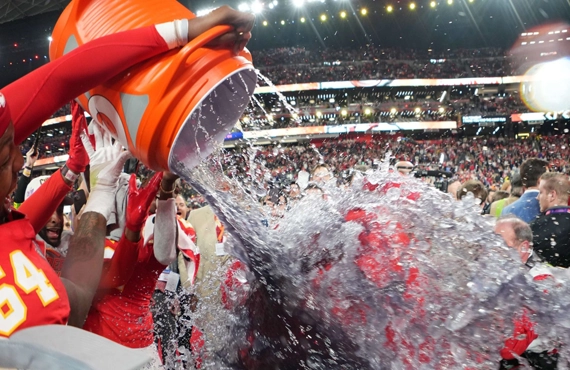
Then there are the more gimmicky props, like the length of the national anthem or the infamous Gatorade shower color, and they got their usual share of attention. But these are always more about luck than any kind of strategy.
Sure, prop bets are way more fun, but all of them aren’t simply a guessing game. Below is how you can go at them with a smarter angle.
- Stick with the prop bets that are grounded in player stats or game trends.
- Ignore the gimmicks unless you’re just betting for the fun of it.
Lessons in Managing Betting Bankrolls
All betting takes discipline, and there’s nothing like the Super Bowl to test your mettle. Do you stick to your plan, or are you gonna throw your bankroll at a last-minute hail mary? Spoiler alert: the second option rarely, if ever, works out.
Avoiding Emotional Decisions
The Super Bowl is an emotionally charged game, and it’s super easy to get caught up in the moment and get carried away. Some bettors chased losses after the 49ers’ strong start, but this only caused them to lose more when the Chiefs came surging back. Then there were those who overbet on long shots during overtime, hoping and praying for a miracle to happen.
Discipline is literally the name of the game, and setting limits before the game even starts is not just smart—it’s an absolute necessity for staying in control.
The following are the best actionable tips for managing your betting bankrolls:
- Divvy up your bankroll into pre-game, live bets, and props.
- Stay with your original plan, even if the game doesn’t go how you expected early on!
Strategies for Team and Player Research in 2025
Data isn’t just nerdy research that tells a story—it actually writes the playbook. Super Bowl 2024 showed us that knowing the stats is necessary homework; it really can be a game-changer for bettors. Ready to put on your analytical hat? Let’s talk research!
What the Super Bowl Taught Us About Data Analysis
Advanced analytics were the unsung heroes of Super Bowl 2024. The NFL teams that used player tracking, predictive models, and in-depth performance stats had a distinctive edge. For instance, Kansas City’s offensive strategy focused primarily on exploiting San Francisco’s secondary, an area analytics flagged as being vulnerable in high-pressure scenarios. And it worked like a charm.
But alas, a lot of bettors totally ignored these analytics. Casual wagers relied way too much on regular-season stats instead of on playoff-specific data. This was a mismatch that left a lot of money on the table.
Sure, numbers don’t lie, but they can definitely confuse people! How can you use analytics to your advantage without feeling like you’re trying to code HTML? By doing the following:
- There are tools like Pro Football Focus, ESPN Stats & Info, or even team-specific blogs to go deeper into performance metrics—use them!
- Pay special attention to playoff data, as it usually highlights how teams are able to adapt under pressure.
- Don’t overlook or ignore any injury reports or player workload stats—these are very telling about who’s running on fumes versus who’s ready to rumble.
The Role of External Factors in Betting
Weather, injuries, random wild cards, oh my! Sports betting can almost feel like you’re gambling on chaos theory. Super Bowl 2024 taught us that what happens off the field actually matters just as much as what happens on it.
Weather, Injuries, and Other Wild Cards
Super Bowl 2024 was played indoors, so weather wasn’t a factor, but injuries and player fatigue absolutely were. There’s Travis Kelce—an MVP contender who was nursing a back issue before the game. Some analysts had questioned his ability to perform at peak levels, but bettors who read the tea leaves (or injury reports) still backed him, as they know that he’s a player who excels in high-stakes situations.
External factors such as these can absolutely swing betting outcomes in dramatic ways. Think about last-minute injuries (remember when the Bengals’ O-line imploded before their playoff run?) or even psychological factors like a team’s morale after a big playoff upset.
Sometimes, it’s the stuff that happens outside of the game—injuries, weather, or team drama—that can change everything. Below is how you can keep these aspects on your betting radar:
- Check injury updates right up until kickoff—most sportsbooks adjust odds late, which leaves room for bettors to pounce on the action.
- Track weather conditions for outdoor games; rain, snow, or wind can impact scoring and favor certain playstyles.
- Think about any external distractions (e.g., controversies or travel fatigue) that could possibly affect team focus.
Preparing for Super Bowl 2025: Building on These Lessons
The countdown to Super Bowl 2025 has already begun! And if 2024 taught us anything, it’s that preparation separates the big winners from the “OMG, what was I thinking?” crowd. Want to get ready to bet smarter this year? Of course, you do!
Anticipating the Next Big Game
Preparation for the Super Bowl goes way beyond just knowing which teams are playing. For the savviest bettors, the main thing is to start early. When you analyze the playoffs, track player form, and get ahead of public opinion, you can find tons of valuable bets well before the kickoff even happens!
A really common mistake is to follow the popular sentiment or narrative blindly. Public bets almost always favor the obvious narratives—like backing the fav team or hyping an overhyped quarterback. But the smartest bettors know that value inherently lies where all of the others aren’t looking.
For example, in 2024, the Chiefs’ running game flew almost completely under the radar, and that offered huge value on rushing props.
Want to bet smarter on the game instead of blindly following the herd? Do the following:
- Make a checklist: Research the team stats, playoff performance, player health, and even the coaching strategies.
- Monitor early betting trends so that you are able to spot where public money might be inflating the odds unfairly.
- Always focus on value betting—the bets where the odds don’t match the actual likelihood of the outcome.
Final Thoughts
Super Bowl 2024 was a really wild ride, but it was more than just an annual football game—it was also a TED talk on betting lessons. From understanding momentum shifts to leveraging advanced analytics, there’s so much that we learned and can use in 2025. The main things to remember? Be prepared, stay disciplined, and be super sharp if and when the unexpected happens—and we are pretty sure there will be some surprises. There always are!
The Super Bowl is so much more than a football game—it truly is a goldmine of insights and info for anyone who is serious about making smarter bets.
Now, let’s put everything we’ve learned into a clear playbook you can use for Super Bowl 2025 (and beyond). Below is a quick rundown of what we learned from Super Bowl 2024 and how you can use it for your 2025 strategies:
– 2024 Lesson: Expert predictions heavily favored the 49ers, but the Chiefs turned the tables with big plays and a truly dominant performance from Mahomes. Pre-game narratives aren’t always reliable.
– 2025 Application: Balance out expert analysis with your own research. Compare stats from multiple sources, review head-to-head matchups, and concentrate on playoff-specific data for a big-picture strategy.
– 2024 Lesson: The Chiefs’ comeback showed the importance of momentum shifts in live betting. Those who reacted fast to the changing odds cashed in big time.
– 2025 Application: Watch the game closely and be ready to strike if and when the momentum changes. Use live betting platforms to track odds in real time and look for important moments like turnovers or injuries to find value bets.
– 2024 Lesson: The over/under line of 47.5 seemed like it was a low number but it was surpassed after late-game scoring pushed the total to 51. Bettors who were focused only on the defensive stats missed the bigger picture.
– 2025 Application: Look past the regular-season averages and see how teams performed in playoffs, under pressure, and in any similar matchups. Use factors like game pace, weather, and player fatigue to make the best predictions.
– 2024 Lesson: Popular prop bets like Mahomes as MVP and Kelce as the first touchdown scorer paid off because they were backed by performance data. And remember that the more gimmicky props are usually all about luck and not any kind of betting strategy.
– 2025 Application: Focus on the props that are tied to player stats and trends rather than gimmicks like the National anthem’s length or the color of the Gatorade. Research players’ playoff performances, form, and matchup advantages.
– 2024 Lesson: Emotional bettors who are chasing losses or overextending during live betting almost always end up in worse positions.
– 2025 Application: Set clear limits on your bankroll before the game starts. Divide your funds into pre-game, live, and prop bets. Do not deviate from your original plan, no matter how tempting impulsive wagers might look.
– 2024 Lesson: Teams that used the most advanced analytics outperformed expectations. The Chiefs’ strategy of exploiting the 49ers’ secondary was data-driven and, obviously, really effective.
– 2025 Application: Use the tools for player tracking and predictive models to identify any trends. Concentrate on playoff stats, injury reports, and fatigue levels to uncover any overlooked opportunities.
– 2024 Lesson: Player injuries, morale, and even psychological factors influenced the game outcomes just as much as the on-field talent.
– 2025 Application: Stay updated on injury reports, weather conditions, and team dynamics—factor in elements like travel schedules or media distractions when assessing your bets.
– 2024 Lesson: Public bettors were really focused on overhyped narratives, and that left value bets on the table.
– 2025 Application: Look for odds that don’t show the true likelihood of an event, and don’t follow the crowd—instead, focus on under-the-radar opportunities. That’s where the higher payouts are.
With all of these important lessons in mind, 2025 can be the year you bet smarter, not harder! Whether it’s pre-game prep, live betting agility, or prop strategy, the Super Bowl has already given you the playbook—you just need to use it.
As you gear up for the big game, keep all of the above lessons in your back pocket—they’re the smartest bets! Cheers to hopefully big wins, and even if you don’t make out like a bandit, at least the commercials are always fun.
Understanding the Public’s Influence on Super Bowl Betting Lines
The Super Bowl is so much more than just a football game—it’s a betting bonanza, even for those who aren’t rabid fans. And every year, without fail, bettors make a mad dash for the sportsbooks and throw down millions of dollars on everything from the final score to what color the Gatorade will be when it’s dumped over the winning coach’s head. But what you may not know is that the bets themselves, especially those that are made by the general public, play an outsized role in influencing the odds and lines you see for the big game.
No, this isn’t about any kind of stats or expert analysis. It’s the way that people will bet—all being driven by emotions, hype, or plain ol’ gut feelings—and that has a serious impact on the lines. So if you want to lay down the smartest bets, understanding exactly how the public influences those numbers is a good place to start!
What Are Super Bowl Betting Lines?
What are betting lines in terms of the Super Bowl? Easy! It’s the structure for all of the wagers that are made on Super Bowl Sunday. And they are set by oddsmakers to level the playing field and bring in bets for both sides of the epic matchup. If you’ve ever seen or heard the terms “point spread,” “moneyline,” or “over/under,” you’re already schooled in the basics of betting lines.
- Point Spreads: These are the things that even out the perceived strength of the teams. If one team is an outright favorite, they might be listed as -7.5. That means that they have to win by at least 8 points for a bet on them to pay out. The underdog gets the other 7.5 points added to their final score for betting purposes.
- Moneylines: These are the most straightforward—just pick the winner, and the numbers indicate how much you’d win on a $100 bet (for underdogs) or how much you’d need to bet to win $100 (for favorites).
- Over/Under (Totals): This bet is calculated on the total points that are scored by both teams combined. Oddsmakers set the number, and you bet on whether the total will be higher or lower.
Oddsmakers set the lines using a combo of the following data: team stats, player performance, injuries, weather conditions, and historical trends. Initially, the lines show what their best prediction of the game’s outcome is, but don’t be fooled—the lines never stay the same! Once the public starts to place their bets, everything can change in an instant.
The Role of the Public in Super Bowl Betting
Super Bowl betting is like a huge party where everyone is invited, and they all get their say—but the loudest voices get the most attention and influence betting lines the most. With millions of people putting their money down, the public’s collective behavior can (and does) have a huge influence on how sportsbooks adjust their lines. It’s not just the pros who are calling the shots; the casual bettor has a hand in it, too!
Here’s how it all shakes out:
- Public Money: These are the bets from everyday fans, and they’re usually made from a place of emotion—maybe it’s a loyalty to a fav team, the hype from sports analysts, or just betting on the team they’ve heard talked about the most. When a ton of people are betting on the same team, it can cause the odds to change—and not necessarily because the team is better, but because sportsbooks are attempting to balance the books.
- Sharp Money: Then you’ve got the sharp bettors, or “sharps.” They are the pros who rely on the cold, hard data when they make their bets. They are in no way swayed by hype or sentiment; they’re only in it for the numbers. When sharps and the public clash on picks, sportsbooks are paying attention because sharp money usually tends to predict outcomes with more accuracy.
What makes the Super Bowl special is the sheer volume of bets. It’s not just the die-hard fans betting but also casual viewers throwing down for fun. The influx of public money amplifies its influence, and that can create chances for sharp bettors to jump on lines that have been changed by public sentiment.
The Super Bowl isn’t just a game—it’s a battle of opinions, hype, and strategy, and the public is always in the thick of it. It doesn’t matter if you’re a regular bettor or just doing it for fun; knowing how public behavior can impact the odds can give you a little extra edge!
How Public Sentiment Shapes Betting Lines
Super Bowl betting has always been a chaotic mix of stats, opinions, and gut feelings, but one thing is for sure: the public will have an influence on the odds. Every year, without fail, millions of bets are placed, and the emotions that make the decisions create a ripple effect through sportsbooks. This shift in the lines means that even the experts have to account for the public sentiment.
Media Hype and Narratives
The media certainly has a way of setting the tone before the big game with the stories that they push. Those stories get into people’s heads, like when they hype up a star quarterback or paint a team as the scrappy underdog. It’s not hard to see that the narratives will influence how casual bettors think.
Take Super Bowl LIV as an example—Patrick Mahomes and the Chiefs were fangirled as the offensive juggernaut, and the public couldn’t resist betting on their obvious potential. The sportsbooks had to change gears as the money rolled in, not because the Chiefs’ odds of winning changed but because the bets were so incredibly lopsided. And remember when the Eagles were pegged as the underdogs in Super Bowl LII? That storyline lit up social media, and suddenly, everyone wanted to back Philly, hoping that the team would fly to a victory.
Social media platforms like X, TikTok, and Instagram act as overwhelming amplifiers. Just one viral clip or a trending hashtag can sway how the public sees a team—and, by extension, how they bet.
Fan Loyalty and Bias
Logic takes a backseat to loyalty in sports, and we get that. Fans are betting with their hearts, not their heads, and sportsbooks know this. That’s why you’ll usually see odds that shift in favor of big-name teams with super passionate fan bases.
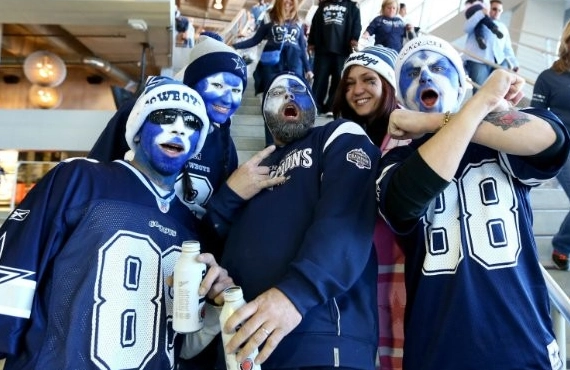
Take the Dallas Cowboys. Love them or hate them, their fan base is enormous, and they’ll put money on the Cowboys no matter how good (or bad) the season has been going. The same thing happened during Tom Brady’s reign with the Patriots—fans inundated sportsbooks with bets on New England, sometimes inflating the lines to a point where betting against them became a really good move for sharps.
And for the smartest bettors? This is a way to capitalize on the inflated odds that are caused by fan-driven wagers.
Trends and Herd Mentality
There’s something about seeing everyone bet on one team that makes it really hard not to follow in their footsteps. It’s human nature, after all! We like to feel like we’ll be on the winning side, so when a betting trend picks up steam, it can snowball fast.
And this is exactly what sportsbooks are counting on. If too many bets pile up for one team, the lines will shift—not because of the team’s actual chances, but to spur action on the other side and balance the books. It’s not uncommon to see point spreads move dramatically in the days leading up to the Super Bowl because of the herd mentality.
What’s really interesting is how psychological this all is. Betting alongside the majority feels safer, but it’s not always the smartest move to make. Sharp bettors know that going against the grain, or “fading the public,” can be where the real opportunities are. Because when lines are moved by emotion and not by solid logic, there’s usually value to be found for those who are willing to swim against the current.
How Oddsmakers React to Public Influence
Sportsbooks aren’t merely bystanders in the betting frenzy—they’re active players, and they are constantly adjusting the game behind the screens. When the public starts to lean heavily toward one side, sportsbooks don’t just sit there and watch the money pile up. They react, and their moves can make or break a bettor’s strategy. The following is a look at how they negotiate the unpredictable nature of public influence.
Line movement is the sportsbook’s literal bread and butter. What is it? It’s how the platforms react to the bets that are coming in and how they adjust the odds or point spreads to keep things in check. It’s kinda like a game of tug-of-war between the public and the books: when too much money goes to one side, the lines change so they can pull bettors back toward the other.
If the majority of bets are placed on the favorite, sportsbooks could increase the point spread to make betting on the underdog more attractive to the public. The adjustment isn’t for changing the actual odds of the game but for controlling how the bets are distributed. What’s the end game here? To make sure that the book doesn’t have a lopsided payout if one side wins big.
Super Bowl betting only amplifies this dynamic. With so much money coming in, even the slightest tilt toward one team can trigger massive line shifts. Oddsmakers are constantly monitoring the action and making real-time adjustments to keep things under control.
Oddsmakers are basically risk managers, and balancing the books is their number one priority. To do this, they have to use three strategies that are designed to spread bets evenly across both sides!
1. Adjusting the Juice: One way sportsbooks nudge bettors is by tweaking the “juice” (the commission charged on bets). They could adjust the payout on a favored team to make betting on the underdog more attractive. It’s a subtle shift that can influence where the money goes without any drastic changes to the line itself.
2. Public vs. Sharp Money: Oddsmakers pay super close attention to who is betting. Public money, which is driven by emotion, usually comes in early, and sharp money—the bets from professional gamblers—comes in later. If sharp bettors back a side that is opposite the public, sportsbooks may overcorrect the lines because they know the pros have a better track record.
3. Prop Bets and Diversions: Super Bowl betting isn’t all about the main line—there are so many prop bets on everything from the coin toss to the halftime show. When prop bets are attractive to bettors, sportsbooks can draw some of the action away from the main line, and that helps them balance their overall exposure.
Yes, balancing the books does decrease risk for sportsbooks, but it also keeps the game fair (or at least it appears to). Bettors are way more likely to stick around when they feel they’re getting a fair shake, and that benefits sportsbooks in the end.
It may seem like sportsbooks are in the biz of picking sides, but it’s not true—they’re in the business to make money, period. They leverage public betting patterns in order to maximize their profits, and that means turning public behavior into a financial advantage as a business move.
– Knowing When to Move the Line: Oddsmakers study public tendencies like eagle-eyed hawks. They know that the more casual bettors will favor popular teams, high-profile players, and media narratives. Because they predict the trends, they are able to set the initial lines that change one side, all while knowing that they can change them at a later date in order to balance out the action.
– Capitalizing on Overreaction: Super Bowl week is overrun with drama—player injuries, weather reports, and media narratives that can all set off betting frenzies. Oddsmakers know the public tends to overreact to any stories, and they will adjust the lines accordingly. And not because the actual odds have changed but to capitalize on bettors’ emotional ups and downs.
– Taking Advantage of the Herd: The public’s herd mentality works so well in the sportsbook’s favor. When one side becomes super popular, oddsmakers can tweak the odds to make the other side more appealing while they are still profiting off the public’s initial overconfidence.
This strategic balancing act is why sportsbooks are so successful! They’re not only reacting to bets; they’re actively molding the betting landscape to make sure that the house always wins—or at least minimizes its exposure to loss.
Real-World Examples of Public Influence on Super Bowl Betting Lines
Look, everyone has their own opinion on the Super Bowl when it’s game day—and most are willing to back theirs up with cold, hard cash. But the influx of bets swing the lines in ways that don’t always line up with the reality of the game. Want some evidence of this in action? Below are some examples of when the public’s influence left a mark on Super Bowl betting!
Historical Line Shifts
- In Super Bowl LIV, the Chiefs faced off against the 49ers. Kansas City opened as the favorites, but a wave of public bets on San Francisco—likely fueled by their dominant performance in the NFC Championship—pushed the line to a near pick’em. The Chiefs ended up covering after a late-game rally, but the swing in the line showed just how much public enthusiasm can tip the scales.
- A more dramatic example happened in Super Bowl XLVIII when the Seahawks took on the Broncos. The line initially favored Denver by 2.5 points, largely due to Peyton Manning’s record-breaking season. But as the public leaned into the Seahawks’ strong defense, the line shifted closer to even by kickoff. Seattle’s blowout win showed how the public’s confidence in a narrative (in this case, “defense wins championships”) can pay off big.
Star Power and Popular Teams
- It’s not exactly a secret that big-name players and storied franchises attract way more bets, and sportsbooks usually fall in line and adapt accordingly. Take Super Bowl LV, where Patrick Mahomes and the Chiefs were heavy favorites over Tom Brady’s Buccaneers. Public bets rushed in on Kansas City, driving up their price and inflating the line. The Bucs ended up pulling off an upset, which proved that being the public darling doesn’t always equate to a victorious ending.
- Similarly, during Super Bowl LIII, the Patriots were up against the Rams. As one of the NFL’s most polarizing teams, the Patriots drew a lot of public money despite the Rams’ impressive season. The heavy backing moved the line toward New England, which created a small window for sharp bettors to capitalize on the Rams’ adjusted odds. New England’s eventual victory kept public bettors happy, but the sharp money on the Rams showed how even a losing bet can be a good one when the line moves too far.
Opportunities for Sharps
- Sharp bettors absolutely thrive when the public tilts a line too far in one direction. Take Super Bowl XLIX between the Seahawks and Patriots as an example—public money poured in on Seattle, which pushed the line to favor them by 2 points. Sharps saw the value in a line that was inflated by public sentiment and jumped on the Patriots. The game ended with a New England victory, and those sharp bettors cashed in big time.
- Another solid example is Super Bowl LII. The Eagles came in as the underdogs against the Patriots, but a deluge of public bets—driven by Philly’s “Cinderella story” narrative—brought their odds closer to even. Sharps, who stuck with the Patriots early on, got much better value on their bets, but those who hopped on the Eagles late still found opportunities when the line was overcorrected. The Eagles’ win showed how sharp and public money can meet up in unpredictable ways.
When the Public Overreacts
- The lead-up to Super Bowl XLII between the Giants and Patriots showcased how public sentiment can cause an overreaction. With New England chasing an undefeated season, the public piled onto their side, pushing the line to -12.5 in favor of the Pats. Sharps, recognizing the absurd value of the underdog, put their money on the Giants. The result? It was one of the biggest upsets in Super Bowl history, with New York not only covering but winning outright.
Public sentiment in Super Bowl betting is both a blessing and a curse—it creates opportunities but also risks for bettors on either side of the line!
Smart Betting Strategies to Navigate Public Influence
Smart betting strategies are the name of the game when it comes to the Super Bowl, and the public’s enthusiasm can and does tilt the odds in a number of ways. To stay ahead of the curve, smart bettors use a combo of research, timing, and a few counter-strategies to steer clear of getting caught up in all of the hype that surrounds it. Want some strategies that can give you an edge? Look below!
If you want to sidestep falling into the same traps as everyone else, then you have to focus on what really matters. Sure, the public narratives are fun to follow, but they don’t always tell the whole story. A better approach? Break the game down into cold, hard facts by doing the following:
– Team Performance Trends: Study how the teams match up, and not just overall but in specific areas. How does the offensive line stack up against the opposing pass rush? Has one team shown any weaknesses in defending deep passes? A level of detail can help you cut through the broad public assumptions.
– Key Player Updates: Injuries are obvious game-changers, but pay close attention to players who fly under the radar. A missing kicker or center probably won’t make major headlines, but it could have a bigger impact than a sidelined wide receiver.
– Weather and Venue: Outdoor games, especially in unpredictable February conditions, are always worth factoring into your bets. Wind, rain, or cold temps can throw off passing-heavy teams, which means those with a strong ground game will be favored.
And lastly, don’t just focus on the stats—compare how both teams have performed under similar conditions in the past. Researching the small but important details can help you spot betting opportunities that others may overlook.
When you place your bet can be as just as important as the bet itself. The Super Bowl is an outlier because it brings in both experienced bettors and the more casual fans, and that causes the lines to shift m in the days (and even hours) that lead up to the kickoff. Timing your bets well can really make a big difference!
– Placing Early Bets: If you believe the public is going to heavily back the favorite, think about locking in your underdog pick early. Early odds are usually closer to the oddsmakers’ initial assessments before the public influence takes over. If the line opens with the favorite at -4, but you think public hype will push it to -6, an early bet could secure much better value.
– Waiting for the Last Minute: If you’re betting against the public, it pays to wait. By the end of Super Bowl week, sportsbooks adjust the lines to account for public money, and this leaves inflated spreads or totals that are ripe for picking. If the public bets heavily on a shootout, the over/under line may rise higher than it should, and that makes a late bet on the under way more attractive.
Keep a watch for any media narratives and late-breaking news—a last-minute injury report or weather update can turn the public sentiment on a dime, and timing your bet just right could give you an edge.
Sometimes, the best strategy you can put into play is to go against the grain. Fading the public isn’t you being a contrarian for the sake of it—it’s just you recognizing when the public’s enthusiasm has skewed the odds in ways that will create profitable betting opportunities!
– Spotting Public Bias: Look for games where public money is heavily tilted in one direction. For the Super Bowl, this usually happens with teams that have larger-than-life stars or die-hard fanbases. If one team becomes the clear “favorite” in the public eye, it’s worth looking at whether their actual chances of covering the spread match up with the frenzied fanfare.
– Evaluating Line Movements: If you see a line shift wildly from where it opened, chances are pretty good that public sentiment is the culprit. If the spread moves from -3 to -6 in favor of a team that everyone loves, the underdog might suddenly offer insane value. Sharps usually take advantage of the inflated lines by betting on the opposite side.
Conclusion: Public Public Sentiment Shouldn’t Blitz Your Bets
By the time the Super Bowl hits your 65-inch HD TV screen, the public sentiment isn’t just loud—it’s deafening and really influential. And knowing how it shapes betting lines? Well, that can mean the difference between making the smartest decisions and making impulsive wagers.
Here’s a highlight reel of catching how the public influences Super Bowl betting lines:
- Public narratives and oversaturated media coverage can sometimes steer betting lines away from their original logic.
- Fan loyalty and her mentality usually inflate the odds for the most popular teams and the star players.
- The smartest bettors are able to see opportunities when the public influence causes betting lines to overcorrect. Fading the public means you can cancel out the noise when the lines are skewed by crowd enthusiasm.
- Picking the right moment to place your bet—whether it’s early or late—can really make a big difference.
The golden rule you should follow for how to bet on the Super Bowl is as follows: don’t let the crowd make your decisions for you. Emotional betting rarely, if ever, pays off! So stick to the research, trust in your analysis, and put on your noise-canceling headphones. This strategy will pay off in the long run when it comes to better (and more profitable) bets.
The public is gonna be loud, but you don’t have to listen—keep your eyes on the pigskin!
The Positive and Negative Effects of Gambling on Communities
Gambling has always been a somewhat polarizing topic between people and the communities they live in. While about half of the population view it as a financial lifeline, the other half are worried about its possible harm to the more vulnerable among us. And the opposing viewpoints? Well, it makes it a subject that stirs up some debate wherever gambling happens.
The pro gambling side see it like this: Gambling has undeniable economic advantages, and that includes job creation to funding public projects via tax revenue. The other side have valid concerns about addiction, crime, and the strain on families, and these are the darker aspects that can’t be swept under the rug. Communities are up against the conundrum of finding ways to manage their impact responsibly! Is there a way to reap the benefits while mitigating harm?
We are going to look at both sides of the spectrum and find out how gambling influences communities—both its contributions and its costs.
Positive Effects of Gambling on Communities
Gambling has turned into a vital part of economic growth for a lot of regions, as it provides a host of benefits. It creates jobs, there is tourism development, and, of course, the tax revenue—its economic impact can go way past the gambling establishments themselves.
Economic Benefits
Job Creation
Casinos are job creators—and that’s a good thing! There are employment opportunities that span across several industries. You need dealers, security personnel, hospitality staff, IT professionals, and administrative roles; they are all part of the ecosystem that supports casinos and other gambling establishments. And the construction and ongoing maintenance of the facilities also bring about more opportunities for local businesses.
In fact, the U.S. gambling industry has created over 300,000 jobs nationwide, which means it brings vital income to thousands of families. In states like Oklahoma, where the industry generates an impressive $10 billion annual economic impact, gambling ranks as one of the largest employers in the region. Similarly, Native American casinos have played an important part in creating economic opportunities, which is needed in historically underserved areas.
And the growth of online gambling sites has further expanded job opportunities, as it needs skilled professionals in tech, marketing, and customer support. The diversification means that urban and rural communities both benefit economically.
Tourism Growth
Some gambling establishments are now full-blown destinations that transform areas into tourism hubs, and they bring in visitors from all over who want entertainment, luxury, and unique experiences all rolled into one trip. An influx of tourists not only fuels the gambling industry but also stimulates the local economy—it brings business to other hotels, restaurants, and shops.

Macau is a perfect example of how gambling can totally transform an entire region. It’s referred to as the “Monte Carlo of the East,” and Macau’s casinos bring in millions of visitors annually—it’s one of the most profitable gambling destinations in the world. The local economy thrives on the influx, and tourists contribute to everything from luxury retail sales to transportation services.
In some smaller regions, casinos serve as anchors for tourism campaigns, and that promotes other attractions in the area. In Oklahoma and Mississippi, gambling venues have been leveraged to draw in visitors, and that boosts the overall hospitality industry in their respective states.
Increased Tax Revenue
One of the most tangible benefits of the gambling industry? The amount of tax revenue it generates. Governments use the funds to support public services, and that includes education, infrastructure, and healthcare. In states like Nevada and New Jersey, gambling tax revenue forms a large part of the budget, and this enables the regions to fund important programs without overburdening taxpayers.
The U.S. gambling industry generates approximately $240 billion annually, with a portion of this going directly to state and local governments. The contributions go toward supporting schools, road maintenance, and public health initiatives, which demonstrates the bigger societal benefits of gambling revenue. And some jurisdictions also allocate a portion of the funds specifically for gambling addiction prevention programs, and that addresses the downsides while also maximizing the public benefit.
Community Development Programs
In addition to economic benefits, gambling operators also contribute to community development via targeted programs and charitable initiatives.
Charitable Contributions
Most gambling companies make it a priority to give back to the communities that they serve. Donations to education, healthcare, and environmental causes are very common.
- For instance, the San Manuel Band of Mission Indians in California has donated millions of dollars to initiatives like the UCLA Law School’s American Indian Studies program, which highlights how gambling revenue is capable of giving support to underfunded areas.
- The trend isn’t unique to the U.S., either. In the UK, the Betting and Gaming Council (BGC) donated a record £172.5 million to help defray gambling-related harm and fund community projects in 2024. The contributions don’t just improve the community’s quality of life—they also show the industry’s willingness to address its social responsibilities head-on.
Revitalizing Struggling Areas
In regions that are facing economic decline, gambling establishments have been seen as a pathway to revitalization. Cities like Detroit have introduced casinos as part of bigger efforts to rebuild their local economies, and that creates jobs and attracts tourism in the process.
The success of gambling hubs in smaller towns underscores their potential to turn struggling communities into more prosperous destinations. When a focal point for investment and development is created, gambling establishments are able to rejuvenate areas that could otherwise lack economic opportunities.
Entertainment Value
Gambling has a lot more than financial benefits on offer; it serves as a recreational activity that brings people together. Casinos are almost always paired with entertainment venues, fine dining, and shopping, meaning it’s a whole experience to be had for its visitors.
Las Vegas has exemplified this approach—almost all of its casinos are integrated into a bigger ecosystem of shows, restaurants, and luxury shopping. Visitors come not just to gamble but also to see live concerts, magic shows, and sporting events! It’s a cultural hub that benefits the broader community.
Even smaller casinos and online gambling platforms add to this by providing fun pastimes. There are multiplayer games, tournaments, and live events that add a social element so that players are able to connect with one another. This fosters a space where gambling is part of a larger entertainment experience.
Negative Effects of Gambling on Communities
The drawbacks of gambling can be big and harmful, particularly when its presence isn’t carefully managed. While the financial benefits are evident, the social and ethical costs can be a strain on communities, and it affects individuals, families, and local economies. From addiction and crime to challenges for small businesses, the issues are obvious to why gambling is still a sore spot for so many people. Below, we get into all of the prescient areas of concern for communities!
Social and Ethical Concerns
The social and ethical impact of gambling is usually front and center in any and all discussions about its effects on communities. Yes, most people only gamble for entertainment—but others will struggle with life-altering consequences if it gets out of hand.
One of the most serious issues that surround gambling is its link to addiction. Problem gambling doesn’t just impact the person suffering—it sends shockwaves through families and neighborhoods. Those who develop a dependency on gambling can find themselves trapped in cycles of debt, lying to loved ones, or possibly turning to criminal activities to fund their habits.
In the United States alone, studies say that millions of people struggle with gambling addiction, and its effects extend to their families and loved ones. Financial instability can result in evictions, repossessions, or bankruptcy, and that means entire households are at risk. Past the financial losses, addiction erodes trust in relationships, isolates individuals socially, and contributes to serious mental health issues like anxiety or depression.
Communities also feel this burden—the need for addiction counseling services, mental health support, and intervention programs puts an additional strain on local resources. Governments and charities usually step up and in to fill the gaps, but the efforts are rarely able to keep pace with the demand for help.
Crime tends to go up in areas with a strong gambling presence. This is due to the availability of cash, and it’s combined with the desperation that problem gambling can cause. It can lead to theft, fraud, or, sometimes, organized crime.
Think about the urban areas where casinos are prominent- there are studies that suggest that petty crimes like pickpocketing and shoplifting go up, as does white-collar crime like embezzlement. Gambling addiction has caused people to commit fraud at their workplaces or target family members financially. And gambling establishments have been linked to money laundering schemes, which further complicates the picture.
Local law enforcement has a hard time addressing any spikes in criminal activity, especially if the resources are already stretched thin. While gambling revenue can help fund police departments, the relationship between crime and gambling is still a serious challenge for communities to negotiate.
Gambling also stirs up ethical and cultural debates, particularly in the more conservative or religious areas of the world. A lot of people see gambling as being inherently immoral, as they associate it with greed or vice. The objections cause a really strong resistance when any new gambling establishments are proposed.
In rural towns or communities that are rooted in specific cultural traditions, the introduction of casinos or betting shops can be seen as a threat to their very way of life. Even in the more urban settings, opposition groups have raised concerns about how gambling could erode social values or encourage risky behavior among youth.
This type of pushback has, in some cases, prevented the establishment of gambling hubs. But the debate rarely ends there, as communities still have to grapple with the societal implications of the already existing gambling activities.
Economic Drawbacks
While gambling is frequently touted as being a powerful economic driver, it does come with its own financial risks and challenges for communities.
A big criticism of gambling is how it tends to take money from those who can least afford to lose it. Lower-income individuals are usually more vulnerable to the lure of gambling, as they tend to see it as a way to improve their financial situations. Unfortunately, this gamble rarely, if ever, pays off and can worsen economic inequality.
Take neighborhoods where casinos are easily accessible—the residents with limited resources may prioritize gambling over essentials like rent, groceries, or medical care. In some cases, they might turn to predatory loans or credit cards to fund their habits, and that creates long-term financial damage.
The disproportionate impact raises grave ethical questions about the fairness of gambling’s economic contributions. While tax revenue does benefit public projects, much of it comes from those who can least afford the loss, and that’s a troubling dynamic for communities.
Another economic concern is how gambling establishments can overshadow or even harm smaller businesses in the local area. Casinos, especially the larger ones, usually function as all-in-one destinations. Visitors will probably spend their money only within the casino’s ecosystem, which leaves very little for the surrounding businesses.
The small restaurants, shops, or family-owned venues that are located near a major casino will struggle to compete with the convenience, promotions, and entertainment that’s offered by larger gambling hubs. Over time, the imbalance can hurt local economies, and it makes them too reliant on the success of the gambling industry.
And the communities that depend heavily on gambling revenue also can face financial vulnerability during economic downturns or shifts in consumer habits. If a casino or gambling hub loses popularity, the surrounding area could suffer from a significant economic fallout.
Health and Social Well-being
In terms of economic and social challenges, gambling can have a profound effect on the mental health and overall well-being of people and families.
The connection between gambling addiction and mental health struggles has been well-documented. People who gamble excessively usually have heightened anxiety, depression, and sometimes suicidal thoughts. The stress of financial losses and the guilt of harming their loved ones compound these feelings, and that makes the road to recovery even harder.
If someone has lost significant amounts of money by gambling, they will probably feel a sense of hopelessness or self-blame, and that can result in isolation or self-destructive behavior. Mental health services play a critical role in supporting these individuals, but not all communities have enough adequate resources to address the scale of the problem.
In some cases, the presence of gambling establishments only exacerbates the issues by normalizing any kind of risky behavior. This creates an environment where vulnerable people are much more likely to develop harmful gambling habits.
Families often bear the brunt of problem gambling. Financial strain is one of the most immediate consequences—there are households that are struggling to pay bills or meet basic needs due to gambling losses. But the impact goes beyond money.
Trust and communication within families can break down when one member is hiding their gambling habits or racks up debts without anyone else knowing. Spouses will very likely feel betrayed, and children can suffer from a lack of stability. In extreme cases, gambling-related stress is the cause of separations, divorces, and domestic disputes.
The community at large also feels these effects. Schools, healthcare providers, and social services will step in to support any families in crisis, which means there is an additional demand for already stretched resources.
Balancing the Pros and Cons
Communities face a delicate balancing act when it comes to gambling. Yes, the economic advantages are good, but the social and ethical drawbacks demand serious attention. Finding a middle ground involves proactive strategies, regulations, and community involvement to maximize benefits while minimizing harm.
Strategies for Responsible Gambling
Responsible gambling initiatives can greatly decrease the negative effects of gambling—they are aimed at educating the public, protecting vulnerable populations, and promoting healthier habits!
Self-Exclusion Programs
Self-exclusion programs are when individuals voluntarily ban themselves from gambling establishments or online gambling sites. It’s a good tool for those who are struggling with addiction, and it gives them a better semblance of control over their gambling habits.
Take the example of voluntary exclusion programs in countries like Canada or the UK. The systems are designed to prevent access to casinos or betting apps and are paired with counseling and support services. By removing the temptation, the programs help people regain the stability they once had in their lives.
Gambling Education
Educating people about the risks of gambling is another super effective way to address its negative effects. Schools, workplaces, and community centers can offer workshops or resources that teach people how to gamble responsibly!
There are campaigns like public service announcements or social media outreach that showcase the real dangers of gambling addiction. The efforts go a long way in raising awareness and encouraging people to approach gambling with caution.
Tools for Addiction Prevention
Modern technology has introduced a lot of powerful tools that can help people monitor and manage their gambling habits. There are budget trackers, time-limit reminders, and spending caps, and all are increasingly being offered by online gambling sites in order to promote responsible behavior.

Including these tools as standard features on gambling platforms guarantees that all users have the resources to stay within their limits. Governments and regulatory bodies play an important role in making all of these safeguards mandatory across the industry.
Regulatory and Community Roles
The role of governments and local communities is also central to making sure that gambling’s benefits are harnessed responsibly while its harms are mitigated.
Effective Regulations
Governments must implement and enforce regulations that protect individuals and uphold fairness within the gambling industry. Licensing requirements, advertising restrictions, and mandatory contributions to community funds are just some of the ways that authorities can ensure gambling operates responsibly.
Consider the example of Sweden, which introduced strict gambling regulations to curb addiction while maintaining a state-controlled monopoly. This approach balances economic benefits with protections for vulnerable populations.
Including restrictions on high-risk activities, such as credit-based gambling, is another effective regulatory measure. By reducing access to risky behaviors, governments can help safeguard individuals from financial and social harm.
Community Involvement
Local communities also play a vital role in how gambling impacts areas. Town hall meetings, public consultations, and advocacy groups all allow residents to voice their concerns and influence any decisions that are made about gambling establishments in their areas.
Take the efforts of grassroots organizations that lobby for better funding for addiction services or tighter regulations on casinos. The groups amplify the voices of those directly affected by gambling, and that guarantees that any policies reflect the needs of the community.
Collaboration between governments, gambling operators, and local organizations can build a much more balanced approach. Public-private partnerships that fund addiction recovery programs are an example of how stakeholders can work together to address any of gambling’s challenges.
Conclusion: The Verdict? Gambling is a Mixed Bag
It’s not a simple black-and-white issue—there are so many gray areas! Gambling is neither purely beneficial nor wholly destructive—it’s a nuanced issue that affects communities in all kinds of different ways. And meeting in the middle takes an understanding of both the positives and the negatives, as well as a strong and continuing commitment to responsible practices.
Keep reading for a recap of the positive and negative effects of gambling on communities:
- Economic benefits: Gambling creates jobs, boosts tourism, and generates tax revenue for public projects.
- Social and ethical concerns: Addiction, crime, and cultural opposition all show there is a darker side of gambling.
- Economic drawbacks: Gambling can disproportionately affect lower-income people and hurt small businesses.
- Health and well-being: Mental health struggles and family strain are really common outcomes of problem gambling.
- Solutions: Responsible gambling strategies and effective regulations can help communities manage any impact gambling has.
When it is approached in a responsible way, gambling has the potential to uplift communities and fund important initiatives. But we can’t ignore the possible risks just because there are benefits. There must be supporting education, advocating for better regulations, and furthering community dialogue. That way, we can make sure that gambling’s benefits are not offset by its harms.
FAQs
We get a lot of feedback on this particular issue, and for good reason! Below are some of the most frequently asked questions our readers have sent us about this sensitive topic.
What Are the Economic Benefits of Gambling in a Community?
Gambling can boost local economies by creating jobs, attracting tourists, and generating tax revenue. The funds are used for public projects like schools, infrastructure improvements, and more healthcare services.
How Does Gambling Negatively Affect Families?
Gambling addiction can cause financial instability, emotional stress, and broken trust within families. In the most severe cases, it can cause separations or divorces, and that will leave long-lasting emotional scars for those impacted.
Can Gambling Reduce Unemployment Rates?
It can! Gambling establishments do create lots of job opportunities, and they range from customer service roles to administrative positions. But the long-term sustainability of these jobs all depends on the overall health of the gambling industry in the area where it is located.
What Measures Can Prevent Gambling Addiction?
Self-exclusion programs, educational campaigns, and tools like spending caps are all effective ways to stop gambling addiction before it starts. Governments and gambling operators have to work together to make sure that these resources are widely and readily available.
Is There a Way to Balance Gambling’s Benefits and Drawbacks?
Balancing gambling’s effects takes a combination of strong regulations, community involvement, and responsible gambling strategies. Transparent policies and collaboration between stakeholders can help communities harness its benefits while decreasing any harm.