Why Prediction Markets Scare Regulators
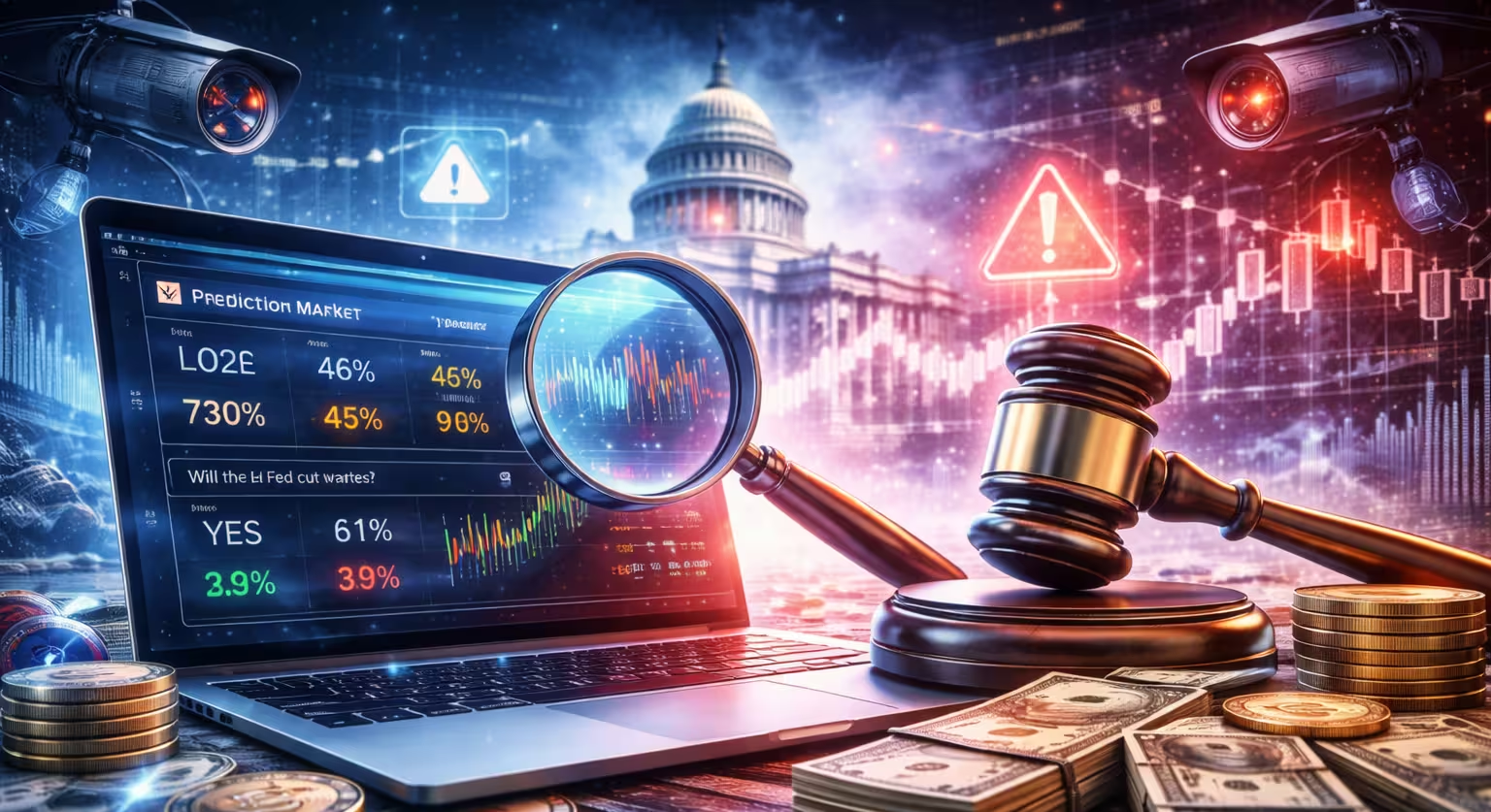
Prediction markets are here to take over the world. Not really, but there should be a prediction market for that very thought. Even if it’s silly, regulators would probably still fear the potential of it becoming true.
In all seriousness, prediction markets are a problem area for regulators. This isn’t just sports betting. Rather, prediction markets turn beliefs or opinions about actual real-life events into tradeable prices.
This can effectively operate as a public information alarm. The downside in the eyes of regulators? It can go against official narratives in elections, for policy, and so much more, while also potentially manipulating incentives and blurring lines between gambling, investing, and global decision-making.
A quick buck for a sharp prediction bettor just might burn the world down. Not really, but regulators are already fearing the worst – and they have (some) reason to.
The Core Problem: Markets Predict Better than Institutions
If you’re an institution, it’s a bad look when markets predict outcomes more accurately than you do. It doesn’t happen every time, but it’s happening with enough regularity for people to start taking notice.
Things like expert panels, polls, and forecasting models aren’t as accurate as they used to be. And there’s a simple reason for that. Having a wrong opinion doesn’t cost you anything inherently, but wrong prices can absolutely cost you money.
Naturally, when market price contradicts messages from the top, credibility is questioned:
- Market is right = institution is out of touch
- Market is wrong = institution is weak for suppressing it
- No matter what, authority becomes fragile and is questioned
Prediction markets aren’t just earning people money. They are (at least sometimes) potentially swaying real-world issues and undermining massive institutions in the process.
Even if this isn’t happening consistently at a high level, the belief that it’s happening at all raises major concern for the people and entities it impacts the most.
What Prediction Markets Actually Are

New to prediction markets? Perhaps I should have led with what they were before shoving an institutional fear down your throat. No matter, they’re simple to define and even easier to comprehend:
Prediction markets, by definition, are event-based contracts that resolve on real-world outcomes.
They have binary or range-based pricing tied to probability, not just someone’s opinion. You can find most of the top markets at popular prediction market sites like Kalshi and Polymarket.
Put simply, you can do more than just predict the future; you can profit from it. Virtually anything that can or will happen in the real world has a price, and you get to decide what the price is, how likely something is, and whether you think it will happen.
The Official Regulatory Objections (And Why They’re Incomplete)
Prediction markets sound pretty great, am I right? In theory, sure, but not everyone is a fan, and there are pitfalls to be aware of for both consumers and outside entities alike.
Here’s what regulators dislike about them the most:
- Consumer protection
- Market manipulation
- Election interference
The first fear is that consumers are not properly protected and that they can be exposed to financial harm, gambling addiction, or even deceptive products. This risk isn’t new or any different than regular sports betting or general gambling, however.
Mark manipulation is another fear from regulators, as bad actors could distort prices to the point where they mislead participants or deliver false signals. Given the fact that prediction markets are often interpreted as the truth, the potential manipulation of markets and consumers exists.
Additionally, election-related markets could possibly impact voter behavior. This can create erroneous narratives, enable foreign interference, or simply disrupt the election process altogether. Regulators are concerned market odds could be confused as official forecasts or misused as political messaging tools.
Why These Explanations Don’t Hold Up
The easiest rebuttal to this is that prediction markets aren’t much different than regular gambling. Whether you bet on a sporting event or pull a lever on a slot, you’re assuming risk, whether it be financial or emotional.
Market manipulation also already exists in the form of equities, crypto, the media, and even polling. Social media and other platforms can sway voters just as easily as a prediction market can, if not more so.
The Real Fears from Regulators
There are the public concerns regulators have, and then there are the real fears they have internally. Here’s what they’re actually worried about.
Loss of Narrative Control
Regulators don’t just want a say in what happens; they ideally control it. They start losing control of the narrative, and over time, they also lose control over the outcome of certain events.
Markets aggregate money-weighted belief. These are no longer just people’s opinions. They become what people actually think will happen. Prices also can’t be re-explained or altered after the fact, making the ability to manage narratives and control public perception increasingly harder.
Prediction Markets Break Regulatory Categories
Regulators want things nice and clean, easy to digest, and as noted, simple enough that they can dictate things without anyone noticing (or caring).
They are reliant on things staying tidy so they can enforce the rules, but prediction markets open things up to confusion, blurred lines, and utter chaos.
Naturally, prediction markets live in a weird overlap, and that disconnect (or odd connection) weakens their stranglehold on each specific situation.
Why Political Markets Trigger the Most Pushback
Regulators don’t care about what sports team you bet on or how much you win at the slot machine. But they do care how your opinion or prediction market wagering can impact things that actually matter.
Things like elections, which lead to law changes, state and federal shakeups, and a great fluctuation when it comes to the balance of power.
Elections morph from a 50/50 toss-up to high-stakes prediction contracts. Markets price outcomes before votes are counted, which can show where everyone is leaning – or more importantly, influence where they should go – before the votes are ever cast.
This can shape perception, undermine legitimacy narratives, and lead to market manipulation. Suddenly, your vote and what laws get passed are truly in the power of your hands, and that isn’t necessarily what the regulators actually want.
The CFTC Gray Zone Problem
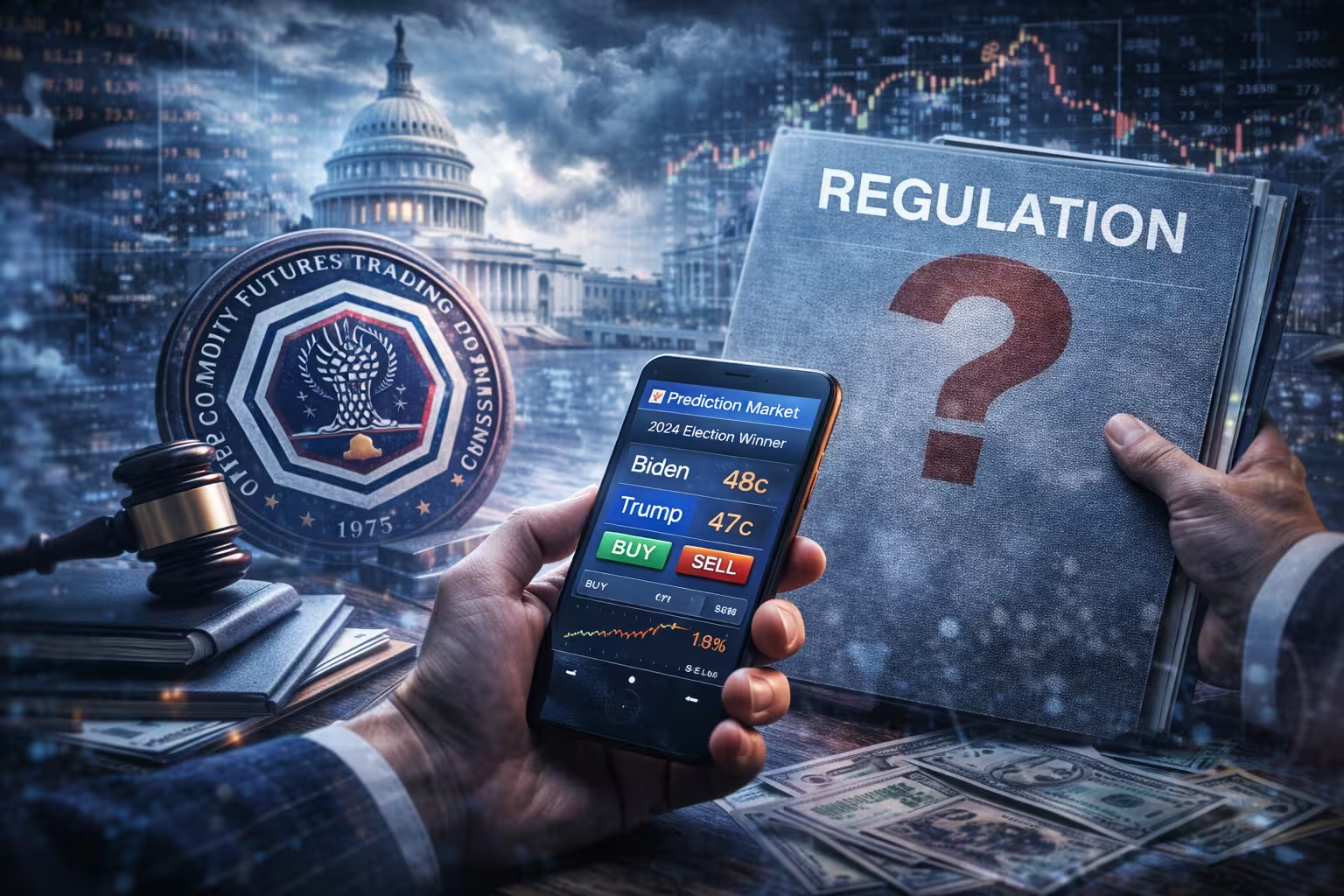
The Commodity Futures Trading Commission (CFTC) exists to regulate derivatives tied to commodities, interest rates, and financial risk. Markets that price human beliefs or social outcomes aren’t part of the plan.
Prediction markets float around somewhere between financial instruments and informational tools, making them tough to label under existing statutory authority.
Due to this, regulatory insight becomes erratic at best. Rather than clearly defined rules, platforms are subjected to informal guidance, no-action letters, or conditional approvals without much of a heads-up.
The result? Regulation ambiguity. That isn’t a spot regulators are comfortable with.
Why Regulators Prefer Polls Over Markets
Regulators love a good poll. They’re soft, explainable, and easy to deny. They don’t hurt anyone, and they keep the control in the hands of the regulators.
Markets, on the other hand, create hard prices with transparent financial backing. In addition, bad polls can be easily dismissed, while poor market prices can expose systemic blind spots.
It keeps going back to the running theme; regulators like to regulate, and they want to regulate you, your voice, and the outcome of anything you’re attached to. They can’t do that with prediction markets.
Prediction Markets Threaten Control, Not Safety
There’s an argument to be made for and against prediction markets. Not in the eyes of regulators, though.
If you ask them, prediction markets replace authority with probability, they swap narrative for math, and they remove expert opinion and turn to aggregated incentives.
Regulators aren’t afraid of betting. They’re afraid of losing informational dominance. When you use prediction markets, you’re not doing anything that’s less safe than any kind of betting you already enjoy. You’re just partaking in the process of threatening the regulator’s control.