
The 6 Most Luxurious Casinos Around the World (and How to Visit Them)
Walking into a luxurious casino feels like you are transported into another world—a place where every single detail is designed to elicit “ooohs” and “aaahs,” and the air feels like it is actually infused with indulgence and exclusivity. These places aren’t just for gambling; they’re about experiencing the tippy top of luxury, and the surroundings are a work of art.
We are going to take a bougie trip to some of the most extravagant casinos around the world, seeing what exactly makes each one so special, from their stunning architecture to the first-class amenities that bring in the rich, the famous, and the high rollers. And because daydreaming about these places is fun, but visiting them would be amazing, we’re gonna give you some tips on how you can make it a reality—whether it’s a quick weekend getaway or a once-in-a-lifetime trip that will exceed your vacay expectations!
Ready to learn all about six of the world’s most luxurious casinos? Pack your bags, make sure your passport is current, fasten your seatbelt, and return your seat to the upright position—we’re taking off!
What Defines a Luxury Casino?
Luxury casinos are so much more than just places to gamble—they’re destinations that fuse high-end gaming with lavish amenities and world-class services. They’re establishments that cater to an elite clientele who expect nothing short of excellence in every aspect of their stay. But what exactly sets a luxury casino apart from a regular casino? A lot, actually!
Characteristics of a Luxury Casino
We don’t really have to define what makes a luxury casino luxurious—you just know one when you see it. But we are going to tell you the characteristics anyway! Be warned: we will be using the word “luxury” a lot, as it can’t be overstated for the purposes of this topic.
- Extravagant Design and Architecture: The architecture of a luxury casino is usually its most noticeable feature, at least to the naked eye. They are meticulously designed to be eye-poppingly gorgeous, with grand entrances, luxurious interiors, and art that could rival a museum. The Monte Carlo Casino in Monaco is beloved for its opulent decor: there are crystal chandeliers, frescoes, and gilded ceilings, making it an architectural marvel that doesn’t just speak—it screams—to the wealth and glamour of Monaco.
- Exclusive Gaming Rooms for High Rollers: Luxury casinos have exclusive spaces where high-stakes players can have a private and elite gaming affair. These rooms are just for obscenely high betting limits—it’s a quiet and lush atmosphere. The Bellagio in Las Vegas is famous for its high-limit poker room known as “Bobby’s Room,” where professional players gather for games with blinds that can exceed $4,000/$8,000.
- Michelin-Starred Restaurants and Fine Dining: Dining at a luxury casino is an adventure unto itself—most house Michelin-starred restaurants where the culinary offerings are as varied as the slot machine options. The Wynn Macau boasts several award-winning dining establishments, including those helmed by celebrity chefs with everything from gourmet steaks to exquisite seafood dishes.
- Luxurious Hotel Accommodations: The accommodations in a luxury casino are nothing short of spectacular—guests can expect to stay in suites with stunning views, elegant decor, and top-of-the-line amenities. The Wynn Macau has over 2,000 deluxe suites embody Venice’s elegance and romanticism, complete with gondola rides through its indoor canals.
- World-Class Entertainment: Entertainment is a huge draw at luxury casinos, and they host concerts by world-famous artists, Broadway-style shows, and have high-end performances that cater to their affluent guests. Even the water performs—The Bellagio’s famous fountains perform a show that’s set to music and lights. The water!
- High-End Shopping: Luxury casinos always have out-of-this-world shopping, with couture for days in high-end boutiques and designer stores that have everything from the latest runway fashions to high-end jewelry. The Wynn has a Chanel and Louis Vuitton in the lobby—there’s always some upscale shopping.
- Spa and Wellness Facilities: After a long day of gambling and exploring, guests at a luxury casino can unwind in world-class spas that have treatments that will pamper and rejuvenate. The Marina Bay Sands in Singapore is home to the Banyan Tree Spa, which has both breathtaking views of the city and luxurious, relaxing treatments.
The Role of Service and Exclusivity
Personalized service and exclusivity are the linchpins of any luxury casino trip. Guests are treated like literal royalty (and they have had royals stay there), with staff anticipating their every need and delivering a discreet and attentive service. VIP services, like private gaming salons and dedicated concierge teams, guarantee that every single aspect of the guest’s stay is tailored to their preferences. You’re the VIP!
Celebrity Guests and Famous Events
Luxury casinos are not just exclusive playgrounds for the uber-rich; they are also frequented by celebrities and host some of the world’s most prestigious events. The Bellagio has long been a hotspot for celebrity poker tournaments, attracting famous players like Daniel Negreanu and Phil Ivey. Meanwhile, the Monte Carlo Casino has long been a favorite among European royalty and Hollywood stars, with its storied history and luxurious surroundings making it a no-brainer for high-profile events.
These casinos combine beautiful design, exclusive gaming, fine dining, and unparalleled service to create a place where guests can indulge in the finest things life has to offer. These establishments are more than just places to gamble—they are hot spots that give visitors a chance to sit in the lap of luxury.
A Global Tour of the Most Luxurious Casinos
Luxury casinos sit in spots all around the world, and each one has its own kind of opulence, entertainment, and high-stakes gaming that attracts the world’s elite. From the dazzling lights of Las Vegas to the historical grandeur of Monte Carlo, they aren’t just places to play blackjack—they’re destinations where the entire experience is sure to leave a lasting impression. We’re going on a trip that will showcase the most extravagant casinos that set the bar for luxury and sophistication. It doesn’t matter if planning a lavish getaway or simply want to indulge in a little virtual wanderlust; these six casinos represent the apex of what the gaming world has to offer!
1. Monte Carlo Casino – Monaco
The Monte Carlo Casino is the epitome of elegance and opulence, standing as one of the most iconic gambling destinations in the world. Located in the center of Monaco, this casino is not just a place to play games; it’s a symbol of luxury and sophistication. The casino’s stunning Belle Époque architecture, designed by the legendary Charles Garnier, who, fun fact, also designed the Paris Opera, reflects its historical importance. Built in 1863, the Monte Carlo Casino has been a lodestar of glamour for over a century, bringing in the world’s elite, including royalty and celebrities, and playing a major role in shaping Monaco’s image as an amusement park for the rich and famous.
The interior of the casino is just as breathtaking as its exterior, with marble columns, gilded ceilings, and intricate frescoes that transport visitors back to a time of grandeur. It’s not only a casino but a cultural landmark, having hosted tons of prestigious events, from operas to ballets, that only add to its status as a hub of luxury and culture.

Unique Features
The Monte Carlo Casino has several unique features that distinguish it from other luxury casinos around the globe. One of its most notable aspects is the exclusive gaming rooms, private rooms that cater to high rollers who want privacy and a more refined gaming experience. The Salle Blanche Lounge has gaming tables on a terrace that overlooks the Mediterranean Sea, which is a truly exceptional time for its VIP guests.
The casino’s location adds to its allure—situated on the Mediterranean coast, the views from the casino are nothing short of spectacular, with luxury yachts docked in the distance. The casino’s proximity to other major attractions in Monaco, like the Formula 1 Grand Prix circuit and the Monaco Yacht Show, makes it a central piece in the principality’s luxurious appeal. Visitors can spend their days checking out the nearby attractions and their nights partaking in the exclusivity of the casino.
In addition to its gaming rooms, the Monte Carlo Casino also houses exquisite dining options, like the Michelin-starred Train Bleu—upscale Italian cuisine in a setting that harks back to the golden age of rail travel. The Salon Rose, another dining option, fuses Asian and Mediterranean flavors, giving guests a delicious culinary affair with amazing views of the sea.
How to Visit
As for visiting the Monte Carlo Casino, which is a bucket-list adventure for many, there are a few things to keep in mind to make the most of your visit.
- The casino is open to visitors from 10 AM to 1 PM for tours, and the gaming rooms are open from 2 PM until 4 AM.
- To access the gaming rooms, you’ll need to be at least 18 years old and present a valid photo ID, like a passport or a driver’s license.
- Citizens of Monaco are actually prohibited from entering the casino—which is weird—but this only adds to its mystique.
The dress code at the casino is strict, particularly in the evening when classy attire is required. Gentlemen are expected to wear jackets, while ladies opt for evening dresses or cocktail gowns. During the day, the dress code is a little more relaxed, but it’s still advisable to dress well so you don’t stick out like a sore thumb or feel out of place.
When it comes to accommodation, there are several high-end hotels nearby that complement the luxurious feel of the casino.
- The Hôtel de Paris Monte-Carlo, located right next to the casino, is one of the top choices, and has gorgeous rooms and suites, as well as Michelin-starred dining options.
- Another excellent option is the Fairmont Monte Carlo, which is just a short walk from the casino and has the same stunning views of the Mediterranean, along with its own variety of luxury amenities.
Monte Carlo is easily accessible by air, with the nearest airport being Nice Côte d’Azur Airport, about a 30-minute drive away. From there, you can reach Monaco by car, helicopter, or even take a scenic train ride along the coast.
Whether you’re there for the gaming, the history, or just to soak in the atmosphere and rub elbows with the elite, visiting the Monte Carlo Casino is a trip that has luxury, culture, and high society.
2. The Venetian – Las Vegas, USA
The Venetian in Las Vegas is a striking building and is a glowing tribute to the charm and romance of Venice, Italy, with an unmatched level of grandeur on the Las Vegas Strip. This mega-resort is a mix of Italian elegance and Vegas extravagance, making it one of the most iconic destinations in Sin City. From the second you walk inside, you’re taken to a world where Renaissance Venice meets the high-energy atmosphere of modern Las Vegas. The Venetian redefines what it means to stay in a luxury hotel in Las Vegas with its intricate architecture, lavish decor, and an assortment of luxurious amenities.

Unique Features
In our opinion (and we aren’t alone), the most noticeable aspect of The Venetian is its meticulous recreation of Venice’s most famous landmarks. The resort has replica canals complete with gondola rides, where guests are able to glide along the water under a painted sky, serenaded by singing gondoliers. This is a hallmark of The Venetia—a romantic and immersive taste of Italy right smack in the center of a desert town.
The resort boasts one of the largest casino floors in the city, covering 120,000 square feet. It’s a paradise for gamers, with a huge variety of slot machines, table games, and poker rooms. The Venetian also has high-limit areas for those looking for a more exclusive gaming spell. The casino’s design, with its marble floors and hand-painted ceilings, adds a level of sophistication that singles it out from the other casinos on the Strip.
The accommodations at The Venetian are another highlight—every room is a suite, and even the standard Luxury King Suite has a whopping 650 square feet of space (that’s a lot for a hotel room), a sunken living room, and a marble bathroom with a Roman tub. The suites give visitors a perfect blend of comfort and luxury, making them an ideal retreat after a day of adventures or gambling.
In addition to its luxurious accommodations and expansive casino, The Venetian is celebrated for its world-class entertainment. The resort regularly hosts top-tier shows, including performances by Cirque du Soleil and the Blue Man Group. For those looking to partake in the nightlife, TAO Nightclub has an extravagant atmosphere with Asian-inspired decor and some of the biggest DJs in the world spinning. Meanwhile, the Venetian Theater hosts concerts and events as well, which means more entertainment that caters to all tastes.
Dining at The Venetian is another escapade in itself, with a range of options that cater to every palate. From the fine dining of Mott 32, which specializes in Chinese cuisine, to Delmonico Steakhouse by Emeril Lagasse, the resort’s restaurants are among the best of the best in Las Vegas. The Grand Canal Shoppes also have luxury shopping, with a mix of high-end boutiques and couture stores, all set against the backdrop of Venetian-inspired architecture.
How to Visit
Planning a trip to The Venetian is more than just booking a room; you are curating an excursion that will let you fully enjoy everything the resort offers. The Venetian is located on the north end of the Las Vegas Strip, making it easily accessible from McCarran International Airport. If you’re driving, the resort has lots of parking, including valet service for guests.
When booking a suite, think about the kind of visit you want—The Venetian has a number of suite options, from the standard Luxury King Suite to more opulent rooms with extra amenities and better views.
For the best deals, it’s worth checking the resort’s website directly, as they sometimes have promotions that include discounts on suites, dining, or entertainment packages.
The Venetian is not just about where you lay your head; it’s about what you do while you’re there. Make sure you book tickets for shows you want to see in advance, as popular performances like Cirque du Soleil sell out fast! For dining, reservations are highly recommended, especially for the more exclusive restaurants like Bouchon by Thomas Keller or the TAO Asian Bistro.
When it’s time to explore the resort, set aside an hour to enjoy a gondola ride along the Grand Canal, and don’t miss the chance to walk through St. Mark’s Square, where you can take in street performances and pop into the high-end shops. If relaxation is on your agenda, the Canyon Ranch Spa + Fitness has a host of treatments designed to pamper and rejuvenate.
And don’t you dare forget to explore the surrounding area! The Venetian’s central location on the Strip means you’re within walking distance of so many other famous resorts and attractions. The nearby Wynn Las Vegas has a ton of dining and entertainment options, while the Mirage, which sits just across the street, is home to the iconic volcano show.
3. Marina Bay Sands – Singapore
Marina Bay Sands is a modern architectural marvel that has quickly become an iconic symbol of Singapore. Its futuristic design, featuring three 55-story towers connected by a massive rooftop SkyPark, is a testament to cutting-edge engineering and luxury. The rooftop infinity pool, which looks like it is floating above the city skyline, is a breathtaking feature that brings in visitors worldwide. This hotel and entertainment complex is more than just a place to stay—it’s a destination that redefines luxury in the heart of Singapore.

Unique Features
Marina Bay Sands is fabled for its SkyPark, a massive platform that sits atop the three hotel towers. This SkyPark has a 150-meter-long infinity pool where guests can swim or float with an unparalleled view of Singapore’s skyline. Lounging by this pool, especially at sunset, is something that leaves an impression on every visitor.
The resort also has a luxury shopping mall that houses some of the world’s most prestigious brands. Designed with a sleek, modern aesthetic, the mall has high-end shopping alongside novel attractions like an indoor canal, where visitors can take boat rides! Dining at Marina Bay Sands is equally impressive, with restaurants led by celebrity chefs like Gordon Ramsay and Wolfgang Puck—it’s a solid range of gourmet cuisines.
Another highlight is the ArtScience Museum, which merges art and science in a series of interactive exhibits. The museum’s lotus-shaped structure is an architectural “wow” and a cultural hub hosting rotating exhibitions from everywhere.
The casino at Marina Bay Sands is one of the largest in the world, with every gaming option spread out over four levels. With over 600 table games and 1,500 slot machines, it caters to both casual gamers and high rollers. The beautiful design of the casino floor, combined with its huge selection of games, makes it a main attraction within the resort.
How to Visit
Planning a trip to Singapore and staying at Marina Bay Sands is a memorable adventure—but it does take some preparation. Singapore is a major international destination, easily accessible via Changi Airport, which has direct flights from numerous global cities. Once in Singapore, reaching Marina Bay Sands is no sweat—there are taxis, public transportation, and private transfers available.
When booking a stay at Marina Bay Sands, check out the different room types, particularly those with views of the Gardens by the Bay or the city skyline. Booking directly through the hotel’s website is advisable to secure the best rates and access exclusive amenities, including that amazing infinity pool.
It’s super important for international visitors to check visa requirements before traveling to Singapore! Most nationalities can enter Singapore without a visa for short stays, but it’s always smart to confirm based on your country of origin.
Singapore’s public transport system is solid and well-connected, so it is easy to get around and explore other attractions near Marina Bay Sands, like the Merlion, Clarke Quay, and Orchard Road
4. Casino de Ibiza – Ibiza, Spain
Casino de Ibiza is a chic, modern destination for those who want to take advantage of both high-end gambling and the amazing nightlife that Ibiza is famous for. Located within the luxurious Ibiza Gran Hotel, this casino is a beacon of elegance and sophistication on the island. It combines the allure of a stylish gambling venue with the energetic vibe of Ibiza’s party scene, making it a must-visit for both locals and tourists. Whether you’re looking to try your luck at the tables or just soak in the upscale atmosphere, Casino de Ibiza is a novel mix of entertainment and luxury.

Unique Features
Casino de Ibiza is not just any casino; it’s a carefully curated affair created to match the high standards of Ibiza’s elite. The casino has exclusive gaming rooms where high rollers can gamble privately and top-notch service. The design of the casino is sleek and modern, with interiors crafted by Spanish architect Patricia Urquiola, giving it a sophisticated, James Bond-esque feel.
The casino’s biggest advantage? The proximity to some of Ibiza’s best beach clubs and nightlife spots. After a day spent lounging on the beach or partying at venues like Ushuaïa or Pacha, you can head over to the casino for a night of gaming. The casino is also known for its VIP packages, which include private gaming sessions, personalized services, and access to exclusive areas of the casino.
Additionally, the casino is located within the Ibiza Gran Hotel, which offers luxurious accommodations and world-class amenities. Guests can partake in Michelin-starred dining at the hotel’s La Gaia restaurant, relax at the Aqua Spa, or take in the stunning views of the Mediterranean Sea from their suites.
How to Visit
Planning a trip to Ibiza and visiting Casino de Ibiza requires a bit of prep, especially if you want to see the best of what the island has to offer. Ibiza is easily accessible by air, with Ibiza Airport welcoming direct flights from all major European cities. Once on the island, taxis and private transfers are readily available to take you to the casino, which is located in Talamanca, just a short drive from Ibiza Town.
The best time to visit Ibiza really depends on what you’re looking for!
- If you’re more interested in taking in Ibiza’s famous nightlife and beach clubs, the summer months (June to September) are better, as this is when the island is at its most energetic.
- But if you want a more chill atmosphere, visiting in the shoulder seasons of May or October could be more your speed.
When planning your stay, you’ll want to book at one of the top hotels that are located near the casino. The Nobu Hotel Ibiza Bay, which is nearby, is a great option for those looking for luxury. This hotel is a serene escape with its beachfront location, luxurious rooms, and world-class dining options. For those who want a more lively atmosphere, the Ushuaïa Ibiza Beach Hotel is an adult-only affair with daily pool parties and live DJ performances.
As for dining, beyond the eats at the Ibiza Gran Hotel, Ibiza is home to several acclaimed restaurants. In addition to La Gaia, you can hit up other high-end dining options like Lío, which is fine dining with cabaret performances, or head to the legendary Nobu Ibiza Bay for an unforgettable culinary journey.
Before visiting Casino de Ibiza, be sure to check the dress code and entry requirements! The casino has a relaxed but smart dress code—flip-flops and beachwear are a no-no, so it’s best to dress in chic, semi-casual attire. Remember to bring a valid photo ID, as entry is restricted to anyone who is under 18 years old!
5. Wynn Macau – Macau, China
Wynn Macau is a symbol of luxury and opulence in Macau, often referred to as the “Vegas of the East.” Situated on the bustling Macau Peninsula, this resort exemplifies the fusion of Western extravagance and Eastern elegance, making it a premier destination for high rollers and luxury seekers alike. From its grand architectural design to its high-end services, Wynn Macau has established itself as a cornerstone of Macau’s energetic gaming and hospitality scene. The resort is not simply a place to stay; it’s a complete excursion that immerses guests in a world of indulgence and sophistication.
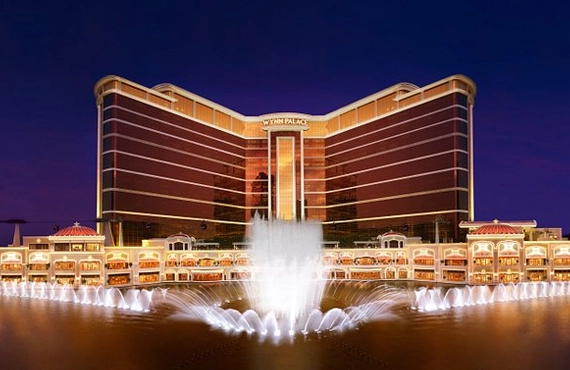
Unique Features
Wynn Macau is famous for its meticulously crafted interiors, which show an utter commitment to luxury at every turn. As you enter the resort, grand chandeliers illuminate spaces adorned with rich gold accents and intricate details that speak to the level of thought put into the design. The atmosphere is both luxurious and inviting, making it clear why Wynn Macau is a popular choice for the world’s elite.
Wynn Macau’s VIP gaming rooms are the perfect setting for those who want a more exclusive time. The rooms are designed with privacy and luxury in mind, delivering high-stakes players to an environment that matches their status. The services here are tailored to guarantee that every need is met, from personalized gaming assistance to bespoke dining options that are brought directly to the gaming rooms. The attention to detail in these spaces underscores the resort’s dedication to unparalleled gaming.
Dining at Wynn Macau is another aspect that separates it from other luxury resorts. It’s home to several Michelin-starred restaurants, each with a different culinary spin. Guests can enjoy authentic Cantonese cuisine at Golden Flower, where dishes are crafted with precision and artistry. For those in the mood for something more contemporary, SW Steakhouse is a modern take on classic steakhouse fare, blending traditional techniques with innovative flavors. Each dining venue at Wynn Macau is designed to provide not just a meal but a culinary affair that delights the senses.
Wynn Macau is also a shopping haven, featuring an array of high-end retail outlets where guests can find luxury goods from the world’s most prestigious brands. Whether you’re looking for haute couture, fine jewelry, or bespoke accessories, the shopping at Wynn Macau is tailored to those with a taste for the finer things in life. The retail spaces within the resort are designed with the same attention to detail as the rest of the property.
The spa at Wynn Macau is a sanctuary of relaxation and rejuvenation for guests who are looking to unwind. The spa menu offers a variety of treatments that use traditional Chinese techniques and modern wellness practices—a holistic approach to relaxation. The spa’s design, with its calming decor and serene ambiance, complements the treatments so that every guest leaves feeling refreshed and revitalized.
The casino floor at Wynn Macau is a shrine to the resort’s commitment to providing world-class gaming. Spanning over 205,000 square feet, the casino has every game imaginable, including Western classics like blackjack and roulette, and Chinese favorites like baccarat and sic bo, which reflects the cultural diversity of Macau and means there is something for every type of player, from novice to high roller. The gaming floor is also equipped with state-of-the-art technology, which is a bonus.
How to Visit
Traveling to Macau is pretty simple, and there are several options available depending on your location. For international travelers, the most common route is to fly into Hong Kong International Airport, followed by a ferry ride or helicopter transfer directly to Macau. The ferry ride is a popular choice because of the amazing views of the South China Sea, and takes about an hour to reach Macau. Alternatively, Macau International Airport services direct flights from major cities across Asia, a more direct route for those traveling within the region.
Once in Macau, getting to Wynn Macau is easy—the resort is centrally located on the Macau Peninsula. The resort has limo services for guests who want a private and fancy mode of transportation, and taxis are available as a quick and convenient option.
When booking accommodations at Wynn Macau, planning ahead is advisable, especially if you’re interested in staying in one of the VIP suites or booking exclusive gaming rooms. These accommodations are highly sought after for their privacy, luxury, and access to exclusive areas of the resort. Wynn Macau also has a variety of packages that include dining, spa services, and gaming credits, so guests can customize their stay according to their preferences.
Exploring Macau Is a Rewarding Adventure
As the city has a mix of Portuguese and Chinese culture that is seen in its architecture, cuisine, and traditions. The historic center of Macau, a UNESCO World Heritage site, is just a short distance from Wynn Macau and gives a fascinating glimpse into the city’s colonial past. The cobblestone streets, colonial buildings, and traditional Chinese temples show off the history and culture that is unlike any other place in the world.
For those who are interested in exploring the local culture, a visit to the Ruins of St. Paul’s, the A-Ma Temple, and Senado Square is a must. The sites are a window into Macau’s past and present, showcasing the city’s mixture of East and West. Additionally, the Macau Museum gives an in-depth look at the city’s history, culture, and traditions, making it a great starting point for those who want to learn more about this destination.
Back at Wynn Macau, the adventure continues with nightly entertainment options that go from world-class performances to intimate live music sessions. The resort’s theaters and lounges are designed to provide the perfect setting for a night out, whether you’re in the mood for a grand production or a more relaxed evening of jazz and cocktails.
6. Sun City Resort – South Africa
Sun City Resort is a premier destination nestled in the North West Province of South Africa. Known as the “Kingdom of Pleasure,” it offers a unique blend of luxury, entertainment, and natural beauty. Set against the striking backdrop of the Pilanesberg National Park, Sun City has evolved into one of South Africa’s most famous resorts since it opened in 1979. The resort is not just a hotel or casino; it’s an expansive entertainment complex that caters to all interests, from high-end gaming and luxury accommodations to adventurous outdoor activities and wildlife safaris. The resort’s design, inspired by African themes, merges opulence with the rugged beauty of the surrounding landscape, making it a must-visit destination for both local and international travelers!

Unique Features
Sun City Resort is where luxury meets adventure. The Palace of the Lost City is the crown jewel of the resort, an architectural wonder that draws inspiration from the myth of a lost African kingdom. This hotel is a masterpiece, with posh rooms and suites, each adorned with intricate mosaics, frescoes, and other luxurious details. The gardens surrounding the hotel are lush and meticulously maintained for an environment of tranquility and elegance. The Palace also offers exclusive dining and a grand swimming pool.
For golf lovers, Sun City has two of South Africa’s top golf courses:
- The Gary Player Country Club is a prestigious course that hosts the annual Nedbank Golf Challenge, attracting top golfers from around the world.
- The Lost City Golf Course, with its wild layout and a water hazard that is home to live crocodiles, adds an adventurous flair for the duffers.
The courses are set against the dramatic landscape of the African bush, so it’s a challenging game with breathtaking views.
The Sun City Casino is a major draw for visitors, offering all of the gaming options. The casino has over 850 slot machines and table games, including blackjack, roulette, and poker. The casino’s luxurious interiors create an atmosphere of excitement and sophistication, making it a bustling hub within the resort. Regular gaming tournaments and events add to the dynamic energy there is always something happening for gamblers!
The Valley of Waves is another highlight of Sun City—it is an extensive water park designed to resemble a tropical paradise, with a huge wave pool that generates waves up to 1.8 meters high. Surrounding the pool is a sandy man-made beach, perfect for sunbathing and relaxation. The park also has water slides, ranging from gentle rides for the kiddos to more intense slides. There’s also a lazy river! Park yourself on an inner tube and float the afternoon away—the Valley of Waves is a versatile attraction that is great for all ages.
Sun City’s location next to Pilanesberg National Park means visitors have the chance to combine luxury with a safari. Pilanesberg is home to the Big Five—lion, leopard, rhino, elephant, and buffalo—and has several safari adventures. Guided game drives, available both during the day and at night, give visitors a chance to see these magnificent animals up close in their natural habitat. For those looking for a slightly elevated perspective, hot air balloon safaris are the ticket, with stunning aerial views of the park’s diverse landscapes and wildlife.
The resort also has several world-class spas, where guests can indulge in treatments designed to replenish both body and mind. The Royal Salon at The Palace is particularly well-known for its luxurious treatments, which include massages, facials, and body wraps. The spas are a peaceful retreat within the bustling resort, giving every guest the opportunity to relax.
How to Visit
Planning a trip to Sun City involves several steps to guarantee a fun and memorable trip. Most visitors begin their journey by flying into Johannesburg’s OR Tambo International Airport, which is well-connected to major cities worldwide. From Johannesburg, Sun City is about a two-hour drive. Visitors can rent a car, arrange for a private transfer, or take advantage of shuttle services that offer convenient and comfortable transportation to the resort. The drive itself is scenic, taking travelers through the South African countryside, with the option to stop at various points of interest along the way!
Accommodation at Sun City caters to a host of preferences, from the lavish suites of The Palace of the Lost City to the more family-friendly Cabanas. Each hotel within the resort has a distinct atmosphere, so guests can choose the one that best suits their needs. It’s advisable to book accommodations far in advance, particularly during peak seasons like South African school holidays or during major events like the Nedbank Golf Challenge. Sun City often has special all-inclusive packages that encompass accommodations, dining, and access to different attractions.
For those interested in combining their visit with a safari, Pilanesberg National Park is a solid choice. The park offers all kinds of accommodations, from luxury lodges to more rustic camps, catering to different tastes and budgets. Visitors can choose from a variety of safaris, including guided game drives, hot air balloon safaris, and even walking safaris for a more intimate encounter with nature. Pilanesberg’s proximity to Sun City makes it easy to enjoy both the excitement of the resort and the African wilderness.
Sun City is also an excellent destination for family vacations—the resort’s range of activities means that there is something for everyone, from the youngest kids to adults. The Valley of Waves is a favorite for families—it’s a safe and fun environment for children to play and do all kinds of water-based activities. Additionally, the resort has programs and entertainment options specifically designed for children, including Kamp Kwena, which has supervised activities and educational excursions. Animal World is another family-friendly attraction where children can learn about wildlife and conservation in a fun and interactive way.
Dining at Sun City is an affair all its own, with a variety of restaurants with cuisines from around the world. Whether you’re looking for a casual meal or fine dining, Sun City’s restaurants cater to all tastes. Most of the resort’s dining venues are located within the hotels, so it’s convenient for guests to have a meal without leaving the property. In the evenings, Sun City comes alive with entertainment options, including live music, bars, and nightclubs—the nightlife scene continues long after the sun sets.
Picking the best time to visit Sun City all depends on your preferences!
- The dry season, from May to October, is great for safari enthusiasts, as the cooler weather and sparse vegetation make wildlife easier to spot. This season also offers mild temperatures and clear skies, making it nice for outdoor activities.
- The green season, from November to April, brings warmer weather and occasional rain showers, changing the surrounding landscape into a lush, green paradise. This is also the busiest time of year at Sun City, as visitors are taking advantage of the school holidays.
How to Experience These Casinos Like a VIP
Experiencing a luxury casino like a VIP is all about indulging in exclusive perks, personalized services, and top-tier accommodations! If you’re planning a special trip or looking to make the most of your next casino visit, our tips will help you unlock the full VIP package.
Booking VIP Packages and Experiences
To elevate your visit, you should think about booking VIP packages that grant you access to luxury suites, private gaming rooms, and exclusive entertainment options. Resorts like The Venetian in Las Vegas have suites with personal butler service, entry to private lounges, and priority reservations at the best dining spots.
VIP gaming packages include access to high-limit tables and private gaming areas, where the environment is tailored for a more intimate and personal experience. These packages include complimentary drinks, dedicated croupiers, and access to private events.
Navigating High Roller Perks
For those who qualify as high rollers, a bevy of exclusive benefits await. High rollers usually enjoy complimentary stays in premium suites, access to private lounges, and personalized concierge services that arrange everything from dining to transportation. And high rollers often get invitations to exclusive gaming events and access to higher betting limits—it’s def an upscale gaming experience.
Taking Advantage of Casino Loyalty Programs
Loyalty programs will maximize your casino experience—frequent visitors earn a lot of benefits, including free hotel stays, dining credits, and invitations to exclusive events. As you ascend the tiers of these programs, the perks increase—top-tier members at casinos like Wynn get luxury gifts, personal account managers, and priority service throughout the resort.
These programs also offer cashback on losses, faster withdrawals, and other financial benefits, leveling up your overall gaming experience. Enrolling in a casino’s loyalty program guarantees that you reap the full benefits of your visit!
Insider Tips for Getting the Best Deals
Even at luxury casinos, there are ways to secure discounts on accommodations, dining, and entertainment. A good strategy is to plan your visit during less busy times when casinos are more likely to offer promotions. Signing up for the casino’s loyalty program before your visit can also give you access to member-only discounts on rooms and shows.
Using credit card points or travel rewards can also help you save! Most luxury casinos partner with travel agencies or credit card companies to offer exclusive deals to their members. And it never hurts to ask the hotel or casino directly about potential upgrades or discounts, especially if you’re a returning guest or booking multiple nights.
Prepping for Your Visit
Getting ready for a luxury casino trip takes more than just booking a flight and packing your bags—there has to be careful planning and consideration of different factors, including budgeting, packing the right clothes, understanding local customs, and picking the best time to visit. Look below for tips on preparing for your lux casino visit!
A well-thought-out budget is a necessity for making the most of a luxury casino trip without financial stress. Start by determining your total budget, which should include costs for accommodations, gaming, dining, entertainment, and transportation. It’s important to set clear limits for each category and to consider your gaming budget as an amount you’re comfortable losing, not just winning.

To stretch your budget, look for deals and promotions offered by the casino or hotel, such as discounted room rates or package deals that include meals and entertainment. Additionally, think about traveling during off-peak times when rates are lower, and be mindful of hidden costs like resort fees or taxes that might not be included in the initial price.
What to Pack for a High-End Casino Experience
Packing for a luxury casino trip involves more than just throwing some clothes into a suitcase. Focus on bringing outfits that fit the dress codes of the casinos and venues you plan to visit. If you’re heading to Monte Carlo, formal evening wear is a must—the casino enforces a strict dress code after 8 PM. So bust out the tux and little black dress!
In addition to formalwear, you should pack comfy clothing for daytime stuff, especially if the resort has leisure facilities like pools, spas, or golf courses. Don’t forget the essentials—travel documents, a good quality watch, and a light jacket or sweater for cooler evenings. If you plan to visit a variety of dining venues, packing a mix of casual and formal outfits will mean you’re prepared for any situation!
Cultural Considerations and Etiquette
Understanding and following local customs and etiquette is a must when you are visiting international casinos. Every destination has its own norms regarding behavior, tipping, and interactions with staff. In some European casinos, tipping is not customary, while in others, it’s expected and appreciated. It’s also important to be aware of the specific rules of each casino, like photography restrictions or the appropriate way to approach and interact with dealers and other staff.
In Asia, being polite and showing respect is highly valued, and this extends to casino environments where formalities are observed more strictly, so be on your best behavior and mind your manners! Before your trip, take the time to research the cultural nuances to make sure you fit in and respect all local customs.
Best Times to Visit
The best time to visit a luxury casino varies depending on the location you are heading to. For destinations like Las Vegas, visiting during the shoulder seasons (March to May and September to November) means pleasant weather and fewer crowds. In contrast, Monte Carlo shines during the summer months, especially around the time of the Monaco Grand Prix in May, when the city is abuzz with activity.
If you’re heading to Macau, consider the cooler months from October to December, when the weather is more comfortable, and major events like the Macau Grand Prix bring in visitors from around the world. Traveling during off-peak times can also help you avoid the crowds and get better deals on accommodations and entertainment.
Conclusion: Living That Lux Casino Life
That’s our virtual tour through some of the world’s most luxurious casinos! Each one has its own vibe, scenery, and places and things to explore outside of the casino. Yes, you can gamble, and you can do it in style. But these places are a chance to live the high life, where every single detail, down to the linens, is created to impress.
Visiting these casinos is about more than just rolling the dice; it’s about being immersed in an atmosphere of pure indulgence. From the breathtaking architecture to the exquisite dining and top-tier entertainment, these destinations are an experience that will stick around long after the trip is over and you’re back at home. They give you the chance to sample the finer things in life, and you can gamble on top of it!
Do you daydream about going to any of these luxury casinos? Which one would you sell your soul to visit? Or have you already been to one of these luxurious spots?? Tell us in the comments!
Understanding Gambling Taxes: What You Need to Know
Did you hit the jackpot at the casino? Congrats!!! But hold up: before you go on a shopping spree to end all shopping sprees, you have to know how gambling taxes work. Unfortunately, the IRS gets a part of your gambling winnings—it’s like Uncle Sam is sticking his foot out to trip you while you’re doing your lil “I WON!” happy dance.
But it is what it is, and you have to pay the piper (the piper is the government in this scenario), so we are gonna walk you through everything you need to understand about gambling taxes. We’ll cover the basics you need to know, the types of taxes, how to report your winnings, state vs. federal, any deductions you might be able to claim, and some tips for managing it all. We’ll make sure you’re prepped and up to speed when April 15 comes a callin’!
Basics of Gambling Taxes
Look, I barely understand regular taxes (that’s what CPA’s are for), so it can get really confusing when you add in gambling winnings, but we have to figure it out so you aren’t surprised when tax season hits! So you can keep your finances and winnings in order, we are going to break it down into bite-sized pieces. We’ll get through this together!
Gambling taxes are simply that—taxes levied on the money you win from any gambling activities. This means everything from casino games and scratch-off lottery tickets to horse races and even TV game shows! The IRS sees all gambling winnings as taxable income, which means they have to be reported on your tax return. If you win really big, the casino or gambling establishment will even give you a Form W-2G, which reports the amount of your winnings to both you and the IRS.
Why Are Gambling Winnings Taxed?
The reason gambling winnings are taxed boils down to one simple principle: income is income. The IRS considers all forms of income as taxable unless it is specifically exempted by law, and this includes any and all money won from gambling. By taxing gambling winnings, the IRS is enforcing that all sources of income are treated equally under the tax code. This is in the name of fairness and verifies that everyone pays their fair share, whether their money comes from a job or a lucky streak at the physical casino or on an online gambling site.
Gambling taxes are just a part of the tax system designed to capture all forms of income, helping fund government services and ensuring equity among taxpayers, and understanding them is super important in order to stay compliant and avoid any unexpected bills from the IRS.
Types of Gambling Winnings That Are Taxable
Grasping the different types of taxable gambling winnings is a must for staying on the right side of the Internal Revenue Service. Below are the rules of taxable gambling winnings and what you need to know about each one!
Casino Winnings
Casino winnings come from the games in a casino, both physical and online. Things like slot machines, table games (blackjack and poker), roulette, baccarat, etc. If you hit the jackpot on a slot machine or win big at a table game, the IRS wants its cut. Casinos are required to issue a Form W-2G if you win the following:
- $1,200 or more from a slot machine or bingo game.
- $1,500 or more from Keno.
- $5,000 or more from a poker tournament.
Even if your winnings are below these amounts, you still have to report all gambling winnings as income on your tax return. If you win $800 on a slot machine, you won’t get a Form W-2G, but you still have to report it to the IRS.
But wait, there’s more! You don’t get to skate on taxes if you win on these games:
For baccarat, craps, and roulette, the IRS requires the casinos to report winnings above certain thresholds using Form W-2G. Here are the general guidelines for these games:

Baccarat: For table games like baccarat, where the winnings are not subject to a direct bet-to-win ratio, there is no specific threshold for issuing Form W-2G. However, if you win a large amount (typically over $600), it may still be reported, and taxes would still apply. The casino may not automatically issue a W-2G for table games, but it’s your responsibility to report any winnings.

Craps: Similar to baccarat, craps winnings do not have a specific threshold that requires a W-2G form. However, substantial winnings should be reported on your tax return. It’s your responsibility to keep track of your winnings and report them, even if the casino does not issue a form.

Roulette: Like baccarat and craps, roulette does not have a specific reporting threshold for issuing a W-2G form. Large winnings still need to be reported, but the casino is not typically required to issue a form unless the payout is large.
In general, while the IRS does not mandate specific reporting thresholds for these table games, all gambling winnings are taxable and should be reported on your tax return. If your winnings are substantial, the casino could choose to report them to the IRS and may withhold a portion of your winnings for federal tax purposes. It’s important to keep detailed records of all your gambling activities, including wins and losses, to report your income and claim any allowable deductions accurately.
Lottery Winnings
Lottery winnings, whether they are state or national lotteries, are considered taxable income. If your winnings exceed $5,000, the lottery organization will withhold federal taxes before you get your money. However, even if your prize is smaller, it still has to be reported on your tax return. Non-cash prizes, like cars or vacations, are also taxable based on their fair market value, and you must report the value of these prizes to avoid any penalties.
Sports Betting
Winnings from sports betting are taxable—and it doesn’t matter if your bets are placed online or at a physical sportsbook. If you win $600 or more from a single bet, a Form W-2G will be issued, but once again, you are required to report all of your sports betting winnings, regardless of the amount. Keep detailed records of all your bets and winnings so you can accurately report them!
Online Gambling
The convenience of online gambling has made it a go-to choice for so many gamblers, but, you guessed it, your winnings from online casinos, poker games, and other internet-based gambling activities are—shocker—taxable! The reporting requirements are similar to those for physical casino winnings. If your online gambling winnings go over certain thresholds, you will get a Form W-2G. Even if you don’t hit these thresholds, all winnings must be reported.
Other Forms of Gambling
There is no gray area if you’re thinking that some forms of gambling like raffles, horse racing, and Casual bets among friends, are safe from Uncle Sam. These winnings are also taxable and have to be reported.
- If you win $600 or more from a raffle or horse race, you need to include this income on your tax return.
- And winnings from friendly bets, like office pools or wagers between friends, are subject to taxation, too!
Reporting Gambling Winnings
Winning at gambling can be thrilling, but it’s important to understand the responsibilities that come with it, particularly regarding taxes. Properly reporting your gambling winnings is crucial to avoid any issues with the IRS. Below is an in-depth guide on what you need to know about reporting gambling winnings, the forms you’ll encounter, and the importance of meticulous record-keeping.
Reporting Requirements
The IRS requires that all gambling winnings be reported as taxable income. This includes money won from the following:
- Casinos
- Lotteries
- Raffles
- Horse races
- Sports betting
- Casual bets with friends/coworkers
Every type of gambling has specific thresholds that determine when you must report winnings and when you’ll receive a specific form like the W-2G:
- Slot machines and bingo: If your winnings are $1,200 or more.
- Keno: Winnings of $1,500 or more, after deducting the amount bet.
- Poker tournaments: Winnings exceeding $5,000 after deducting the buy-in amount.
- Other types of gambling: If you win $600 or more, the winnings are at least 300 times the wager amount.
Regardless of whether you receive a W-2G form, you must report all symptoms of your gambling winnings. This is necessary because even if your winnings fall below these thresholds, they are still considered taxable income!
Form W-2G
What is the form W-2G? Well, this doc is used to report certain gambling winnings to the IRS and is given to you by the gambling establishment in certain scenarios (usually larger winnings). This form is important for both the IRS and the taxpayer to make sure that the correct amount of tax is withheld and reported. Here’s how it works:
- Issuance: Gambling establishments are required to issue Form W-2G when your winnings exceed specific thresholds. For example, you’ll receive this form if you win $1,200 or more from a slot machine or bingo, $1,500 or more from keno, $600 on sports, or $5,000 or more from a poker tournament.
- Contents: The form details your winnings and the amount of federal income tax withheld. Federal taxes are typically withheld at a rate of 24% for substantial winnings, as indicated on the form.
- Multiple Forms: If you win at multiple establishments, each will issue a separate W-2G. You must report the amounts from each form separately on your tax return.
Other IRS Forms
When it comes to reporting any gambling winnings on your tax return, there are several forms that come into play:
- Form 1040: This is the primary form used for individual income tax returns. Gambling winnings should be reported as “Other Income” on this form.
- Schedule 1 (Form 1040): This form is used to report additional income, including gambling winnings if they are not directly reported on Form 1040.
- Schedule A (Form 1040): If you itemize deductions, you can report gambling losses on this schedule. However, it’s important to note that you can only deduct losses up to the amount of your winnings. For example, if you won $2,000 but lost $3,000, you can only deduct $2,000 in losses.
Record-Keeping
Keeping detailed records of your gambling activities is not just good practice; it’s vital for accurate tax reporting and compliance with IRS regulations. Proper documentation can also support any deductions you are able to claim for gambling losses. Here’s what you need to keep track of:
- Dates and types of gambling activities: Note the specific dates and types of games or activities you participated in. This helps verify the timeline and nature of your gambling.
- Locations: Record the names and addresses of the gambling establishments you visited.
- People present: Include the names of any people who were with you during your gambling sessions.
- Amounts won and lost: Keep all receipts, tickets, statements, and any W-2G forms you receive. This should include the amount of each bet, the amount won or lost, and any other relevant financial details.
- Other relevant documentation: Maintain records such as credit records, bank withdrawals, and statements that support your winnings and losses.
Accurate record-keeping not only helps in reporting your winnings correctly but also substantiates any deductions for losses you may claim. In the event of an IRS audit, having detailed records will be a lifesaver in justifying your reported amounts and deductions.
Deducting Gambling Losses
If you’ve had a rough night at the casino or lost a bet, there’s a little bit of good news: you can deduct your gambling losses on your tax return. But don’t smile just yet—the process comes with certain conditions and requirements that you have to follow to a “T” to claim these deductions in the right way.
Eligibility for Deduction
To be eligible to deduct gambling losses, you need to meet very specific criteria like the following:

- Itemize Deductions: You can only deduct gambling losses if you itemize your deductions on Schedule A of your Form 1040. This means your total itemized deductions have to exceed the standard deduction for your filing status.
- Winnings Limit: Your gambling losses can only be deducted up to the amount of your reported gambling winnings. For instance, if you won $4,000 but lost $5,000, you can only deduct $4,000.
- Record-Keeping: Maintaining detailed records of your gambling activities is a must! The IRS requires you to keep a diary or similar record that includes the date and type of each wager, the name and location of the gambling joint, the amounts won and lost, and the names of anyone present with you during the gambling activities.
How to Deduct Losses
Here’s a step-by-step guide on how to report and deduct your gambling losses:
- Report All Winnings: First, report all your gambling winnings as income on your tax return. This is done on Form 1040, specifically on the “Other Income” line.
- Itemize Deductions: Instead of taking the standard deduction, choose to itemize your deductions on Schedule A of Form 1040.
- List Your Gambling Losses: On Schedule A, under “Other Miscellaneous Deductions,” list your gambling losses. Remember, the amount you can deduct is limited to the amount of gambling income you reported. If your total itemized deductions are higher than the standard deduction, this will lower your taxable income.
- Professional Gamblers: If you are a professional gambler, your gambling income and losses are reported on Schedule C as a business expense. However, this designation is strictly defined by the IRS and involves proving that gambling is your primary source of income and that you practice it regularly and with continuity.
Documentation Required
To back up your gambling losses, you need to keep thorough records—aka receipts. Here’s what you should include:
- A Diary or Log: Keep a diary that records each gambling session, including the date, type of gambling, name, and location of the casino, amounts won and lost, and names of anyone who was with you at the time.
- Receipts and Tickets: Keep all receipts, tickets, statements, and any other documentation that can prove the amount of your losses. This could include wagering tickets, canceled checks, credit records, bank statements, and payment slips from the casino.
- W-2G Forms: For big winnings, you will get a Form W-2G from the payer, which details your winnings and any tax withheld. Keep all W-2G forms for your records and reporting.
Practical Tips
- Organize Your Records: Keep your gambling records organized and in a safe place. Create a filing system that allows you to access receipts, tickets, and your gambling diary easily.
- Regular Updates: Regularly update your gambling diary to make sure no details are missed. This will make it easier to report accurately at tax time.
- Consult a Tax Professional: If you engage in substantial gambling, consider consulting a tax professional. They can provide guidance tailored to your situation and ensure that you are in compliance with IRS requirements.
State vs. Federal Gambling Taxes
Knowing and understanding the tax obligations for gambling winnings at both federal and state levels is important for managing your finances! Below are examples of federal and state tax laws regarding gambling, along with some tips to avoid getting double-taxed.
Federal Tax Obligations
We know we keep saying it, but it has to be said: The IRS requires all gambling winnings to be reported as taxable income:
- Reporting Winnings: All gambling winnings must be reported on your federal tax return. This is done using Form 1040, specifically on the “Other Income” line. Significant winnings often come with a Form W-2G from the payer detailing the amount won and any taxes withheld.
- Withholding Taxes: Federal taxes are withheld at a rate of 24% for substantial winnings. This includes winnings of $1,200 or more from bingo or slot machines, $1,500 from keno, and $5,000 from poker tournaments.
- Deducting Losses: You can deduct gambling losses up to the amount of your winnings, but only if you itemize your deductions on Schedule A of Form 1040. This helps reduce taxable income but requires detailed record-keeping.
State Tax Obligations
State taxes on gambling winnings differ, with some states imposing their own tax rates and others not taxing gambling winnings at all. Here are examples from several states:
- California: Gambling winnings are taxed as personal income, with rates ranging from 1% to 13.3%, depending on the amount.
- New York: Winnings are subject to both federal and state taxes. New York’s state tax rates range from 4% to 8.82%, depending on the amount won.
- Nevada: Does not impose a state tax on gambling winnings, making it favorable for gamblers. However, federal taxes still apply.
- Illinois: Taxes gambling winnings at a flat rate of 4.95%.
- Florida: The state imposes a tax on gambling winnings over $5,000 at a federal rate of 24% but does not have a state income tax.
- Michigan: The state tax rate is 4.25% on gambling winnings.
- Mississippi: Levies a 3% tax on winnings from operators licensed under the Mississippi Gaming Control Act.
- New Jersey: State tax on gambling winnings is 3%, with additional withholding rates for lottery winnings from $10,001 to over $500,000.
- Pennsylvania: Taxes gambling winnings at a rate of 3.07%.
- Ohio: Licensed casinos must automatically withhold 4% of any winnings.
- Connecticut: Imposes a flat tax rate of 6.99% on gambling winnings.
Double Taxation
Double taxation happens when both federal and state governments tax the same income. Below is how you can manage or even (hopefully) avoid this:
- Credits for Taxes Paid: Some states offer credits for taxes paid to other states. This can help if you win in a state different from where you reside.
- Reciprocal Agreements: Some states have reciprocal agreements where they do not tax each other’s residents. Check if such agreements exist between the states where you live and gamble.
- Consulting a Professional: Getting advice from a tax professional can help you navigate these complexities, verify compliance with all tax obligations, and minimize the overall tax burden.
By understanding both federal and state tax obligations and taking appropriate steps to avoid double taxation, you can effectively manage your gambling winnings!
Special Situations
Special situations in gambling taxes involve unique rules and considerations for professional gamblers, non-residents who win in the U.S., and the impact of international tax treaties. Understanding these specifics helps in managing tax obligations effectively.
Professional Gamblers: Tax Rules Specific to Professional Gamblers
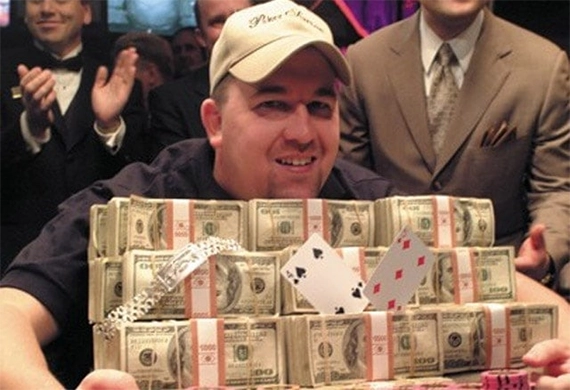
The IRS distinguishes between casual gamblers and professional gamblers, with different tax treatments for each. To qualify as a professional gambler, you must engage in gambling activities with the primary intention of making a profit and must do so regularly and continuously. The IRS uses a nine-factor test to determine if you meet this status, considering factors such as the manner in which you conduct your activities, your expertise, the time and effort you devote, and whether gambling is your primary source of income.
Benefits and Obligations
- Reporting Income and Expenses: Professional gamblers report their income and expenses on Schedule C of Form 1040, treating gambling as a business. This allows them to deduct ordinary and necessary business expenses, such as travel, lodging, and meals, directly against their gambling income.
- Deducting Expenses: Unlike casual gamblers, who can only deduct losses up to the amount of their winnings, professional gamblers can deduct all related expenses, potentially reducing their taxable income significantly. This includes travel expenses, tournament entry fees, and even the cost of research materials or software used to analyze games.
- Self-Employment Tax: Professional gamblers must pay self-employment tax, which covers Social Security and Medicare contributions. This rate is currently 15.3%, and professional gamblers need to make estimated tax payments throughout the year to avoid penalties.
- Record-Keeping: Maintaining meticulous records is a necessity. This includes a daily log of gambling activities, receipts, tickets, and any other documentation that can substantiate your income and expenses. Digital tools and software can aid in this process.
Qualifying as a Professional Gambler
Qualifying as a professional gambler is a challenge—you have to show that gambling is conducted in a business-like manner with the primary goal of making a profit. The IRS considers various factors, including the following:
- Businesslike Manner: Keeping detailed records and maintaining a separate bank account for gambling activities.
- Expertise: Demonstrating substantial knowledge and skill in gambling.
- Time and Effort: Devoting significant time to gambling activities.
- History of Income or Losses: Showing a history of making profits from gambling.
Tax Benefits and Requirements
Professional gamblers report their income on Schedule C, which allows them to deduct business expenses such as travel, meals, and research materials. However, they must also pay self-employment tax, requiring quarterly estimated tax payments to avoid penalties. Record-keeping is critical, and all gambling-related transactions should be meticulously documented!
Non-Residents: Tax Obligations for Non-Residents Who Win in the U.S.
Non-residents who win money from gambling in the U.S. are subject to different tax rules. Generally, gambling winnings by non-residents are subject to a 30% federal withholding tax. The gambling establishment withholds this tax at the source before the winnings are paid out.

Reporting and Compliance
- Withholding Tax: The gambling operator withholds 30% of the winnings at the time of payout. This is mandatory for non-residents and is meant to cover federal tax obligations.
- Filing a U.S. Tax Return: Non-residents may have to file a U.S. tax return to report their winnings and potentially claim a refund if too much tax was withheld. This requires obtaining an Individual Taxpayer Identification Number (ITIN) from the IRS.
- Exceptions and Reductions: Some exceptions may apply depending on the type of gambling. For example, non-resident aliens are not subject to withholding on winnings from blackjack, baccarat, craps, roulette, or big-6 wheel games.
Tax Treaties: Overview of International Tax Treaties
The U.S. has tax treaties with different countries that can affect how gambling winnings are taxed. These treaties can sometimes reduce or eliminate the 30% withholding tax on gambling winnings for residents of treaty countries.
Key Points of Tax Treaties
- Reductions and Exemptions: Some treaties provide for lower withholding rates or complete exemptions from U.S. tax on gambling winnings. The specifics depend on the terms of the treaty with each country.
- Claiming Treaty Benefits: To claim benefits under a tax treaty, non-residents must provide the necessary documentation, like a Form W-8BEN, to the payer to certify their eligibility for reduced rates or exemptions.
- Double Taxation Relief: Tax treaties also often include provisions to prevent double taxation, allowing taxpayers to credit taxes paid in the U.S. against their tax liability in their home country. This helps avoid being taxed twice on the same income.
Understanding the tax implications for professional gamblers and non-residents and the impact of international tax treaties is vital for managing gambling winnings effectively. Professional gamblers benefit from being able to deduct business expenses and must maintain detailed records and make estimated tax payments. Non-residents face a 30% withholding tax but may benefit from tax treaties that reduce or eliminate this tax.
Tips for Managing Gambling Taxes
Gambling is super exciting as a pastime, but it comes with tax responsibilities that can put a damper on that fun. But chin up! We have some comprehensive tips that will help you manage your gambling taxes and keep your finances in check.
Plan Ahead: Strategies for Managing Tax Liability
Planning ahead is an absolute must for managing your gambling tax liability. Below are the best strategies:
- Know Your Tax Obligations: ALL gambling winnings are considered taxable income and must be reported on your tax return. This includes cash prizes and the fair market value of non-cash prizes like cars and trips.
- Keep Detailed Records: Maintain thorough records of all your gambling activities. This should include the date and type of each wager, the name and location of the gambling establishment, the amounts won and lost, and the names of any other participants. Keeping detailed records will help you accurately report your winnings and losses.
- Use the Session Method: This method allows you to net your wins and losses within a continuous gambling session, which can lower your gross winnings and reduce the amount of taxes owed. For instance, a day’s worth of slot machine play or a single poker tournament can be considered one session.
- Estimate Your Taxes: If you frequently win small amounts that don’t trigger a W-2G, consider making estimated tax payments based on your projected annual winnings to avoid a large tax bill at the end of the year. Use Form 1040-ES for this purpose.
- Deduct Losses Correctly: You can deduct gambling losses up to the amount of your winnings if you itemize your deductions on Schedule A. Ensure that your total itemized deductions exceed the standard deduction to benefit from this. Only professional gamblers can deduct losses as business expenses on the Schedule.
Get Professional Help: When to Consult with a Tax Professional
Unless you are a financial whiz who does their own taxes for fun, consulting with a tax professional is always a good idea and can give you a leg up:
- Complex Situations: If you have extensive winnings or complex gambling activities, a tax professional can help you understand the intricacies of tax laws and ensure that you meet all reporting requirements. They can also advise you on state-specific tax laws, which may differ.
- Maximize Deductions: A tax professional can help identify all possible deductions and ensure that you are taking full advantage of them. For professional gamblers, they can assist in accurately reporting business expenses and netting winnings and losses.
- Avoid Penalties: Proper guidance can help you avoid underpayment penalties by ensuring timely and accurate estimated tax payments throughout the year.
- Audit Support: If you are audited, a tax professional can provide really valuable support, helping to gather necessary documentation and represent you during the audit process.
Use Technology: Tools and Apps to Help Keep Track of Gambling Activities
There’s an app for that! Make it easier on yourself by leveraging technology—it’ll simplify the process of tracking and reporting your gambling activities:
- Digital Logs: Use apps or software like QuickBooks or specialized gambling record-keeping apps to maintain a detailed log of your gambling activities. These tools can help you keep track of dates, types of wagers, amounts won and lost, and other necessary details.
- Cloud Storage: Store digital copies of your receipts, tickets, and other documents in cloud storage. This verifies that you can access your records from anywhere and protects them from being lost or damaged.
- Automated Reports: Most online gambling sites and casinos offer automated reporting tools to generate detailed statements of your activities. Use these reports to cross-check your records and ensure accuracy.
- Tax Preparation Software: Use tax preparation software like TurboTax, which can guide you through reporting gambling winnings and losses and ensure that you take advantage of all applicable deductions and credits.
By planning ahead, getting professional advice from a CPA, and using available technology to your advantage, you can manage your gambling taxes successfully and avoid any unwanted surprises or oopsies during tax season.
Final Words
Before you blow all your gambling winnings on a fancy new car or a bougie vacation, don’t forget that Uncle Sam will be waiting with his hand out come April 15. Yes, it rains on your parade, but it’s a necessary evil. Keep good records, plan ahead, and call in the pros if the tax forms look like hieroglyphics to you!
No, gambling taxes are not as glamorous as hitting it big at the craps table, but you still have to get it right. Keep meticulous records of your gambling activities, know the different types of taxable winnings, and be aware of both federal and state tax obligations. If things get complicated, call in a tax professional. They can make sure you’re maximizing your deductions while staying within the lines of tax laws.
Stay in the know and be proactive about your gambling taxes! Regularly update your records, make use of technology to simplify the tracking process, and consult with tax professionals if and when necessary. Keeping on top of these tasks will save you headaches when tax season rears its head and help you keep more of your winnings.
Additional Resources
Links to IRS Resources:
- IRS Topic No. 419 – Gambling Income and Losses
- Publication 525: Taxable and Nontaxable Income
- Publication 529: Miscellaneous Deductions
- Form W-2G and Instructions
- Form 1040 and Instructions
Further Reading:
- How to Pay Taxes on Gambling Winnings and Losses
- Tax Tips for Accountants with Gambling Clients
- Everything You Need to Know About Filing Taxes on Winnings
- Taxes on Gambling Winnings and Losses: 8 Tips to Remember
- What Happens If You Forgot to Report Your Gambling Winnings?
Stock Market vs Gambling: Key Differences Explained for Investors
For a long time, I’ve wondered what exactly the difference is between the stock market and gambling. Because to me, they seem the same. Only with the stock market, there is usually a ton more money involved, and when you add brokers into the equation, they are playing with someone else’s money, which seems insane?
I know I don’t understand the nuances and ins and outs of the stock market, investing, etc., and that’s exactly why I want to find out. And for those of you who think like I do and want to know what the differences are and why, this one’s for you!
On the face of it, investing in the stock market really does look like just another kind of gambling only it’s being done on Wall Street instead of in a casino or an online gambling site. So we are going to clarify the main differences (along with the apparent surface similarities).
Wanna put some money on how wrong I am about them being the same? It’s a sure bet! Let’s get into it and find out the kindred aspects and how they diverge—place your wagers.
Definition and Overview
When it comes to making money, people (moi) tend to get confused between investing in the stock market and gambling. Both involve putting your money on the line with the hope of getting back more, but the similarities pretty much end there. Let’s break it down in a way that makes sense, even if you’re completely clueless about this stuff (like me and the stock market).
Stock Market Investing
When you invest in the stock market, you buy a piece of a company. It’s like you own a teeny slice of Apple or Amazon, and that slice is called a stock. When the company does well, the value of your stock goes up. Some companies also share their profits with you through dividends. This is far from a get-rich-quick scheme; it’s more like planting a lemon tree, waiting patiently for it to grow, and sprouting some tart fruit in the long run.

How Does It Work?
The stock market is kinda like a giant farmer’s market but for company shares. You’ve got buyers and sellers trading stocks on exchanges like the NYSE or Nasdaq, and the prices go up and down based on how people feel about the company’s future. If everyone thinks a company is going to hit it big, they buy, and the price goes up. If there’s bad news, they sell, and the price drops.
Investing takes a lot of homework or a professional broker. You have to look at a company’s financial health—its earnings, debts, and growth plans. Some use technical analysis, which is a fancy way of saying they look at past price movements to guess what could happen next. A solid mix of these methods helps investors decide which stocks to buy, hold, or sell.

Handling Risks
Investing isn’t without risks, but there are a few ways to manage them better, and that’s called diversifying. Diversification means spreading your money across different stocks, so if one tank, you’re not completely wiped out. Another trick is using stop-loss orders, which automatically sell a stock if it drops to a certain price, helping you to limit potential losses.
Gambling
We know you know what gambling is, but for the purpose of this comparative analysis, we have to give you an explainer anyway! Gambling is betting money on an event with an uncertain outcome. It’s placing monetary bets on a poker game, slot machines, roulette, or any other casino game. And don’t forget sports betting! You can wager on everything from football to pickleball. The results are instant and usually depend heavily on luck.
How Does It Work?
Gambling comes in all kinds of forms. At a physical casino, you can play games like blackjack or poker. With sports betting, you’re betting on the outcome of games or events. Lotteries are another form of gambling, where you buy a ticket and hope and pray that your numbers get picked. In almost all of these, the house (the casino or betting company) has a built-in edge to make sure they make a steady profit over time.
Examples of Gambling
- Casino Games: These include games like blackjack, poker, and roulette. Some do involve skill, but all rely on chance and luck.
- Sports Betting: Placing bets on the outcome of sports events—betting on who wins or on more specific aspects like the final score.
- Lotteries: Buying a ticket with a set of numbers, hoping they match the drawn numbers. The odds are super slim, but the jackpots can be huge.

Handling Risks
Honestly, gambling doesn’t really have risk management strategies like investing. Once your money is down, it’s up to fate. There are some features like in-play betting or partial cash-outs that let you tweak your bets as things are happening, but they don’t offer much more in terms of control compared to investing.
Comparing the Two
When you put the stock market and gambling side by side, several differences become really apparent—here are the areas where investing and gambling diverge significantly:
- Time Horizon: Investing is a long game—you’re looking to grow your money over years or even decades. Gambling is about the here and now—you either win or lose pretty quickly after placing your bet.
- Info and Analysis: Investing is sort of like doing a research project—you study the companies, market trends, and economic indicators to make the best and most informed choices. In gambling, you can look at stats or past performances, but at the end of the day, it’s mostly luck.

- Psychological Factors: Gambling can be addictive because of the adrenaline rush and the instant outcomes. Investing is more about patience and discipline, focusing on long-term rewards rather than instant gratification.
- Legal and Social Views: Both gambling and investing are regulated, but society views them very differently. Gambling can be seen as risky and potentially harmful, leading to addiction. Investing, on the other hand, is generally viewed as a responsible way to build wealth, though it can be criticized during market downturns.
Risk and Reward
Balancing risk and reward is a fundamental aspect of both investing in the stock market and gambling. Each involves putting money on the line with the hope of making a profit, but the methods and expectations are quite different. Below, we break down how each activity handles risk and reward.
Stock Market: Calculated Risks and Potential Rewards
Investing in the stock market is about taking calculated risks—when you buy shares of a company, you’re basically becoming a part-owner of that business. If the company performs well, the value of your shares increases. This process involves thorough research and analysis, which is a critical step for investors. By examining a company’s financial health, market position, and growth potential, investors can make smart decisions. This is known as fundamental analysis.
Investors often use fundamental analysis to assess a company’s financial statements, like revenue, earnings, and profit margins. They also consider broader economic factors that might affect the company’s performance. For example, changes in interest rates, inflation, and economic growth can all impact stock prices. By understanding these factors, investors can identify stocks that are undervalued and have the potential for growth.
Diversification and Risk Management Strategies
One of the most effective ways to manage risk in the stock market is through diversification. This means spreading your investments across various sectors, industries, and asset types to lessen exposure to any single investment. The idea is that if one investment performs poorly, others may perform well, thereby balancing out the overall portfolio performance.
Diversification can entail different strategies, such as the following:

- Sector Diversification: Investing in multiple industries (e.g., technology, healthcare, finance) to reduce risk.
- Geographic Diversification: Investing in companies from different countries to mitigate regional risks.
- Asset Diversification: Including a mix of stocks, bonds, and other assets in your portfolio to balance risk and return.
Another common risk management tool is the stop-loss order. This allows investors to set a specific price at which their stocks will be sold automatically if the price drops, thus limiting potential losses. This strategy is particularly useful in volatile markets where stock prices can fluctuate wildly.

Rewards
The potential rewards in the stock market can be substantial over the long term—historical data shows that stock market investments have provided average annual returns of about 7-10% after adjusting for inflation. These returns come from capital appreciation (the increase in stock value) and dividends (a share of the company’s profits paid to shareholders). Reinvesting dividends and allowing investments to compound over time can greatly improve growth.
Investors who diversify and manage their portfolios successfully can achieve steady growth and build wealth over time, a long-term approach that contrasts sharply with the short-term nature of gambling, where outcomes are instant and usually unpredictable.
Gambling: Inherent Risks and Potential Rewards
As you know, gambling is wagering money on an event with an uncertain outcome, heavily influenced by luck. Whether it’s betting on sports, playing poker, or buying lottery tickets, the goal is to win money instantly. The excitement of gambling comes from the possibility for big payouts, but this is coupled with big risks.
In gambling, the outcomes are instant and unpredictable. The house (casino or betting organization) always has a built-in advantage known as the house edge, which makes sure they keep profiting. This edge varies depending on the game, but it consistently favors the house (aka “the house always wins”), making it hard for gamblers to make long-term profits.
Odds and House Edge
Knowing the odds and house edge is super important for anyone who gambles, as the odds determine the probability of winning a bet, and the house edge represents the average profit the casino expects to make from each game. As one example, in American roulette, the house edge is about 5.26%, meaning that for every $100 bet, the casino expects to make $5.26 in profit over time.
Different gambling forms have different odds and house edges:

- Casino Games: Games like blackjack, roulette, and slots have fixed house edges that make it really hard for players to win consistently.
- Sports Betting: The odds are set by bookmakers based on the perceived probability of different outcomes. Despite occasional big wins, the structure makes sure that bookmakers profit in the end.
- Lotteries: The odds of winning are typically really low, but the m payouts can be enormous—like, life-changing money. This high risk/high reward scenario is a huge draw for a lot of gamblers.

Rewards
While gambling can generate hefty payouts, these rewards are less predictable and more short-lived compared to investing. Big wins do happen, and the excitement of potentially hitting a jackpot is definitely the major appeal! However, the odds are stacked against the gambler, and over time, the likelihood of losses goes up.
Professional gamblers try to improve their odds through strategies and extensive research—poker players will study their opponents’ behaviors and betting patterns to gain an edge. Sports bettors will analyze team statistics and player performances to make the most informed bets. Despite these efforts, the inherent unpredictability of gambling outcomes means that steady long-term profits are super rare.
Skill vs. Luck
The interplay between skill and luck is a defining factor in both investing and gambling. Understanding this balance can help you navigate these activities more effectively. Let’s explore how skill and luck play out differently in the stock market and gambling.
Stock Market: Importance of Research, Analysis, and Informed Decision-Making
Investing in the stock market is heavily reliant on skill, and success usually depends on how well an investor can analyze data, understand market trends, and make smart decisions. Research and analysis are fundamental to this process, so investors examine financial statements, assess company performance, and stay on top of market conditions and economic indicators.
Fundamental analysis calls for studying a company’s revenue, earnings, future growth prospects, and overall financial health. By understanding these elements, investors can tell if a stock is overvalued or undervalued and make selling or buying decisions accordingly. For example, if an investor identifies a company with strong financials and growth potential that is trading below its intrinsic value, they might consider it a good investment.
Technical analysis is another skill-based approach, where investors use historical price and volume data to predict future stock movements. This requires identifying patterns and trends on stock charts that suggest where the price might go next. Technical analysts use various tools and indicators, such as moving averages and relative strength index (RSI), to make these predictions.

Role of Financial Knowledge and Market Trends
Financial literacy also plays an important part in stock market investing. Investors have to understand key financial concepts, such as price-to-earnings (P/E) ratio, dividend yield, and return on equity (ROE). This knowledge helps them evaluate investment opportunities and manage their portfolios well. Additionally, staying on top of all market trends and economic conditions means investors can anticipate changes and adapt their strategies accordingly.
For instance, knowing how interest rate changes can affect different sectors helps investors make better decisions. Rising interest rates could negatively impact sectors like real estate and utilities, which rely heavily on borrowing. Conversely, they could benefit financial institutions that profit from higher rates. By understanding these dynamics, investors are able to position their portfolios to capitalize on or mitigate the effects of any and all economic shifts.
Gambling: Predominance of Chance and Luck in Most Gambling Activities
In gambling, luck plays the predominant role. Almost every gambling activity is based on chance, with little to no control over the outcome. Whether it’s spinning a slot machine, playing roulette, or picking up some lottery tickets at your local convenience store, the results are random and unpredictable. Again, the house always wins in the end.
Take slot machines—the outcomes are determined by random number generators (RNGs), which verify that each spin is independent of the previous one. This means that there is no way to predict or influence the result, making it purely a game of luck. Similarly, in games like roulette, the outcome of each spin is random, and players cannot affect where the ball lands.

Examples of Skill-Based Gambling and the Role of Luck
While most gambling activities rely heavily on luck, there are some games where skill can influence the outcome to a small degree. Poker is a prime example of a skill-based gambling game—players use their knowledge of the game, understanding of probabilities, and ability to read their opponents to make strategic decisions.
Experienced players can gain an edge by making better decisions than their opponents, like knowing when to fold, call, or raise based on the strength of their hand and their assessment of the other players’ actions.
However, even in skill-based games like poker, luck still plays the starring role. The distribution of cards is random, and a less experienced player can win a hand or a game because they were dealt good cards. Over the long run, skill tends to prevail, but in the short term, luck is the main factor in the outcomes.
Other examples of skill-based gambling include sports betting and horse racing. Bettors can use their knowledge of the sport, team or player statistics, and other relevant information to make the most informed bets. However, the unpredictability of sports events means that luck is still a major factor. Injuries, weather conditions, and other unforeseen events can dramatically influence the outcome, regardless of how much research and analysis went into the bet.
Understanding the balance between skill and luck in the stock market and gambling helps clarify the differences between these two activities. Investing in the stock market relies heavily on research, analysis, and informed decision-making, where skill plays a big part. In contrast, gambling is predominantly driven by luck, with only a few games incorporating any elements of skill.
Long-Term vs. Short-Term Focus
The difference between long-term and short-term focus is a defining aspect of investing in the stock market versus gambling. Here’s how each approach treats time and outcomes!
Stock Market: Investment Strategies and Growth Over Time
Investing in the stock market revolves around patience and sustained growth—investors’ goal is to increase their wealth over a long period of time. They buy and hold a diverse mix of stocks, bonds, and other assets that will benefit from gradual growth. Despite short-term market fluctuations, the general trend of the stock market tends to be upward.
Long-term investors will use strategies like dollar-cost averaging, where they invest a fixed amount regularly, regardless of market conditions. This helps balance out market volatility by spreading investments over time. This method also lessens the risk of poor timing by investing at regular intervals rather than trying to predict market movements.

Historical Stock Market Performance and Compound Interest
The stock market has historically provided solid returns over extended periods. The S&P 500, which tracks 500 large U.S. companies, has averaged annual returns of about 7-10% after accounting for inflation. These returns come from both capital gains and dividends. The power of compound interest further boosts these gains over time. By reinvesting dividends and allowing investment returns to generate additional earnings, investors can see their wealth grow considerably over the long haul.
An initial investment of $10,000 in the S&P 500 30 years ago, with an average annual growth rate of 8%, would be worth nearly $100,000 today. This long-term growth potential makes the stock market an attractive option for those looking to build their wealth steadily over time.
Studies have shown that long-term investing generally outperforms short-term trading due to lower transaction costs, reduced market timing risks, and the benefits of compounding. Investors who follow a disciplined, long-term strategy often achieve more consistent and bigger returns compared to those who frequently trade based on short-term market movements or trends.
Gambling: Immediate Gains and Outcomes
The immediate win is one of gambling’s primary attractions—the excitement of potentially winning big in a short amount of time, sometimes in a heartbeat.
In gambling, each bet is an isolated event with no compounding effect. Unlike investing, where profits can be reinvested to generate more returns, gambling does not offer opportunities for growth through reinvestment. The main goal is to win money fast, but this also means that losses are immediate and almost always irreversible.

Challenges to Long-Term Financial Growth
Gambling’s structure does not support building wealth over the long term. The house edge, which is the built-in advantage that casinos or betting organizations have, guarantees that the odds are against the gambler over time. In blackjack, the house edge is around 1-2%, meaning the casino expects to make $1-2 for every $100 wagered. Over time, this edge guarantees that the house will profit, making it almost impossible for gamblers to hold onto any long-term winnings.
Even in skill-based games like poker, where players can use strategy and knowledge to improve their chances, luck still plays a huge role. The distribution of cards is random, and a less experienced player can win due to favorable cards. While skill can increase the likelihood of success in the short term, keeping consistent long-term profits is almost unheard of because of the inherent unpredictability of gambling outcomes.
Additionally, the financial sustainability of gambling is questionable—sure, occasional wins are exciting, but constant gambling without a clear strategy or self-control can cause massive financial losses. Unlike investing, where smart decisions and disciplined strategy can bring about wealth accumulation, gambling usually results in financial depletion over time.

Understanding the Difference
The primary distinction between investing and gambling lies in the time horizon and approach to risk and reward. Investing in the stock market focuses on long-term growth, using strategies that consider market trends, economic indicators, and company performance. This approach is designed to build wealth steadily over time through the power of compound interest and informed decision-making.
On the other hand, gambling targets short-term gains with immediate outcomes. The nature of gambling, driven by chance and the house edge, makes it challenging to achieve long-term financial growth. The excitement of fast wins is usually overshadowed by the high likelihood of big losses.
Financial Tools and Instruments
Understanding the financial tools and instruments used in the stock market and gambling can clarify the fundamental differences between these two activities. Let’s see what instruments and tools are available in each realm and their respective roles!
Stock Market: Explanation of Various Financial Instruments
The stock market has a host of financial instruments that investors can use to build and diversify their portfolios, like the following:

- Stocks: Buying stocks means purchasing ownership shares in a company. When you own a stock, you own a piece of that company and can benefit from its growth and profits. Stocks can provide returns through price appreciation and dividends.
- Bonds: Bonds are basically loans that you give to corporations or governments in exchange for periodic interest payments and the return of the bond’s face value when it matures. They are typically considered less risky than stocks and can provide steady income.
- Mutual Funds: These are investment vehicles that pool money from many investors to buy a diversified portfolio of stocks, bonds, or other securities. Mutual funds are managed by professional fund managers who make decisions about which securities to buy and sell.
- ETFs (Exchange-Traded Funds): ETFs are similar to mutual funds but are traded on stock exchanges like individual stocks. They offer the benefits of diversification and can be bought and sold throughout the trading day at market prices.
These instruments help investors diversify their portfolios, manage risk, and get to different financial goals over the long term.
Role of Brokers, Analysts, and Financial Advisors
Unless you are a financial whiz, investing in the stock market usually means getting some help from financial professionals! Who are they, and what do they do?

- Brokers: Brokers execute buy and sell orders on behalf of investors. They can be full-service brokers, offering investment advice and financial planning, or discount brokers, providing trade execution services at a lower cost.
- Analysts: Financial analysts research and evaluate the financial health of companies and industries. They provide recommendations on whether to buy, hold, or sell stocks based on their analysis of financial statements, market trends, and economic conditions.
- Financial Advisors: Advisors help individuals create and manage investment strategies tailored to their financial goals. They offer personalized advice on asset allocation, retirement planning, and other financial matters.
These professionals all play important roles in helping investors make educated decisions and manage their investments well.
Gambling: Overview of Gambling Tools
Gambling has a few tools and strategies that are aimed at increasing the chances of winning, though the outcomes are largely driven by luck and not anywhere near as structured as the tools of the trade in the stock market:

- Betting Systems: These are strategies gamblers use to manage their wagers and attempt to influence outcomes. Examples include the Martingale system, where the bettor doubles their stake after each loss in the hopes of recovering previous losses with a single win, and the Paroli system, which focuses on increasing bets after wins to capitalize on any current winning streaks.
- Gaming Strategies: Specific games have unique strategies that can improve the odds of winning. In poker, players use skills like bluffing and reading opponents to gain an advantage. In blackjack, players might use card counting to track the remaining cards in the deck and adjust their bets when needed.
Role of Bookmakers, Casinos, and Gambling Sites
The gambling industry relies on a few different entities to facilitate betting and gaming activities:

- Bookmakers: These entities set odds and accept bets on sporting events and other outcomes. They use statistical models and historical data to set odds that ensure they make a profit over time.
- Casinos: Casinos have a ton of gambling games, from slot machines to table games like poker and roulette. They are designed to attract players with the possibility for big money payouts, though the house always has an edge.
- Gambling Websites: Online platforms provide access to casino games, sports betting, and other gambling activities. They offer convenience and a lot of betting options, and all mainstream and legit gambling apps offer bonuses and promotions to bring in new players.
While these tools and entities make gambling so much more accessible and fun, they also reinforce the fact that the odds are almost always in favor of the house, making regular long-term profits difficult to achieve for most gamblers.
Regulation and Legal Framework
What rules and protections are in place for the stock market and gambling? We are so glad you asked! Below is a detailed look at how regulation and legal frameworks form these two areas.
Stock Market: Regulatory Bodies and Their Role
The stock market is governed by a strict regulatory framework that is designed to protect investors and uphold fair practices. In the United States, the Securities and Exchange Commission (SEC) is the primary regulatory body.

- Securities and Exchange Commission (SEC): Established by the Securities Exchange Act of 1934, the SEC’s mission is to protect investors, maintain fair, orderly, and efficient markets, and facilitate capital formation. The SEC enforces laws that require public companies to disclose significant financial information, certifying that investors have the necessary data to make knowledgeable decisions.
- Financial Industry Regulatory Authority (FINRA): FINRA is a not-for-profit organization authorized by Congress to oversee brokerage firms and exchange markets. It verifies that all brokers are qualified, that securities products are suitable for investors, and that full disclosure is provided about investment products.
Legal Protections for Investors
Investors are protected by various laws and regulations in order to provide transparency and recourse in case of fraud or malfeasance:

- Securities Investor Protection Corporation (SIPC): SIPC protects customers if their brokerage firm fails, covering up to $500,000 for securities and cash in brokerage accounts. This protection helps restore customers’ property when a brokerage firm faces liquidation.
- Investor Protection Act: Part of the Dodd-Frank Act, this law improves the SEC’s ability to protect investors. It includes measures like more protections for whistleblowers, who can report financial fraud and get rewards for their information.
- Regulation Best Interest: This regulation requires broker-dealers to act in the best interests of their retail customers. It mandates that recommendations must be made based on the customers’ needs rather than the financial interests of the broker.
These protections guarantee that the operates transparently and fairly, giving investors more confidence in their financial decisions.
Gambling: Regulatory Environment
Gambling regulations differ across different jurisdictions but all have the same goal of promoting fair play, preventing criminal activities, and protecting consumers.
- Federal and State Regulation: In the U.S., gambling is regulated both federally and by individual states. Federal laws like the Unlawful Internet Gambling Enforcement Act (UIGEA) and the Federal Wire Act impose restrictions on certain types of betting. States have their own regulatory bodies to license and oversee gambling operations within their borders.
- Licensing and Oversight: State regulatory bodies issue licenses to gambling operators, confirming they meet criteria related to financial stability, fairness, and responsible gaming practices. States like Nevada and New Jersey have developed comprehensive regulatory frameworks, while others are adapting to newer forms of gambling, like online sports betting.
Legal Protections and Issues
While gambling does not offer the same level of legal protection as investing, there are several measures in place to safeguard participants:
- Licensing Requirements: Casinos and other gambling entities have to obtain licenses to operate, which requires meeting standards that promote fairness and financial integrity. Regular audits and compliance checks make sure these standards are met.
- Responsible Gambling Initiatives: All jurisdictions mandate responsible gambling measures, like self-exclusion programs where people can voluntarily ban themselves from gambling establishments. Operators are also required to provide resources for problem gamblers and adhere to advertising standards that protect vulnerable populations.
- Dispute Resolution: Regulatory bodies provide mechanisms for resolving disputes between gamblers and operators, such as arbitration services or direct intervention by the regulatory authority to address complaints and guarantee fair treatment.
These measures focus on preventing exploitation and ensuring fair play, but they do not guarantee any financial returns if you play at a shady gambling site, so always make sure you are playing on a reputable platform and not on a blacklisted casino app!
By knowing the regulatory frameworks and legal protections in place, participants can navigate the stock market and gambling environments more safely. The stock market’s regulations aim to create a transparent and fair environment for long-term investment, while gambling regulations focus on ensuring fair play and protecting consumers from unscrupulous practices.
Psychological Aspects
Did you think there weren’t any psychological factors at play in both the stock market and gambling? Wrong! Our brains absolutely influence behavior and decision-making, so let’s see how these factors can manifest on Wall Street and on the casino floor (or gambling site).
Stock Market: Impact of Investor Psychology on Market Behavior
Investor psychology is a factor in the stock market, as emotions like fear and greed can drive market trends, and that can turn into irrational behavior.
- Fear and Greed: These are the two primary emotions affecting investor decisions. Fear can cause panic selling during market downturns, exacerbating declines. Conversely, greed can cause investors to buy into speculative bubbles, driving prices to unsustainable levels. Recognizing these emotions is a must for maintaining a balanced approach to investing.

- Herd Mentality: This happens when investors follow the crowd, leading to momentum trading and exaggerated market movements. When a majority of investors act in unison, it can create bubbles or crashes that do not necessarily reflect the underlying fundamentals of the market. Moo (this is a cow joke).
- Confirmation Bias: Investors tend to look for information that confirms their preexisting beliefs, ignoring data that contradicts their views. This bias can cause skewed decision-making and missed opportunities.
Strategies to Manage Emotional Decision-Making
Getting a grip on your emotions is super important if you want to invent successfully! Below are some ways you can sustain discipline:
- Diversification: By spreading investments across different sectors and asset classes, investors can mitigate risk and reduce the impact of market volatility on their portfolios.

- Staggering Buy and Sell Decisions: Instead of making large trades at once, investors can stagger their buy and sell orders to average out the purchase or sale price. This approach helps manage emotional reactions to market fluctuations.
- Long-Term Perspective: Focusing on long-term goals rather than short-term market movements can help investors stay committed to their investment strategies. A solid investment thesis based on objective metrics rather than speculation can provide stability during volatile periods.
Gambling: Psychological Factors Influencing Gambling Behavior
Gambling behavior is heavily influenced by psychological factors (duh), and you know what that means—it can spawn addictive patterns and really irrational decisions.
- Thrill-Seeking: The excitement and adrenaline rush associated with gambling can drive people to place more bets, chasing that “high” from winning. This thrill can become addictive, causing repeated and sometimes reckless gambling behavior.
- Addiction: Gambling addiction is a serious psychological issue characterized by the inability to stop gambling despite the negative consequences. It can cause serious financial and personal problems, including debt and strained relationships.
Responsible Gambling and Support Resources
If you are going to gamble, you should always do so responsibly! We are big advocates for responsible gambling initiatives and support resources, and so are reputable gambling sites. Below are some ways to implement these restrict and the resources to help everyone gamble more safely and reach out for help if needed:
Self-Exclusion Programs: These programs allow people to voluntarily ban themselves from gambling venues or online platforms for a specified period, helping them avoid the temptation to gamble. For more info on self-exclusion programs, you can visit Gambling Help Online.
Gambling Counseling and Support Groups: There are organizations that provide counseling and support for those struggling with gambling addiction. These services offer a space for people to talk about their issues and get professional guidance on managing their behavior.
- Gamblers Anonymous offers a 12-step program similar to Alcoholics Anonymous.
- The National Council on Problem Gambling (NPC) provides resources and a helpline for those who need help.
- GamCare offers support, info, and free counseling for problem gamblers in the UK.
- Educational Campaigns: Raising awareness about the risks of gambling and promoting strategies for responsible gambling can help individuals make more informed decisions. This includes understanding the odds, setting limits on time and money spent on gambling, and recognizing the signs of problem gambling. Information can be found at BeGambleAware and the Responsible Gambling Council.
Case Studies and Examples
Looking at a few IRL stories can give us a better grasp of both the unpredictability and prospects of rewards of the stock market and gambling. Below are some noteworthy examples from each domain!

Successful Stock Market Investors
- Warren Buffett, aka the “Oracle of Omaha,” is one of the most successful investors in history. He started investing at a young age and eventually took control of Berkshire Hathaway, turning it from a struggling textile company into a massive conglomerate. Buffett’s investment philosophy focuses on value investing, which involves buying undervalued companies with strong fundamentals and holding them long-term. His strategy has led to impressive returns over decades. For example, an investment of $10,000 in Berkshire Hathaway in 1965 would be worth over $60 million today. Buffett’s focus on quality businesses, strong management, and long-term growth has made him a legend in the investing world.
- Peter Lynch: Peter Lynch managed the Fidelity Magellan Fund from 1977 to 1990, during which the fund’s assets grew from $18 million to $14 billion. Lynch’s approach was pragmatic; he adapted his investment style to the prevailing market conditions but always stuck to what he knew well. Lynch’s emphasis on thorough research and his ability to pick stocks that were “under the radar” of most investors allowed him to consistently beat the market, achieving an average annual return of 29% during his tenure.
- John ‘Jack’ Bogle: John Bogle, the founder of Vanguard Group, revolutionized investing by creating the first index fund. His philosophy was based on the belief that low-cost, passive management of diversified portfolios would outperform actively managed funds over the long term. Bogle’s Vanguard 500 fund allowed investors to capture market returns with minimal fees, making it a favorite among long-term investors. His advocacy for low-cost investing and his development of no-load mutual funds democratized investing and have helped millions of people grow their wealth.
Gambling Stories: Big Wins and Losses
Gambling stories include almost unbelievable wins and, unfortunately, crushing losses—both underscore the unpredictability of this pastime.

- Archie Karas: Archie Karas is famous for turning $50 into $40 million over a three-year gambling spree in Las Vegas. Starting in 1992, Karas embarked on an unprecedented winning streak, primarily playing high-stakes poker and dice games. However, his fortune turned, and by the end of his run, he had lost all his winnings.
- Kerry Packer: Kerry Packer, an Australian media tycoon, was known for his high-stakes gambling. On one occasion, he reportedly won between $20 million and $40 million in a single night playing blackjack at the MGM Grand in Las Vegas.
- Terrance Watanabe: Terrance Watanabe is a notable example of massive gambling losses. Watanabe, who inherited a successful business, lost more than $200 million (ouch) in Las Vegas casinos over a single year. His losses accounted for a large portion of the annual revenue of Caesars Palace and The Rio casinos at the time.
The above stories of successful investors and gamblers illustrate the spectrum of outcomes in both areas. Investing in the stock market, when approached with a long-term, disciplined strategy, can lead to considerable wealth accumulation. In contrast, with its concentration on short-term gains and inherent unpredictability, gambling usually results in dramatic swings between wins and losses.
Conclusion: Stock Market & Gambling Similarities Stop & Start With Money
Turns out there is quite a difference between the stock market and gambling—color me shocked! The only thing they definitely have in common is the moolah. Sure, there are a few other similarities, but not enough for them to be remotely the same. Told you I was probably wrong!
Getting a good grip on the differences between stock market investing and gambling is super important to making your smartest financial choices! Investing means playing the long game, relying on research and patience to increase your wealth steadily. Gambling is defined by the adrenaline rush and the “high” of immediate wins and big losses if Lady Luck isn’t smiling upon you. Knowing the differences between the two means you can make your money moves smartly.
Think about your financial goals and how much risk you’re comfy with—if you are looking for long-term growth, investing in a diversified portfolio is obviously your best bet! But if you’re chasing the adrenaline rush of gambling, just do so responsibly and be aware of the risks.
The Golden Age of Las Vegas: A Look Back at the City’s Early Years
Las Vegas is an oasis in the arid Nevada desert and stands today as the entertainment Mecca of the United States (possibly the world). With its bright neon lights that can be seen from space, luxury casinos, and fabulous shows from A-list performers to Cirque du Soleil, it’s a place that promises excitement no matter where you are in the city limits. But how exactly did this city of dreams materialize in the middle of a barren land?
We are taking a nostalgic trip back to the inception and early years of Las Vegas, looking at the events and characters that transpired to turn a desert outpost into the world’s entertainment capital!
Today, Las Vegas is the place where anything can happen. It’s a city that never sleeps (sorry, NYC, but it’s actually true in Vegas), a playground for grownups, and the ultimate destination for those who are looking for a good time. From the bougie casinos of the Strip to the more understated charms of Fremont Street, Vegas is a world-class destination that draws millions of visitors every year.
But we have to go back to the beginning in order to understand how it got to where it is today. Las Vegas’ early years were way different than the sparkling city of the present—there was magic and a little madness that changed it from a dusty railroad town to the hot spot we know. We’re rewinding the clock to see how Las Vegas became synonymous with risk, reward, and seemingly endless possibilities.
The Golden Age of Las Vegas, spanning from the 1940s to the 1960s, was a transformative period that laid the foundation for the city’s modern-day success. During these years, Las Vegas witnessed the rise of legendary casinos, the influence of organized crime, and the arrival of the entertainers who would become iconic. This era wasn’t only about building a city; it was about erecting and establishing a legend.
The Early Years (1905-1940)
The Las Vegas we know today is a hub of entertainment, bringing in visitors from all over the world. But it wasn’t always this way! How did this now-infamous city get its legs underneath it?
Las Vegas’ story started out in 1905–it was a small railroad town. The arrival of the San Pedro, Los Angeles, and Salt Lake Railroad connected it to major cities like Los Angeles and Salt Lake City, turning it into a stopover, a development that set the stage for the auctioning of 110 acres of land, marking the official birth of Las Vegas.

In these early days, the town’s main industries were agriculture and supporting the railroad workers. The construction of the Hoover Dam in the 1930s was pivotal, attracted a huge workforce, and gave the local economy a much-needed boost. The dam’s construction brought in thousands of workers, creating a demand for housing, services, and entertainment in—you guessed it—nearby Las Vegas.
Before the dam and the casinos, Las Vegas was a humble settlement with little more than dirt roads and simple structures. The city’s early economy was based on servicing the needs of the railroad workers and providing agricultural products. Water from wells allowed for small-scale farming, and the town slowly grew as more settlers arrived. The state’s decision to re-legalize gambling in 1931 was an important turning point, opening up an avenue for the city’s transformation.
First Casinos and Entertainment Spots
Despite Nevada’s 1910 ban on gambling, Las Vegas didn’t give up its love for gaming. Speakeasies and illegal casinos kept gambling alive and well. In 1931, Nevada re-legalized gambling to counter the economic slump of the Great Depression, paving the way for Las Vegas to take up its future as a gambling hub.
Fremont Street, the town’s main thoroughfare, became the center of early gambling activity. Places like the Northern Club were among the first licensed casinos, setting a precedent for the city’s future development. These first spots were modest by today’s standards but provided the basis for the luxurious casinos that would come to define Las Vegas.
The legalization of gambling also attracted a rougher crowd, which included organized crime figures who saw the potential for massive profits. This era marked the beginning of Las Vegas’ complicated entanglement with the criminal underworld, aka the mafia, a relationship that would have a huge influence on its development over the coming decades.
Bugsy Siegel and Meyer Lansky
The 1940s marked the start of a new era with the involvement of organized crime—infamous figures like Bugsy Siegel and Meyer Lansky saw what was happening in Las Vegas and poured money into its development. Siegel’s Flamingo Hotel, which opened in 1946, was a luxurious resort that brought with it a hint of Hollywood to the desert.
Bugsy Siegel, a notorious gangster with connections to the New York crime syndicate, envisioned a glamorous resort in the desert. Backed by Meyer Lansky, he financed the construction of the Flamingo Hotel, which opened in 1946. Despite Siegel’s murder in 1947, his vision for Las Vegas lived on, and The Flamingo became a model for future developments—luxury accommodations with high-stakes gambling and top-notch entertainment.
Lansky, who was known for his financial skills, supported different projects to ensure the city’s rapid growth. Their combined efforts attracted celebrities and high-roller gamblers, cementing Las Vegas as the best destination for entertainment and gambling. This era saw the construction of other iconic casinos, including the Sahara, the Sands, and the Desert Inn, which further solidified the city’s rep.
Early Struggles and Challenges
The road to becoming an entertainment capital was anything but smooth—Las Vegas came up against a lot of challenges, including economic downturns and a host of legal issues. The 1910 ban on gambling was a huge hurdle, but the city’s resilience saw it through. The Great Depression also hit hard, but the Hoover Dam’s construction brought with it jobs and economic relief.
The early years were also marked by competition and conflict. The city had to contend with the struggles of fast growth, including inadequate infrastructure and the need for law enforcement to manage the influx of new residents and visitors.
Additionally, the influence of organized crime brought with it legal scrutiny and internal conflicts. Despite all of these obstacles, Las Vegas continued to grow, developing a distinct character all its own and a reputation that would eventually attract millions of visitors.
Las Vegas’ early years were filled with conflicts and triumphs, laying the foundation for what would become a world-renowned entertainment go-to. From its modest beginnings as a railroad town to its evolution into a city synonymous with excitement and possibility, the story of Las Vegas is one of ambition, perseverance, and a bit of luck—just what you’d expect from a city that was built on chance!
The Post-War Boom (1940-1950)
When World War II ended, Las Vegas underwent a remarkable transformation. This period was marked by the influx of military personnel, a surge in tourism, and the construction of the hotels and casinos that laid the groundwork for its future.
Transformation During World War II
World War II brought with it a big military presence in Las Vegas. The establishment of military bases, like the Las Vegas Army Airfield (later renamed Nellis Air Force Base), and other defense industries provided an economic boost to the city. The military needed training facilities, and Las Vegas, with its wide open spaces, was a perfect location. This led to the construction of military installations, which in turn attracted a large number of servicemen and their families to the area.
The influx of military personnel and defense industry workers spurred the growth of entertainment options.
Casinos and showgirl venues sprang up to cater to the new residents and visitors, offering a much-needed escape from the horrors of wartime. This period also saw the closure of Las Vegas’ prostitution district in 1942, which was done at the military’s request to keep order and discipline among the troops.
Birth of the ‘Strip’ and Iconic Hotels
The post-war boom saw the dawn of what would become the famous Las Vegas Strip. The El Rancho Vegas, which opened in 1941, was the first resort on the Strip—it had air-conditioned rooms, a swimming pool, horseback riding, and other super luxurious amenities for the time. This was soon followed by the opening of the Hotel Last Frontier in 1942, which featured a Western Frontier Village and the Little Church of the West, adding to the appeal of Las Vegas as a novel place to visit.
The most transformative project of this era was the Flamingo Hotel, opened by Benjamin “Bugsy” Siegel in 1946. Unlike previous establishments, the Flamingo’s goal was to bring the vibe of Hollywood to Las Vegas with its swanky decor, top-tier entertainment, and opulent accommodations. Siegel’s vision was to create a resort that appealed not only to gamblers but also to the Hollywood elite. The Flamingo’s opening marked the beginning of a new phase for Las Vegas, attracting celebrities and high rollers from across the country.
Key Players in the City’s Development
As we said before, Bugsy Siegel, a notorious mobster, played a major role in shaping the early landscape of Las Vegas. Siegel was sent to Las Vegas by his associates in the National Crime Syndicate to manage their interests and expand their operations. He envisioned the Flamingo as a luxurious resort that would set a new standard for Las Vegas.
Siegel’s dream for the Flamingo was considered over-the-top—he wanted it to be the most extravagant hotel in the world, complete with a golf course, health club, and upscale restaurants. But the project was plagued with budget and cost overruns, and Siegel faced pressure from his mob associates. Despite these growing pains, the Flamingo opened its lavish doors on December 26, 1946. Although Siegel didn’t live to see its success, the Flamingo set the blueprint for future Las Vegas resorts, blending luxury, entertainment, and high-stakes gambling.
Meyer Lansky and the National Crime Syndicate
Meyer Lansky, who was referred to as the “Mob’s Accountant,” was instrumental in financing and managing most of Las Vegas’ early casinos. Lansky was a key figure in the National Crime Syndicate, which invested heavily in Las Vegas during the post-war years. His financial skills and connections allowed for the flow of funds into various projects, guaranteeing the rapid growth of the city’s gambling industry. Lansky’s involvement helped establish Las Vegas as a prime place for gambling and entertainment, with organized crime playing a big but behind-the-scenes role in its development.
Lansky’s approach was more strategic and calculated than Siegel’s—he understood the importance of maintaining a relatively good public image while managing the flow of illegal money into legit businesses. This dual strategy meant Lansky could operate effectively within the shadows while still benefiting from the booming Las Vegas economy. His influence extended way beyond the Flamingo, as he was involved in financing other major casinos on the Strip, helping to solidify the city’s reputation as a gambling haven.
Increased Tourism and Entertainment Options
The post-war boom also saw a dramatic increase in tourism. As travel became more accessible to all, visitors flocked to Las Vegas to experience its mix of entertainment and gaming offerings. The construction of new hotels and casinos provided a lot of options for tourists, and the city quickly gained a reputation as one of the best vacation destinations. The presence of top entertainers, including musicians, comedians, and showgirls, further elevated Las Vegas’ appeal, bringing in even more tourists to the city.
The Rat Pack Era (1950-1960)
The Rat Pack era in Las Vegas is the stuff of legends—it defined an entire decade! The 1950s and 1960s were metamorphic years for Las Vegas, thanks to the magnetic presence of the Rat Pack, who turned the city from more than a gambling spot—it was a place to see fabled performers in action.
Who Are The Rat Pack?
For those of you who don’t know, The Rat Pack was made up of some of the most talented and charismatic entertainers of the time. The core group included Frank Sinatra, Dean Martin, Sammy Davis Jr., Peter Lawford, and Joey Bishop. These performers were more than just entertainers; they were symbols of cool—they had style, sophistication, and a certain rebellious charm that transfixed audiences.
- Frank Sinatra: “Ol’ Blue Eyes” was considered the leader of The Rat Pack; he was also nicknamed “Chairman of the Board.” Sinatra’s velvety-smooth voice and effortless cool made him the center of the group. His influence went beyond music and movies; he played a big part in shaping the social and cultural landscape of Las Vegas.
- Dean Martin: Known for his laid-back demeanor and impeccable comedic timing, Martin brought a different kind of charm to the group. His performances were marked by a combination of singing and humor that audiences adored.
- Sammy Davis Jr.: A multi-talented performer, Davis was a triple threat—a singer, dancer, and actor. His dynamic performances and ability to break racial barriers made him a critical figure in both entertainment and social justice.
- Peter Lawford: An actor and socialite, Lawford brought some of Hollywood to the Rat Pack. He was also the brother-in-law of President John F. Kennedy, which added a political dimension to the group’s influence. Lawford’s suave demeanor and acting chops made him a cherished member of the Rat Pack, contributing to their collective appeal.
- Joey Bishop: Known as the “straight man” of the group, Bishop was a comedian and actor who provided a balance to the antics of his more flamboyant colleagues. His quick wit and sharp humor made him a favorite among audiences and a central part of the Rat Pack’s dynamic.
The Sands Hotel and Casino: The Epicenter of the Rat Pack’s Performances
The Sands Hotel and Casino was the epicenter of the Rat Pack’s performances. The Copa Room at the Sands was their playground, where they delivered performances that were a combo of music, comedy, and their infamous, off-the-cuff interactions. These shows were not just performances; they were events that captured the vibe of Las Vegas. The Sands was where the Rat Pack’s camaraderie and on-stage chemistry were most evident, making it the place to be for anyone who wanted to experience the best and brightest of Las Vegas entertainment.
The Sands wasn’t just a hotel; it was an axis of entertainment and culture.
The Copa Room’s intimate setup meant audiences could experience the Rat Pack’s performances up close and personal, creating a novel and certainly memorable experience. This venue was synonymous with the Rat Pack’s magic, where their banter and magnetic performances brought the house down night after night.
Impact on Las Vegas’ Entertainment Scene
The Rat Pack were the ones who changed Las Vegas’ entertainment scene—their performances were a break from the traditional, scripted shows of the time. Instead, they introduced a format that was casual, humorous, and super engaging. This approach set a new standard for entertainment in Las Vegas, influencing countless performers and the overall vibe of the city’s nightlife. The Rat Pack’s shows at the Sands were absolutely legendary and featured surprise guest appearances and unscripted moments that kept audiences on their toes and guessing.
The group’s influence went beyond their performances—The Rat Pack’s presence in Las Vegas attracted other top entertainers, helping to establish the city as a preeminent spot for world-class entertainment. Their shows were attended by celebrities, political figures, and fans from all over, adding to the allure of Las Vegas as a major hotspot.
Cultural and Social Significance
The cultural and social significance of the Rat Pack’s performances also went well beyond the stages where they played! They broke down some racial barriers in Las Vegas—when Sammy Davis Jr. faced a lot of racial discrimination, he found strong allies in his fellow Rat Pack members. Frank Sinatra was especially vocal in supporting Davis and making sure that he got equal treatment. Their collective stance against segregation led to changes in Las Vegas, including the desegregation of hotels and casinos. This was a monumental shift that not only improved conditions for African-American performers but also set an example for the rest of the country.
In addition to their impact on civil rights, the Rat Pack also played a role in political and social movements. They were friends and supporters of John F. Kennedy, and their influence crept into the political realm, showcasing the intersection of entertainment and politics during this era.
Because of Peter Lawford’s connection to the Kennedy family, it brought a political dimension to the group’s activities. The Rat Pack supported Kennedy’s presidential campaign, and their popularity helped bring a glamorous edge to his political image. This intersection of Hollywood and politics was indeed a unique feature of the Rat Pack era, showing their influence went beyond the bounds of the entertainment industry.
The Rat Pack era was a defining period for Las Vegas, one that left an indelible mark on the city’s identity. Through their performances at the Sands Hotel and Casino, their efforts in breaking down racial barriers, and their cultural influence, Frank Sinatra, Dean Martin, Sammy Davis Jr., Peter Lawford, and Joey Bishop changed Las Vegas into an entertainment powerhouse. Their legacy continues to influence the city, as modern performers and audiences still look back on the Rat Pack years as a golden age of style, music, and unmatched magnetism. The spirit of the Rat Pack lives on, echoing through the stages and streets of Las Vegas, reminding us of a time when entertainment was synonymous with cool.
The Mega-Resorts and the Corporate Era (1960-1970)
The 1960s was another big turning point in the landscape of Las Vegas! It ushered in the era of mega-resorts and corporate dominance, where we witnessed the construction of grand, themed hotels like Caesars Palace, the MGM Grand, and other big establishments like The International, Circus Circus, and The Aladdin. These developments changed the city from a collection of small, family-owned casinos into a playground of opulence and excess, and it was driven by corporate investments.
Transformation of the Las Vegas Landscape
The building of mega-resorts like Caesars Palace and the MGM Grand totally redefined the Las Vegas skyline.
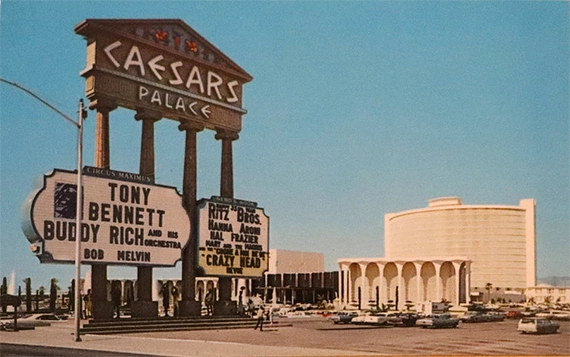
Jay Sarno opened Caesars Palace in 1966, a resort that was designed to emulate the grandeur of ancient Rome. With a $24 million investment, the resort featured 680 rooms, lavish fountains, and statues, creating an immersive experience for its guests. Sarno’s vision was to make every guest feel like a “Caesar,” offering a fantasy world of indulgence. This resort set a new standard for what Las Vegas could offer visitors, fusing gambling with high-end elegance and entertainment.

The MGM Grand, opened by Kirk Kerkorian in 1973, aimed to be the world’s largest hotel. With over 2,000 rooms and a massive casino floor, the MGM Grand symbolized the new era of mega-resorts that prioritized size, luxury, and entertainment. These developments marked a recasting from the era of small, family-owned casinos to huge corporate entities. The need for sizable capital investments, which individual owners could no longer afford, brought about this change. Corporate ownership meant that bigger and much more elaborate resorts could be built and introduced to new revenue streams like shopping malls and other entertainment venues.
Increased Focus on Opulence and Excess
The mega-resorts of the 1960s and 1970s emphasized opulence and excess, catering to a clientele that sought an extravagant experience. Resorts like Caesars Palace and the MGM Grand were designed to awe visitors with their grandiose architecture and lavish interiors. Features such as Roman statues, massive fountains, and themed decor created an atmosphere of indulgence. These resorts offered a wide range of high-end amenities, including gourmet restaurants, luxury shopping, and world-class entertainment.
The Rise of Howard Hughes and His Impact on the City
Howard Hughes’ arrival in Las Vegas in 1966 played another big role in this transformation. Hughes bought several major properties, including the Desert Inn, Sands, Frontier, and others. His presence brought a new level of legitimacy to the Las Vegas gaming industry and encouraged other corporations to invest in the city. Hughes’ aggressive acquisitions also led to concerns about monopolistic practices, as he controlled a huge portion of the Las Vegas Strip’s gaming revenue by 1968.

But because Hughes invested so heavily in the city’s resorts, he became the largest employer in Nevada. His investments helped to clean up the city’s image, moving it away from its associations with organized crime and attracting more legit business interests.
Despite the concerns, Hughes’ influence was largely seen as positive, bringing more stability and respectability to the industry.
Pros and Cons of the New Era
The corporate era of mega-resorts brought with it both advantages and disadvantages to Las Vegas, like the following:
Pros
- Economic Growth: The construction of mega-resorts created thousands of jobs and boosted the local economy. The influx of tourists and the development of new attractions contributed to the city’s growth and prosperity.
- Legitimacy: The involvement of reputable businessmen like Howard Hughes helped to legitimize the Las Vegas gaming industry, reducing its association with organized crime and attracting more mainstream investment.
- Innovation: Mega-resorts introduced new forms of entertainment and amenities, making Las Vegas a more attractive destination for a diverse range of visitors.
Cons
- Loss of Small Businesses: The rise of corporate-owned mega-resorts led to the decline of small, family-owned casinos. Many of these smaller establishments could not compete with the resources and attractions offered by the larger resorts.
- Monopolization: The concentration of ownership in the hands of a few large corporations raised concerns about monopolistic practices and the potential for less competition in the market.
- Cultural Shift: The focus on opulence and excess shifted Las Vegas’s cultural landscape, moving it away from its roots as a gambling town and towards a broader entertainment destination. This shift had both positive and negative implications for the city’s identity and appeal.
The Legacy of the Golden Age
The Golden Age of Las Vegas, spanning from the 1940s to the 1960s, left an indelible mark on the city, shaping its identity and legacy that still influences modern-day Las Vegas!
The opulent casinos and glamorous shows of this era established Las Vegas as the go-to place for high-stakes gambling and world-class performances. This legacy has carried forward, with modern Las Vegas building on this foundation to uphold its reputation as a city where anything can happen.
Architecture from the Golden Age, like modern mid-century designs, continues to influence the city’s landscape. Landmarks like the Flamingo and the original Caesars Palace are reminders of the era’s grandeur and style. Modern resorts often pay homage to these early designs, fusing the more nostalgic elements with contemporary luxury to attract all kinds of visitors.
Evolution of Entertainment Options and Mega-Resorts
The evolution of entertainment in Las Vegas has been nothing short of dramatic since the Golden Age. The Rat Pack set the standard for live performances, and their influence is still felt today. The concept of residency shows, which began with stars like Elvis Presley in the 1970s, has evolved into a cornerstone of Las Vegas entertainment.
Artists like Britney Spears, Adele, Celine Dion, and Lady Gaga draw huge crowds, continuing the tradition of legendary performances that make Las Vegas the place to be.
Mega-resorts have become the hallmark of Las Vegas. The transition from smaller, family-owned casinos to large corporate-owned mega-resorts began in the 1960s and has continued to grow. These resorts have more than just gambling; they provide the full vacation experience with extravagant accommodations, gourmet dining, high-end shopping, and a variety of entertainment options. Resorts like the Bellagio, the Venetian, and the Wynn epitomize this evolution, combining luxury with a host of amenities to cater to different audiences.
Continued Reputation as a Nucleus for Excess and Indulgence
Las Vegas has held onto its rep as a city of excess and indulgence because The Golden Age set the standard, and modern Vegas has not only preserved but expanded upon that reputation. Today’s Las Vegas offers even more extravagant experiences, from lavish suites and high-roller gaming rooms to exclusive nightclubs and Michelin-starred restaurants. The city thrives on providing visitors with unparalleled experiences, reinforcing its image as a playground for adults.
Ongoing Influence of the Rat Pack and Other Iconic Performers
The influence of the Rat Pack—Frank Sinatra, Dean Martin, Sammy Davis Jr., Peter Lawford, and Joey Bishop—remains strong in Las Vegas. Their legacy is seen in the ongoing popularity of residency shows, where contemporary artists perform extended engagements, bringing fans from around the world to the city. This model, pioneered by the Rat Pack, continues to be a major draw for Las Vegas, merging nostalgia with modern entertainment.
Residencies by artists like Britney Spears, Celine Dion, and, more recently, Adele and Lady Gaga have become major attractions, proving that the appeal of seeing top-tier performers in an intimate, recurring setting remains as strong as ever. These shows not only honor the tradition started by the Rat Pack but also push the boundaries of live entertainment with elaborate productions and state-of-the-art technology.
Early Years’ Influence on Modern Identity and Appeal
The early years of Las Vegas, characterized by the construction of iconic casinos and the rise of legendary performers, continue to shape the city’s identity and appeal. The spirit of innovation and risk-taking from this era is evident in the city’s constant reinvention and adaptation to new trends. Whether through the development of new mega-resorts, the introduction of cutting-edge entertainment technologies, or the continuous influx of top-tier talent, Las Vegas stays true to its roots while constantly adapting to meet the wants and needs of new generations of visitors.
The cultural and social fabric of Las Vegas, woven during the Golden Age, persists in the city’s commitment to offering novel and memorable experiences. This enduring legacy makes sure that Las Vegas stays a symbol of fun, luxury, and endless possibilities.
By reflecting on its past while continually pushing forward, Las Vegas honors the legacy of its Golden Age and remains one of the most dynamic and compelling destinations in the world. The city’s ability to mix its storied history with modern innovations keeps it at the forefront of global entertainment, solidifying its place as a must-visit spot—and that won’t change anytime soon!
Legacy: The Golden Age of Las Vegas Lives On
The Golden Age of Las Vegas was a gilded time that gleamed with promise not only for visitors who came with hopes and dreams of winning it big but for residents who benefited from the influx of money they poured into the Nevada economy because of the casinos. And if you were lucky enough to see The Rat Pack do their thing in person, you are a part of the storied legacy.
The Golden Age of Las Vegas was truly a transformative time that cemented the city’s foundation as an entertainment powerhouse. From the rise of legendary casinos and the influence of the mob to the era-defining performances of the Rat Pack, these years made Las Vegas’ identity what it is. The legacy of this period keeps influencing modern Las Vegas, where visitors can enjoy the opulence and excitement that Vegas is known for.
Las Vegas is a wonderful mix of its golden past and modern luxury. When you visit, whether it’s your first trip or seventh, you can marvel at the extravagant mega-resorts and also explore and appreciate the fascinating history that made this city what it is. Take a stroll down the Strip, stand under the glow of the neon lights, catch a show of two, and savor the flavors of world-class restaurants. The soul of the Golden Age is alive and well, blending a nostalgic charm with modern-day attractions. It doesn’t matter if you’re drawn by the retro allure or the cutting-edge excitement; Las Vegas is always an experience you won’t forget.
Understanding the Psychological Effects of Gambling on Seniors in Nursing Homes
On certain days or nights, in the main gathering rooms of a quiet nursing home, where the days can blur into one another, you’ll hear tinkles of laughter and chatting when senior citizens congregate to gamble. Whether it’s the joyous declaration of “BINGO,” a poker game between old friends, or even residents playing on online gambling sites, seniors enjoy the thrill of the game. After all, age is just a number.
And it’s not just about winning—it’s the fun and camaraderie that come with it! Did you know that almost 70% of seniors in nursing homes engage in some form of gambling, from bingo to card games?
We didn’t! But were we surprised? Not at all. It makes perfect sense when you think about it: not only is it an escape from the dull (and, let’s face it, probably depressing) days in a nursing home, but it has beneficial aspects for the residents! That’s why we are doing an exploration of the psychological impact of gambling on seniors in nursing homes. We’ll look at both the positive boosts to their mental health and, of course, the possible dangers of developing a gambling addiction at an advanced age.
Overview of Gambling Activities in Nursing Homes
Gambling in nursing homes has always been around, but the trend is growing! It’s both entertaining and boosts social interaction for the residents. So what are the different types of gambling activities available? How common are they? And why are they so popular among seniors?
Definition and Types of Gambling Activities
- Bingo: Bingo is a staple in almost all nursing homes, known for its simplicity and social appeal. It’s a game that involves matching numbers on a card to those called out by a host. This game not only provides mental stimulation but also serves as a social hub where residents can gather and mingle.
- Casino Nights: Casino nights bring the excitement of a casino to the nursing home. These events often feature games like poker, blackjack, and roulette, allowing residents to enjoy the excitement of gambling in a controlled environment. These nights are usually organized as special events and can create a fun and festive atmosphere.
- Online Gambling: With the advent of technology, online gambling has become accessible to seniors. Many elderly residents in nursing homes have embraced online gambling sites. This form of gambling offers convenience and a wide range of gaming options, making it a popular choice for those who are tech-savvy.
- Lottery and Raffle Draws: Nursing homes will sometimes organize lottery or raffle draws, where residents can purchase tickets for a chance to win prizes. These events are simple to set up and can be quite exciting.
- Horse Racing Simulations: Some nursing homes use video or mechanical horse racing games. Residents place bets on horses, and winners are determined by the outcome of the race.
- Card Games: In addition to poker, other card games like bridge, rummy, and gin can be popular. These games require strategic thinking and can be very engaging.
- Slot Machines: In some nursing homes, small-scale slot machines are available. These machines are usually set to free play, allowing residents to enjoy the experience without any financial risk.
- Casino Trips: Most nursing homes offer day trips outside of the residence—one of them being trips to physical casinos. They provide the transportation, and it’s a great way for the residents to have a fun day away!
Prevalence and Popularity
Gambling activities are actually quite prevalent among seniors in nursing homes. Research indicates that about 70% of elderly residents engage in some form of gambling! As an example, 23% of older adults play bingo more than four times a month, and 16% participate in day trips to casinos at least once a month—a survey found that 28% of people aged 65 and older had visited a casino in the past year, showing the broad appeal of gambling among seniors.
Reasons for Popularity Among Seniors

The popularity of gambling among seniors can be attributed to several factors:
- Mental Stimulation: Games like bingo and poker require strategic thinking and quick decision-making, which help keep the mind sharp.
- Social Interaction: Gambling activities are usually social events, providing a way for residents to connect and build relationships.
- Entertainment: Gambling offers a break from the monotony of daily life in a nursing home, providing excitement and something to look forward to.
- Accessibility: With organized casino nights and online casino sites, gambling is easily accessible to seniors, making it a convenient form of entertainment.
Psychological Benefits of Gambling for Seniors
Gambling in nursing homes gives the residents so much more than mere entertainment; it can positively impact the psychological well-being of seniors. By engaging in gambling activities, seniors get a triple play of mental stimulation, social interaction, and emotional well-being.
Mental Stimulation
Gambling activities, like bingo and card games, require seniors to stay alert and make quick decisions, which helps keep the mind sharp. These games engage different parts of the brain, requiring strategies and problem-solving skills. Bingo, for instance, requires players to listen attentively to the numbers called out and quickly mark their cards, promoting multitasking and cognitive speed.
Comparison with Other Mentally Stimulating Activities
Compared to other mentally stimulating activities like jigsaw puzzles or crosswords, gambling provides a dynamic and interactive environment. While jigsaw puzzles are usually a solitary challenge, gambling introduces a social component that can improve cognitive engagement through interaction and competition. The anticipation and excitement associated with gambling can be much more stimulating than the repetitive nature of some other activities.
Social Interaction
Gambling activities in nursing homes, for the most part, are social events where residents can gather, chat, and enjoy each other’s company. This social aspect is really important for seniors, as it helps combat and even decrease feelings of loneliness and isolation. Regular gambling events provide a structured chance for seniors to interact with peers and build connections and even lasting friendships.
Examples of Successful Social Events Centered Around Gambling
Bingo nights are a perfect example of successful social events in nursing homes. These types of gatherings are not just about the game but also about the companionship and sense of community they bring with them. Casino nights change the sedate and sterile nursing home environment into a more lively social center where residents can play games like poker and blackjack, enjoy themed decorations, and take a break from their routine. These kinds of events are always well-received and eagerly anticipated by the residents!
Emotional Well-being
Gambling can bring joy and fun to seniors, contributing to their overall emotional well-being. The potential to win a game, combined with the engaging atmosphere, can elevate mood and provide a sense of accomplishment. Studies have shown that recreational gambling can increase happiness levels and even have therapeutic benefits for seniors, helping to alleviate anxiety and depression.
Case Studies
The National Library of Medicine published a study that evaluated “The Effect of Gambling Activities on Happiness Levels of Nursing Home Residents” and found the following:
“The current study evaluated the effect of participating in simulated gambling activities on happiness levels of 3 nursing home residents. A 4-component analysis was used to measure objective responses associated with happiness during baseline, varying durations of engagement in simulated gambling activities, and 2 follow-up periods. Results indicated that all residents exhibited a higher percentage of happiness levels while engaged in simulated gambling activities compared with baseline. Follow-up assessment took place 10 min and 30 min following the intervention; no lasting effects were observed.”
The study took place in a 159-bed nursing home. Three residents with a history of gambling, as noted by their caregivers, participated in the study. Donna, Lily, and Fred had lived in the nursing home for at least four years, were over 80 years old, and had no diagnoses of dementia or other cognitive disabilities, according to their medical records.
“Engaging the elderly in preferred activities and thus improving their quality of life has the potential to produce positive health benefits (Wang, Karp, Winblad, & Fratiglioni). One such activity is recreational gambling. Recent research suggests that positive health benefits from gambling can occur in the elderly (Vander Bilt, Dodge, Pandav, Shaffer, & Ganguli). In this study, a large group of rural community-dwelling elderly was assessed across a number of factors including the predictability of regular gambling. Those individuals who frequently gambled had higher self-reported health, lower rates of depression, and a greater social support network than non gambling peers. Other researchers have noted that gambling is beneficial to the mental health of the elderly because it not only provides a social activity but also involves using problem-solving skills, concentration, and memory (Christensen & Patsdaughter).”
In the initial phase of the paired-choice preference assessment, Donna, Lily, and Fred selected gambling-related stimuli 81%, 76%, and 100% of the time, respectively. When the choices were limited to gambling or people-related stimuli, all three chose gambling stimuli in 75% of the trials and people stimuli in just 25% of the trials. These results showed a clear preference for gambling activities among the residents.
Personal Stories or Testimonials from Seniors Who Benefit
The seniors who participate have shared positive experiences regarding their participation in gambling activities.
- One resident said, “Playing bingo here is the highlight of my week. It’s not just about the game, but the fun we have.”
- Another senior stated, “I really look forward to our casino nights. It’s a chance to feel young again, to enjoy a bit of the excitement that I used to when I used to go to real casinos.”
These testimonials illustrate the impact gambling can have on the emotional and psychological well-being of seniors in nursing homes. They aren’t just a source of entertainment—they’re an important outlet for social interaction and mental engagement!
Gambling activities in nursing homes provide psychological benefits by keeping the mind active, encouraging social connections, and boosting emotional well-being. When managed responsibly, they can really improve the quality of life for elderly residents.
Psychological Risks of Gambling for Seniors
While gambling does give seniors much-needed entertainment and social interaction, it also comes with some psychological risks—ones that can affect their mental, emotional, and financial well-being. Knowing and understanding what they are will help protect seniors from potential harm!
Addiction and Compulsive Behavior: Signs of Gambling Addiction in Seniors
Gambling addiction in seniors can show up in various ways. The signs can look like being a little too focused on gambling, undue stress, hiding gambling activities, and spending money they can’t afford. Seniors may also become irritable when trying to stop gambling and could be using gambling as a way to escape from personal problems or negative emotions like anxiety and depression. Cognitive impairments like dementia, Alzheimer’s, and Parkinson’s disease can worsen the risk of developing compulsive gambling behaviors.
Factors That Contribute to Addiction in the Elderly
There are several factors that make seniors more prone to gambling addiction.
- Cognitive impairments can affect judgment and decision-making, making seniors more vulnerable to gambling problems.
- Social isolation and loneliness can push seniors to gamble as a form of social interaction or emotional comfort.
- Easy access to gambling through online platforms and local casinos, along with targeted marketing campaigns, also plays a role.
- Additionally, financial insecurity can lead seniors to gamble in hopes of improving their financial situation.
Financial Implications: The Risk of Financial Loss and Exploitation
Gambling can lead to severe financial problems for everyone—seniors included. Those on fixed incomes or relying on savings can quickly rip through their resources through gambling. This financial strain can turn into debts, including credit card debt and loans from high-interest payday lenders. Financial insecurity caused by gambling can force seniors to depend on family or government assistance, making them vulnerable to financial exploitation. In some cases, seniors might lose their eligibility for Medicaid due to gambling losses, which can have devastating consequences for their healthcare needs.
Case Studies of Financial Abuse Related to Gambling
There are instances of financial abuse related to gambling, highlighting the severe impact it has on senior citizens. One case involved a senior losing their life savings to gambling, meaning they became financially dependent on their family, which created tension and stress within the unit. Another case saw a senior accumulating massive debt through gambling, resulting in financial hardship and strained relationships with loved ones.
Below are a few more scary examples of financial loss and exploitation regarding older adults:
John’s Story: John, an 82-year-old widower, developed a gambling addiction after his wife passed away. He started hitting the local casinos and eventually lost his life savings. His family only discovered the extent of his financial troubles when he could no longer pay his bills. The casino had exploited his loneliness and encouraged him to keep gambling with offers of free meals and rooms.
Eleanor’s Experience: Eleanor, a 75-year-old retired teacher, was targeted by a scammer who befriended her at a casino. The scammer convinced her to invest in fake gambling schemes, leading to a loss of over $50,000. Her cognitive decline made her an easy target for such exploitation.
David’s Case: David, a 78-year-old veteran, lost his pension to online gambling. He initially started gambling to cope with loneliness but soon found himself in debt. His family had to intervene, taking control of his finances and seeking help for his gambling addiction. This situation put a strain on family relationships and caused both emotional and financial distress.
Emotional and Mental Health Issues: Anxiety and Depression Linked to Gambling Losses
The emotional impact of gambling losses can be profound for seniors. The stress and anxiety from losing money can lead to chronic worry, negatively affecting mental health. The cycle of gambling to escape negative emotions, only to suffer further losses, can deepen feelings of despair and hopelessness, leading to severe mental health issues like major depressive episodes and heightened anxiety.
The Impact of Compulsive Gambling on Overall Mental Health
Compulsive gambling can greatly impact the overall mental health of seniors—a preoccupation with gambling and associated financial and emotional stress can lead to sleep disorders, increased substance use, and even suicidal thoughts or actions. Studies have shown that seniors with gambling disorders are at a higher risk of suicide, particularly older white men. This highlights the need for early detection and intervention to prevent this kind of tragic outcome.
Yes, gambling does provide times of happiness and engagement, but it also carries some big risks, particularly for the elderly. Recognizing the signs of addiction, understanding the financial dangers, and addressing emotional and mental health issues associated with gambling are necessary steps in protecting seniors from any adverse effects of this activity.
Balancing the Benefits and Risks
Gambling can bring happiness, fun, and social connection to seniors in nursing homes, but it also comes with potential pitfalls like addiction, financial loss, and emotional turmoil. Finding the right balance between the positive aspects and the risks is important when it comes to seniors enjoying gambling activities safely and responsibly.
Implementing Responsible Gambling Practices: Guidelines for Safe Gambling Activities in Nursing Homes
Creating clear guidelines for gambling activities can help keep a safe gambling environment for seniors. Below are some practical steps:

- Limitations on Time and Money: Set strict limits on how much time and money residents can spend on gambling activities. This can prevent excessive gambling and help keep it as a recreational activity rather than a problematic behavior.
- Low-Stakes Games: Make sure the gambling activities involve low stakes. This minimizes the financial impact even if someone gambles more frequently than intended.
- Monitoring and Supervision: Staff should monitor all gambling activities to quickly identify and address any signs of problematic behavior. Regular check-ins with residents can help gauge their gambling habits and provide support if needed.
- Variety of Activities: Provide a variety of activities besides gambling to make sure it doesn’t become the only kind of entertainment. This can include hobbies, physical exercises, and social events that provide different forms of engagement and enjoyment.
Training Nursing Home Staff to Recognize and Help Intervene or Manage Any Gambling-Related Issues
If a nursing home is thinking about incorporating gambling into the itinerary or already has it on the schedule, the staff has to be trained to know what to look for and how to intervene! Training nursing home staff is essential for a safe and supportive environment. Here’s how the facilities can accomplish this:
- Educational Workshops: Organize workshops led by experts in gambling addiction and mental health. These sessions can help staff understand the signs of gambling addiction and the best practices for intervention.
- Behavioral Protocols: Develop clear protocols for staff to follow when they identify gambling-related issues. This can include steps for initial intervention, providing resources, and referring residents to professional help if needed.
- Ongoing Support and Counseling: Equip staff with strategies to support residents struggling with gambling problems. This can involve regular counseling sessions, support groups, and access to external help from gambling addiction specialists.
Creating a Supportive Environment: Providing Resources for Residents and Families
Fashioning a supportive environment involves making sure that both residents and their families have access to the necessary resources for gambling, including the following:
- Informational Materials: Provide brochures and pamphlets that explain the risks associated with gambling and offer tips for responsible gambling. These materials can be distributed during family visits or made available in common areas of the residence.
- Regular Family Meetings: Organize meetings where families can discuss their concerns about their loved ones’ gambling habits. This open communication helps families stay up-to-date and involved in their relatives’ well-being.
- Helplines and Support Groups: Collaborate with organizations that specialize in gambling addiction to offer helplines and support groups. This provides a lifeline for residents and their families who need advice or support.
Encouraging Open Communication about Gambling Habits
Good and open communication is a huge part of stepping in before gambling starts to become a problem:
- Regular Check-Ins: Schedule regular one-on-one check-ins with residents to talk about their gambling activities. This will help identify any issues early and provide a chance to address them before they escalate any further.
- Group Discussions: Facilitate group discussions where residents can talk about their gambling experiences. Sharing stories and concerns can help reduce stigma and promote responsible behavior.
- Workshops on Responsible Gambling: Offer workshops that educate residents about responsible gambling practices. These can include sessions on setting personal limits, recognizing the signs of addiction, and knowing when to reach out and get help.
By implementing these practices and promoting a supportive environment, nursing homes can help make sure that gambling keeps being a safe and fun activity for their residents! Balancing the benefits and risks involves continuous effort and collaboration between residents, staff, and families to uphold a healthy and safe living environment for seniors.
Recommendations for Nursing Homes and Families
Balancing the fun and the potential hazards of gambling for seniors in nursing homes requires thoughtful planning and support from both the facilities and families. We have some great recommendations for nursing homes on how to safely organize gambling activities and events and keep an eye on residents, as well as sage advice for families on talking about gambling with elderly loved ones and, above all, recognizing any warning signs of gambling problems.
For Nursing Homes: Best Practices for Organizing Gambling Activities
Creating a safe and enjoyable environment for gambling in nursing homes involves implementing structured and well-supervised activities. The goal is to provide entertainment while minimizing the risks associated with gambling. Below are some of the best practices for facilities:
- Structured Events: Organize regular, structured gambling events like bingo or card games with clearly defined time limits and low stakes. This approach helps prevent excessive gambling and keeps the activity recreational rather than problematic.
- Supervision and Monitoring: Make sure that all gambling activities are closely supervised by trained staff. Staff should be super vigilant in monitoring residents’ behavior to identify and address any signs of compulsive gambling quickly. Regular check-ins with residents can help assess their gambling habits and provide necessary support if need be.
- Educational Sessions: Educate residents about the risks of gambling and promote responsible gambling practices. Inform them about setting personal limits and recognizing signs of gambling addiction. This can be done with informational sessions and the distribution of educational materials.
- Diversified Activities: Offer a host of recreational activities to make sure that gambling does not become the main form of entertainment. Add in hobbies, physical activities, and other kinds of social gatherings for a balanced and engaging environment for residents.
Strategies for Monitoring and Supporting Residents
Implementing effective strategies for monitoring and supporting residents is a must in preventing gambling-related issues. Nursing homes can do so with the following measures:
- Regular Check-Ins: Conduct regular one-on-one check-ins with residents to discuss their gambling activities. These convos help in identifying any issues early and offer an opportunity to provide support and guidance.
- Training Staff: Invest in training programs for staff to recognize signs of gambling addiction and understand appropriate intervention steps. Workshops led by mental health professionals and gambling addiction specialists can equip staff with the necessary skills to manage gambling-related issues.
- Support Systems: Establish support systems within the nursing home, such as peer support groups or counseling sessions. These support systems can provide residents with a safe space to discuss their gambling experiences and get help if they need to.
- Resource Provision: Make sure residents and their families have access to resources like helplines, support groups, and counseling services. Collaborate with external organizations that specialize in gambling addiction to offer comprehensive support.
For Families: Tips for Discussing Gambling with Elderly Loved Ones
Talking about gambling with your elderly loved ones can be hard to do, but it is a conversation that needs to take place if you want to avoid and prevent problems associated with it! Below are some tips to approach this important talk in an effective way:
- Open Communication: Approach the topic with openness and without judgment. Encourage your loved one to talk about their experiences and feelings about gambling. Creating a safe and non-judgmental space is always important for a productive conversation.
- Education and Awareness: Educate your family members about the risks associated with gambling and the importance of responsible practices. Provide them with info and resources that can help them understand the potential dangers.
- Setting Boundaries: Help your loved one set boundaries regarding the amount of time and money spent on gambling. Talk about how important it is to balance gambling with other activities and interests to keep a healthy lifestyle.
- Encouragement and Support: Give them encouragement and support by participating in alternative interests together. Show them you are interested in their hobbies outside of gambling and even help them find new things they like to do so they can cut back on their reliance on gambling for entertainment!
Signs to Watch For and How to Get Help
Recognizing the signs of gambling problems early can prevent more serious issues. Here are the signs to watch for and the steps to get help for a loved one:
- Behavioral Changes: Look for changes in behavior like a preoccupation with gambling, irritability when not gambling, or neglect of personal responsibilities and other interests. These changes can be indicators of a gambling problem.
- Financial Red Flags: Be alert to financial issues like unexplained withdrawals, missing funds, or frequent borrowing of money. These could be signs of gambling-related financial problems.
- Emotional Indicators: Be aware of any emotional changes like anxiety, depression, or mood swings, which could be linked to gambling losses or stress.
- Getting Help: If you notice these signs, encourage your loved one to seek help. Connect them with professional counseling services, support groups like Gamblers Anonymous, or helplines that specialize in gambling addiction.
- Family Support: Get involved in support networks that give guidance to families dealing with gambling addiction. These groups provide valuable advice and support for managing the situation successfully.
Balancing the benefits and risks of gambling for seniors involves creating a supportive environment where responsible practices are encouraged, and potential harms are minimized. By working together, nursing homes and families can help seniors enjoy gambling as a safe and fun pastime!
Conclusion: Should Seniors in Nursing Homes Gamble? You Bet!
Gambling in nursing homes can be a blast for seniors, bringing a much-needed dose of fun and camaraderie. But, like with any good thing, it’s all about balance—it’s important to make sure these activities are not only fun but also safe and responsible. Think of it like adding a pinch of seasoning to a dish—you want to enhance the flavor, not overpower it!
Balanced and responsible gambling activities are the main thing, and by setting up structured events with clear time and money limits and mixing it up with a variety of other enjoyable activities, seniors can keep the excitement without letting it get out of hand. It’s about giving residents the joy of the game, the thrill of a potential win, and the benefit of socializing, all while keeping things in check.
The Importance of Ongoing Dialogue and Research
Keeping the convo going is really important when it comes to gambling in nursing homes! Open and regular chats between residents, their families, and the nursing home staff are the way to spot any issues early on and keep this pastime what it should be: safe and fun. And let’s not overlook the power that research plays, which is looking for the best ways to manage gambling activities and protect our seniors. As long as everyone involved stays alert and proactive, it means that residents can keep enjoying the fun and the mental health benefits of gambling!
So, what can we do about it? Well, for nursing homes, it means putting the best practices in place: setting up fun yet controlled gambling activities, training staff to spot and deal with any gambling-related issues, and offering a variety of recreational options, making sure gambling is just one of the enjoyable activities available to residents.
For families, it’s about having open, supportive conversations about gambling. Talk to your loved ones, set boundaries, and be there to support them when needed! Know how to spot the signs of gambling problems, and don’t wait to get professional help if you need to!
Together, nursing homes and families can create a safe and more enjoyable environment for our beloved seniors. It’s about elevating their quality of life and making sure they have plenty of fun and social interaction without any of the downsides!
Who Gambles the Most? A Look at Gender Differences in Gambling Habits
Did you know men are more likely to develop a gambling problem than women are? That might surprise you (or it might not), but why do dudes gamble more than the ladies, and why are they more susceptible to it turning into a problem? And are there any scientific or psychological reasons behind it?
Since men and women absolutely differ in their gambling habits, we wanted to see why! We’ll go over everything from the historical trends to the modern-day stats and the science that backs it up.
First up, we’ll look at the history of gambling to see how it all started and how gender roles have evolved. Then, we’ll unpack the latest stats to see who’s playing what games today. We’ll also look at all of the different types of gambling, why some are more popular with men, why women gravitate toward others, and the psychological and social factors that influence gambling habits. We’ll also examine just how marketing and advertising play their parts in influencing these behaviors. And to finish up, we’ll talk about how gambling addiction affects men and women differently.
So, let’s get going and see what makes men and the fairer sex different when it comes to gambling habits!
Historical Context
Gambling has always been around—it’s a mainstay in human culture, with its roots tracing back thousands of years. Throughout history, the roles of men and women in gambling have shifted dramatically, influenced by societal norms, economic conditions, and cultural attitudes toward genders.
Early Gambling Practices
In ancient civilizations, gambling was predominantly a male-only activity—no women allowed. Men were the primary participants in games of chance and skill, which were seen as tests of bravery, strategy, and luck.
| Ancient Civilization | Details |
|---|---|
Ancient Greece and Rome | In Ancient Greece, men participated in various gambling activities like dice games, where the outcome was believed to be influenced by the gods. Similarly, in ancient Rome, men engaged in games like “alea,” a precursor to modern dice games, and “tabula,” the early form of backgammon.
Women, on the other hand, were almost always excluded from these public gambling events. Social norms dictated that women’s roles were to be domestic, and their participation in gambling was limited to private settings or specific festivals where women were allowed to play games. |
Ancient China | While men took part in elaborate betting games and lottery systems, women were limited to simpler games like Keno, which were usually played at home. |
Medieval Europe | Gambling was a common pastime among knights and nobles, with tournaments and betting on jousting events being the most popular. Again, women’s involvement was minimal and typically limited to social gatherings where card games might be played among ladies of the court. |
This period also saw the introduction of regulatory measures against gambling, which were influenced by religious institutions that viewed gambling as sinful.
Changes over Time
The roles of men and women in gambling began to change in the 19th and 20th centuries notably—the Industrial Revolution and the subsequent urbanization brought with it new forms of entertainment, including gambling houses and casinos. These venues were, at first, male-dominated spaces where men gathered to gamble on card games, roulette, and horse racing.
During the early 20th century, the social dynamics began to shift again, as World War II played a pivotal role in changing gender roles as women took on jobs and responsibilities that were traditionally held by men. This included working in and visiting casinos. The post-war economic boom saw the rise of Las Vegas as a gambling mecca, attracting a diverse crowd, which included the ladies!

The feminist movement of the 1960s and 70s further accelerated the change in women’s roles in gambling. Women began to assert their presence in casinos and gambling events, challenging the traditional gender norms. Iconic figures like Judy Bayley and Claudine Williams emerged as trailblazers in the industry—Bayley became the first woman to own and operate a hotel-casino after her husband’s death, while Williams was the first woman inducted into the American Gaming Association’s Hall of Fame.
In recent decades, the gender gap in gambling has continued to narrow, and currently, women are actively participating in all forms of gambling, from casino games to online betting on gambling sites. The advent of online gambling has been extraordinary in this regard—online platforms provide a level of anonymity and convenience that has made gambling much more accessible to all, and that includes women.
Ladies now account for nearly half of all online gamblers, with games like online slots, bingo, and poker being especially popular among female players.
Despite this progress, there are still roadblocks, as gender stereotypes still exist in some areas of gambling, and women face some barriers, including concerns about safety and the perception of gambling as a male-dominated activity. But ongoing efforts to create a more inclusive and welcoming environment are helping to change these perceptions. Initiatives like female-focused poker tournaments and women-only gaming events are becoming commonplace, offering spaces where women can gamble comfortably and confidently.
Current Gambling Statistics
To better grasp the current gambling landscape, examining recent statistics is helpful. These figures highlight how gambling behaviors have shifted, showcasing the participation rates among different groups and the influence of technology. By looking at the latest data, we can understand who is gambling, which games are favored, and how these trends differ across regions and genders.
Global Data: Recent Global Statistics on Gambling Participation by Gender
When we look at gambling participation on a global scale, we see some really interesting trends regarding gender differences. Recent data shows that men continue to dominate the gambling scene, particularly in more competitive forms of gambling like sports betting and poker. However, women are increasingly making their mark, especially in online gambling spaces.
In the UK, for example, 42% of women reported participating in some form of gambling in the past four weeks, with the National Lottery, scratchcards, and bingo being the most popular activities. Women are also increasingly shifting towards online gambling, moving away from traditional in-person lottery draws to more accessible online platforms. In 2021, approximately 23.1% of female respondents in the UK had engaged in online gambling within the past four weeks.
Globally, nearly half of online gamblers are women. This shift is largely attributed to the anonymity and ease that online gambling offers, breaking down the old barriers that have kept women away from physical gambling venues. Studies from various countries show a steady uptick in female participation across different gambling activities, illustrating a trend towards more balanced gender representation in the industry.
Regional Variations: Important Regional Differences in Gambling Habits Between Men and Women
The way men and women gamble changes across different regions—in countries like the UK and Australia, women are showing a strong presence in gambling activities that were usually dominated by men. The UK has seen a big increase in women engaging in online gambling, driven by the accessibility and variety of online platforms.
In contrast, areas like Brazil show different patterns. Due to conflicting regulations and limited data, it’s hard to get a decent picture of female gambling habits in Brazil. But anecdotal evidence suggests that cultural and regulatory factors are beginning to change gambling behaviors in these regions.
In the United States, the gender gap is evident in specific types of gambling. Men are more likely to engage in sports betting and poker, while women tend to favor lotteries and bingo. This divide is also influenced by targeted marketing strategies and societal norms that define gambling preferences.
Asian countries present a novel scenario—in Japan, gambling activities like Pachinko have always been popular among both men and women. Since the gambling scene is heavily regulated, and women’s participation in certain gambling activities is less visible compared to men, the results are skewed. And in China, traditional games like Keno have historically seen more female participation, although modern gambling practices remain predominantly male-oriented due to cultural norms and legal restrictions.
Types of Gambling
Gambling comes in all kinds of flavors, from traditional casino games to modern online betting and lottery games. Knowing the differences in how men and women engage in these casino games can say a lot about preferences and trends! Below, we’ll break down the popularity of different gambling preferences among the genders!
Casino Games
Obviously, casino games are the touchstones of gambling, and their popularity can vary wildly by gender. Slots are particularly popular across the board because of their simplicity and the call of huge potential jackpots. In both online and offline settings, slots account for a considerable portion of casino revenue, often upwards of 70%.
- Men tend to lean toward the more strategic and competitive games like poker and blackjack. These games take some skill and have an element of control that is attractive to lots of male gamblers. Poker, especially, has a really strong male following, with tons of high-stakes tournaments that attract mainly male participants.
- Women, on the other hand, are usually drawn to games that mix luck with a social element, and Bingo and certain kinds of slots fit this description. Women are more likely to play slots and bingo as they like the straightforward gameplay and the community aspect of these games.
Online Gambling
The ascent of online gambling has created new dynamics in gambling habits. Online gambling, which encompasses mobile gaming, has seen exponential growth, with around 44% of online gamblers being women. The convenience of mobile gaming means players can gamble from anywhere, making it super appealing.
- Men are more likely to engage in online sports betting and live dealer games, as these forms of gambling give them real-time interaction and the rush of live events, which men tend to find appealing.
- Conversely, women prefer online slots and bingo. The anonymity and ease of access with online platforms let women play without the stigma that could be associated with visiting a physical casino. Data showing a surge in female engagement in online lotteries and bingo games supports this change.
Sports Betting
Sports betting is mainly male-oriented full stop. Approximately 25% of men participate in online betting compared to 3% of women. Why?
- Well, males are drawn to in-play betting, where bets are placed during the course of a live event, leveling up the excitement of watching the sports they are betting on. Football, basketball, and tennis are among the most popular sports for betting globally.
- While women’s participation in sports betting is lower, it is increasing, especially with the upsurge of mobile betting apps. The gender gap in sports betting is super evident, but the landscape is changing as more women become interested in this form of gambling.
Lottery and Bingo
Lottery and bingo are conventional forms of gambling that have long been popular among women. In the UK, women aged 30 to 50 are particularly fond of bingo, with a 70-80% participation rate within this demographic. Bingo halls and online bingo platforms have a social atmosphere that women really like.
Lotteries also see high participation rates among women—the simplicity and low cost of playing the lottery make it accessible to a big audience, and most women prefer the lottery due to the minimal time investment required and the potential for big winnings with a small initial outlay.
The participation of women in these forms of gambling shows the importance they place on the social and community aspects, which are less pronounced in more competitive and solitary gambling activities like sports betting and poker. The gambling habits of men and women show clear differences, influenced by the nature of the games, the environments in which they are played, and cultural attitudes towards gambling.
Psychological and Social Factors
Gambling behaviors are influenced by a lot of factors, including risk-taking tendencies, societal norms, and personal motivations. Being cognizant of these factors and how they differ between men and women can shed a little light on why people gamble and how they engage in different gambling activities.
Risk-Taking Behavior
Studies have consistently shown that men are likelier to engage in risk-taking behaviors than women. This tendency is especially evident in gambling, where men participate in higher-risk activities like sports betting and poker. Research indicates that men generally perceive the benefits of risky behaviors to outweigh the potential negative outcomes more than women do. This perception drives them to engage in gambling activities with higher stakes and greater potential rewards.

In contrast, women tend to be more risk-averse. They are way more likely to consider the possible negative consequences of their actions and are generally less willing to engage in high-risk gambling activities. Most prefer games with lower stakes and more predictable outcomes, like bingo and slot machines. This difference in risk perception is partly due to women’s greater sensitivity to the potential for harm and their higher likelihood of experiencing negative emotional reactions to losses.
Social Influences
Societal norms and peer influences also shape gambling behaviors—since gambling has always been seen as a male-dominated pastime, with men more likely to gamble in social settings like casinos and sports events, it reinforces male participation in gambling and associates gambling with masculinity and social status.
For women, societal norms have historically discouraged gambling, particularly in public settings. Yet these norms are changing, and online gambling platforms have provided a private and easier way for women to gamble, equaling higher female participation.
Peer influence also impacts gambling behaviors. Men are more likely to gamble in groups, where the social aspect boosts the excitement and perceived acceptability of gambling. Women, on the other hand, may be influenced by the gambling behaviors of close friends or family members. This influence can either encourage or discourage gambling, depending on the social circle and the perceived norms within it.
Motivations for Gambling
The primary motivations for gambling differ between men and women. For men, the thrill of taking risks and the potential for financial gain are major driving forces. Men are drawn to gambling activities that take skill and come with the possibility of high rewards. The competitive nature of these games also speaks to men’s desire for social status and recognition.
Women are more likely to gamble for social and emotional reasons and see gambling as a form of entertainment and a way to socialize with others. Games like bingo and slots, which can be played in social settings or online, are opportunities for social interaction and relaxation. Additionally, women are more likely to gamble to escape from stress or emotional difficulties, using gambling as a coping mechanism.
Financial motivations also influence gambling, but they are generally less prominent for women than for men. While both genders gamble with the hope of winning money, women are much less likely to engage in high-stakes gambling and more likely to stick to games that involve smaller bets and lower risks!
Marketing and Advertising
Gambling companies rely heavily on marketing and advertising to attract new customers and keep them coming back—the budgets for these campaigns are big—like, six figures big. The strategies are usually tailored to draw in different genders, using tried-and-tested techniques and messages to get attention and drive engagement. By looking at targeted campaigns and the use of gender stereotypes, we are better able to understand how these ads are influencing gambling behaviors.
Targeted Campaigns
Gambling companies employ highly strategic marketing efforts to appeal to specific genders. Sports betting ads, for example, mostly target young men, as they are the ones who bet on sports. Makes sense! The advertisements feature male celebrities (like Jamie Foxx for BetMGM), sports figures, and running themes of competition and fun, which lines up with traditional masculine interests and social norms around sports and risk-taking.
On the other hand, marketing campaigns aimed at women focus mostly on the social and entertainment aspects of gambling. Bingo and slot machine ads rely on themes of community, relaxation, and fun. They even got Drew Barrymore to do an online Bingo Blitz ad where she screams “BINGO” in a cafe, a nod to the infamous scene in When Harry Met Sally (only Meg Ryan doesn’t yell “BINGO!”). Online gambling platforms are designed to be more inclusive, creating spaces where women feel more comfortable and engaged.
Different channels and messages are utilized to reach these audiences. Men are targeted via sports broadcasts, social media, and ads during major sporting events, while women are reached via social media, lifestyle magazines, and TV shows that feature leisure and entertainment.
Gender Stereotypes in Advertising
Gender stereotypes are commonly used in gambling advertisements, although their effectiveness can vary.
- Ads targeting men typically feature images of success, power, and adventure, depicting men in control, making strategic decisions, or enjoying the adrenaline high of the game. These ads play on traditional masculine traits like competitiveness and assertiveness.
- Advertisements aimed at women focus on sociability, enjoyment, and escapism themes. Bingo ads show groups of women playing together and laughing, and slot machine ads use vivid colors and playful themes, appealing to the desire for entertainment and fun.
While these stereotypes do attract initial interest, they also reinforce outdated notions about gender roles, which can potentially alienate some of the audience—especially younger generations. As the gambling industry grows, there is a recognition of the need for more balanced and inclusive marketing approaches that do not solely rely on gender stereotypes!
Some companies are creating ads that feature both men and women gambling together, promoting a more diverse and inclusive image of gambling, and digital marketing means there is personalized and targeted advertising, enabling companies to create campaigns that appeal to individual interests rather than relying on broad gender stereotypes. This approach improves the success of advertising and helps create a more inclusive environment for all gamblers!
Gambling Addiction
Gambling addiction is a serious issue that affects millions of people around the world, and it does not discriminate based on gender, age, or background! But the way it manifests and impacts lives can certainly differ between men and women. Below, we look at the prevalence of gambling addiction, the distinct challenges that each gender faces, and the support systems that are available to both.
Prevalence of Problem Gambling
Gambling addiction, which is also known as compulsive gambling or gambling disorder, affects a big portion of the population. In the U.S., about 5 million people are classified as compulsive gamblers, and men are twice as likely to develop gambling problems compared to women. Specifically, around 4.2% of men and 2.9% of women are identified as problem gamblers.
In the UK, recent data suggests that roughly 0.5% of adults struggle with gambling-related harm. The financial toll is alarming, with problem gamblers spending a median of $400 monthly and pathological gamblers often exceeding $2,000. These figures show not just the scope of the issue but also the severe financial burden it places on people and their families.
Globally, while men still lead in gambling addiction statistics, the gap is closing—this change is noticeable across different regions, indicating an urgent need to address gambling issues and promote responsible gambling among both men and women.
Gender-Specific Issues
Men and women experience gambling addiction differently, which calls for tailored approaches to treatment and support. Men usually start gambling at a younger age and are drawn to higher-risk casino games.
Women gamble for different reasons—some turn to it as a way to cope with stress, loneliness, or emotional pain. They gravitate toward games that have social interaction, but unfortunately, women will face a greater stigma when getting help for gambling addiction, as society views gambling as a male problem.
Moreover, women tend to start gambling later in life but can develop problems more quickly once they begin, and this fast progression can mean severe consequences before they even recognize they have an addiction.
Support and Treatment
Addressing gambling addiction requires understanding these gender-specific differences.
- For men, successful treatments tend to focus on managing risk-taking behaviors and finding healthy outlets for competitiveness. Cognitive-behavioral therapy (CBT) and support groups where men can share their experiences are the most commonly used approaches.
- For women, talk therapy that tackles underlying emotional issues, like anxiety or depression, can be particularly beneficial. Stress management techniques and building a strong social support network are also solid components of treatment. Women-only support groups and therapy sessions provide a safe space for talking about gambling addiction and promote healing without any judgment.
There are also online support resources that are invaluable to those who need help, including helplines, online counseling, and virtual support groups, some which have immediate assistance and all have ongoing support in place. These resources are especially helpful for those who might feel uncomfortable seeking help in person.
Conclusion: Battle of the Sexes, Gambling Edition
There are some obvious differences in gambling habits among genders and some not-so-obvious, subtler (even sneaky) ones. Men are more impulsive and like risky games, while women will hang back and wait a beat before placing their bets. As for gambling addiction, both can be in the danger zone, just at different stages in life!
We think it’s really interesting to see how men and women differ in their gambling habits! For the gambling sector, knowing these differences means they are able to hone their marketing strategies, design more engaging games that appeal to all genders, and give support that helps those who struggle with problem gambling. For society, it means reinforcing public health initiatives and support systems that address the needs of both men and women so everyone can get help if they need it.
What do you think about these gender differences in gambling? Have you noticed any of these trends in your own life or with people you know? We’d love to hear your thoughts and experiences, so tell us in the comments! And if you’re looking for more info or support, check out these resources:
- National Council on Problem Gambling: ncpgambling.org
- Gamblers Anonymous: gamblersanonymous.org
- Gambling Therapy: gamblingtherapy.org
Should the Gambling Age in the US Be Lowered to 18? | Pros and Cons
It’s been debated before, but it’s always worth revisiting: How is it that at 18 years old, you can enlist in the military, which is a huge responsibility, and vote, also a big milestone in America, but you can’t drink alcohol or gamble?
You can fight for your country (or be drafted) and cast a ballot that shapes our government and laws, but you can’t order an adult beverage or enter a casino? That doesn’t make a lot of sense! If it was consistent, like 21 years for all four activities, okay, we get that. Which brings us to our point—is it time for the U.S. to rethink the gambling age laws?
The debate over whether the gambling age should be lowered to 18 has been bandied about for years and continues to be relevant in today’s society. With changing attitudes towards youth responsibilities and rights, it’s a topic that pops up in talks around the dinner table, in Congress legislative halls, and even in the media. As society evolves, so do the perceptions of what exactly adulthood means and what privileges and responsibilities should come with it.
Currently, the legal gambling age in the U.S. varies depending on the type of gambling and the state. For casino gambling, the age is set at 21. Some states do allow those who are 18 to take part in a few kinds of gambling, like lotteries, bingo, and pari-mutuel betting. This mishmash of regulations shows the differing opinions around the country about when someone is considered mature enough to gamble responsibly.
We want to look at both the pros and cons of lowering the gambling age to 18 in the U.S.! If we weigh the potential benefits against the possible risks, it could become a little clearer whether a change like this would be a good thing or a mistake.
Historical Context
To get the full grasp of the ongoing debate about lowering the gambling age in the U.S., it’s important to look back at the history and evolution of gambling regulations. The age at which people are legally allowed to gamble has not always been set in stone and has changed in response to different social, economic, and even political influences over the years. By looking at the roots of these laws and comparing them to international standards, we can better understand the debate and why it’s relevant.

Evolution of Gambling Age Laws
The current gambling age regulations in the U.S. didn’t just happen overnight—the established age of 21 for most forms of gambling has been molded by historical events, societal attitudes, and legislative changes over time.
In the early days of America, gambling was generally frowned upon. The Continental Congress in 1774 urged colonists to avoid activities like horse racing and games of chance, demonstrating the moral and religious values of the time. But as the country grew, so did gambling, with riverboats along the Mississippi River becoming popular gambling hubs in the 19th century.
The 20th century brought about big changes, and Nevada legalized most forms of gambling in 1931 to boost its economy during the Great Depression, making it the gambling capital of the U.S. Over the years, other states followed suit, but with different regulations. By the 1970s, casino gambling grew beyond Nevada, notably in Atlantic City, New Jersey, and on Native American reservations following legislative changes.
The legal age for gambling became a focal point as gambling activities became more popular. In most states, the age of 21 was set, matching up with the legal drinking age due to concerns about young adults’ maturity and financial responsibility. This age was seen as a threshold where people were deemed “capable” of making sound decisions regarding gambling.
The main legislative milestones that shaped these laws include the following:
- The Federal Wire Act of 1961: Targeted at organized crime, it made interstate betting via wire communications illegal.
- The Indian Gaming Regulatory Act of 1988: Allowed Native American tribes to operate casinos under certain conditions.
- The Professional and Amateur Sports Protection Act of 1992 (overturned in 2018): Initially banned state-authorized sports betting, cementing Nevada’s distinct position in sports gambling.
These laws and others have contributed to the jumble of gambling regulations we see today across different states in the U.S.

Comparison with Other Countries
When we venture beyond the U.S. borders, the gambling age changes, showing a more nuanced perspective on this issue. Many countries set the legal gambling age at 18, meaning young adults can participate in various kinds of gambling (and drinking) three years before their American counterparts.
Countries like the United Kingdom, Germany, and Australia permit gambling at 18. In the UK, this includes sports betting, casino games, and purchasing lottery tickets. These countries have seen different outcomes of this approach—both positive and negative.
In Australia, the legal gambling age is also 18, and the country has a well-established gambling culture, including prevalent betting on sports and a large number of casinos. Yet it has also come with increased instances of gambling addiction, meaning there are ongoing debates about the appropriacy of the lower age.
Over in Portugal, they have more complex laws, with different age limits for different types of gambling activities—some casinos in Portugal allow tourists to gamble at 18, while local residents have to be 25. Weird, right? Are 18-year-old tourists somehow more responsible than 25-year-old’s? It seems random.
Countries with an 18-year limit argue that it lines up with other adult responsibilities and freedoms that come when you reach legal adulthood, showing the consistency in legal rights. But they also deal with the social and mental health impacts of early exposure to gambling, which we’ll get to later.
Pros of Lowering the Gambling Age to 18
The topic of whether to lower the gambling age in the U.S. from 21 to 18 is kinda contentious—there are solid arguments on both sides. As with other age-related laws, like those governing alcohol consumption and military service, the discussion tends to revolve around questions of maturity, responsibility, and economic impact. Below, we’ll take a look at the possible benefits of lowering the gambling age, concentrating on the economic advantages it could bring with the change.

More Revenue for the Gambling Industry
One of the most compelling arguments for lowering the gambling age is the boost it would bring to the gambling industry’s revenue stream. By allowing 18 to 20-year-olds to legally gamble, casinos and online gambling sites could tap into a new and sizable demographic. This age group, which is made up of millions of potential new customers, shows a big opportunity for growth in an industry that relies and thrives on a widespread customer base.
Casinos, particularly those in states where gambling is a major economic driver, could see a notable uptick in their patronage and profits. In states like Nevada, where gambling is a cornerstone of the economy, attracting younger adults could do wonders in rejuvenating the industry. Given the wildly competitive nature of the gambling market, casinos are always looking for ways to expand their customer base and business, and lowering the age limit would be a solid strategy.
Moreover, the online gambling sector, which has exploded in the past few years, would also benefit from an influx of younger players. Online platforms are super appealing to younger demographics who have been reared and have grown up with digital interactions—they prefer the convenience of gambling from their devices. This would mean ramped-up engagement and higher revenues for online gambling and sports betting sites.

Potential Economic Benefits for State and Local Governments
Lowering the gambling age could also translate into more tax revenues for state and local governments. Gambling taxes are a notable source of revenue in a lot of states, and expanding the pool of legal gamblers would very likely increase these collections. For instance, states like New Jersey and Pennsylvania, which have seen sizable growth in their gambling industries, could most likely benefit from a larger customer base.
According to a study by the American Gaming Association, the gambling industry already contributes billions, yes, billions of dollars to the U.S. economy every year. By letting 18 to 20-year-olds participate, states could see a surge in gambling activity, which equals even higher tax revenues. These additional funds could be used to support various public services, like education initiatives, infrastructure, and healthcare, providing far-reaching benefits for society.
In New York, the recent legalization of mobile sports betting has shown the potential economic impact—within only a month of launching, the state saw $2 billion in wagers and $138 million in revenue, with a large portion being allocated to public services and gambling rehabilitation programs. Expanding legal gambling to younger adults could amplify these benefits, providing states with more resources to address the needs of the public.

Addressing Economic Slumps
During economic downturns, states often look for new revenue streams to support and bolster their budgets. Lowering the gambling age could be seen as a strategy to increase economic activity and generate additional income. For example, during economic slumps, states like Nevada have considered lowering the gambling age as a way to attract more visitors and stimulate spending.
Economic experts have pointed out that while casinos are not immune to economic fluctuations, they can still provide a stable source of revenue. By broadening the base of legal gamblers, states could mitigate some of the fiscal challenges posed by economic downturns. This approach has been suggested as a way to maintain employment levels in the gambling industry and support related businesses like hospitality and entertainment.

Consistency with Other Legal Ages
The debate over whether to lower the gambling age to 18 often draws comparisons to other age-related rights like voting, driving, and military service. In the United States, 18 is the age at which citizens are legally recognized as adults for several critical responsibilities. The 26th Amendment to the U.S. Constitution ratified in 1971, lowered the voting age from 21 to 18, acknowledging that if young people were old enough to be drafted and fight in wars, they should also have the right to vote.
Similarly, 18-year-olds are eligible to enlist in the military, making serious personal sacrifices and taking on considerable responsibility. This standard was set during World War II and solidified during the Vietnam War, where the contradiction of drafting young men who could not vote spurred consequential political and public pressure to amend the voting laws.
As for driving, the legal age is 16 or 17. Now, we aren’t saying the gambling age should be lower than 18, but why is driving a car, which is a huge responsibility, okay for teens who aren’t yet considered to be legal adults? I know I wasn’t ready to drive at 16, which is the legal age in Pennsylvania—I wasn’t responsible enough and wrecked a brand-new Audi within a month. We aren’t saying that the age should be raised; just pointing out the inconsistency in the laws!

Argument for Legal Consistency and Fairness
The argument for lowering the gambling age to 18 mainly centers around legal consistency and fairness. If 18-year-olds are deemed mature enough to vote on critical national issues, drive a vehicle, and serve in the military, it follows that they should also be trusted to make decisions about gambling. The discrepancy in legal age creates confusion around rights that can seem arbitrary and unfair. Making the gambling age the same as other adult responsibilities would be a consistent legal framework that respects the autonomy and decision-making capabilities of young adults.

Youth Autonomy and Freedom
Lowering the gambling age to 18 also supports the general principle of youth autonomy and freedom. At 18, people are usually expected to start taking full (or at least more) responsibility for their lives. They can enter into legal contracts, serve on juries, and be tried as adults in the criminal justice system. Allowing them to gamble legally is an extension of these responsibilities, recognizing their right to make important and weighed personal choices, including financial ones.

Importance of Personal Responsibility and Independence
Empowering young adults to gamble legally also stresses the importance of personal responsibility and independence. By allowing 18-year-olds to take part in gambling, society would be acknowledging their ability to manage their own risks and rewards. This shift can encourage responsible gambling behaviors and financial literacy from an earlier age, creating a sense of independence and maturity that lines up with other adult responsibilities.

More Education and Prevention Programs
One of the biggest benefits of lowering the gambling age would be the opportunity to implement more targeted education and prevention programs for younger audiences. Educating young adults about the risks and responsible practices associated with gambling can mitigate potential harms. Schools and community programs can incorporate gambling education into their curricula, just like they do with other health and financial literacy topics.
There are several successful youth gambling prevention initiatives that can serve as models. For example, some states have implemented comprehensive programs that include education about the risks of gambling, strategies for managing peer pressure, and resources for seeking help with gambling problems. These programs often involve collaboration between schools, community organizations, and health services to provide a well-rounded approach to prevention.
In Massachusetts, the Massachusetts Council on Compulsive Gambling has developed educational programs tailored for high school and college students, focusing on the risks of gambling and promoting healthy, responsible behaviors. These initiatives have been shown to improve awareness and decrease the prevalence of problem gambling among young people.
Incorporating these kinds of programs nationwide could help to make sure that lowering the gambling age does not turn into increased gambling-related issues. Instead, it can provide a structured environment where young adults can learn to navigate gambling responsibly, supported by strong education and prevention efforts!
Cons of Lowering the Gambling Age to 18
Yes, lowering the gambling age to 18 comes with benefits, but we also have to look at the possible dangers and challenges that would accompany such a change. Knowing and understanding the cons, like the increased risk of gambling addiction, financial instability, social and ethical concerns, and regulatory challenges associated with allowing 18-year-olds to gamble legally, have to be considered, too!

Higher Risk of Gambling Addiction
Dropping the gambling age to 18 raises a few serious concerns about an increased danger of gambling addiction among young adults. Research shows that the brain keeps developing into the mid-20s, particularly in areas related to decision-making and impulse control. This makes young adults more vulnerable to risky behaviors, including gambling.
Studies have shown that those aged 18-24 are at an elevated risk of developing gambling problems compared to older adults. This is due to their still-developing cognitive abilities and a higher propensity for risk-taking and impulsive actions. For instance, the Responsible Gambling Council reports that young adults are more likely to chase losses and bet more than they can afford, behaviors that are indicative of problem gambling. Additionally, online gambling, which is super accessible to this age group, further increases the risk of addiction.
The consequences of gambling addiction are severe and multifaceted—they include mental health issues like anxiety and depression, relationship problems, and decreased academic or occupational performance. The American Psychological Association found that young people with gambling problems can also exhibit co-occurring conditions, making it a complicated issue that calls for comprehensive intervention strategies.
Financial Instability and Debt
Another big concern is the potential for financial mismanagement and accumulating debt at a young age. Young adults, who are usually still in school or just starting out in their careers, sometimes lack the financial literacy and stability needed to handle gambling responsibly. The attraction of quick, potentially big money could turn into reckless betting and massive financial losses.
Financial instability at a young age can have long-lasting impacts. Poor financial decisions made during this formative period can affect credit scores, turn into substantial debt, and result in other financial hardships. This can hinder long-term financial health and stability, potentially causing a cycle of debt and financial stress. A study by the European Journal of Investigation in Health, Psychology, and Education found that young gamblers are more likely to experience financial problems, borrow money to gamble, and face dire financial consequences because of their gambling habits.

Social and Ethical Concerns
Letting 18-year-olds gamble legally also raises a few social and ethical issues. Normalizing gambling at a younger age could mean an increase in gambling-related problems within communities. Young adults can be more impressionable and may be more easily influenced by advertising and peer pressure, increasing their likelihood of developing gambling problems.
Ethically, targeting a demographic still developing its decision-making capabilities can be seen as an exploitative practice. The gambling industry might take advantage of the vulnerabilities of young adults, who might not fully understand or grasp the risks associated with gambling. This raises questions about the morality of exposing younger people to such dangers solely for economic gain.
Moreover, the societal impacts of normalizing gambling at a younger age include potential increases in crime, decreased productivity, and heavier burdens on social services. The normalization of gambling behaviors among young adults could contribute to a more widespread acceptance of gambling, which could mean higher rates of addiction and associated social problems.

Regulatory and Enforcement Challenges
Implementing and enforcing new age regulations presents additional challenges—verifying that all gambling establishments comply with a lower age limit requires thorough regulatory oversight. There is a danger of potential loopholes and compliance issues, especially in online gambling, where verifying age can be harder to do.
Stricter enforcement measures would be necessary to prevent underage gambling, which could strain resources and complicate regulatory processes. The effectiveness of such measures would determine the success of preventing underage gambling and minimizing associated risks. The difficulty in enforcing age restrictions and the prospects for increased regulatory burdens make this a complex and nuanced issue to tackle.
While lowering the gambling age to 18 would have some economic benefits, it also introduces tangible risks and challenges. These include increased gambling addiction, financial instability, social and ethical concerns, and regulatory enforcement issues. It is a must to weigh these factors carefully if and when any changes to gambling age regulations are considered.
Expert Opinions and Case Studies
The chatter around dropping the gambling age to 18 in the U.S. brings forward a host of differing perspectives from industry experts and policymakers. Examining these viewpoints alongside case studies from regions where the gambling age is already 18 will give us a more well-rounded understanding of the possible implications—both positive and negative!

Industry Experts’ Perspectives
Industry professionals, economists, and policymakers have varying opinions on the conceivable change in the gambling age. Dennis Neilander, a Nevada gambling regulator, says that lowering the gambling age would generate additional revenue, which is really beneficial during economic downturns. He also thinks that this change could help keep teachers employed and avoid further state budget cuts.
On the other hand, experts like those at the Responsible Gambling Council emphasize the increased risk of gambling problems among young adults aged 18-24. This demographic is more prone to impulsive behavior and less mature decision-making due to continuing brain development. The Council highlights that young adults are way more likely to chase losses and bet beyond their means, which could lead to higher risks of addiction and financial troubles.
And in a guide by Halt.org, the organization points out that enforcing age restrictions in gambling is sometimes harder to do with online gambling sites—although it does involve strong identity checks and verification processes, it could be skirted by underage gamblers. This concerns them because effective enforcement is super important to prevent underage gambling and protect the more vulnerable populations.

Case Studies from Other Regions
Looking at the states and countries where the gambling age is already 18 gives us some really valuable data. Several states in the U.S., like Minnesota, Montana, Oklahoma, and Wyoming, allow gambling at 18 in certain contexts, like tribal casinos. These states show mixed results, where the economic benefits are clear, but the social challenges, like elevated rates of gambling addiction among young adults, are on the rise.
Internationally, Finland’s experience is worthy of note—raising the minimum gambling age from 15 to 18 greatly decreases gambling among adolescents and mitigates the potential related harms. However, enforcing age restrictions is still a challenge, and underage gambling still happens despite these regulations.
Australia, where the legal gambling age is 18, faces similar challenges. The country has a well-established gambling culture, but it also grapples with high rates of gambling addiction among young adults. This illustrates the need for strong prevention and education programs to accompany any change in legal gambling ages.
Analysis of the Outcomes and Lessons Learned
What can we take away from what the case studies and data have shown? Look below to find out!

Finland
- Outcome: Raising the minimum gambling age from 15 to 18 led to a significant reduction in gambling activities among adolescents. The legislation effectively reduced both lottery and slot-machine gambling among 15-17-year-olds. However, the challenge of enforcing these age restrictions meant that underage gambling did not disappear entirely, although it did help make a dent.
- Lesson Learned: Age restrictions alone are not sufficient—comprehensive enforcement and continuous public awareness campaigns are necessary to verify compliance and decrease underage gambling. Effective regulatory frameworks need to be supported by rigorous education programs to inform young people about the possible risks that are associated with gambling.

Australia
- Outcome: In Australia, where the legal gambling age is 18, the country has seen both economic benefits and social challenges. The gambling industry contributes a ton to the economy, creating jobs and generating tax revenue. However, the rate of gambling addiction among young adults is higher compared to other age groups. This demographic shows higher incidences of gambling-related harms like financial problems and mental health issues.
- Lesson Learned: Economic benefits have to be balanced with social responsibility. Implementing targeted prevention programs and providing support for problem gamblers is absolutely essential to mitigate the negative impacts of gambling on young adults. Australia’s experience underscores the importance of monitoring and supporting young gamblers to prevent addiction.

United States and States with 18+ Gambling Age Laws
- Outcome: In states like Minnesota and Oklahoma, allowing 18-year-olds to gamble in tribal casinos has shown a mix of results. These states benefit from increased economic activity and additional tax revenues. However, there are concerns about the effectiveness of age verification and the potential for increased gambling problems among young adults.
- Lesson Learned: Consistency in enforcement across different gambling establishments is super important. States have to adopt stringent age verification processes and provide adequate resources for enforcement to prevent underage gambling. Additionally, ongoing research and monitoring of gambling behaviors among young adults can help tailor intervention strategies successfully.
By exploring expert opinions and analyzing case studies, we gain a clearer understanding of the potential benefits and risks associated with lowering the gambling age to 18. These insights emphasize the need for comprehensive regulatory frameworks and support systems to address the complex implications of such a policy change.
Public Opinion and Surveys
Public opinion always plays a major part in shaping policies and regulations, and that includes those related to gambling. Understanding how the general public feels about lowering the gambling age to 18 can provide awareness and a little wisdom for lawmakers and stakeholders. Let’s take a look at how the public feels about this issue according to recent surveys and polls that gauge the general sentiment!

Recent Surveys and Polls
The public sentiment on lowering the gambling age to 18 is varied, showing different concerns and viewpoints. Some people argue that if 18-year-olds can vote and serve in the military, they should also be allowed to gamble, a perspective that hinges on the idea of legal consistency and personal freedom. On the other side, there are concerns about the possible rise of gambling addiction among young adults, given their higher susceptibility to impulsive behaviors and less mature decision-making skills.

Data from Recent Surveys and Polls
A comprehensive report by the National Council on Problem Gambling (NCPG) indicates that public opinion is pretty divided. Some people see the alignment of legal adult responsibilities as a logical step, while others worry about the social and health risks. The NGAGE project survey from 2023 found that about 46.2% of adults support lowering the gambling age for reasons of personal freedom and consistency with other adult rights. However, 53.8% oppose it, mainly due to concerns about addiction and financial instability among young adults.
Further supporting these findings, data from the Responsible Gambling Council show that young adults aged 18-24 are at an increased risk for developing gambling problems. This age group is more likely to engage in risky behaviors like chasing losses and betting more than they can afford, contributing to public nervousness about dropping the gambling age from 21 to 18.
A NerdWallet survey conducted by The Harris Poll in December 2023, which included over 2,000 U.S. adults, showed that 62% of Americans gambled in the last 12 months. Among these, younger generations exhibited a higher propensity to gamble, with 69% of Gen Z and 68% of millennials participating, compared to 58% of Gen X and 57% of baby boomers. This survey also highlighted that younger gamblers are more likely to view gambling as an investment, with about 24% of Gen Z and 22% of millennials holding this belief.
The Pew Research Center’s National Public Opinion Reference Survey (NPORS) further supports these findings, indicating that public opinion on gambling, including legal age limits, remains super divided. The survey revealed that attitudes towards gambling often correlate with views on personal responsibility and the potential societal impacts of gambling behaviors.
The recent surveys and polls show a pretty balanced view of the public’s stance on this complex issue. While there is a notable portion of the population that supports lowering the gambling age for reasons of legal consistency and personal freedom, a slightly larger segment remains cautious, stressing the potential social and health risks that are involved with such a move.
Conclusion: Should the U.S. Bet on Lowering the Gambling Age?
As the debate over lowering the gambling age to 18 rages on, one thing is pretty clear—it won’t change anytime soon. Legislative changes move at a snail’s pace, so, for now, if you’re in the U.S. and not in a state that lets you gamble on tribal land at 18, you’ll have to hold out until your 21st birthday.
The debate over lowering the gambling age to 18 can get heated, as it is multifaceted and involves economic, social, ethical, and regulatory considerations. On the obvious hand, matching the gambling age with other legal responsibilities acknowledges the maturity and decision-making capabilities of young adults. And it also brings with it good economic benefits. But on the not-so-obvious hand, the hazards that can be associated with gambling are addiction, financial instability, and societal impacts, and those cannot be ignored. The arguments on both sides show the complexity and nuances of the issue, and any decision has to balance these factors carefully.
This debate is a worthy one to have, as it could affect all of us—teens, parents, and society at large! Your thoughts and opinions on the subject matter, so please share them with us and with others! You can talk about it in public forums, reach out to your local representatives, and stay in-the-know with relevant sources. Although it takes time, your voice does matter in shaping these policies.
How to Stay Informed and Participate
Want to stay in the loop and take part in the convo? Here are some easy and practical ways for you to do so:

- Stay Informed: Follow updates from credible sources like the National Council on Problem Gambling (NCPG), Responsible Gambling Council, and reputable news sources.
- Engage in Discussions: Take part in community forums, online debates, and public meetings to make your voice heard.
- Contact Representatives: You can contact your local and state representatives to express your views and concerns (we can’t guarantee that they will answer the phone or email you send and get back to you).
- Knowledge is Power: Spread the word and any info to raise awareness about the potential benefits and risks of lowering the gambling age to 18.
How Casinos Use Psychology to Keep You Playing
Casinos are messing with your mind. Not in a bad way! In a how-can-we-keep-people-playing kinda way. It’s not unlike how other businesses use marketing firms and ad agencies to target their messages—casinos do that as well, but they also take advantage of basic psychology principles to get customers to stay playing.
They don’t need to do much— the chance to win money does the heavy lifting for them, but they do use psychology to give little nudges. The reason why casinos don’t have clocks or windows isn’t an architectural or interior design choice—it’s a strategic move to get customers to lose track of time and continue playing.
Casinos are a multi-billion-dollar industry, raking in massive profits every year, and their success isn’t all about luck or the games themselves; it’s also about how they’re built and how they manipulate your mind. From the layout of the floor to the sounds and even the air, every single thing is crafted to keep players discombobulated and spending money.
Sounds devious, right? It’s not as black and white as that—far from it. Casinos are businesses, after all, and they are there to make that money. So, is employing various psychological tactics to encourage continuous play a good or a bad thing? It’s neither! It’s just how they operate their business model. We’ll explain how casinos use psychology to keep you playing; then, you’ll know what to expect and why it’s hard for you to get up and walk away from the games you love!
The Architecture of Enticement
Walking into a casino is like stepping into a carefully crafted world that is specifically designed to keep you entertained—and playing—for as long as possible. The architecture and design of casinos are far from random; they are strategic tools used to influence your behavior and maximize the time you spend gambling. How do they accomplish this? By doing the following:

Maze-like Layouts
If you’ve ever been at a casino and tried to find the door marked “EXIT,” you might have felt like a lab rat trapped in a maze. That’s because casinos are designed like labyrinths, so it’s not easy for players to find the exits. This intentional design keeps you wandering around the gaming floor, surrounded by opportunities to gamble. The winding pathways and strategically placed gaming sections are meant to disorient and confuse, increasing the likelihood that you’ll keep playing rather than walk out the door.
Strategic Placement of Popular Games
The most popular and high-engagement games are usually placed deep within the casino, which means in order to get to them, you have to walk past a ton of other gambling options, and all are vying for your attention. This strategic placement is no accident; it increases the chances that you’ll stop and play a game or two on your way to your favorite spot.

Absence of Clocks and Windows
One of casinos’ most subtle yet powerful design choices is the total absence of clocks and windows. Without natural light or time indicators, it’s super easy to lose track of time. A timeless environment makes you more likely to stay longer and gamble more, as you are unaware of how long you’ve actually been playing.

Creating a Timeless Environment
The constant, artificial lighting and controlled climate magnify the timeless environment created by the lack of windows and clocks. This eliminates any external cues that could remind you of the passage of time, further immersing you in the casino world and decreasing the likelihood of you making a move to leave.
Lighting and Sound Design
The use of bright, stimulating colors like reds and golds in casino interiors is designed to evoke excitement and energy. These colors are used in conjunction with dynamic lighting to create an energetic atmosphere that keeps players engaged and hyped up.

Constant Background Noise and Winning Sounds
The sound design in casinos is another important psychological element. The constant background noise, filled with the sounds of coins clinking, slot machines whirring, and people cheering, creates an atmosphere of constant wins, adding to the excitement. This auditory stimulation reinforces the idea that big wins are just one more game away, encouraging you to keep on playing.
The Illusion of Control
Casinos are straight up experts at making players feel like they have control over outcomes that are always based on chance. This psychological manipulation, known as the illusion of control, plays a huge role in keeping players at the tables and machines longer than they might otherwise stay. By knowing the mechanisms at play behind this illusion, players can get some valuable enlightenment into their gambling behaviors!

Near-Misses in Slot Machines
Slot machines are designed to display near-misses—combos that are just one symbol away from a win. These near-misses are not random but are strategically programmed to happen at a rate that keeps players engaged. The idea is to make players feel like they are always on the verge of winning, which encourages them to keep playing in the hope that the next spin will be the jackpot.
Psychological Impact on Players
The psychological impact of near-misses is intense—when players experience a near-miss, it triggers the same neural pathways as an actual win. This activation of the brain’s reward system generates excitement and anticipation, reinforcing the desire to keep playing. The intermittent nature of these near-misses, combined with occasional small wins, creates a powerful cycle of reinforcement that can be really hard to break. Players continue to gamble, convinced that a big win is imminent.
The Gambler’s Fallacy
The gambler’s fallacy is the erroneous belief that the outcome of previous events can influence future events in a game of chance. A player could believe that if a roulette wheel has landed on red several times in a row, it is now more likely to land on black. This fallacy arises from the misconception that independent events are somehow connected.
How Casinos Exploit This Belief
Casinos exploit the gambler’s fallacy by displaying statistics and patterns that suggest predictability. One example is how electronic roulette game displays show the results of the last several spins, leading players to believe they can spot trends and make wiser bets. This belief in patterns and predictability encourages players to keep betting, even though each spin is always independent and random. By reinforcing the gambler’s fallacy, casinos keep players at the tables, convinced that their luck is about to change for the better.

Pseudo-Skill Elements in Games of Chance
Casino slot machines include levers or buttons that players can manipulate, giving them the illusion that they have some control over the outcome. This interaction creates a sense of agency, making players feel that their actions directly impact the results. But all outcomes are determined by random number generators, and the player’s actions have absolutely zero effect on the final result. This pseudo-skill element makes the game more fun and keeps players playing longer, believing they can influence their luck (spoiler alert: they cannot).

Choosing Numbers in Roulette
In games like roulette, letting players pick their numbers or betting combos introduces an element of perceived skill. This choice gives players a feeling of involvement and control over the game’s outcome, even though the results are totally random. By creating an illusion of control, casinos make the game more appealing and encourage players to place more bets. The sense that they are taking part in a strategic decision-making process keeps players invested in the game, believing that their choices will equal success.
The illusion of control is a powerful psychological tool used by casinos to keep players gambling. By understanding these tactics—such as the programming of near-misses, the exploitation of the gambler’s fallacy, and the inclusion of pseudo-skill elements—players can become more aware of how their behaviors are influenced. This awareness can help mitigate the effects of these manipulations and promote more mindful and responsible gambling habits.
Reward Systems and Variable Ratio Reinforcement
Casinos have perfected the art of keeping players invested by implementing sophisticated reward systems and psychological tactics—it’s pretty remarkable. At the core of this strategy is operant conditioning, a powerful tool that manipulates behavior through reinforcement. By acknowledging how these mechanisms work, we can understand why casino games and loyalty programs are so successful in keeping players interested.

What is Operant Conditioning?
Operant conditioning, a concept developed by B.F. Skinner is a learning process through which behavior is shaped by positive reinforcement or punishment. When a behavior is followed by a reward (positive reinforcement), it is much more likely to be repeated. Conversely, if a behavior is followed by a negative consequence (punishment), it is less likely to occur. This principle is fundamental in understanding how behaviors are learned and upheld over time.
In the context of gambling, operant conditioning is employed to reinforce the act of gambling itself. Casinos provide a variety of rewards—both tangible and psychological—that make the gambling experience enjoyable and satisfying, encouraging players to keep going.

How Slot Machines Utilize Variable Ratio Reinforcement
Slot machines are the epitome of operant conditioning in action, specifically using a technique known as variable ratio reinforcement. This method involves providing rewards after an unpredictable number of responses, which creates a high rate of response and is resistant to extinction.

Variable Ratio Reinforcement Explainer
Variable ratio reinforcement means that a player receives a payout after an unpredictable number of spins. Unlike fixed ratio schedules, where a reward is given after a set number of responses, variable ratio schedules keep the player guessing and constantly expecting the next win. This uncertainty is what makes slot machines so addictive—the player never knows when the next win will come, but they truly believe it could be the next play.

Psychological Impact on Players
The psychological impact of variable ratio reinforcement is pretty weighty—it generates a high level of excitement and engagement, as players are motivated by the possibility of a big win at any moment. The intermittent and unpredictable nature of the rewards keeps players playing longer than they would with a predictable reward system. This unpredictability mirrors players’ excitement and anticipation, making it harder for them to stop.
Loyalty Programs and Comps
Casinos extend their use of operant conditioning off the gaming floor through loyalty programs and complimentary perks (comps). These rewards are fashioned to encourage repeat visits and increase the amount of money spent during each visit.

- Psychological Impact of ‘Free’ Perks: The psychological impact of receiving “free” perks is deep-rooted in all of us. Players see these rewards as gifts, which can forge a sense of reciprocity—a powerful motivator in human behavior. When players get free drinks, meals, or hotel stays, they feel an obligation to reciprocate by continuing to gamble. Casinos exploit this sense of indebtedness to make sure that players remain loyal and keep spending.
- Creating a Sense of Reciprocity: Loyalty programs increase this effect by tracking players’ gambling habits and rewarding them based on their activity. The more a player gambles, the more rewards they get. This system sets up a cycle where players are continually motivated to gamble to earn more rewards. The perception of being valued and appreciated by the casino reinforces their loyalty and commitment to come back. Additionally, these programs can make players feel like they are part of an exclusive club, boosting their willingness to gamble.
The combination of operant conditioning, variable ratio reinforcement, and loyalty programs constructs a powerful system that keeps players coming back again and again to a casino.
The Power of Loss Disguised as Win (LDW)
Another psychological tactic to keep players at the machines and tables is the Loss Disguised as Win (LDW). This gambit tricks players into feeling rewarded, even when they are technically losing money. Understanding LDW can show us why gamblers often find it so hard to walk away.
Definition and Examples of LDW
Loss Disguised as Win (LDW) refers to scenarios where players get a payout that is less than their original wager but is celebrated as if it were a win. For example, if a player bets $2 on a slot machine and wins back $1, they have still lost $1. But the machine will celebrate this result with lights and sounds, making it feel like a win. This produces a false sense of success, encouraging players to continue playing despite them losing money.
Other Examples of LDWs

Partial Win Celebrations: If a player bets $5 on a slot machine and wins $2.50, the machine may still light up and play celebratory sounds despite the net loss. This gives the impression that the player is winning, even though they are down $2.50 overall.
Bonus Game Entries: Slot machines include bonus games that can be triggered by certain combos. Entering a bonus game might be lauded with fanfare, even if the bonus payout is less than the initial bet. The excitement of the bonus round overshadows the fact that the player has not come out ahead.

Multi-Line Wins: Modern slot machines allow players to bet on multiple lines simultaneously. A player can bet $1 per line on 20 lines ($20 total) and win on a few lines, totaling $10. The machine extols these wins, but the player has still lost $10.

Small Jackpot Celebrations: Some machines have small jackpots that are toasted with a lot of fanfare. For instance, a player might hit a “jackpot” of $50 on a $100 bet. While the machine makes a big deal out of the win, the player is actually $50 down.

Frequent Small Wins: Slot machines frequently pay out small amounts that are less than the bet. For example, a player might bet $3 per spin and frequently win $1. The small wins keep the player feeling like they are winning, even though they are consistently losing $2 per spin.
These examples highlight how LDWs build a misleading perception of success, encouraging players to continue gambling despite their actual losses. Recognizing these tactics can help players be more aware of the psychological tricks that are being used to keep them betting.

How It Affects Player Perception
LDWs have a definite impact on player perception. The positive reinforcement from lights and sounds associated with LDWs activates the brain’s reward system the same as it would with actual wins. This means players believe they are winning more frequently than they actually are. The repeated occurrence of LDWs masks the reality of overall losses, keeping players motivated to stay playing. This manipulation of perception makes it hard for players to recognize their actual financial position, contributing to longer gambling sessions.

Impact on Time Spent Playing
The use of LDWs affects the amount of time players spend gambling. By making losses feel like wins, casinos make sure that players stay at the machines for longer periods of time. The recurring positive reinforcement from LDWs keeps players engaged, even as their bankroll decreases. This turns into extended gambling sessions, during which players are likely to continue losing money, ultimately benefiting the casino. The illusion of repeated “wins” keeps players coming back, convinced that a big win is coming up.
Social Proof and the Illusion of Winning
We’ve now established that casinos are masters at using psychological tactics to make players feel like they are part of a winning environment. But we aren’t finished! Another powerful method they use is leveraging social proof to increase the illusion of winning. Below is a look at how casinos strategically place jackpot winners, display jackpot counters, and use the visible excitement of other players to keep you betting.

Strategic Placement of Jackpot Winners
Casinos always make a big deal out of jackpot winners, placing their photos and stories prominently around the casino. This is not solely about congratulating the winners—it also sends a clear and hopeful message to other players that big wins are possible and happen a lot. You’ll notice large displays with photos of winners holding those ridiculously oversized checks or even video screens showing recent wins in real time. This strategic placement of jackpot winners is designed to build an environment that feels full of opportunity, encouraging more players to try their luck.

Visible Jackpot Counters and Winner Announcements
Another tactic used by casinos is the prominent display of jackpot counters and recurring announcements of winners. These counters, usually found on progressive slot machines, show the ever-increasing jackpot amounts, making it known that the jackpot could be won at any second. Announcements over the loudspeakers about recent wins further amplify this effect—hearing that someone just won a big prize nearby can give players the impression that the next big win might be theirs, further fueling the motivation to keep playing.

The Role of Other Players’ Visible Excitement
The apparent excitement of other players plays a big part in upholding the illusion of winning. When players see others celebrating their wins—whether it’s through screams of joy, high-fives, or excited chatter—it boosts the atmosphere of success. This excitement is contagious; seeing others win can make a player feel that they, too, are likely to win if they just keep at it! Casinos design their layouts to make sure that these celebrations are easily visible to as many players as possible.
These tactics are all part of a sophisticated strategy to use social proof and the illusion of winning to keep players engaged. By making it seem like wins are happening all around them, casinos manufacture an environment that feels perpetually lucky, encouraging players to stay longer and play more.
Chip Psychology and Money Abstraction
Casinos have long used chips instead of cash as part of their strategy to keep players gambling longer and spending more. This tactic leverages several psychological principles to separate the value of money from the act of betting, ultimately benefiting the casino’s bottom line.

Use of Chips Instead of Real Currency
The primary reason casinos use chips instead of real money is to separate the gambler from their cash mentally. When players gamble with chips, they tend to dissociate these tokens from their real monetary value, which makes it easier for them to place bigger bets without hesitation. This is similar to how people are more likely to spend money with credit cards than with cash because the physical act of handing over cash feels way more impactful than swiping a card.

Psychological Difference in Spending Chips Vs. Cash
Using chips decreases the psychological barriers to spending—handling cash has a tangible impact because people see and feel the money leaving their hands, and this physical interaction with cash can make them cautious about spending. In contrast, chips feel like game pieces rather than actual money. This abstraction means players will take bigger risks and gamble for longer periods because the act of betting chips doesn’t feel as real as spending cash.
For example, placing a $350 bet in cash would require a player to physically count out the money, which could give them pause or second thoughts. But betting the same amount with a single chip erases this hesitation, making it psychologically easier for the player to part with their money.

High-Value Chip Colors and Their Impact
The colors and denominations of chips also play a large role in the gambling experience. High-value chips are brightly colored and distinctively designed to make them stand out. This visual appeal can make players feel like they are dealing with something less tactile—the colors and designs of high-value chips add to the excitement and allure of betting large amounts, further detaching the gambler from the reality of the money they have on the line.
The use of chips instead of cash in casinos is a deliberate strategy to encourage more betting by mentally separating the player from their money. This approach takes advantage of human psychology, making it easier for players to spend more and stay longer in the gambling environment.
Comfort and Hospitality Tactics
Casinos also excel at creating a really friendly and inviting atmosphere that encourages players to stay longer and spend more. Free drinks, super comfy seating, and attentive staff service all work their magic to improve the casino experience.

Free Drinks and Their Effects on Decision-Making
Offering free drinks (both alcoholic and non-alcoholic) to players is a common practice in casinos. But the alcoholic ones are designed to lower players’ inhibitions and impair their decision-making abilities. Alcohol relaxes players and makes them more willing to take risks, which benefits the casino by increasing the amount of money players are likely to gamble. This approach is so effective that it is the standard in casinos around the world.
In places like Las Vegas, servers move through the casino floor, offering complimentary drinks to active gamblers. The idea is that a well-lubricated player will make larger bets and play for longer periods. Some casinos even track players’ activities and provide drinks based on their level of play so that higher spenders get more frequent bar service.

Comfortable Seating and Its Impact on Play Duration
Comfortable seating is another low-key but smart way for casinos to encourage extended play. High-quality, ergonomic chairs are designed to provide maximum comfort, lessening the physical strain of sitting for long periods. This also makes it easier for players to lose track of time and keep gambling.
Casinos invest a ton of money in the design and layout of their gaming areas to make sure that players feel relaxed and at ease. Comfortable seating arrangements, combined with conveniently placed amenities like restrooms and refreshment stations, make it simple for players to stay in the gaming area without needing to leave as often, which is the whole point.

Attentive Staff Creating a Welcoming Atmosphere
The role of casino staff in creating a welcoming atmosphere is important as well! Attentive, friendly, and responsive staff members always make a business better. From dealers and waitstaff to floor managers and concierge services, every interaction is well thought out so that players feel appreciated and important.
Casino staff are trained to recognize and respond to players’ needs quickly. Whether it’s bringing a fresh drink, assisting with a game, or resolving an issue, prompt and courteous service helps build a positive environment that encourages players to stay longer and come back in the future. High-rollers and VIPs get special attention and perks, like access to exclusive areas and personalized service, further improving their time spent there and loyalty to the casino.
The combo of free drinks, comfortable seating, and attentive staff service shapes an environment where players are more likely to spend extended periods gambling. These strategies are all vital in maintaining player engagement and driving casino revenue.
The Role of Cognitive Biases
Cognitive biases play a notable part in gambling behaviors and cause players to make irrational decisions they normally wouldn’t make. These biases can cause gamblers to persist in unprofitable activities and misinterpret their experiences. Let’s take a gander at how the sunk cost fallacy, confirmation bias, and availability heuristic influence gambling behavior.

Sunk Cost Fallacy in Gambling Behavior
The sunk cost fallacy happens when people keep doing something because they have already invested considerable resources into it, despite the rational choice being to cut their losses and dip. In gambling, this manifests as players continuing to wager in an attempt to recoup previous losses, even when the odds are still against them. This behavior is driven by the desire not to waste the money already spent, leading to a cycle of chasing losses. Gamblers l believe that since they have already invested so much, one more bet will help them recover, which almost never happens and almost always results in further losses.
A gambler who has lost $700 might continue to gamble, thinking that another $100 bet will mean they can win back what they lost. This irrational decision-making is fueled by the psychological discomfort of acknowledging that the lost money cannot be recovered by continuing to gamble.

Confirmation Bias in Interpreting Wins and Losses
Confirmation bias is the tendency to favor info that confirms one’s existing beliefs while ignoring the evidence that contradicts them. In gambling, players tend to remember their wins more vividly than their losses. This selective memory reinforces the belief that they are skilled or lucky, even when the statistical reality shows the exact opposite.
For instance, a gambler who believes in their lucky number might remember the times it hit but forget the numerous times it didn’t. This skewed perception means they will keep betting on that number, convinced of its significance. Confirmation bias can also cause players to disregard losing streaks, attributing them to bad luck rather than a flawed strategy.
By only focusing on their wins and ignoring the losses, gamblers construct a distorted view of their success rate, which turns into persistent gambling behavior based on the false belief that their methods are effective.
Availability Heuristic and Publicized Big Wins
The availability heuristic is a mental shortcut where people make judgments based on readily available information. In gambling, this involves overestimating the likelihood of winning due to the frequent publicity of big wins. Casinos highlight jackpot winners via displays, announcements, and ads, making these wins seem way more common than they actually are.
When players see or hear about someone winning a big jackpot, they might believe that such wins are more achievable than they actually are. This skewed perception causes an increased willingness to gamble, driven by the hope of replicating those wins. The constant visibility of big winners creates a misleading impression that winning large sums is an everyday occurrence, which is far from the statistical truth.
For example, seeing a news story about a person who won millions in a lottery can make people overestimate their chances of winning despite the extremely low odds. This heuristic fuels gambling behavior, as the possibility of a big win, seems more attainable based on these dramatic examples.
Acknowledging these cognitive biases can help gamblers recognize how their perceptions and decisions are being influenced so they gamble responsibly!
Digital Innovations in Online Casinos
Online casinos are always coming up with new ways to keep players interested and coming back for more. Among the most impactful innovations are push notifications, auto-play features, and virtual reward systems. These tools all play a part in how players interact with online gambling sites.

Push Notifications and Email Reminders
Push notifications and email reminders are necessary for keeping players in the loop, so casino apps use these notifications to inform players about new games, special offers, and upcoming events so they don’t miss out on any of the action. Push notifications are particularly effective because they pop up directly on a player’s device, providing real-time updates so players can take immediate action.
Email reminders give players more detailed info that they can read at their convenience. This duo keeps the casino on the player’s mind, encouraging them to return to the platform. Personalizing these messages based on player preferences makes them even more appealing and relevant.

Auto-Play Features and Their Psychological Impact
Auto-play features let players set their games to run automatically for a set number of spins or until they hit a specific target. This feature is great for convenience, but it also has a psychological side. With auto-play, players can quickly lose track of time and how much money they’re spending, which equals longer sessions and more spending.
The seamless, continuous play can put players in a sort of trance, where they become super absorbed in the game. This decreases the mental effort needed to make each bet, making players less aware of their betting patterns and losses. Again, this means more time and money spent on the game, benefiting the casino.

Virtual Reward Systems and Progress Bars
Virtual reward systems and progress bars introduce a fun, game-like element to the casino experience. Players earn points, badges, and levels through consistent play, which are displayed on progress bars. This visual representation of progress can be highly motivating, encouraging players to keep playing to reach the next milestone or reward tier.
These rewards make the gaming experience more engaging by providing a sense of achievement and progress. By setting clear goals and offering tangible rewards, players are motivated to play more to achieve their next target, a continuous cycle of playing and achieving that keeps players hooked and coming back.
Digital tools like push notifications, auto-play features, and virtual reward systems all keep players interested in online casinos. These tools not only keep players informed and motivated but also increase the time and money they spend on the platform.
Ethical Considerations and Responsible Gambling
Online gambling isn’t going anywhere–in fact, it’s only going to get more popular, so the industry is facing some ethical challenges. There is an almost invisible line between providing entertainment and guaranteeing player safety that has to be balanced. Look below for how gambling sites are meeting the moment with industry self-regulation efforts and the tools that are available for responsible gambling.

The Fine Line Between Entertainment and Exploitation
Gambling is inherently risky, and while lots of people enjoy it as a form of entertainment, it can easily become exploitative if not managed responsibly. The temptation of winning big can turn into a serious addiction, financial ruin, and fallout from the two. Casinos have to make certain that they are not exploiting vulnerable people for profit. Measures like clear terms and conditions, fair gaming practices, and transparency in operations are a must for maintaining an ethical balance.
Moreover, it’s important to recognize and address the potential harm gambling can cause. This means openly acknowledging the addictive nature of gambling and implementing safeguards to protect players. Casinos have a responsibility to educate players about the risks and provide resources for those who may be struggling with addiction.
Industry Self-Regulation Efforts
Self-regulation within the gambling industry is critical to maintaining ethical standards and protecting players. All reputable and licensed casinos are adopting comprehensive, responsible gambling policies to mitigate harm. These include the following:
- Prevention and Education: Casinos are implementing programs to educate players about the risks of gambling and how to gamble responsibly. This includes providing detailed info on the signs of gambling addiction and resources for help.
- Self-Exclusion Programs: Players can voluntarily exclude themselves from gambling activities if they feel they are at risk of developing a problem. This self-regulation tool is crucial for helping people get control of their gambling habits.
- Betting Limits and Controls: Casinos can set limits on how much players can bet and how long they can play. This helps prevent excessive gambling and promotes responsible gaming habits. Real-time alerts and cooling-off periods can also help manage gambling behavior.
- Fairness and Transparency: Verifying that games are fair and not rigged is fundamental. Regular audits, clear return-to-player statistics, and third-party certifications build trust between casinos and players.
- Use of AI: AI can analyze patterns and intervene when risky behavior is detected, offering resources and support to affected individuals. This proactive approach shows a strong commitment to player welfare and ethical gaming practices.
Tools and Resources for Responsible Gambling
To support responsible gambling, the following resources and tools are readily available to players:

- Helplines and Support Groups: There are organizations that provide helplines and support groups for those who are struggling with gambling addiction. Casinos often partner with these organizations to offer immediate help to players in crisis.
- Online Resources and Counseling: Websites and online platforms provide educational materials, self-assessment tools, and access to professional counseling services. These resources help people understand their gambling habits and get help if they need to.
- Self-Exclusion Tools: Players can use online tools to exclude themselves from gambling websites for a set period. This helps prevent impulsive gambling and gives them time to get help and recover l.
- Setting Personal Limits: All legit online casinos have features that allow players to set daily, weekly, or monthly deposit and betting limits. These self-imposed restrictions help players manage their gambling and prevent excessive losses.
Conclusion
It sounds like casinos are waging psychological warfare on players, but it’s really not the case. Yes, it’s manipulative, bordering on shady, but if you know their tactics, you can beat this particular system!
Being aware of the psychological tactics that casinos use means that gamblers are able to recognize when they are being manipulated or influenced! And when you know how it works, it’s easier to stick to rational decisions when it comes to gambling.
For us, all gambling should be responsible gambling! That means setting personal limits, taking regular breaks, and getting support or help if you are struggling. Use the tools available to you, like self-exclusion programs and deposit limits—it’s why they exist! Treat gambling as a form of entertainment, not a way to make money, and be mindful of the possible dangers of getting in too deep.
Fact vs. Fiction: Myths About Online Casinos Explained
There’s a lot of bad information out there about online casinos, which creates major misconceptions. This leaves gamblers suspicious of online casinos’ motives and gives them a negative perception of online gambling. Anyone who wants to succeed with online gambling needs to understand how online casino operations work, especially if they’re interested in making money.
Our review will debunk many common myths and misconceptions about online casinos to help you make informed decisions while enjoying your favorite casino games. Primarily, we’ll address the lies that all online casinos are entirely illegitimate and out to scam you. We have so much information to disprove these myths that it will make your head spin. Let’s hop to it!
Myth #1 – Online Casinos Are Rigged
One of the common misconceptions of online casinos is that they manipulate game outcomes to screw people out of the money they staked. While it’s true that online casinos are designed with a built-in house edge to ensure they can make a profit, these platforms aren’t engaging in illegal activities or rigging games because this could put their operating license at risk.
Some platforms engage in these unsavory activities, but they are unregulated online casinos that are not held to any higher standards. You won’t find these problems with legit online casino apps, such as the ones we recommend to our readers.

Fact—Use of RNG Technology
All regulated online casino apps use random number generators (RNGs) for games that involve physical actions like card shuffling, spinning roulette wheels, tossing dice, or spinning slot reels. The RNGs ensure fair play and keep things completely random using advanced algorithms. This ultimately dispels the idea that online casino games are rigged.
Another technology used in regulated online casino gameplay is games with return-to-player (RTP) rates that ensure customers get back a certain percentage of the money they’re staking on their favorite games. Slots can offer an RTP anywhere from 92-97%, while table games like roulette have rates around 94%. If you’re playing games like Keno or bingo, the rate can fall below 90% down to 70%.
Fact—Independent Audits and Certifications
Independent testing agencies like eCOGRA are essential in offering gaming certification services for online casinos. eCOGRA stands for eCommerce Online Gaming Regulation and Assurance. Essentially, this third party keeps online casinos accountable for offering clean games to their customers, games run on RNGs, and paying customers a certain percentage of the money they put into the games.
Because eCOGRA has its hand in the regulated online casino market and concentrates on enforcing fair gaming, reputable online casinos cannot scam their customers or rig games. If these platforms are caught in unsavory acts like the ones we’ve described, their gambling licenses could be in jeopardy.
Myth #2 – It’s Impossible to Win at Online Casinos
Another common misconception amongst online gamblers is that players can’t win real money using online casinos. While casino games are designed with a built-in house edge to ensure the operator has a fair shake at making a profit, there are ways for gamblers to overcome these obstacles and win some money while enjoying their favorite casino games. However, you must use common sense and choose games that offer the best return-to-player rate if your primary goal is to win money.
Fact—Real-Life Success Stories
The largest payout in online casino history in the United States occurred in 2020 when BetMGM paid out a prize of $3.2 million. Still, that record was shattered the following year when Dori B. from New Jersey won a record $3.5 million while playing the exclusive MGM Grand Millions slot.
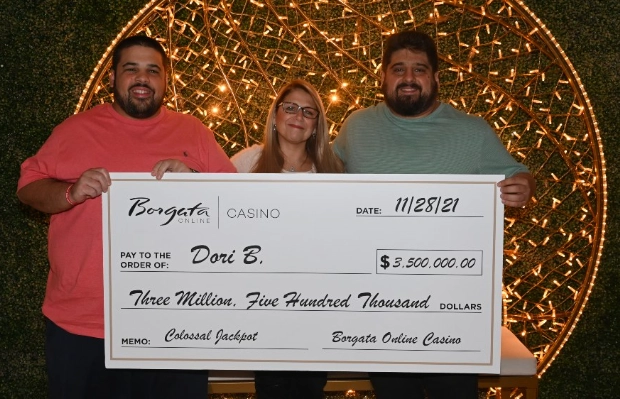
The win came on November 29, 2021, when Dori B. played the jackpot slot and entered a $10 bet! She felt the slot would pay soon, so she acted quickly with a minimal stake and became a millionaire in seconds.
Fact—Understanding House Edge
All casino games have a house edge. The operator always stands the best chance of winning, and the game is purposely designed this way so websites and mobile apps can remain profitable, cover their operational costs, and continue to deliver their services to customers.
However, it’s essential to understand that the house edge is much smaller in some games, and these are the ones you’ll want to focus your efforts on if your primary goal is winning and growing the total balance of your bankroll. If you’re interested in winning and making money, there are some games you’d benefit from avoiding altogether. Let’s give you an idea of how the most popular online casino games fair in terms of overall house edge:
| Games | House Edge |
|---|---|
American Roulette | 5.26% |
Baccarat | 1.01-15.75% |
Blackjack | 0.5% |
Craps | 0-16.67% |
Keno | 20-40% |
Slots | 2-15% |
Video Poker | 0.46% |
Caribbean Stud | 5.22% |
Texas Hold’em | 2.36% |
Sic Bo | 2.78-33.33% |
Table games and slots are the best choices to increase your chances of winning over the house. Table games have a low house edge, which can be further driven downward if you use a basic game strategy like blackjack, poker, roulette, etc.
Myth #3 – Online Casinos are Not Safe
Another major misconception amongst online gamblers is online casinos are unsafe and prone to fraud. You might find some of these sheisty players out there, but these are unregulated online casinos that aren’t held accountable by third parties like eCOGRA. The fact is that any online casino that has a valid license and is overseen by a regulatory body is entirely safe to use. Let’s dispel this myth and introduce you to licensing/regulatory bodies and other advanced security measures!
Fact—Licensing and Regulation
Reputable online casinos are licensed and regulated by authoritative bodies. Certain states have signed online casino gameplay into law in the United States, so you might have a gambling platform regulated by the New Jersey Division of Gaming Enforcement or the Pennsylvania Gaming Control Board. These bodies issue licenses for these online casinos to operate in the state and issue regulatory rules that the platform must abide by and adhere to.
Fact—Advanced Security Measures
Online casinos that are regulated and licensed by legitimate gambling authorities use security protocols like SSL encryption and two-factor authentication to protect player data. An encrypted connection keeps the user’s private data and financial information completely contained on the platform. It’s never in danger of being accessed by anyone outside, and the website or app cannot sell the data to third parties.

Myth #4 – Bonuses and Promotions are Scams
Some people have a stigma about online casinos, believing that the bonuses and promotions are too good to be true. A lot of this stems from not fully understanding the terms and conditions set by the online casino regarding these promotions. It can be especially tempting to believe that online casinos are trying to scam you, but it’s simply not understanding how these deals work, mostly in terms of the rollover requirements.
Fact—Legitimate Bonuses with Terms
Knowing the terms and conditions attached to bonuses is important before attempting to redeem one. For example, let’s take the welcome bonuses that so many online casinos offer. Most of the time, you must make your first deposit with the casino app to qualify for the deposit match. However, you cannot immediately access these funds because there could be playthrough requirements that you must fulfill first.
Fact—How to Identify Genuine Offers
The best way to spot legitimate online casino bonuses or promotions is to use legitimate online casinos. However, there are some excellent tips and tricks for recognizing legitimate bonuses, which can ultimately help you avoid scams. Here are the key factors to consider when you’re seeking legitimate bonuses or promos:
- Check out the Online Casinos Registration: Look at the regulatory bodies that the online casino is affiliated with. These entities ensure fair play, so even if they wanted to, they couldn’t offer fraudulent deals that take advantage of their users.
- Read Customer Reviews: A quick online search of any online casino can tell you if the platform is legit and the bonuses or promos are up and up. However, you must tread carefully with user feedback because anyone can post comments, and they tend to be based on negative experiences. Someone could post about being ripped off, but it was because they didn’t understand the bonus terms and conditions.
- Scrutinize the Terms and Conditions: Look over the terms and conditions of each bonus. It’s typical for these deals to require you to perform specific actions, like depositing up to a certain amount of money in your account and playing through the funds for a certain amount of time before cashing out any of that cash.
- Look at Wagering Requirements: Most online casinos promos come with wagering requirements, so it’s more of a red flag if the promo came without them.
- SSL-Encryption: If the website or mobile app uses a secure, SSL-encrypted connection, it’s likely a legit online casino regulated by a reputable jurisdiction. These signs point to the bonuses they offer being the real deal.
- Secure Payment and Deposit Methods: Online casinos that have secure payment methods like credit cards, e-wallets, prepaid cards, or PayNearMe are usually platforms with a good reputation as they have partnered with legit institutions.
- Look for Legitimate Ownership: If the online casino is affiliated with a big name in the gambling industry, there’s a solid chance that it is offering legit bonuses and promos. The big name didn’t get where it is today by scamming people—it is held to the highest standards in fair play gaming.
Myth #5 – Online Casinos Encourage Problem Gambling
While it’s true that online casinos technically offer a product that could be a huge stumbling block for people with addictive tendencies, it’s the customers’ choice to use or not use the product. These online casinos don’t encourage users to gamble aggressively or play games recklessly. On the contrary, they promote responsible gambling practices by offering deposit limits and resources for dealing with problem gambling, like access to self-exclusion lists and support organizations.
Fact—Responsible Gambling Measures
A few responsible gambling measures in place are deposit limits and banking options that let you access funds in accounts away from your regular bank (e-wallets, prepaid credit cards, etc.). It’s these resources and limits (that the online casinos put into place to keep their members in a pattern of responsible gambling) that make it difficult to argue that they are trying to encourage gambling addictions.
Fact—Support and Resources
All reputable online casinos have resources available for people who have gambling problems or addictions, most notably the self-exclusion list, which allows customers to ban themselves from the online casino for a specified length of time. It’s a voluntary measure—the gambler chooses to add themselves to the list, and they can select the amount of time they want to spend. A major perk of the self-exclusion list is that they are challenging to pull yourself from, so once you’ve added yourself, this decision keeps you accountable for your recovery!
In addition to the self-exclusion list, you can access nationwide resources to help you deal with problem gambling habits or addictions. These include hotlines where you can talk with a professional or a support group and surround yourself with like-minded people with similar goals and struggles. Online casinos will also list state-level resources for dealing with problem gambling.
National Problem Gambling Helpline
- Call: 1-800-GAMBLER
- Text: 800GAM
- Chat: 1800gamblerchat.org
Other Resources
- Gambler Anonymous: Click Here
- GamTalk: Click Here
- Gam-Anon: Click Here
Myth #6 – Online Casinos Are Only for Tech-Savvy Individuals
If you’re not confident using new technology, it’s easy to rule out platforms like online casinos as too challenging to learn about or game to your financial advantage. A simple browse of any reputable, licensed online casino shows this idea is a myth. Modern casino apps are backed by some big names in the gambling industry (BetMGM, Caesars, etc.) and can more than afford to offer products that are appealing to the eye and are highly user-friendly!

Fact—User-Friendly Interfaces
Any good business looking to expand its customer base will make things as easy, enjoyable, and appealing as possible to draw more people in—there’s no need for advanced technical skills to play at online casinos! We’ve tested these online casinos and found it super easy to deposit money into our bankroll, read up on the games, choose what you want to play and collect your winnings.
These casino apps are designed with straightforward navigation, plus quality graphics and audio that make them appealing to the sight.
Fact—Customer Support Assistance
Customer service options are typically available in the footer menu. In particular, the live chat is commonly available at the bottom right-hand corner of the screen. This makes it easy to get assistance when problems occur. Your best bet is to access the site or mobile app’s help center, where you can find additional help options like a toll-free phone number, email address, or generic contact form.
Don’t Fall for the Online Casino Myths
While some illegitimate online casinos are in the market, it doesn’t mean that all operators are no good. There are plenty of regulated casino apps that are well worth your time and attention—you can win real money playing online casino games!
Keep these things in mind about online casinos that are doing their due diligence and working to foster a safe, secure environment for their gamblers:
- Legit casino apps use random number generators to deliver fair games to customers.
- Independent testing agencies hold online casinos accountable for fair play practices and ensure compliance with measures to protect users’ private data.
- Understanding House Edge can help you choose games that give you a greater chance of winning.
- Online casinos use SSL-encrypted connections and two-factor authentication to secure their user’s personal and financial information.
- Know the terms and conditions of the bonuses through and through before you claim them. Be aware of rollover requirements, excluded casino games, or betting limits.
- Casino apps have user-friendly interfaces and excellent customer service, allowing gamblers who are so tech-savvy to thrive!
Check out the other sections of our website for more detailed information and tips on recognizing reputable, legit online casino apps when you come across them!
The Importance of Taking Breaks: Healthy Gambling Habits
Moderation is the key to almost everything in life. Remember that time you ate an entire family-sized bag of Cool Ranch Doritos in one sitting and gave yourself a tummy ache? No? Just us, then? The point is this: it’s fun—until it’s not.
While you may not get a sour stomach from playing too much online poker, the analogy stands; it’s a great way to pass the time and have fun, but you have to check yourself. It’s an escape, a little excitement, and a diversion from everyday life. Want to get away? Open up a casino app and play your go-to game. That could be poker, roulette, or taking a solo spin with the slots—gambling has a ton to offer in terms of excitement, not to mention the chance to win big money.
Like everything fun in life, too much of a good thing can turn bad in a heartbeat, so self-discipline is always important. The line between casual enjoyment and problematic gambling can be thin—almost invisible—and the risks of gambling excessively are very real. From financial losses to emotional stress, the consequences of overindulgence can be a hazard to your health.
That’s why taking regular breaks is so important. Putting a pause on your play means you can keep your gambling activities fun and prevent it from becoming a problem. Healthy gambling habits are the secret to responsible gambling, and we are going to teach you everything you need to know so it stays that way!
Understanding the Psychology of Gambling
Gambling is usually viewed through the lens of entertainment and fun, but just beneath the surface is a complicated and nuanced tangle of psychological factors that drive this behavior. To understand why gambling can be so compelling—and sometimes problematic—we have to understand concepts like “flow,” time perception, and the role that dopamine plays in reinforcing gambling habits. These psychological elements are major factors in why gambling can become so immersive and difficult to control for some players.
The Concept of ‘Flow’ in Gambling
The idea of “flow,” introduced by psychologist Mihaly Csikszentmihalyi, refers to a state of total immersion and focus in an activity. In this state, people lose track of time and are fully absorbed in what they are doing. This concept is usually talked about in the context of creative activities or sports, but it also applies to gambling.
In gambling, flow can happen when players become super engaged with a game, whether it’s poker, roulette, blackjack, or slot machines. The challenge or skill that’s needed to play these games can introduce a flow state, where players are totally engrossed and lose awareness of the time that is passing. This state is highly rewarding and can make it difficult for gamblers to stop, contributing to way longer gambling sessions.

Distorted Time Perception
One of the more interesting aspects of gambling is how it can distort a person’s perception of time. When gamblers enter a flow state, their sense of time becomes skewed. Hours can pass by unnoticed, and the usual markers of time—like hunger or fatigue—disappear into the ether. This distortion happens because the brain’s focus is entirely on gambling, which creates a tunnel vision effect.
Slot machine players, for instance, have described being in a “slot machine zone” where they lose track of time completely. This altered state is not just a casual occurrence but a well-documented phenomenon that underscores the focus and engagement players have with the game. The lights, sounds, and the fast pace of play all contribute to this trance-like state, making it hard for players to pull away.
The Role of Dopamine
Dopamine, the neurotransmitter that is associated with pleasure and reward, plays a big role in gambling behavior, too! When people gamble, their brains release bursts of feel-good dopamine in response to wins, close calls, and even the hope of a potential win. This release generates a feeling of excitement and satisfaction, which reinforces the gambling behavior.
The intermittent nature of rewards in gambling—where wins are always unpredictable—makes this effect even stronger. This unpredictability triggers more dopamine releases compared to predictable rewards, making gambling particularly addictive. Over time, the brain begins to crave the dopamine rush, pushing people to keep gambling despite any negative consequences.
Research has shown that dopamine not only influences the pleasure associated with gambling but also impacts the decision-making processes. Gamblers may become more prone to taking risks and less sensitive to potential losses, driven by the desire to experience the dopamine highs again.
The Risks of Continuous Gambling
When gambling goes from an occasional pastime to a continuous habit, that’s a big red flag to hit the pause button. The dangers aren’t just financial—they wander into mental and physical health issues territory, too. Knowing what these dangers are is a necessity for anyone who engages in gambling, whether it’s a casual or regular thing.
Financial Risks: Chasing Losses and Overspending
One of the most important financial hazards of continuous gambling is the behavior known as “chasing losses.” This happens when a gambler continues to bet, trying to recoup previous losses. The psychological factors that drive this behavior include the following:

- Sunk Cost Fallacy: Gamblers feel compelled to continue gambling because they have already invested significant time and money. They irrationally believe that they have to keep playing to recover their losses.
- Loss Aversion: People tend to experience losses way more intensely than gains, and this emotional response can drive gamblers to keep betting in an attempt to avoid the feeling of losing.
- Gambler’s Fallacy: This is the mistaken belief that past losses increase the chances of future wins. Gamblers might think they are “owed” a win after a series of losses, making them bet more aggressively.
Chasing losses can quickly spiral out of control with severe financial consequences—gamblers resort to using credit cards, taking out loans, or borrowing money so they can keep gambling, resulting in debt accumulation and, worst case scenario, bankruptcy. And because it’s now so easy to gamble online, particularly with cryptocurrencies, it can exacerbate this issue, making it easier to lose track of your spending.
Overspending is another major financial risk associated with continuous gambling. Without strict budgeting and self-control, gamblers can easily spend more than they can afford. All reputable and licensed online gambling sites provide users with responsible gambling tools like deposit limits and self-exclusion features to manage spending, but not all gamblers take advantage of or even use these resources. The temptation of quick wins can turn into reckless spending and big financial losses.
Mental Health Risks: Stress, Anxiety, and Addiction
Gambling without taking breaks can also have serious effects on mental health! The constant pressure to win and the emotional seesaw of highs and lows can result in chronic stress and anxiety. Gamblers can experience heightened levels of anxiety and depression due to financial strain and the social stigma associated with gambling addiction.
Isolation is another danger, as people in the midst of a streak could withdraw from social interactions so they can concentrate on gambling. This can result in loneliness and exacerbate feelings of guilt and shame, making it harder for them to get help. More often than not, the stigma surrounding gambling addiction prevents those struggling from reaching out for support, which causes their mental health issues to get worse.
Other mental health risks include the following:

- Depression: The cycle of losing money and the stress of trying to win it back can lead to serious depression or depressive episodes.
- Obsessive Behavior: Gambling can become an obsession, spiraling into compulsive behaviors that are really difficult to control.
- Suicidal Thoughts: In extreme cases, the mental health impacts of gambling can turn into suicidal ideation and actions.
Recognizing the signs of problem gambling and getting support through therapy, support groups, or helplines is the best way to manage these mental health risks that come from gambling addiction.
Physical Health Risks: Fatigue, Poor Posture, and Neglecting Basic Needs
You thought the dangers were just financial and emotional? You thought wrong, and this was news to us as well! We had no idea that there are actually physical health risks of prolonged gambling—they could become serious and might include the following:

- Fatigue: Long gambling sessions can lead to sleep deprivation and exhaustion, impairing judgment and decision-making.
- Poor Posture: Spending extended periods sitting without proper ergonomic support can cause back pain, neck strain, and other musculoskeletal problems.
- Neglecting Basic Needs: Gamblers might neglect eating, hydrating, and maintaining personal hygiene, leading to more severe health problems like gastrointestinal issues from poor eating habits and dehydration-related complications.
- Weight Gain or Loss: Continuous gambling can disrupt regular eating habits, leading to weight gain or loss.
- Eye Strain: Prolonged screen time, especially in online gambling, can lead to eye strain and vision problems.
- Heart Problems: The stress of gambling can contribute to cardiovascular issues, especially in those with pre-existing conditions.
Knowing what the risks are is important for promoting responsible gambling habits and getting help for those struggling with gambling addiction. Recognizing the financial, mental, and physical health risks associated with continuous gambling can help people make better and more informed choices so their relationship with gambling stays a healthy one!
Benefits of Taking Regular Breaks
One of the best ways to gamble in a healthy manner is to take regular breaks. Why? So you can make better decisions, keep your emotions in check, and take the time to reassess your budget if need be and the time you’ve been at the tables.

Improved Decision-Making and Risk Assessment
Taking regular breaks during gambling sessions helps to clear your mind and reset your focus. Continuous play without breaks results in decision fatigue, where your ability to make sound decisions deteriorates over time. By stepping away periodically, you allow yourself to regain mental clarity, which is crucial for making better gambling decisions and assessing risks more accurately.
Research shows that taking breaks prevents burnout and helps maintain focus, leading to more rational decision-making processes. This is particularly important in gambling, where impulsive decisions result in significant financial losses. By pausing, you give yourself the chance to think more clearly about your next move and avoid rash decisions driven by fatigue or frustration.

Better Emotional Control and Reduced Impulsivity
Gambling can be emotionally taxing due to its ups and downs, which can affect your ability to control impulses. Regular breaks give you the time to step away and better manage these emotions. This is necessary because gambling decisions influenced by strong emotions, like frustration from losses or euphoria from wins, can result in bad outcomes.
By taking a break, you can practice emotional regulation techniques, like deep breathing, meditation, or mindfulness, all of which help to keep your mindset calm and collected. This lessens the likelihood of making impulsive bets that are powered by temporary emotional states. Keeping your emotional cool goes a long way in gambling!

Maintaining Gambling as a Fun Hobby Rather Than a Compulsion
One of the biggest dangers of continuous gambling is that it morphs from being a fun pastime to a compulsive behavior. Regular breaks help to keep your gambling habits in check so that you remain in control. They are an opportunity to think about your motivations for gambling and confirm that it is still a source of enjoyment instead of an escape from problems or a way to chase losses.
When gambling is kept within boundaries through regular breaks, it is likely to stay a fun activity. This balance helps prevent the obsession with gambling, promoting a healthier approach where gambling is just one of many recreational activities in your life.

Opportunity to Reassess Budget and Time Spent
Regular breaks also provide the perfect opportunity to reassess your budget and the time you have spent gambling. Setting a clear budget and adhering to it is a cornerstone of responsible gambling. During breaks, you can review your spending and make sure that you are within your limits, helping to avoid major financial losses.
In addition to budget reassessment, breaks allow you to evaluate the amount of time you dedicate to gambling. This reflection helps you maintain a healthy balance between gambling and other life activities, preventing it from becoming an overwhelming focus. Using tools like deposit limits and self-exclusion programs further supports this process, offering structured ways to manage your gambling habits responsibly!
Strategies for Implementing Breaks
One of the best ways to achieve a balance is by taking regular breaks—this approach not only helps maintain your focus and decision-making abilities but also keeps the gaming within healthy limits. Below are some strategies that will help you successfully integrate breaks into your gambling routine!

Setting Time Limits for Gambling Sessions
Establishing clear time limits is one of the most effective ways to manage your gambling—it means setting a specific duration for your gambling sessions and sticking to it no matter what. Time limits help prevent the detrimental effects of long, uninterrupted gambling sessions, like decision fatigue and increased risk-taking. All online gambling sites and apps have features that allow you to set these limits, guaranteeing that you don’t get carried away and divert from your planned schedule.
Using Alarms or Reminders to Prompt Breaks
To make certain that you take regular breaks, you can set alarms or reminders! By deciding on specific intervals, like every 30 minutes or an hour, and setting an alarm, you design a structured schedule that alerts you when it is time to step away from the game regularly. These breaks clear your mind, allowing you to make smarter decisions and avoid getting caught up in the heat of the moment.

Engaging in Alternative Activities During Breaks
During these breaks, doing things that are completely unrelated to gambling is a good idea. You could go for a walk, hang out with friends, read a book—really anything that occupies your mind and decreases the urge to go right back to gambling. These other activities don’t just give you a mental break; they also contribute to a well-rounded lifestyle.

The ‘20-20-20 Rule’ Adapted for Gambling
The “20-20-20 rule,” which originated with the goal of reducing eye strain from screen time, can be adapted for gambling. Every 20 minutes, take a 20-second break and look at something 20 feet away. This simple act helps decrease mental fatigue and keeps your mind fresh. Implementing this easy little task, in addition to taking regular breaks, will keep you from becoming too engrossed in the game and losing all track of time.

Setting a Schedule for Breaks
Creating a specific schedule for breaks within your gambling sessions is a great tool for discipline. For example, taking a 10-minute break every hour provides a structured way to manage your time. This approach assists in preventing prolonged gambling sessions and allows you to think about your gameplay and make any necessary adjustments.

Avoiding Gambling Triggers
Changing your environment to avoid triggers can also be a solid way to manage your gambling habits. If certain places or routines trigger the urge to gamble, avoiding these can lessen the temptation. This could look like staying away from casinos or online gambling sites—changing your environment helps reduce the risk of falling back into continuous gambling.
Tools and Technologies for Responsible Gambling
Gambling responsibly is a must if you want it to stay a form of entertainment without adverse effects. There are tools and technologies that have been developed to assist people in managing their gambling habits, including comprehensive self-exclusion programs, time tracking and limit-setting features in online casino apps, and mobile apps that are designed specifically for responsible gambling.
Overview of Self-Exclusion Programs
Self-exclusion programs are super important for those who need to take a break from gambling because they are developing or already have gambling problems. These programs allow people to voluntarily ban themselves from taking part in gambling activities for specified periods, ranging from one year to a lifetime. They cover physical casinos, online gambling, and fantasy sports.

National Voluntary Self-Exclusion Program (NVSEP): This program aims to provide a unified system across the U.S., allowing people to exclude themselves from all gambling activities nationwide. This initiative by idPair, Inc., is expected to streamline the self-exclusion process and improve its effectiveness.

Pennsylvania: The Pennsylvania Gaming Control Board offers a self-exclusion program that covers casinos, online gambling, video gaming terminals, and fantasy sports. Individuals can enroll for one year, five years, or a lifetime.

Ohio: Ohio’s exclusion program includes options for one-year, five-year, or lifetime bans and covers casino and racino facilities, as well as sports gaming.

Virginia: The Virginia Lottery provides a Voluntary Exclusion Program that covers casino gaming, sports betting, account-based lottery games, and horse racing. The program offers exclusion periods of two years, five years, or a lifetime.

Washington State: This program allows people to exclude themselves from all house-banked card rooms statewide. NOTE: Tribal casinos are not currently included in this program.

Massachusetts: The Massachusetts Gaming Commission offers a Voluntary Self-Exclusion Program that allows individuals to exclude themselves from all forms of gambling provided by licensed operators in the state. Enrollment is accessible through several means, including in-person, online, or via phone, so that people can easily register.
New Jersey: The New Jersey’s Division of Gaming Enforcement offers a self-exclusion program that includes options for both in-person and online registration, covering all casino gaming and internet gambling activities.
Time Tracking and Limit-Setting Features in Online Casino Apps
Online casinos have integrated useful features to help players manage their gambling activities responsibly. These tools include the following:
- Deposit Limits: Players can set daily, weekly, or monthly deposit limits to control their spending. This helps prevent overspending and ensures that gambling remains within the individual’s budget.
- Reality Checks: These are periodic notifications that remind players of the time they have spent gambling. This feature helps players stay aware of their gambling duration and encourages them to take regular breaks, which is important for keeping focus and preventing fatigue.
- Betting Limits: Self-imposed betting limits let players restrict the amount they can wager in a single session. This feature helps manage spending and decrease the danger of big financial losses.
Mobile Apps Designed to Promote Responsible Gambling
A few mobile apps have been developed to assist people in managing their gambling habits while promoting responsible gambling. These apps have features like self-assessment tools, tracking of gambling activities, and access to valuable support resources.

- Gamban: This app blocks access to gambling websites and apps across all devices, helping users avoid online gambling temptations.
- BetBlocker: Similar to Gamban, BetBlocker restricts access to thousands of gambling sites. It is a valuable tool for those who are looking to limit their exposure to online gambling opportunities.
- GamTalk: This app provides online support groups where individuals can share their experiences and receive encouragement from others facing similar challenges. These communities offer a supportive environment that is vital for those who are struggling with gambling addiction.
- Self-Assessment Tools: Most reputable gambling apps include tools that let users evaluate their gambling behavior so they can identify any potential problems early on. This proactive approach enables them to reach out for help before the issue escalates any further.
Self-exclusion programs, time tracking and limit-setting features in online casino apps, and mobile apps designed for responsible gambling are essential tools in promoting healthy gambling behaviors. These technologies provide the necessary support and structure to help individuals manage their gambling activities, ensuring that gambling remains a fun and controlled part of their lives. By utilizing these tools, gamblers can better protect themselves from the dangers that are associated with excessive gambling.
Creating a Balanced Lifestyle
Maintaining a balanced lifestyle is also important for overall well-being, especially when you are an avid gambler! Balancing your gaming with other interests, social activities, and regular exercise can help keep it as a fun hobby rather than a problematic behavior. Here’s why and how to achieve this balance.

Importance of Maintaining Other Hobbies and Interests
Having hobbies and interests outside of gambling is very important for a few reasons—they provide mental and emotional benefits that contribute to a healthier lifestyle. Hobbies can reduce stress, improve creativity, and boost happiness. They provide a sense of accomplishment and can improve your self-esteem, which can be hard to come by if you are spending too much time gambling.
Hobbies also give you a much-needed break from the pressures of daily responsibilities. When you immerse yourself in an enjoyable activity, your brain gets a chance to rest and recharge, leading to fresh ideas and perspectives. It’s said that artistic hobbies like painting or playing a musical instrument can improve brain function and even prevent cognitive decline later in life!
And let’s not forget about the social connections you can make when you join a club or a group that’s related to your interests—it opens doors to new friendships and social networks, which are what life is all about!

Balancing Gambling with Social Activities and Relationships
Balancing your gambling with social activities and sustaining healthy relationships is a big part of making sure that gambling does not become an isolating or dominant part of your life. Taking part in social things helps build strong relationships, provide emotional support, and decrease feelings of loneliness, which can sometimes lead to excessive gambling.
Incorporating social activities into your routine can be as simple as scheduling regular meet-ups with friends and family, taking part in group sports, or joining clubs that match your interests. These activities not only keep you engaged with others but also help you build a community and support network.
Encouraging and supporting each other’s hobbies within a relationship is also beneficial, creating a sense of validation and appreciation, and strengthening the connection between partners. When partners show real interest in each other’s hobbies, it builds shared respect and understanding, which is a necessity for a healthy and happy relationship.

Regular Exercise and Its Impact on Reducing Gambling Urges
Regular exercise is another solid strategy for bolstering a balanced lifestyle and lessening the itch to gamble. Physical activity has a ton of benefits, including stress reduction, mood improvement, and overall better mental health. Exercise releases endorphins (those natural mood lifters), and can help curb the emotional swings that can sometimes be associated with gambling.
Incorporating regular physical activity into your routine doesn’t have to look like hitting the gym every single day! Simple things like walking, jogging, cycling, or yoga can be really helpful. These exercises not only improve physical health but also give you more mental clarity and decrease anxiety, which makes it easier to keep a lid on any gambling urges.
Additionally, participating in group sports or exercise classes can combine the benefits of physical activity with social interaction, further enhancing your overall well-being. This dual benefit helps make sure that gambling remains a balanced part of your life, not an overwhelming focal point.
Recognizing Warning Signs
Self-awareness is your best friend when it comes to acknowledging that your gambling habits are becoming problematic. It’s also important for staying in control and for realizing when it’s time to get help. This means noticing when you aren’t taking your gambling breaks seriously, spotting the red flags for possible gambling problems, and knowing when and how to get professional help.

Signs That Breaks Are Not Being Taken Seriously
One of the first indicators that gambling breaks are not being taken seriously is the inability to adhere to self-imposed limits. If a person sets specific time or spending limits but consistently exceeds them, it is a clear sign that breaks are not being respected. This usually manifests as prolonged gambling sessions and the rationalization of continued play despite the intent to stop.
Another sign is neglecting other responsibilities and interests. When gambling starts to encroach on time meant for work, family, or other hobbies, it suggests that breaks and boundaries are not being maintained. Additionally, emotional responses like irritability or restlessness when unable to gamble demonstrate a dependency that undermines the effectiveness of taking breaks.

Additional Red Flags for Potential Gambling Problems
- Increased Tolerance: Needing to gamble with increasing amounts of money to achieve the same thrill can indicate developing tolerance, which is a common sign of addiction.
- Withdrawal Symptoms: Feeling restless, irritable, or anxious when attempting to cut back on gambling is a clear indication of dependency.
- Preoccupation with Gambling: Constantly planning or thinking about gambling, even when engaged in other activities, is a big red flag.
- Gambling to Escape: Using gambling as a way to escape from problems or relieve feelings of helplessness, guilt, anxiety, or depression is an unhealthy coping mechanism.
- Financial Recklessness: Spending money intended for essential expenses like rent or bills on gambling, or asking others to help bail you out of financial trouble, indicates severe financial problems related to gambling.
- Risking Important Relationships: Neglecting family and friends or experiencing strained relationships due to gambling habits is a pretty telling indicator of a problem.
When and How to Seek Professional Help
Think you might need help? Recognizing when to get it is half the battle when it pertains to addressing gambling addiction. Look below for guidance and resources:

- Acknowledging the Problem: The first step towards recovery is recognizing and admitting that there is a problem. This means listening to concerns expressed by friends, family, or colleagues.
- Seeking Counseling or Therapy: Professional counseling can provide the support needed to overcome gambling addiction. Cognitive-behavioral therapy (CBT) is particularly effective in helping individuals understand the triggers of their gambling behavior and develop healthier coping mechanisms.
- Joining Support Groups: Organizations like Gamblers Anonymous offer support through peer-led meetings where people who are struggling with addiction can talk about their experiences and get encouragement from others who are going through the same thing. These groups provide a sense of community and accountability that can be very beneficial during recovery.
- Using Self-Exclusion Programs: Use self-exclusion programs that allow you to ban yourself from gambling establishments and online platforms. This is a practical step to limit access and take away the temptation to gamble.

Organizations and Resources
- Gamblers Anonymous: A 12-step fellowship of men and women who share their experience, strength, and hope to solve their common problem and help others do the same.
- National Council on Problem Gambling (NCPG): Provides help for problem gamblers and their families through programs such as a 24-hour confidential helpline, prevention, education, treatment referral, and public awareness.
- GamCare: Offers info, advice, support, and free counseling for the prevention and treatment of problem gambling.
- Gambling Therapy: Provides online support for those affected by gambling problems. Services include online groups and forums, a helpline, and a comprehensive database of resources.
- BeGambleAware: Provides info to help people make smart decisions about their gambling. It also offers a helpline and live chat services.
- SAMHSA’s National Helpline: A confidential, free, 24-hour-a-day, 365-day-a-year information service in English and Spanish for individuals and family members facing mental and/or substance use disorders. Phone: 1-800-662-HELP (4357)
Addressing gambling problems early can prevent more complications and promote a healthier, more balanced lifestyle. If you or someone you know is struggling with gambling addiction, reaching out for help is a good first step towards recovery.
Conclusion: Pump the Brakes When Betting
Having a balanced lifestyle is the secret to enjoying gambling without it becoming a problem. A little self-awareness about the warning signs goes a long way in combating problem gambling, but when you take regular breaks, you can make sure that what happens in the casino stays in the casino app and doesn’t negatively affect your real life!
Adopting healthier gambling habits can make a really big difference! When you set clear limits, take regular breaks (and take those breaks seriously), and do things that don’t involve a casino or a casino app can keep gambling fun and under control. By balancing your gambling with other interests, social gatherings, and regular exercise, it won’t get in the way of your life.
It’s important to regularly check in on your gambling habits to keep them in a healthy range, so think about putting the following into practice:

- Self-Assessment: Think about your gambling habits and spot any possible issues. Are you taking regular breaks, sticking to your budget, and balancing gambling with other parts of your life?
- Get Help if Needed: If you do notice signs of a problem like financial difficulties, neglecting responsibilities, or hiding your gambling, consider reaching out for professional help. Groups like Gamblers Anonymous and the National Council on Problem Gambling offer support and guidance.
- Make Positive Changes: Commit to making positive changes in how you gamble. Set clear limits, take regular breaks, and try out different things so you can have a balanced routine and life.
By taking these steps, you can keep gambling as it should be—a fun and controlled part of your life. It should add to your life, not take away from it!