
2025 RBC Canadian Open Picks & Predictions: Who Will Triumph at TPC Toronto?
The RBC Canadian Open is one of the oldest and most respected stops on the PGA Tour, and in 2025? It’s a brand new chapter. For the first time, the tournament will be taking place at the TPC Toronto at Osprey Valley’s North Course, so it’ll be a new test for the heavy-hitter contenders. This year’s edition runs from June 5–8, and it features big names like Rory McIlroy, Scottie Scheffler, Robert MacIntyre, and a built-for-competition Canadian group, all of whom want to walk away with the title.
There are PGA Tour points, hometown pride, and a lot of betting opportunities on the line, so it’s not an average stop on the golf tourney calendar! We are gonna unpack the field, the new venue’s green, top picks, value plays, and a few prop bets that look interesting to us!
Final Field Highlights
Who’s teeing off? This year’s player list has a great mix of past champions, up-and-coming stars, and some homegrown talent.
- Rory McIlroy: Already a two-time winner of this event (2019, 2022), McIlroy is back with a chance to make history. His ability to adapt to new courses gives him a real advantage at TPC Toronto.
- Robert MacIntyre: The 2024 champion is back and wants a repeat win. He hasn’t had the same consistency this season as last, but he does know how to finish off the big events.
- Scottie Scheffler: He’s the current world No. 1 and the betting favorite. He’s finished inside the top 10 in eight straight starts and shows up strong every week.
- Nick Taylor: Won the tournament in 2023 and is one of Canada’s most popular players. The crowd will be behind him, so Taylor could put himself in the running again, no problem.
- Corey Conners: Canada’s top-ranked player and one of the most reliable ball strikers on tour. He’s really well-suited for a course that calls for accuracy.
Other notable players in the field include Ludvig Åberg, Sungjae Im, Tom Kim, Shane Lowry, Tommy Fleetwood, and a total of 21 Canadian players, which is the most ever in a Canadian Open field!
Course Overview: TPC Toronto at Osprey Valley (North Course)
TPC Toronto will make its debut as the host, and the North Course is expected to offer a different kind of test than the past courses.
- Par: 70
- Yardage: 6,966 yards
The North Course doesn’t overpower players with length, but it does reward strategic golf. Greens are firm and fast, and players will have to manage their positioning and strokes carefully. The layout places a premium on ball striking, wedge control, and putting touch. It has tree-lined fairways and challenging green complexes, and the players who can think their way around the course are the ones who are most likely to be in contention.
Projected Winner
Who’s the projected winner? No surprise here.
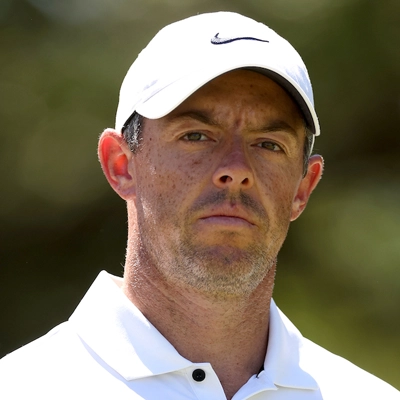
Rory McIlroy
McIlroy has always played really well in Canada, and he’s arriving at TPC Toronto in great shape. His driver gives him a huge edge on wider fairways, and he’s one of the best in the field at capitalizing on scoring chances. His track record on courses he hasn’t seen before is also a plus, and he adapts quickly and usually meets the moment.
After finishing in the top five in three of his last four starts, Rory looks ready to make a serious run. His ability to stay aggressive without taking any unnecessary risks works well with this course layout. Add in the fact that Canadian fans love him, and you’ve got a strong case for another McIlroy win.
Best Bets
Now for the best bets! The three below have the most value. They’re based on the duffers’ recent form, course fit, and are courtesy of DraftKings.
- Rory McIlroy to Win (+450) | McIlroy has the form, experience, and game to win at a course like this. His past wins in Canada, combined with his current play, make this a really strong play even at shorter odds.
- Ludvig Åberg Top 10 Finish (+150) | Åberg has posted three top-10 finishes in his last six starts and has shown the kind of control that plays well on a course like TPC Toronto. He’s calm under pressure and doesn’t give any shots away.
- Nick Taylor Top 10 Finish (+360) | This is a big number for someone who’s won here before and will have the full support of the fans in the crowd. He’s not always consistent, but on familiar ground, Taylor is a nightmare for other golfers.
Best Prop Bets
If you want to bet on something other than the outright winners, the props below give you some more fun ways to stay involved during the tourney!
- Top Canadian Finisher – Corey Conners | Conners is ranked higher than any of the other Canadian entrants and has been solid during the season. His ball-striking fits this course better than most, and he’ll have no trouble handling the local expectations.
- First Round Leader – Ludvig Åberg or Tom Kim | Both golfers have made a habit of low rounds early in tournaments. If you’re looking to take a flier on a strong start, these two are among the most likely to set the pace on Thursday morning.
- Winning Margin – 1 to 2 strokes | The Canadian Open usually stays close, and with this year’s field full of talent, it’s pretty unlikely that we’ll see a blowout. A close finish is a smart play at plus odds.
How to Watch
The RBC Canadian Open will be broadcast in multiple countries, and here’s where you can watch all of the action!
- United States: Coverage all four days on Golf Channel, with weekend rounds also airing on CBS.
- Canada: TSN and CTV will carry full coverage, including featured group streams.
- United Kingdom: Sky Sports Golf will handle the full event broadcast for UK viewers.
Betting Odds Snapshot
| Player | Odds to Win |
|---|---|
Ludvig Aberg | +1400 |
Rory McIlroy | +450 |
Robert MacIntyre | +2800 |
Nick Taylor | +4500 |
Corey Conners | +200 |
Note: Be sure to keep checking the latest odds as they can change.
RBC Canadian Open 2025: Final Picks & Best Value
This year’s Canadian Open has a strong field and a course that will put extra pressure on approach play and touch around the greens. There are generous fairways and fast, undulating greens, so the players who are able to control their irons and not make mistakes around the putting surfaces should be near the top of the board by Sunday!
Our Final Picks
Here’s where the betting value sits:
- Outright Pick: Rory McIlroy: Proven past success in Canada, great recent form.
- Top 5 Bet: Scottie Scheffler: Super-consistent and is always in contention.
- Top 10 Bet: Ludvig Åberg: Versatile, disciplined, and in great form.
- Top 10 Bet: Nick Taylor: Can ride home-course support right into contention.
- Best Prop: Corey Conners as Top Canadian: Strong track record and all-around game.
- Longshot – Tom Kim: Has the ability to string together birdies and could surprise the field.
We feel good about where the value sits heading into this year’s Canadian Open. McIlroy’s track record in Canada and recent form make him a solid outright target, and Scheffler’s consistency speaks for itself. Conners fits this course well, and Nick Taylor brings real potential as a top-10 play with the crowd cheering him on.
Keep an eye on line movement throughout the week, as odds can shift once early rounds get going. If you’re betting, don’t just grab the first number you see. Shop across the most reputable online sportsbooks, check live updates, and be flexible!
This year’s event has the pieces to deliver a close finish and some really great betting spots. We can’t wait to see who steps up on the new turf at TPC Toronto!
Mets vs. Dodgers Betting Preview & Prediction – June 3, 2025
LA gets to witness a heavyweight National League matchup as the Mets go west to face the Dodgers at Dodger Stadium. The two clubs met a few weeks back, and New York grabbed two of three games in Queens. Now it’s L.A.’s turn to try and get some wins at home, and this time? Clayton Kershaw is back on the hill for his season debut.
There are playoff implications on the line and plenty of star power on both teams, so this one could turn on late-inning execution, bullpen matchups, or a big swing from any of the elite bats that are in the lineup.
Game Details
- Matchup: New York Mets vs. Los Angeles Dodgers
- Date & Time: Tuesday, June 3, at 10:10 pm ET
- Location: Dodger Stadium, Los Angeles, CA
- Broadcast: TBS
- Weather Forecast: Clear skies, 66°F, light breeze
Probable Pitchers
Who’s throwing? Unless something changes, these two:
Tylor Megill (NYM) – 4–4, 3.52 ERA
Megill’s been holding his own in a patched-together Mets rotation. His previous two outings included six shutout innings in Arizona and seven strikeouts in a win over the Dodgers on May 24. His fastball command has gotten better, and he’s kept the ball in the park; he only allowed one homer in his last four starts.
Clayton Kershaw (LAD) – 0–0, 4.91 ERA
Kershaw makes his first home start of 2025 after returning from an injury. He went 3.2 innings against the Rockies last week, giving up two earned runs. He’s likely on a pitch count again, which could mean that the Dodgers’ bullpen gets tested in the early innings.
Team Overviews
Below is how both clubs have been trending up until this game:

New York Mets (37-22)
The Mets are coming off a strong run, right off a series win in Arizona, and with a 7–3 record in their last 10 games. Even without Montas and Manaea, the rotation has posted the second-lowest ERA in baseball (2.91). Lindor, Alonso, and Soto have been good at the plate, and the bullpen’s held firm in late innings.
Los Angeles Dodgers (36-23)
The Dodgers are back at home after a 3–3 road trip that saw a series loss in New York. They’re 21–9 at Dodger Stadium this year and have been really hard to beat when Ohtani or Freeman are producing. But the pitching staff has been stretched really thin, and Kershaw’s return could be a relief.
Head-to-Head Matchup
What happened the last time these two met? The Mets took two of three from the Dodgers from May 23–25 at Citi Field. New York’s starters kept L.A.’s lineup contained, and Pete Alonso homered twice in the series. Ohtani went hitless in two of those games, and the Dodgers’ bullpen was charged with losses in both defeats.
Betting Odds & Lines
Betting on this one? Here are the latest odds and lines via Caesars Sportsbook:
| Team | Run Line | Moneyline | Total Runs |
|---|---|---|---|
Mets | +1.5 (-146) | +132 | Over 9 (-110) |
Dodgers | -1.5 (+122) | -160 | Under 9 (-110) |
- Moneyline: Dodgers -160 | Mets +132
- Run Line: Dodgers -1.5 (+122) | Mets +1.5 (-146)
- Over/Under: 9 runs (Over -110 | Under -110)
Betting Trends
- Mets: 7–7 as underdogs this year, 9–4 in their last 13 overall
- Dodgers: 30–18 as favorites, 6–4 in their last 10 at home
- Head-to-head: The Mets have won 3 of their last 4 meetings with the Dodgers
Players to Watch
Who’ll make the biggest impact in this matchup? Here are the players we’re watching!
Mets
- Francisco Lindor: 13 HRs, .282 AVG, 34 RBIs
- Pete Alonso: .288 AVG, 12 HRs, 46 RBIs
Dodgers
- Shohei Ohtani: 22 HRs, .293 AVG, 37 RBIs
- Freddie Freeman: .365 AVG, .624 SLG
Best Bets
And here are the three best value plays we are backing during the game:
- Mets +1.5 Run Line (-146): Megill’s been reliable, and the Mets already handled this matchup before. Getting a run and a half feels pretty safe with their current form factored in.
- Under 9 Total Runs (-110): Megill is on the mound, and Kershaw is unlikely to pitch past the fifth, so both teams might have to rely on their pens to keep the game close.
- Francisco Lindor to Hit a Home Run (+450): He went deep last time the teams played and has been squaring up against southpaws when he’s at the plate.
Closing Pitch: Who Has the Edge Tonight?
The Mets are playing better and have already beaten the Dodgers this season. Megill’s been super dependable.
If Kershaw has a hard time or exits early, the Dodgers don’t have enough behind him, so New York is looking like the stronger side right now.
Final Score Prediction: Mets 4, Dodgers 3
Please make sure to always bet responsibly. If you’re looking for a trusted sportsbook to place your wagers check out our list of recommended sports betting apps for competitive odds and bonuses.
Cleveland Guardians vs. New York Yankees Prediction (June 3, 2025)
The Yankees open a three-game set at home against the Guardians in what could turn into an early postseason litmus test for both clubs. New York has been on fire when they’re at home in the Bronx, which is where they’ve built one of the best home records in baseball.
And Cleveland is holding its own in a competitive AL Central, and they’re coming hoping to shake off some uneven outings and get back on track with a win. Between Rodón’s recent stretch and the production New York’s getting from the middle of the order? This game has a lot to work with on the board!
Keep scrolling for everything you need to know about the Guardians vs the Yanks!
Game Details
- Matchup: Cleveland Guardians vs. New York Yankees
- Date & Time: Tuesday, June 3, at 7:05 pm ET
- Venue: Yankee Stadium, Bronx, NY
- Broadcast: TBS
- Weather: Clear skies, 74°F at first pitch
Starting Pitchers
The Guardians and Yankees are both in the playoff picture, so Game 1 of the series should be a good one. Let’s take a look at the starting pitchers and what they’re dealing!
Carlos Rodón (NYY)
- Record: 7-3
- ERA: 2.60
- WHIP: 0.94
- Strikeouts: 90 in 72.2 IP
Rodón’s arm is one of the best, and he’s gone 3-0 with a 0.50 ERA over his last three starts, overpowering hitters and working ahead in counts. The southpaw’s fastball-slider combo has been hard to hit.
Tanner Bibee (CLE)
- Record: 4-5
- ERA: 3.86
- WHIP: 1.27
- Strikeouts: 50 in 63.0 IP
Bibee had a great effort against the Yankees back in April; he went six innings and gave up only one run. But his recent outings have been a mixed bag, and he’ll need to be on from the first pitch to keep the Yankees’ lineup contained.
Key Players to Watch
Here is who we’ll be watching during the game:
Yankees
- Aaron Judge: .391 AVG, 21 HR, 50 RBI
- Paul Goldschmidt: .333 AVG, 6 HR, 28 RBI
Guardians
- José Ramírez: .327 AVG, 11 HR, 29 RBI
- Carlos Santana: .262, 7 HR, 29 RBI
Team Stats Comparison
Next up? Looking at both teams’ stats side by side!
| Category | Yankees | Guardians |
|---|---|---|
Record | 36-22 | 32-26 |
Home/Away Record | 18-9 (Home) | 15-15 (Away) |
Batting Average | .259 | .234 |
Runs Scored | 319 | 235 |
Home Runs | 95 | 61 |
Team ERA | 3.60 | 4.06 |
WHIP | 1.19 | 1.39 |
Betting Odds & Trends
According to DraftKings Sportsbook, here’s where the betting odds and trends sit:
| Team | Run Line | Moneyline | Total Runs |
|---|---|---|---|
Guardians | +1.5 (-142) | +150 | Over 8 (-115) |
Yankees | -1.5 (+120) | -180 | Under 8 (-105) |
Trends
- Yankees are 20-12 in night games
- Guardians are 17-15 in night games
- The Yankees have won 66% of games as moneyline favorites this season
Best Bets
Your best bets? There are three that we think look pretty good!
- Yankees Moneyline (-150): When you pair Rodón’s current run with the Yankees’ home performance, it gives New York the upper hand. If the bullpen holds? They’re in a good spot to take Game 1.
- Under 8.5 Total Runs: Rodón’s been stingy, and Bibee has shown he can navigate this lineup if he’s locating early. With cooler weather expected, the under feels like a smart play.
- Aaron Judge to Hit a Home Run (+250): Judge is clocking the ball well, has crushed righties at home, and this is the kind of game where he’s known to bring his A game. At this price, there’s good value in backing him to go yard.
Final Thoughts & Game Prediction
Rodón has allowed only one run across his last three starts and keeps pounding the zone, and hitters never know what he’s gonna throw. The Yankees have scored five or more in four of their last five home games, with Judge driving the offense. Bibee held them to two runs back in April, but if he falls behind in counts? New York’s lineup can take advantage of that.
If Rodón stays in command and the Yankees keep turning base runners into runs, they should be in front by the fifth inning.
Final Score Prediction: Yankees 4, Guardians 2
This one will be a close game during the first five innings. But with Rodón on the mound and Judge on the the offense? The Yanks are in a better position to pull ahead in the second half and get this win.
Note: All stats and odds are current as of publication, but you should always verify the latest lines before you place your bets!
Dealer Tells in Live Blackjack – Real or Fantasy?
Have you ever witnessed a blackjack player who is straight-up staring at the dealer? Either they are crushing on them or, more likely, they are trying to “read” their every move. The idea of spotting a tell in blackjack, aka a subtle sign that leaks the dealer’s hole card, is as attractive as it is controversial. Who wouldn’t love the notion of having a secret advantage?
If you can interpret the dealer’s body language or card-handling, maybe you can predict if the dealer is about to bust or has blackjack. And this very topic causes debates in casinos and online forums.
If you aren’t familiar with what dealer tells are, don’t worry–we’ll explain. What they supposedly are, why our brains are primed to believe in them, how live table play compares to online streams, and what the poker pros think. We’ll get into psychological research, expert opinions, and real-life examples, too! You’ll also get some practical advice on what matters at the blackjack table, and if a dealer’s tell belongs on this list.
What Are ‘Dealer Tells’ in Blackjack?
In poker, a “tell” is any unconscious cue– it could be a twitch, a glance, or a change in a person’s demeanor that hints at a player’s hand strength. The concept comes from poker, where players watch opponents intently for subtle body language. In blackjack, some players try to apply the same idea to the dealer. A dealer tell is the idea that the dealer might give off involuntary signals about the value of their hidden card. Players might watch how the dealer handles cards, their facial expression, or how long they pause when checking for blackjack.
Some common examples people look for include a dealer momentarily hesitating over the hole card (a “peek hesitation”), placing cards at a different angle, or the tone of the dealer’s voice. The thought is that these minute details could reveal whether the dealer has a strong hand or not.
However, it’s important to note that blackjack gameplay is fundamentally different from poker: the dealer is not playing against the player, but against fixed rules. They only peek at the hole card to check for blackjack (if the rules allow it), and there’s no real decision-making or “strength” in their hand as there is in poker.

Where the Term Comes From
The type of game also matters. In a physical casino, you have the best view of the dealer: you can watch their entire body language, hear their voice, and see exactly how they shuffle and cut the cards. In principle, this gives you more cues to observe. Dealers are trained professionals who shuffle and deal with consistent motions, and casinos train them not to give away any information through their actions.
In an online live dealer game (a real dealer streamed via video), you only see the dealer through a camera at one or two angles, and a lower resolution. Body language cues are way harder to detect on screen, and the dealer’s face and hands might not be in full view. Still, even online, some players claim that they notice subtle patterns.

What Blackjack Tells Can Look Like
A “dealer tell” in blackjack refers to any involuntary habit or gesture by the dealer that players think might indicate the dealer’s hidden card. But because the dealer’s role is largely mechanical and supervised, any signals are usually coincidental or imagined. We’ll explore why we’re inclined to see patterns where none may exist – and what experts have to say about all this.
The Psychology of Tells: Why Players Want to Believe
Why do we even look for tells? Human brains are excellent pattern-seekers–sometimes too excellent. Psychologists call this tendency apophenia: seeing patterns or connections in random data. In gambling, where outcomes are governed by chance, our minds still crave a bit of order and meaning. We hate randomness and want to feel in control of the outcome. This can lead to the illusion of control: the misplaced belief that we can influence purely random events.

The Illusion of Control in a House Game
In blackjack, this manifests as a hope that maybe something we do (or notice) could swing the odds. Spotting a dealer’s twitch as a cue gives an immediate feeling of empowerment, even if it’s just a coincidence. It’s also comforting to imagine that the dealer’s human side is leaking hints. But the reality is, the dealer’s cards are random, and only mathematical strategy (not body language) truly affects the odds.

Survivorship Bias
Cognitive biases reinforce belief in tells. For example, survivorship bias kicks in: people tend to remember the few times a “tell” seemed to work and forget the many times it didn’t. If you hear a story that “I folded because the dealer looked nervous – he had a 20!”, you’ll remember that success story. You’ll never hear about the dozens of times a dealer looked nervous and had a low card or a bad hand. Survivorship bias leads us to believe there’s a “magic” pattern or secret, even though it was just random chance that once aligned with our actions.
All these psychological factors, such as pattern recognition, the illusion of control, and survivorship bias, make the dealer tell a really popular myth. We want them to be real because it feels better than accepting the house has the edge, no matter what. But as we’ll see, experts and science suggest that tells are mostly figments of our overactive imaginations.
Live Casino vs. Online Live Dealer Tells
In an in-person casino, you can scrutinize a dealer up close: their hand movements, facial expressions, even subtle cues like how they hold their breath. In theory, this helps you pick up on micro-tells. The advantage is the full sensory input – you hear every sound, see every movement.
However, in practice, there are big drawbacks. Casinos train dealers to use very uniform dealing motions and to be neutral in expression. Many dealers are essentially robots with dealer training; they aim to shuffle, cut, and deal cards in exactly the same way every time. Experienced dealers know how players watch for cues, so they actively avoid fidgeting or showing emotion. In other words, they’re taught not to give away any clues.

The Case Against
Another in-person issue is risk: if you stare at or interact with the dealer too much, it might draw unwanted attention. Dealers sometimes resent being watched or tipped just to try and get an edge. In the forum of professional players, it’s said that if a dealer becomes annoyed with you – say you tip in a way to get them involved – they might actually make mistakes, but they could also start shorting you on payouts. So, reading a live dealer is not only hard but also can backfire if done overtly.

Online Live Dealer Blackjack
Online live dealer blackjack has grown in popularity, especially where in-person casinos are scarce. In these games, a real dealer handles cards that are live-streamed from a studio. The pros are convenience and a selection of games.
But how about tells? The cons are significant: you usually get only a couple of fixed camera angles, often not giving a great view of the dealer. The video quality or frame rate may not capture micro-expressions or slight differences in handling cards. The dealer often deals with a shoe and inserts cards into a peeking device or plays in a manner that’s easy to watch, but players typically only see her hands and the table, not a panoramic view. Also, the interface overlays often hide parts of the layout. Even though some players insist they can “sense” patterns online, any alleged tell is far harder to verify.
An online stream also has a different psychological vibe. There’s a human on the other side, but they feel more anonymous. For example, one dealer noted in a podcast that while players sometimes shout conspiracy theories into chat (“the dealer hates me, I can feel it!”), it’s hard for even them to “read” a player through a webcam. In short, online dealers are still human and could theoretically slip up, but the digital format mostly removes the subtle in-person cues.
In both settings, it’s important to remember that trained professionals in live casinos, or dealers being watched on camera, are not going to telegraph their hole cards freely. They want to deal a fair game without creating suspicion. The few players who do claim to notice online “tells” are extremely rare exceptions or misunderstand normal dealer actions.
Common Alleged Dealer Tells (And Why They Might Not Matter)
A lot of blackjack fans have a whole entire checklist of “tells” to watch out for. The following are some of the most commonly alleged clues–and why you should always take them with a grain of salt!
👀 Peek Hesitation
When the dealer checks for blackjack (peeks at the hole card) or double-checks a card, players sometimes look for a pause or hesitation. The myth is that if the dealer lingers, maybe they see an Ace or 10-value card underneath, and if they flip quickly, maybe it’s a low card. In reality, modern casinos have a peeking device with a mirror or sensor. The dealer slips the card into the peeker and often hears a simple beep if there’s blackjack – no guesswork involved.
The device only shows a tiny bit of information and is designed so that players can’t actually see the card. As one well-known blackjack source bluntly put it, the peek device “gives the poor dealer nothing but ‘tells’ that exist solely in the mind of the desperate player’s imagination.” Any slight delay or double-look is usually just a habit or the dealer being careful, not a coded message. Don’t count on it.
🃏 Card Placement
Some players watch how the dealer places cards on the table. For example, a player might think, “If she slides the card more forcefully or flips it at a certain angle, maybe that means something about her hand.” Or they might note that the first card goes behind the bet and the second in front, and imagine that switch-up means a strong hole card. The truth is, most casinos dictate exact procedures for how cards are dealt and placed – it should be automatic.
If a dealer ever deviates, it’s almost certainly random or an accident, not a secret code. Dealers are trained to deal cards uniformly (e.g., always pitch the first card behind the marker, the second card at the front) to avoid confusion. In short, the orientation or placement of dealt cards doesn’t carry meaningful signals; it’s just part of the routine.
😐 Facial Expressions and Demeano
A slight smile, a furrowed brow, or a nod might catch a player’s eye. The myth is that a dealer’s face will tell a story – maybe a guilty-looking smile means the dealer just saw a win for you. In practice, dealers know players are watching, so they maintain a neutral, friendly face. Casinos emphasize professionalism: dealers often undergo training in consistency and “poker face” dealing. Many expert players note that veteran dealers will give nothing away – a good dealer’s expression is purposely bland.
New or inexperienced dealers might slip occasionally (yawning, laughing, or grimacing at a result), but even those are not reliable signals of the hole card. They’re just human reactions to fatigue or surprise. In short, facial cues are extremely unreliable, and any pattern you think you see is likely just a coincidence or your mind filling in gaps.
⏲ Pace of Play
Some gamblers watch how quickly a dealer deals cards or calls hits, thinking a fast pace means something (e.g., “she’s rushing because she wants the hand over”) or a slow pace means hesitation. The reality is subtler. Different dealers have different natural rhythms. A slower deal might mean the dealer is momentarily distracted or double-checking a rule, not that the hand is a certain value. A quick deal could simply mean the dealer is experienced and efficient.
Importantly, dealers often alter speed based on the table’s mood, like speeding up on low bets, slowing down on large bets to give players time. Casino policies sometimes require a steady rhythm. In sum, the speed at which a hand is dealt or played is influenced by many factors and gives no reliable information about the cards.
Each of these supposed tells can feel convincing in the moment, but they all fall prey to the same problem: they lack consistency and basis in how cards are actually dealt. As Blackjack expert Mason Malmuth cautioned, techniques like these sound powerful, but “it is quite easy to see tells because you want to rather than because they are there”.
In other words, we have a tendency to believe a random twitch or gesture is meaningful simply because it happened at the right time. Don’t fool yourself – these “tells” are often more fantasy than fact.
What the Experts Say
Professional blackjack players and dealers generally agree: dealer tells are not a reliable way to beat the game. Most authoritative sources warn that you can’t bank on them. For example, one comprehensive Blackjack guide explicitly states that “dealer tells are unreliable and should not be the primary basis for your decisions.” In other words, if you plan your whole strategy around reading subtle cues, you’re making a big mistake.

What the Pro Players Think
Experienced players often emphasize math over mystery. One educational blackjack strategy manual (from Creighton University) puts it plainly: players should focus on “mastering basic strategy and card counting over attempting to decipher subtle dealer behaviors.”
In that write-up, the authors acknowledge that it’s possible to glean tiny bits of information by watching a dealer, but they underline that such tells are “subtle and inconsistent.” They say using tells might give you only a minor edge at best, and even then, it’s very situational.
Legendary card-counting author Arnold Snyder, who edited Blackjack Forum, once published an article on the myths of tell-play. He quoted Steve Forte (author of Read the Dealer), who actually dismantled many common myths about telling. Forte believed that with the right training, one could create or spot dealer tells, but even he stressed that this requires treating it like a science, not magic.
Most modern authorities, however, don’t share Forte’s optimism. They point out that casino dealers rarely have control over the card values and are generally not trying to communicate with players.

What Dealers Think
Even casino dealers themselves scoff at player theories. On a well-known Blackjack forum, a former dealer commented (anonymously), “Casino managers are not fools…they are not going to let [dealers] somehow telegraph [the hole card] information to observant players.” He added that the peek device only shows minimal info and any “tells” a player imagines exist solely in the mind of the desperate player.” Even if a player thinks that they are seeing something? It’s usually just wishful thinking.
That said, a few veteran advantage players admit that under very special conditions, you might pick up something. Mason Malmuth described how, if you somehow get a dealer “rooting for you” (for instance, by tipping and chatting them up), the dealer might unconsciously give little cues after checking their card. “The dealer may ‘tell’ you if it is correct to hit or stand,” he wrote, based on their mannerisms after peeking.
For example, a friendly dealer who likes you and sees you have a losing hand might lean closer and suggest hitting, whereas if she sees a likely bust, she might lean away, as if saying “no more cards.” This kind of a tell would come from a human connection, not from anything inherent in the cards themselves.
But even Malmuth quickly warns that these situations are exceptions and hard to exploit. Such a strategy requires finding the right dealer and scenario, and even then, it’s unreliable. “They are not easy to master,” he notes, and if you start believing you see those signals, you might get caught in a trap of your own making. In other words, you can get fooled by random changes in a dealer’s behavior, thinking they mean something. Most professionals agree: the safest assumption is that there is no consistent tell to read.

Expert Consensus: Not Worth Betting On
Overall, nearly every blackjack expert emphasizes practice and analysis over superstition. Dealers are usually trained to minimize any variation in how they deal cards. Surveillance cameras, strict game rules, and routine procedures all work to eliminate human error or pattern. So while a curious amateur might hope for a shortcut, the consensus is clear: dealer tells are mostly imaginary or wildly inconsistent.
Are There Any Exceptions or Hidden Opportunities?
Could there be an exception to the rule? A rare dealer or situation where a tell is actually real? In theory, yes, but such cases are extremely scarce and context-dependent. Sure, a brand-new or nervous dealer might fumble a little–maybe they peek at an Ace and almost twitch, or they set a card down sloppily. An undertrained dealer in a low-traffic casino might not notice a slight slip. In these unusual cases, an observant player could notice a quirk that repeats.

The ‘Friendly Dealer’ Scenario
Some stories from experienced players illustrate this. A sympathetic dealer who likes you (maybe because you’re tipping or you’ve been chatting pleasantly) might indeed subconsciously act differently when your luck changes.
For instance, if the dealer knows you’re struggling, they might unconsciously care more and perhaps deal in a way that avoids suddenly dealing a bad hand to you. In extreme cases, a dealer with very predictable routines (say they always slide the hole card out gently vs. flip it) might inadvertently telegraph something if those habits change.
However, these are exceptions so rare that you can’t rely on them. Even if you suspect one dealer has a pattern, it might not hold when you play again or when someone else sits down. Dealers switch shifts, games, and behaviors all the time. The very tactics that might create a soft tell (like chatting and tipping to get them “involved”) are themselves risky: they draw attention from pit bosses and surveillance.

Why It’s Still Too Risky to Count On
So yes, if you happen to stumble upon an extraordinarily helpful dealer, you could exploit it briefly – a bit like catching a weak table in poker – but it’s hardly a strategy you can count on. As one expert put it, only local “advantage players” who frequent the same dealer regularly can sometimes exploit subtle habits.
For the average player, this is not practical. If anything, mentioning tipping and making friends with dealers reminds us that these “tells” are intertwined with dealer emotions and actions, not with the cards. In most casinos today, rules and random shuffles mean there are no secrets to uncover in the dealer’s behavior.
The Real Edge: Strategy Over Superstition
There are effective ways to get an edge in blackjack, and they involve math and discipline, not staring at the dealer’s nose, which is just plain rude. The single most important advantage tool is basic strategy.

Basic Strategy: Your First and Best Weapon
Basic strategy tells you the mathematically optimal move (hit, stand, double, split, etc.) for every possible combination of your hand and the dealer’s upcard. Played perfectly, basic strategy reduces the house edge to very low levels (often around 0.5% in a standard game with good rules).
For example, with a 3:2 blackjack payout and eight decks, the dealer stands on soft 17, and you can double on any two cards. Playing the perfect strategy yields about a 0.41% house edge. By contrast, ignoring basic strategy and chasing tells could spike the edge the other way.

Card Counting
If basic strategy leaves only a small house advantage, the next step is card counting, where legal. Card counting can actually swing the odds in your favor by tracking the ratio of high cards to low cards remaining in the shoe. It’s not easy and is banned or unwelcome in most casinos, but it is a proven strategy for beating blackjack. Every expert who says dealer tells are unreliable also says counting is the real way to catch a bigger edge (and of course, do it discreetly or online where allowed).

Game Selection and Rules
Other proven factors include game selection and rule awareness. Always look for games with the best rules: 3:2 payout for blackjack (never 6:5!), dealer standing on soft 17, doubling allowed after splitting, etc. These “rule-friendly” games significantly lower the house edge. As the BetMGM analysis shows, a 6:5 payout game raises the house edge to about 1.77%, whereas 3:2 has it around 0.41% under the same conditions. That single rule difference is far more important than any faint dealer gesture.
Also consider deck penetration in live games: the deeper the dealer cuts into the shoe before reshuffling, the more power card counters have. Even if you don’t count cards, deeper penetration means more predictability in the final cards – another math advantage.

Bankroll Discipline Beats Guesswork
Lastly, bankroll management and discipline are crucial. No strategy wins every hand, and losses are inevitable. The real edge comes from surviving downswings and betting wisely when you do have an advantage (like a high count). Stick to predetermined bet limits, set win/loss goals, and never chase losses with wild hunches. In essence, treat blackjack as a long-term mathematical game, not as a place for lucky guesses.
Conclusion: Dealer Tells Won’t Help You Win. This Will
Dealer tells make great stories, but they won’t move the needle on your bankroll. The real advantage? It’s not in a smirk, a pause, or a card flick—it’s in the strategy that you bring to the table. Learn the math, play the right games, and forget trying to out-stare a dealer who’s just doing their job. Blackjack doesn’t reward guesswork—it rewards players who know what they’re doing.
Here’s a brief recap of what you need to know about these so-called dealer tells:
- Dealer tells are mostly imagined or inconsistent. Any “signals” that you think you see are usually coincidences or confirmation bias, not any sort of reliable info.
- Rare tells can exist, but they aren’t dependable. Only in extraordinary cases (a nervous or undertrained dealer, or one who really likes you), a tiny clue might slip out. Even then, it’s hardly a stable strategy.
- The real edge comes from:
- Basic strategy (learn the optimal play for every hand)
- Card counting (where legal)
- Choosing the right games and rules (3:2 blackjack, dealer stands on soft 17, favorable table limits) and strict bankroll discipline. These math-based tools reliably reduce the house edge in a way that “reading body language” never will.
- Math beats superstition every single time. Stick to proven strategy and you’ll play smarter, not harder.
Blackjack is a game of cards and odds, not mind-reading. Treat dealer tells as a superstition at best, not as a way to profit. The house edge is relentless, but if you concentrate on the math, your strategy, and smart play, you have far more control than any facial cue you think you see!
Panthers vs. Oilers Game 1 Preview & Prediction (June 4, 2025)
The NHL semi-finals were a brutal battle, but two teams fought it out to make it to the finals, and boy, did they fight. For the second time in a row, the Panthers and Oilers will face off for the Stanley Cup.
One thing is obvious: this rematch will be gnarly. Edmonton wants revenge for going home empty-handed last season after it went 7 games, and the Panthers want a repeat win—last year was their first time nabbing Lord Stanley’s Cup.
It won’t be boring, that’s for sure! Will Edmonton be able to pull it off and bring the cup home to Canada? Or will it go back to Florida again? We are gonna break down everything you need to know about the teams, players, odds, and lines, and your best bets! Sticks down, let’s go!
Game Details
- Matchup: Florida Panthers vs. Edmonton Oilers
- Series Status: –
- Date & Time: Wednesday, June 4, at 8:00 pm ET
- Location: Rogers Place, Edmonton, Alberta
- Broadcast: TNT, truTV, Max (U.S.); SN, CBC, TVAS (Canada)
Prediction Breakdown
 48.9%
48.9%
 51.1%
51.1%
According to GamblingSite.com
Team Overviews
Both teams earned their way into the finals, and we mean they really earned it. The Panthers have been playing immaculate hockey, and the Oilers ran over the Dallas Stars to get here. Here’s how the squads have fared during the regular and postseason.
Florida Panthers (Playoff Record: 12-5)

Key Players
- Sam Reinhart: Scored 81 points during the regular season—Reinhart is always a reliable finisher and a power play threat.
- Sergei Bobrovsky: Has a .935 SV% and 1.57 GAA over his last 10 playoff games. He’s tracking really well and limiting those rebounds.
Strengths
- Well-rounded attack: 10 players with 11 or more points this postseason.
- Consistent on the road: 5 straight playoff wins when they were on enemy ice.
- Head-to-head advantage: The Panthers won both games against Edmonton during the regular season (6-5 OT and 4-3).
Edmonton Oilers (Playoff Record: 12-4)

Key Players
- Connor McDavid & Leon Draisaitl: Combined for 51 points in the playoffs; no other duo has come close to this number.
- Stuart Skinner: He’s back in top form with a 1.41 GAA, .944 SV%, and 3 shutouts in his last 7 starts.
Strengths
- Explosive offense: Edmonton is averaging 4.06 goals per game in the postseason.
- Defensive upgrades: Jake Walman has brought stability to a blue line that sorely needed it.
- Revenge factor: The Oilers want payback after last year’s Game 7 loss, and they’re playing like it.
Betting Odds & Trends
Below are the latest odds and lines for Game 1 according to FanDuel:
| Team | Spread | Moneyline | Total |
|---|---|---|---|
Panthers | +1.5 (-235) | +108 | Over 6.5 (+110) |
Oilers | -1.5 (-186) | -130 | Under 6.5 (-134) |
NOTE: Check your sportsbook as the game gets closer, as the odds can (and do) change!
Key Matchups
We think that Game 1 will probably come down to who handles the following areas better in the 60 minutes!
Top Lines: McDavid/Draisaitl vs. Barkov/Reinhart
Edmonton’s elite scorers have carried the majority of the load during the playoffs. Florida has more structure through its first unit; Barkov takes on heavy defensive assignments, and Reinhart provides scoring when it’s needed. Whoever controls this matchup? They’ll dictate the pace during the first period.
Goaltending: Bobrovsky vs. Skinner
Bobrovsky has been really reliable under immense pressure and has managed games well in the last stretch of the postseason. Skinner has cleaned up his game in the last two rounds, but he hasn’t faced a forecheck as aggressive as Florida’s. Net play will be a huge factor if the scoring is close.
Special Teams
Florida and Edmonton have each leaned on their power plays at important points in the postseason. Penalty kills have been active, but discipline will mean everything.. A poorly timed minor or a failed clear could decide a period or the entire game.
Scoring Depth: Florida’s Balance vs. Edmonton’s Heavy Top Six
Florida gets contributions from the whole lineup, including third-line forwards and defenders jumping into the play. Edmonton has relied more on its main group up front. If Florida gets secondary production again? That could be dangerous for a thinner Oilers’ bottom six.
Best Bets
For all the fans who are gonna bet on Game 1, here are three bets that we think have the most value!
- Game 1 Moneyline: Oilers -120 | Edmonton is skating on home ice and has handled playoff pressure well during three rounds. With McDavid and Draisaitl controlling pace and zone entries? They’re in a really good spot to win the opener.
- Over 6.5 Goals: +110 | Both squads have more than enough finishing ability to get past this number. Recent head-to-heads were high-scoring, and neither side has slowed top-tier offensive pressure.
- Conn Smythe Trophy Futures (Connor McDavid: -110 and Sergei Bobrovsky: +250)
- McDavid leads all skaters in points this postseason and is the number one driving force behind Edmonton’s offense. If Florida pulls off the series win, Bobrovsky’s performance in the net will most likely be the reason, and that gives him solid value at +250.
Final Thoughts & Game 1 Prediction
Edmonton relies on its stars. Florida doesn’t. That’s the main dynamic here. The Oilers generate most of their offense from their top unit, and the Panthers spread it out. If McDavid’s line dominates, that’s probably the game. If Florida slows it down and forces the depth guys to decide it, the advantage tilts back.
Bobrovsky has already handled two aggressive forechecking teams while in the net. He is hands down one of the most efficient and in position goalies in the NHL. Skinner’s numbers have gotten better, but he needs to bring his A game.
Edmonton has started strong in every series, and having home ice with last change gives them the early advantage. But if the pace drags and it gets physical? Florida’s better equipped to handle that.
There’s really no reason this number should be plus money; there’s too much finishing talent and too many power play weapons. The total is the clearest angle in our opinion.
Our Final Score Prediction: Edmonton Oilers 4, Florida Panthers 3 (OT)
Don’t forget to bet responsibly, and if you’re looking for sportsbook options, you can check our most trusted betting sites for the best odds and bonuses!
This feels like it’ll be a close opener that breaks open in the second period. Edmonton gets the lead early and survives the push.
Detroit Tigers vs. Chicago White Sox Prediction (June 2, 2025)
The Tigers go into Monday night’s game against the White Sox with a 36–23 record and seven wins in their last 10. Their bullpen leads the league with a 2.78 ERA, and that’s mostly due to Will Vest and Tommy Kahnle, who’ve combined for 13 saves and 48 strikeouts over 47 2/3 innings. Their rotation has been good, and while the offense isn’t at the top of any categories, it’s done more than enough to back up strong pitching.
The White Sox are sitting at 21–39, with six losses in their last eight. Their bullpen has a 4.43 ERA and only five saves this season, and the offense isn’t helping much. They’re hitting .236 as a team, and aside from Miguel Vargas, who has eight home runs and 26 RBIs, production has been pretty thin.
Now it’s a matter of whether Chicago can hold serve at home or if Detroit continues their run by limiting damage on the mound and cashing in with runners on.
Keep scrolling for all you need to know, like the projected starters, trends, latest odds, and the best bets for the ballgame!
Game Snapshot
- Matchup: Detroit Tigers vs. Chicago White Sox
- Date & Time: Monday, June 2, at 7:40 pm ET
- Venue: Guaranteed Rate Field, Chicago, IL
- Broadcast: CHSN (Chicago), FDSDET (Detroit)
- Weather: Clear skies, 80°F, 8 mph winds
Starting Pitchers
This game features two righties with really different recent outings and stat lines.
Detroit Tigers: Jack Flaherty (3-6, 3.94 ERA)
Flaherty’s numbers are solid despite the Tigers’ losing record. He’s struck out 72 and walked only 19, and last week he shut out the Giants over six innings. He’s been spotting his fastball really well and working ahead in counts.
Chicago White Sox: Jonathan Cannon (2-6, 4.15 ERA)
Cannon gave up five earned runs in his last start against the Mets and hasn’t gone deeper than five innings in three of his past four. He’s had a hard time with command and hasn’t been able to limit the damage once runners get on base.
Team Performance Overview
Below, we take a look at where each team stands heading into the game; how they’ve played lately, who’s hitting, and what the overall numbers say about their form.
Detroit Tigers (38-21)

- Recent Form: Won 6 of their last 10 games.
- Offense: Averaging 5.1 runs per game, ranking 4th in MLB.
Key Players
- Gleyber Torres: .274 AVG
- Spencer Torkelson: 14 HR, 42 RBI
- Riley Greene: .267 AVG, 13 HR
Chicago White Sox (18-40)
- Recent Form: Lost 6 of their last 10 games.
- Offense: Averaging 4.1 runs per game.
Key Players
- Luis Robert Jr.: .182 AVG, 5 HR
- Miguel Vargas: 8 HR, 26 RBI
- Andrew Benintendi: .237 AVG, 6 HR
Betting Odds & Insights
As of now, here are the odds and lines posted on BetMGM Sportsbook:
- Moneyline: Tigers -203 | White Sox +169
- Run Line: Tigers -1.5 (-122) | White Sox +1.5 (+102)
- Total Runs (O/U): 8.5
Best Bets
Here are the two best bets that we think are worth a look:
- Tigers -1.5 Run Line (-122): Flaherty’s coming off a scoreless start, and the bullpen behind him has been the best in baseball. With Detroit averaging over five runs per game, there’s an unobstructed path to covering the number.
- Under 8.5 Total Runs: The White Sox haven’t been generating much offense, and Detroit’s pitching has kept all of its opponents in check. Five of the Tigers’ last seven games have finished with eight runs or less. It feels like another low-scoring outcome unless Chicago finally strings together some hits, so it should stay under again.
Player Prop Highlight
Want to add a prop to your bet slip? The one below looks like a decent angle from the middle of Detroit’s order!
Kerry Carpenter Over 1.5 Total Bases (+105)
Carpenter has 12 hits in his last 9 games, with five going for extra bases. He’s hitting over .500 against right-handed pitching the past week, and Cannon’s given up 18 hits in his last 14 innings. If Carpenter keeps seeing the ball like he has, two bases feel well within reach.
Tigers vs. White Sox – What We’re Betting On
Detroit has the upper hand in this game. Flaherty is coming off six shutout innings, the bullpen leads MLB in ERA, and they’ve taken 11 of their last 14 against teams with losing records. The lineup has done enough to keep pressure on opponents and turn good starts into wins.
Chicago continues to be erratic at home; they’ve dropped six of their last eight, the offense has stalled for long stretches, and late-inning relief hasn’t held up.
And with the way these two teams have been trending? The under on 8.5 also makes sense.
You can check out our top online sportsbook recommendations before you bet to make sure that you’re getting the best price on either side!
Final Score Prediction: Tigers 5, White Sox 2
Flaherty gives them six strong innings, the bullpen handles the rest, and Detroit puts up a few runs across the middle frames. Chicago’s offense will be shoddy, and the Tigers take another one on the road.
FYI: The betting odds and stats are the latest but can change closer to the first pitch, so check your sportsbook! And as always, please gamble responsibly.
Phoenix Mercury vs. Los Angeles Sparks Preview & Prediction (June 1, 2025)
The Sparks are back home at Crypto.com Arena, and they’ll be up against the Mercury. LA has had a bad stretch; they’ve lost three of their last four and haven’t looked very strong on home court. Phoenix started out the season stronger and has the better record despite dealing with injuries.
The Sparks have had trouble on the defensive end and haven’t been able to keep pace with teams that push the tempo. Phoenix has been the better squad on that front, and because they have more depth at their disposal, they’re in a better position to control the pace and get one in the win column.
Look below for all the deets on this matchup!
Game Details
- Matchup: Phoenix Mercury vs. Los Angeles Sparks
- Date & Time: Sunday, June 1, at 6:00 pm ET
- Location: Crypto.com Arena, Los Angeles, CA
- Broadcast: League Pass
Team Comparison
Ok, so when we compare these two WNBA squads, how do they shake out? Look below for the stats and important info!
Phoenix Mercury

- Record: 4–2 (2–2 on the road)
- Last Game: Lost to Minnesota Lynx, 74–71
- Key Player: Kalani Brown – Averaging solid points and rebounds in recent games
Injuries
- Alyssa Thomas (F) – Out (calf), day-to-day
- Kahleah Copper (G) – Out (knee), expected return mid-June
- Natasha Mack (F) – Out (back), expected return early June
Los Angeles Sparks

- Record: 2–5 (1–3 at home)
- Last Game: Lost to Las Vegas Aces, 96–81
- Key Player: Kelsey Plum – Leading scorer and primary playmaker
Injuries
- Rickea Jackson (F) – Out (personal), day-to-day
- Cameron Brink (F) – Out (knee), expected return in June
- Rae Burrell (G) – Out (leg), expected return late June
Analysis & Insights
The Mercury have held their own during the early games of the season, even though they’re missing a few important players. They almost pulled off a win against Minnesota last time out—it was close until the final buzzer.
The Sparks are still attempting to put together a full four quarters. Injuries have taken a heavy toll on their rotations, and it’s showing in their defense.
Los Angeles is averaging 81.7 points per game, and Phoenix sits at 78.8. The Mercury have been more reliable; they only gave up 74.5 points per game compared to the Sparks’ 84.1. That defensive gap? It could be the difference if this game is close.
Betting Odds & Lines
If you’re betting on this one, here are the latest odds and lines via FanDuel:
| Team | Spread | Moneyline | Total |
|---|---|---|---|
Mercury | +1 (-110) | -102 | Over 160 (-110) |
Sparks | -1 (-110) | -120 | Under 160 (-110) |
NOTE: Odds can change, so check for the latest before you put any money down!
Best Bets
We have our eye on a few solid wagers! Here’s what we think are the best bets for this game:
- Mercury -13.5 Spread: Phoenix has the stronger roster as of now and should be able to win it because the Sparks are missing some important players. They’ve also had a hard time on the road, so this one makes sense.
- Under 157.5 Total Points: Scoring could be on the lower side because both teams are missing offensive contributors. Neither squad is pushing the pace, and the Sparks in particular have had a really tough time generating points against teams with strong physical defenses.
- First Half: Mercury -7.5: The Mercury tends to start out strong, and the Sparks have fallen behind early in their recent games. Backing Phoenix to lead at the break feels like a safe way to play this one.
Our Final Prediction: The Mercury Win
We think that the Mercury is in a much better place going into Sunday’s game. They’ve defended well, stayed competitive with players out, and are up against a Sparks team that hasn’t been able to string together any solid stretches.
Even with the Sparks having home court advantage, they’re still dealing with injuries and trying to find stability on both ends of the floor. They’ve had a hard time staying competitive lately, and with a shorter rotation? It doesn’t look great. Phoenix isn’t at full strength either, but they’ve managed to play through it better.
The Mercury has been the more consistent of the two teams so far this season, so they have the upper hand.
Final Score Prediction: Phoenix Mercury 85, Los Angeles Sparks 78
Yankees vs Dodgers Preview & Prediction (June 1, 2025)
No need to hype this one up. It’s the Yankees. The Dodgers. A Sunday night in Los Angeles. It’s a rematch of last year’s World Series, both teams are in first place, and the lineups are absolutely stacked. You’ve got Judge, Ohtani, and Yamamoto on the mound, and two teams that may very well meet again in October.
The Yankees are looking to salvage the series after losing the first two games of this 3 game set. The Dodgers remain one of the toughest teams to beat at home. It’s pretty much the most evenly matched matchup this week, so is it anyone’s game? Or does one have the goods over the other? Batter up!
Game Details
The final game of this series tees off on Sunday night at Dodger Stadium, with national coverage on ESPN.
- Matchup: New York Yankees vs. Los Angeles Dodgers
- Date & Time: Sunday, June 1, at 7:10 pm ET
- Venue: Dodger Stadium, Los Angeles, CA
- Broadcast: ESPN
- Weather: Clear skies, 78°F at first pitch
Storylines to Watch
Yes, it’s a marquee matchup, but it’s also a test of depth, pitching, and lineup power. Below is what’s driving the most interest heading into the finale!
- A World Series follow-up: The Dodgers beat the Yankees last October. The rosters have changed, but the rivalry hasn’t.
- Pitching matchup: Ryan Yarbrough (NYY) faces Yoshinobu Yamamoto (LAD), who brings a 1.97 ERA into the night.
- At the plate: Aaron Judge is batting .398 with 21 HR. Shohei Ohtani leads MLB with 22 homers.
- Injury watch: Mookie Betts (toe) is listed as day-to-day and might be sitting this one out.
Betting Odds
Where’s the market ahead of the first pitch? As of now, the Yankees are slight road favorites. Here’s how the lines look on DraftKings:
| Team | Run Line | Moneyline | Total Runs |
|---|---|---|---|
Yankees | +1.5 (-142) | +145 | Over 8.5 (-120) |
Dodgers | -1.5 (+120) | -175 | Under 8.5 (+100) |
Team Comparisons
The Yankees and the Dodgers are both playing good baseball, but the stats are showing a few advantages, particularly on the mound for one club.
| Category | Yankees | Dodgers |
|---|---|---|
Record | 35-21 | 35-22 |
Recent Performance | Won 7 of last 10 | Won 6 of last 10 |
Home/Away Record | 17-12 (Away) | 20-8 (Home) |
Team ERA | 3.34 | 3.91 |
Bullpen Strength | Reliable and deep | Hit-or-miss |
Best Bets
The series is on the line, and both clubs are scoring at a high clip. What do we think are the best bets? Look below!
- Yankees ML (-132): New York has the better bullpen and takes more swings with the bat than the Dodgers do.
- Over 8.5 Runs (-110): The lineups don’t need much help putting runs on the board, so this should get there.
- Aaron Judge HR Prop: Judge is hitting for power and average, and Dodger Stadium plays fair to right-handed hitters.
Final Thoughts & Prediction
The Yankees have gotten better work out of their bullpen lately, and if Yarbrough can get through five without much traffic? They’re in a really good place. Yamamoto has pitched well, but the Dodgers haven’t always converted that into wins. If New York keeps applying pressure in the late innings, they’re in a solid position to finish this trip with a win.
Final Score Prediction: Yankees 6, Dodgers 4
The Yankees’ moneyline is the call. The over’s in play if either starter starts slipping by the fourth or fifth inning. And Judge has been squaring up pitches all week long, so he’s a strong bet to bang out a homer.
Ready to place a bet on this rivalry matchup between the Yankees and the Dodgers? Be sure to do it at one of the top betting sites to ensure the best odds and secure payouts.
Why Sportsbooks Don’t Like Props—and How You Can Use That to Win
In our opinion, prop bets, aka proposition bets, are the funnest part of sports betting. You can pretty much bet on anything, and we mean anything. We’re talking individual stats, Gatorade colors (this is just for the Super Bowl), who makes the most baskets, touchdowns, you get the picture.
It makes it so much more interesting than the regular old betting on who wins or loses. It makes watching games extra exciting, but sportsbooks don’t like them as much as fans do!
Why? Because prop bets all hinge on unpredictable game minutiae and limited data, and the sportsbooks know that they can be riskier than standard spread or moneyline wagers—they can take money from the house, and the house frowns upon that.
But just because sportsbooks don’t like them doesn’t mean that you shouldn’t use them to your advantage! We’re gonna tell you why prop markets are a hassle for the house and, most importantly, how bettors can exploit this. When you know what the sportsbook’s perspective is on props, you can spot inefficiencies (like inflated “over” lines or weak lines on reserve players) and use promos or line-shopping to tip the odds in your favor!
What Are Prop Bets?
Let’s get some more clarity on what prop bets are. A prop bet is any kind of wager on a specific event or outcome within a game that doesn’t directly decide the winner.
It’s a bet on anything else besides the game’s final score. It can be a statistical milestone, like a player’s point total, a team achievement, like first quarter points, or a novelty outcome like who wins the coin toss or the length of the National Anthem. Unlike point spreads or moneylines, props go from straightforward over/unders to yes/no questions and head-to-head player duels.
Types of Prop Bets
The most common prop bets fall into the following categories:

- Player Props: Wagers on individual player performance, like betting on whether a quarterback will throw over 2.5 touchdowns, or if a pitcher will record more than 7 strikeouts. These are usually on stats like points, yards, receptions, hits, etc. And with star players, sportsbooks will publish dozens of lines on points, assists, and rebounds.
- Team Props: These are bets on a team’s performance during the game. Common team props include whether a team will score first, team points over/under, or which team scores the first 10 points. It’s any team-related event that doesn’t depend on the opponent’s outcome.
- Game Props (Novelty Props): These are for those niche events. Like the coin toss result, the player who scores first, the total points in the first half, or the details about the halftime show. As we said above, Super Bowl props include everything from Gatorade color to anthem length. These props are mostly posted for high-profile games or events and can be as granular as you like!
Popularity
Prop betting has gone wild in the last 10 years. In surveys of U.S. sports bettors, prop bets and parlays are ranked among the most common bets that are made at online gambling sites. About 1 in 5 U.S. adults says they’ve made a legal online sports wager in the past year, and sportsbooks report that parlays and props are “right up there” as popular bet types.
They are super popular during marquee events such as the Super Bowl and playoff games, as books will offer thousands of prop options. For the Super Bowl in 2025, Caesars Palace listed over 2,000 prop bets! The volume of them makes both casual and hardcore bettors click “Bet.”
Props are so popular because they keep fans more engaged throughout a game and expand the betting options. You’re not only rooting for the winner—you are cheering the whole way through. Books use the popularity or props to drive more action; the more props that are available? The more people who will bet.
But as we’ll see, the popularity also brings some risk. When anyone can pick easy props like coin toss or first touchdown, a lot of bets are placed on what looks like a sure thing, and the house ends up paying out big time
Why Sportsbooks Don’t Like Props
You’d think that offering heaps of prop bets would be a good thing for sportsbooks—it’s more money for them! And to an extent, it is. But props also come with some caveats that make them way less appealing to the house when compared to standard bets. Let’s find out the main reasons why sportsbooks don’t like them.
Prop bets are fundamentally riskier for the book because they usually come with so many unpredictable factors. With standard bets (point spreads, totals, moneylines), sportsbooks have decades of data and market behavior to set lines.
Prop bets hinge on one player’s performance, weather, lineup changes, or random chance, and this increases variance. If a star player unexpectedly sits out or a late change occurs, multiple prop lines can suddenly change in a bettor’s favor. Sportsbooks then have to make sure that their hold (the juice/vig) covers this uncertainty. Prop bets carry higher juice than standard bets (usually -115 or worse vs. the usual -110), which means that the book charges more to offset that risk.
The market for props is also super volatile. Odds can change dramatically as news or updates break. A late injury report or weather update will send prop lines moving all over the place. Managing this risk is critical because if and when a line moves quickly or is mispriced even a tiny bit, sharp bettors will flood that market. And because some props (like rare player stats) have a limited number of bettors, one big winning streak can completely wipe out a sportsbook’s take on that prop. Props create more ways for sportsbooks to lose money if something out of the ordinary happens, so books have to price them with an extra dose of caution.
Another problem is that bookmakers have less historical data and modeling ability for prop markets. Point spreads and over/unders cover entire games with tons of statistics behind them. Props, by contrast, often involve very specific questions. In college sports, for example, player props barely exist because states recognize there isn’t enough data to set wise lines. College player props are often banned because “college sports have less detailed information available on individual players, and incomplete stats make it harder for sportsbooks to create balanced odds. The same holds true for many lesser leagues and odd stats.
Even in major pro leagues, sportsbooks may rely on broad averages to set lines and then hope the bets balance out. According to one analysis, many books set player props based on season averages and box scores without fully adjusting for context (like usage or matchups). This lack of granular knowledge means early prop lines are often only rough estimates. If the bookmakers underestimate a player’s prop ceiling or a unique scenario, bettors can exploit the inefficiency before the line adjusts. In short, books know they don’t have the perfect model for every niche prop. That forces them to be conservative with limits and odds.
Professional bettors, who are also known as “sharps” in betting circles, absolutely love prop markets. They know that even the smallest mispricings can be exploited again and again.
When sharps find an edge, like a player who’s lacking in pass attempts, or a pattern that books ignore, they will hammer that prop. And because sharps are the ones that place the biggest bets, a few winners can leave the sportsbook with a hefty payout. Knowing this, a lot of books will try to limit the damage. In practice, sportsbooks impose much lower betting limits on props than on popular markets.
If someone is regularly cleaning up on props, the book will act by decreasing a bettor’s limits or possibly banning them from prop betting entirely! That seems unfair, but it’s the house, so you know how it goes.
That’s why pro bettors have multiple accounts to spread their action—books flag big winners in prop markets. In effect, books act defensively: they know that props are an easy target for experienced bettors, so they cap how much anyone can win. It limits their exposure but also signals that they are scared of sharps targeting the lines. Sportsbooks know that these markets are much easier to exploit and want to limit their exposure.
There are some real-world examples that illustrate why books get so antsy about props. High-profile scandals and weird markets can change a book’s offerings. Look at the NBA in 2024: After a gambling scheme that involved player Jontay Porter manipulating his own prop bets, major U.S. sportsbooks agreed to stop offering certain player props altogether.
Specifically, major U.S. sportsbooks said that they would no longer be offering under bets on NBA players who are on two-way or 10-day contracts, which means that if a little-known player on a short contract is in a game, books won’t even let you bet the under on his stat line—they won’t issue the prop.
The extreme measure happened because gamblers had targeted a niche prop, won big, and given the league and sportsbooks a black eye. A combo of insider knowledge and prop betting can force books to flee the market.
Another example is the Super Bowl. Books will pile on thousands of props for the game, as they’re hoping to bring in a lot of small bets from casual fans to balance the book. But they risk massive one-sided action. A coin toss (a 50/50 event) prop bet attracts lopsided money on one side; if it lands against the public, the book takes a hit even though the odds are tiny. Super Bowl-specific props don’t need any research, so novice bettors could put large bets on what they think are easy wins. Any prop that can be hit by outsiders, insiders, or pure chance can create too much volatility for the sportsbook’s liking.
Given all of these issues, sportsbooks treat prop bets with a lot of guardrails. They apply higher juice (vig) to props, meaning that the line is skewed in the house’s favor. Most standard bets pay around -110 (about 4.76% vig), but player props usually pay -115, -120, or worse. The added juice makes it harder for bettors to eke out a profit and guarantees that the book earns more even if the prop swings.
Books also cap prop bet sizes. If a marquee game’s point spread allows for six-figure bets, the same game’s individual player props could be restricted to a few hundred dollars. This caps the sportsbook’s liability on any single prop outcome.
Then there are the rules that are enforced, and they are strict! Certain books will void some props if they judge them to be too dangerous. Others will monitor sharp action and throttle it.
All of these practices boil down to caution. Sportsbooks don’t want a “sure thing” in props for bettors (there isn’t one, and claiming so would be irresponsible), but they do want to minimize their losses.
How Bettors Can Use Prop Bets to Their Advantage
Knowing how and why sportsbooks handle props with extra care means that you have more ways to profit! Read on to find out how you can turn the house’s unease into your advantage.
Exploiting Market Inefficiencies
Because props are so hard to price, errors and inefficiencies abound. A common pattern is the public bias for overs on player stats—after all, fans want to cheer for big performances. This tends to push over-lines higher (longer) than they should be. Smart bettors usually look to the under, which is where fewer bets are placed and lines can lag. Analytics show that public bettors love taking overs on player props, which inflates those numbers, so sharp bettors will take the under when the line looks too high.
Generally, sportsbooks are relying on quick models or season averages to set prop lines, especially early on in a season. If you get into the advanced trends, you can spot where a number is soft. Maybe a quarterback who is facing a weak defense has a higher projected yardage than the book’s line; maybe a star player coming off injury hasn’t fully regained form. Using projection tools and analytics can reveal these kinds of mismatches.
If your betting model projects a player to score 30 points but the betting line is 27.5, that prop might be a +EV (positive expected value) bet. Lagging sharp projections can create +EV opportunities if you quantify edges and compare expected value across sportsbooks. The important thing is to look further than the raw box scores! Examine usage rates, matchups, game scripts, etc. When you do this, you turn the sportsbook’s initial guesswork to your advantage.
Focus on Niche Props
Since big-name props get the most attention and sharper books put more effort into them, another approach is to seek out the niche lines. They could be lesser-known players, like a backup running back’s receptions, or the stats that few bettors care about, like steals or blocks in an NBA game. Major sportsbooks put way more effort into high-profile player props, but obscure props? Like a backup running back’s receptions or a bench player’s 3-pointers? They get way less attention, and that makes them easier to beat.
You can also look at the less-hyped markets (WNBA, soccer props, minor leagues) where the book’s models are thinner and less people are betting. Because there are fewer bettors, a sharp bettor can move the line more before the book notices.
By studying these niches (say, an NFL backup QB’s passing yards when a starter is out, or a goalie’s save prop in hockey), you’ll find prices that don’t fully reflect the reality. The sportsbook’s goal is to balance action and earn vig. For those obscure props? They’ll set a line and sit on their laurels so that the occasional smart bet can be super profitable.
Research and Data-Driven Betting
Winning at props takes research, so use stats and tools just like the pro handicappers do! Look at player and team trends, and no, not just season totals, but the most recent game logs, usage changes, defensive matchups, weather, etc. If a running back has been getting 80% of his team’s carries lately, his rushing prop could be priced too low. Or if a basketball team is on a pace-up in a high-scoring series, team totals might be underrated.
Some bettors build their own data models or use projection sites, which we recommend! Using advanced metrics, like usage rate or opponent defensive ratings, will show when a player is likely to beat his prop line.
You should also follow injury reports and lineup news, and the timing of line releases matters as well. DraftKings will post player props early, so if you get that line first, you have a better chance at securing a favorable number before others can adjust.
Line Shopping
Because props are priced by each sportsbook independently, the lines will be different, sometimes way different. One book might think a player’s yardage line is 100, another 110. This is why you should always use multiple sportsbooks or comparison tools (like OddsShopper or any odds aggregator that you like) to shop for the best line. It’s not uncommon to see a few-point spread on a stat just among legal books.
If Book A has a receiver’s receiving yards at 48.5 and Book B has 47.5, you immediately get +1 yard of value by choosing Book B’s number (or vice versa, depending on which side you bet). And those extra yards or points can add up to a nice profit.
Even the juice (vig) can vary, though in player prop,s most books charge around -115. Still, a -108 line instead of -114 on the same prop is a pretty big deal. Before placing a prop bet, compare across as many books as you have access to—it’ll multiply your +EV chances!
Taking Advantage of Prop Bet Promotions
Sportsbooks know that prop bettors (and all bettors) love bonuses and boosts so that they will roll out promotions around props, especially for the big games. It’s common to see odds boosts on popular props (e.g., “Bet Player X to have 30+ points at +800 odds!” instead of the usual +600). And there are gambling sites that offer insurance, where if you bet on a prop and it loses, you get a bonus bet or a refund. FanDuel’s “Dinger Tuesday” is a good example of this—you get bonus value if you bet on a home run prop throughout the MLB season.
Take advantage of these promos, but do it in a smart way. If you get a free bet or bonus credit, use it on longer odds where you maximize expected value (EV). Using a $50 bonus on a +EV underdog bet (say +300 to +600) yields more expected value than burning it on a favorite. With a bonus bet, you don’t get your stake back, so betting a big underdog has a much higher EV payoff. You can also “convert” bonus bets by pairing them across books or hedging, like betting on a prop at one book and hedging at another to lock in a profit no matter what happens. Whatever the promotion, think in terms of math, not emotion: use the boosts to get extra points or free bets to stretch out your bankroll!
Another angle? Some books offer rebates or parlay features that are specifically for props. If there’s a prop parlay boost on the board, see if your chosen props make sense together (be careful not to include too many fluky ones). Always read the fine print: a “bonus bet” usually has wagering requirements or restrictions. But the gist is this: if a sportsbook is pushing a prop with a promotion, it’s giving you an advantage, albeit a small one, that it wouldn’t give if the prop were perfectly priced. Use that to your benefit!
Tips for Betting on Props
It’s time for some tips! Below are the best tactics to level up your chances of winning prop bets.
Look for Player and Team Trends
- Recent Performance: Check how players and teams are trending. A player on a hot streak or a higher usage role (due to injuries or strategy changes) may outpace his average.
- Matchups: Think about matchups. A strong offense that’s facing a weak defense will mean more offensive stats. If a team has given up a lot of passing yards recently, that QB’s passing props could be beatable. Conversely, a talented cornerback might suppress a receiver’s yards.

- Game Context: Understand the context of the game. Is it a blowout expected? A poor weather game? If a basketball game is expected to be defensive (low scoring), look at unders on points and assists. If two teams historically play fast-paced shootouts, team totals could go higher than usual. Also watch for pace-of-play stats— a fast pace always yields more yards and points.
- Consistency and Variance: Some stats are much more erratic than others. Props like three-pointers or rushing touchdowns can be streaky. The “high-variance” stats usually offer value on the underdog line because they don’t happen predictably in every game. There’s usually value in betting the under (“negative props”) on statistical categories since the majority of bettors naturally lean toward overs.
Understand the Event Context
- Injuries and News: Note lineup changes and injuries. Late scratches (e.g., a quarterback resting or a player doubtful after warm-ups) will affect props. Use injury report sites or follow team beat writers. If a star is out, the next man up’s props could jump, so be ready to jump on the new lines before the public does!
- Motivation and Stakes: Contextual factors matter as well. In playoff games or elimination scenarios, teams can play differently (sharper defense, more cautious offense). Blowouts can deflate totals; close games can inflate them. Also, think about secondary props that the next team prop could adjust.
- Weather and Venue: With outdoor sports, weather can and does derail stats. A windy dome or a rainy field will limit passing, so adjust your player and team totals down. If a stadium is known for high scores (altitude in Denver), expect offensive props to be slightly higher than usual.
Start Small
Okay, so you’re ready to test out a prop strategy for the first time! Heed these words: Start with small stakes. Sportsbooks set low limits on props for a very good reason: The markets are volatile. Even if you do have an edge, variance can run amok in the short term. If you bet just 1–3% of your bankroll on each prop (the advice that pros give), you make sure that a bad losing streak won’t derail your entire plan.
A slow and steady approach means that you will avoid big losses as you are learning. Later on, you can increase your stakes on props where you regularly find value!
Use Betting Tools and Calculators
Tools are your friend! And there are so many helpful (and free!) resources available that will help you when you’re betting on props.

- Odds Calculators: Handy tools that convert odds formats or compute implied probabilities. Our betting odds calculator will turn American odds into win chances that’ll help you see if a line is really fair (e.g. a -120 line implies 54.5% chance).
- Analytics Platforms: You can also subscribe to prop analytics sites or forums like Props.Cash, DraftKings analysis tools that aggregate stats like pace and usage. There are simpler tools like StatMuse or sports-reference sites that provide historical splits and situational data.
- Bet Trackers: Keep records of your bets and results so you can see which props or situations you handle well. Some bettors use basic spreadsheets, but others like using apps like BettorEdge to track ROI, win rate, and exposures. Tracking tools let you monitor your liabilities and performance metrics in an effective way. They can also help you spot “profitable trends” in your own betting patterns.
- Calculators for Parlays/Arbitrage: If you mix props into parlays or hedges, use parlay calculators or odds converters. The basic arbitrage calculators can show if two books offer lines that let you lock in a profit by betting both sides (though this is rare with props due to juice). You can use our free Arbitrage Calculator anytime to check if there is a chance for guaranteed profits.
Using these tools doesn’t guarantee any wins (nothing does), but it will help you remain disciplined and make rational decisions. It also lets you compare apples to apples when you’re shopping for lines!
Stay Disciplined
If you don’t have discipline, then you shouldn’t be betting on anything, let alone props. It’s fun and exciting, but undisciplined or emotional overbetting is really dangerous. You have to set strict limits on managing your bankroll, like stop-loss rules (if you lose 5–10% of your bankroll in a day or week, STOP). And you should never “tilt” after a loss; treat every prop bet as an independent event. The house adjusts to winners, so if you do hit a few props, don’t jump into huge ones thinking that you’re on fire. Just stay with your researched strategy.
And you never want to get into the mindset of having to cover your losses. If a prop bet doesn’t pan out, don’t chase it with another prop. This is chasing losses, and we don’t do that. Sportsbooks are counting on bettors who make emotional mistakes—it’s how they make a huge chunk of their profits.
Stay with the lines that you’ve analyzed, and maintain a consistent bet sizing. And always check sportsbook rules for props, as they can vary on what counts as a stat—some count only regulation time. Knowing the house rules will save you from any unforced errors.
Prop Bet Strategies
You didn’t think we weren’t going to leave you without examples, did you? As if! The following three prop bet strategies show how all of the above principles work in practice!
Player Prop Strategy (Points/Stat Over/Under)
Suppose an NBA star is listed at 29.5 points. You’ve seen that the public is always chasing big games, and the line feels high, especially since the opponent has a bad perimeter defense. You check your data: this player has hit 30+ points only 3 of the last 8 games, despite scoring binges earlier in the season. Also, his current season average is 28.0 PPG, and a new teammate is taking more shots.
The sportsbook’s line at 29.5 could be inflated by hype. You shop the books and see one that has the same line at -110 and another that has -115. You place a small bet on under 29.5 points at the more favorable -110. If he goes 20-25 and the under hits, you’ve capitalized on public overreaction! Analysis supports this, as it usually shows that unders can be more profitable than overs.
Another player strategy is to exploit any injury substitutions: If a starting running back is injured, his backup’s rushing yards prop may be slow to adjust. One example of this is Tyus Jones backing up Ja Morant in Memphis—there were limited props in the books; when Morant rested, Jones’ stats props were underdeveloped. A sharp bettor who recognized the “what if” scenario could bet Jones’ points before the book raised the line. The main thing here is quick analysis and fast action when any important news hits.
Team Prop Strategy (First/Last Scorer, Team Totals, Game Props)
Think about betting on which team will score first, which is a common team prop bet. You look at the matchup: Team A has scored first in 70% of home games this season, and they have a reliable returning kicker for opening kickoffs. Meanwhile, Team B’s opening drives have been erratic. The sportsbook could list Team A’s first score at -125. Seeing a strong trend, you take Team A’s first score (-125). If your analysis is right? You’ve exploited a simple pattern.
For team totals (over/under on team points), use situational analysis. If a football team’s offense has exploded in prime time games and their opponent is struggling, you could bet the over on that team’s half- or full-game point total. Conversely, if the weather turns bad (rain, wind), you might take the under on team scores across the board. Most NBA team prop bets revolve around points (first to X, etc.), so team strategy usually focuses on projected scoring. Check the line vs. your expected value—if your research says “Team to 30 first quarter points” should pay +200, but the book only gives +150, that’s a sign of an inflated line (and maybe bet the opposite if it’s possible).
Live Betting Strategy on Props
Live (in-play) prop betting is more of an advanced move, but it can yield profit. Say in an NFL game, you notice in the first quarter that the game is unusually defensive. The total sacks line for Q2 is 1.5. You see both teams blitzing, and a backup QB just came in with sacks in the prior quarter. You might take the over 1.5 sacks in Q2 based on game flow (even if pregame that prop looked fair). Another tactic? If a basketball star had a bad first half but is warming up (shooting better as the game continues), you could hop on an in-game prop that he’ll score 10 in the second half.
To do this, watch the momentum and use small, quick bets. There is tracking software that updates player activity in real time and signals when a live prop’s implied odds diverge from actual game flow. If your pregame bets start looking shaky, in-game markets allow you to make adjustments. BettorEdge gives you real-time analytics so that you can quickly adapt your bets.
During a game, look for any prop lines that lag behind obvious developments. If a player is suddenly benched or gets hot unexpectedly, grab that updated prop line before others do. Live prop trading takes discipline and fast fingers on a smartphone, but it’s how many professional bettors manage to stay one step ahead of the house.
Conclusion: Making Prop Bets Work for You
There is a whole other world of betting that opens up to you with props! But they do require some extra work, and you have to approach them in a smart way.
Look below for a quick refresher course on all things prop bets!
- Prop bets are the ones that cover specific events in a game (player stats, team milestones, novelty outcomes) and not the final outcome.
- Sportsbooks are very cautious with props due to higher volatility, less data, and sharp bettors that target any spotted inefficiencies.
- Books protect themselves by raising the juice, capping bet sizes, and sometimes removing any risky props altogether.
- Prop lines can be softer or more inconsistent than the standard lines, and that’s where the opportunity is for you.
- Bettors can exploit this by doing some research, concentrating on undervalued props (like niche stats or unders), shopping multiple lines, and using promos and bonuses to their advantage.
Success Is in the Strategies
- Use Data and Trends: Leverage advanced stats, player usage, and game context to spot any undervalued props. Bet the under on overs inflated by public bias, or back a backup player who is getting more chances.
- Shop for Best Lines: Always compare odds on props across different sportsbooks! Even a half-point difference is real money. Lower juice and better numbers can really add up over time.
- Manage Your Bankroll: Bet small percentages (1–3%) of your bankroll on props, set loss limits, and never chase losses. Prop betting can run hot or cold, so you have to be disciplined about it.
- Leverage Promotions: Look for prop-specific boosts, insurance, and bonuses. When you’re using a free bet, target +EV longshots or hedging opportunities, a boosted line or bonus is extra value that the house is giving you.
- Stay Informed and Flexible: Keep up with late-breaking news and be ready to act. If your initial pick looks like it’s weak, use live prop markets to adapt (taking advantage of in-game changes in pace or player performance).
See why sportsbooks look at props with a wary eye? Now you can use that to your advantage. But treat prop betting in an analytical manner—do your research, use several sources, and compare odds across sportsbooks. When you see an inefficiency, you can make your move! With a little practice and a lot of discipline, prop betting can be a rewarding part of your strategy.
Remember to gamble responsibly and don’t make any crazy prop bets—you have to be smart about it!
D.C. United vs. FC Cincinnati Prediction & Top Bets (May 31, 2025)
D.C. United is still looking for something, anything that resembles a turnaround. They’ve only had three wins all season, zero momentum, and a wobbly defense that’s had no success on the road. And they’re going to Cincinnati to face a team that’s been taking care of biz at home and climbing up the Eastern Conference standings.
Cincy already has a win over D.C. this year, and they’ve won three of the last five between the clubs. They don’t have to depend on one player, although Luciano Acosta is a one-man wrecking machine.
But this is the MLS, and nothing’s written in stone. If D.C. can tighten things up defensively and keep Benteke involved, they do have a chance of making it competitive. It’s a big if, but it’s possible!
We’ve got everything you need to know about the game, so scroll on.
Match Snapshot
- Fixture: D.C. United vs. FC Cincinnati
- Date: Saturday, May 31
- Kick-off: 7:30 am ET
- Venue: TQL Stadium, Cincinnati, OH
- Broadcast: MLS Season Pass on Apple TV
Current Form & Standings
The difference between the teams is pretty much night and day. Cincinnati is racking up points left and right and looking like a playoff contender. D.C. keeps dropping results that they can’t afford to lose.
FC Cincinnati

- Record: 9-3-4 (30 points)
- Last 5 Matches: W-W-L-D-W
- Home Record: 5 wins in their last 7 at TQL
Cincinnati has looked great at home. They play with structure and patience, and they take advantage of openings when they happen. Acosta’s influence is obvious, but the team doesn’t fall apart when he’s a marked man.
D.C. United

- Record: 3-6-7 (15 points)
- Last 5 Matches: L-D-L-D-W
- Road Record: 1 win in 7 matches
D.C. just can’t seem to put together a full 90. They’ve managed the occasional strong half or late push, but mistakes at the back and a lack of support for Benteke have kept them from building anything that’s close to reliable.
Head-to-Head Highlights
Cincy has stayed in charge without overextending when the scoreline’s been close.
- April 12, 2025: FC Cincinnati 1–0 D.C. United
- July 3, 2024: FC Cincinnati 3–2 D.C. United
- March 10, 2024: FC Cincinnati 0–0 D.C. United
They’ve taken seven of the last nine points between the two clubs. D.C. hasn’t been blown out, but they also haven’t found a way to change the outcome. Cincinnati’s organization and midfield timing are just better.
Injury Updates
Cincinnati only has one starter missing. D.C. has several, which means less wiggle room to patch the holes.
D.C. United
- Jackson Hopkins (ankle): Still out with a possible May return
- Ted Ku-DiPietro (shoulder): Still sidelined
- Hakim Karamoko (sports hernia): Not expected to return until June
- Luis Barraza: Out for another week
FC Cincinnati
- Nick Hagglund (ribs): Expected to miss at least two more weeks
The home side can adapt without too much disruption, but D.C. doesn’t have that luxury. A few of their regulars are unavailable, and that limits their ability to stay compact or rotate in the second half.
Players to Watch
Who are we most interested in watching on the pitch? These players:
- Christian Benteke (D.C. United): The veteran forward leads D.C. in goals and has been one of the few dependable threats in their lineup. He’s dangerous on set pieces and still capable of turning a half-chance into something vicious, but he’s working without much help around him.
- Luciano Acosta (FC Cincinnati): Acosta runs the show for Cincy. His movement and vision make space for others, and his passing has been decisive in close games. If D.C. can’t keep him in check? That’s a problem.
Betting Odds and Lines
Moneyline (3-way)
- FC Cincinnati: -190
- Draw: +340
- D.C. United: +450
Spread
- FC Cincinnati: -0.5 (-200)
- D.C. United: +0.5 (+130)
Over/Under 2.5 Goals
- Over: -175
- Under: +130
Best Bets
What are the tastiest lookin’ bets for this match? Here are the three that we are putting money on! Odds and lines are courtesy of ESPN BET:
- FC Cincinnati to Win: -190
- Over 2.5 Total Goals: -175
- Both Teams to Score: -210
Don’t forget to check the sportsbook you use for the latest odds, as they can change!
DC vs. Cincinnati: The Verdict
Final Score Prediction: FC Cincinnati 3 – 1 D.C. United
Cincinnati stays on the front foot and puts it away after the break.
Cincinnati has been good at home. They move the ball well, stay organized, and don’t give opponents a lot of room to work with. Acosta gets attention wherever he goes, and Cincinnati knows how to use that space when it opens up.
D.C. hasn’t been reliable defensively, and playing on the road hasn’t helped. Benteke is a handful and hard to contain for any back line, but he can’t do it by himself.
The best value is on both teams finding the net and the total going over. But Cincinnati winning outright still feels like the smartest play!